The Directorate of Drug Reserse of the Jakarta Metro Police has successfully thwarted a major narcotics distribution network, arresting two suspects identified as PP, 37, and AA, 63, in connection with the trafficking of 62.5 kilograms of high-grade marijuana. The operation took place in the Grogol Petamburan area of West Jakarta on Thursday, September 17, 2026, marking yet another significant blow against organized drug trafficking syndicates operating within the capital region.
The successful bust underscores the persistent challenges law enforcement agencies face in curbing the flow of illicit substances into densely populated urban centers. Despite intensified border controls and routine intelligence-led operations, drug distribution rings continue to exploit residential and commercial neighborhoods as transit and storage hubs. The apprehension of the two suspects highlights the meticulous surveillance and rapid response capabilities of the Jakarta Metro Police’s Sub-Directorate 2, which has stepped up its crackdown on regional drug syndicates over the past several quarters.
Chronology of the Operation
According to official police reports, the operation commenced following a rigorous intelligence-gathering phase led by the Sub-Directorate 2 of the Jakarta Metro Police’s Drug Reserse Directorate. Investigators had received a confidential tip-off regarding suspicious, high-volume narcotics transactions slated to take place within the Grogol Petamburan sub-district. Acting swiftly on this actionable intelligence, a specialized team of detectives was deployed to the target location to conduct surveillance and intercept the suspects before the contraband could be successfully distributed to local street-level dealers.
AKBP Triyatno Pamungkas, Head of Unit 2 at the Directorate of Drug Reserse of the Jakarta Metro Police, detailed the critical moments of the intervention during a press briefing. "We successfully secured two male individuals identified by their initials as PP, 37 years old, and AA, 63 years old," Triyatno stated in an official release.
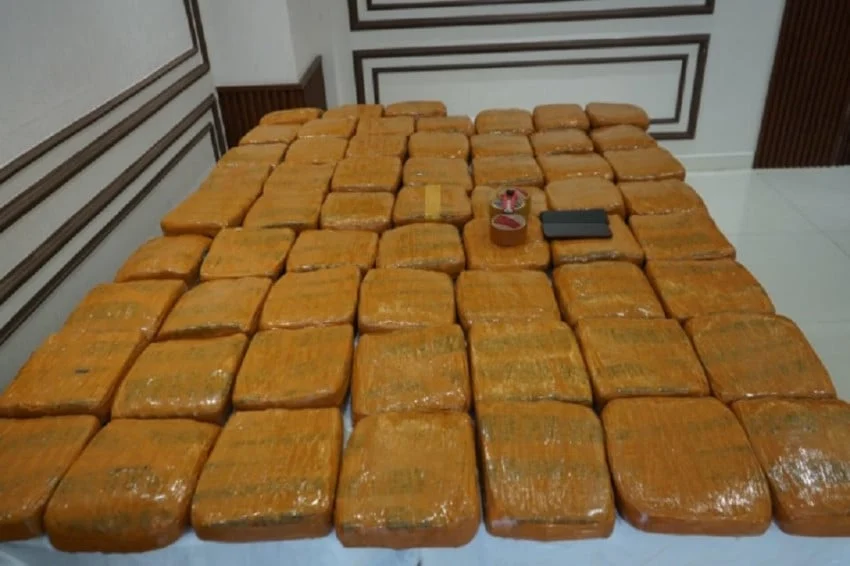
Upon securing the perimeter and conducting an immediate physical containment of the suspects, law enforcement officers proceeded with a comprehensive search of the immediate premises and associated transport vectors. Hidden from plain sight, the officers uncovered a massive cache of illicit drugs. The confiscated contraband totaled an astonishing 62.5 kilograms of dried marijuana.
In an effort to avoid detection by local residents and law enforcement patrols, the perpetrators had meticulously packaged the narcotics. The 62.5 kilograms of marijuana were initially packed securely inside three large white sacks. To further mask the contents and facilitate easier transport or secondary distribution, the syndicate had divided and repackaged the bulk material into 59 individual cardboard boxes, each meticulously sealed with industrial adhesive tape. This sophisticated packaging method indicates that the suspects were preparing the shipment for rapid dissemination across various distribution networks in West Jakarta and surrounding municipalities.
Details of the Suspects and Legal Ramifications
The involvement of suspects spanning different generational demographics—specifically PP at 37 and AA at an advanced age of 63—sheds light on the diverse recruitment strategies employed by modern drug cartels and trafficking networks. Older individuals are frequently co-opted into criminal operations under the assumption that their age will deflect suspicion from law enforcement officers and community watch groups. Conversely, younger operatives are often utilized for physical transportation, logistics, and direct customer interactions.

Both suspects were immediately taken into custody following the raid and transported to the Polda Metro Jaya headquarters for intensive interrogation. Investigators are currently working around the clock to trace the broader supply chain, aiming to identify upstream suppliers, regional couriers, and downstream distributors linked to this specific network.
The suspects face severe legal consequences under Republic of Indonesia Law Number 35 of 2009 on Narcotics. Given the sheer volume of the seized narcotics—far exceeding the statutory thresholds for personal use—both PP and AA are expected to be charged under primary articles relating to the unauthorized distribution, sale, and possession of Class I narcotics on a massive scale. If convicted, the suspects could face maximum penalties ranging from lengthy decades-long prison sentences to life imprisonment, or potentially the death penalty, depending on the court’s assessment of their specific roles within the hierarchical syndicate.
Broader Context and Rising Narcotics Threats in the Capital
The interception in Grogol Petamburan is not an isolated incident but rather part of a broader, troubling trend of escalating drug trafficking activities within the Greater Jakarta metropolitan area. Law enforcement agencies have reported an uptick in large-scale narcotics shipments being smuggled from rural cultivation centers—frequently located in the northern regions of Sumatra—down through maritime and land logistics corridors into Java.
Just weeks prior to the West Jakarta operation, the Jakarta Metro Police and associated regional substations intercepted multiple substantial drug shipments. Notably, a separate raid in the Cawang area resulted in the arrest of three individuals and the seizure of 9.4 kilograms of high-grade marijuana. These consecutive operations demonstrate that while law enforcement agencies are actively dismantling supply chains, the demand and flow of illicit drugs remain stubbornly high.
The socioeconomic implications of these large-scale drug networks operating within urban residential zones are profound. Neighborhoods like Grogol Petamburan, characterized by high population density, transient populations, and commercial vibrancy, are frequently targeted by traffickers who utilize rental properties, boarding houses, and discreet warehouses to store illicit goods. This dynamic not only elevates local crime rates but also poses direct safety risks to unsuspecting residents living adjacent to major drug distribution hubs.
Law Enforcement Strategy and Future Outlook
In response to the growing sophistication of drug trafficking networks, the Jakarta Metro Police have reiterated their commitment to maintaining a zero-tolerance policy toward narcotics distribution. Modern anti-narcotics strategies increasingly rely on predictive policing, community intelligence networks, and enhanced financial investigations to track down the illicit profits generated by these criminal syndicates.
Authorities emphasize that public participation remains a cornerstone of successful drug enforcement. The initial tip-off that led to the capture of PP and AA underscores the vital importance of community vigilance. Law enforcement agencies continue to encourage citizens to report suspicious activities, storage practices, or unusual vehicular movements in their neighborhoods through official reporting channels.
As the investigation into the 62.5-kilogram marijuana bust progresses, the Polda Metro Jaya plans to release further updates regarding the expansion of the case. Investigators are actively pursuing leads across provincial boundaries to dismantle the entire infrastructure of the syndicate, ensuring that all masterminds, financiers, and logistical facilitators are brought to justice. The rigorous prosecution of cases such as this serves as both a punitive measure against offenders and a strong deterrent to other criminal elements attempting to exploit the capital’s vast logistics networks for illicit enterprise.