The Corruption Eradication Commission (KPK) has launched a high-stakes investigation following a dramatic sting operation conducted on Monday, September 14, 2026, which exposed a systemic corruption scheme involving the illicit processing of Land Use Rights (Hak Guna Bangunan or HGB) in Bogor, West Java. The operation, which took place in the heart of the national administrative landscape, resulted in the apprehension of 17 individuals, including high-ranking government officials, regional land office heads, and prominent political figures. The seizure of evidence has sent shockwaves through the Indonesian bureaucracy, as investigators recovered approximately 20 suitcases and boxes filled with cash, amounting to an estimated hundreds of billions of Rupiah.
The Scope of the Operation and Evidence Seized
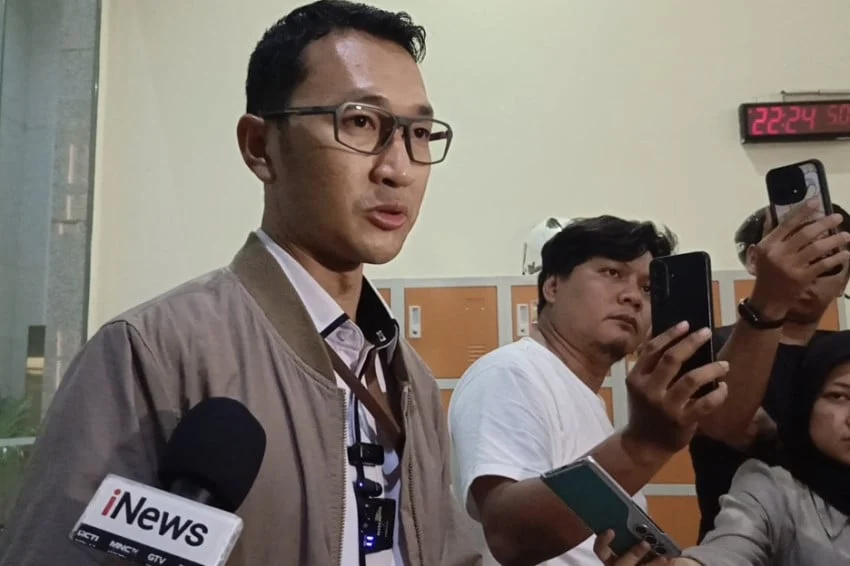
During the press briefing held at the KPK headquarters, Commission Spokesperson Budi Prasetyo confirmed the scale of the financial evidence recovered during the operation. "In this clandestine investigation, our team successfully secured evidence, including cash in both Rupiah and foreign currencies, packed systematically into boxes, cartons, and approximately 20 suitcases," Prasetyo stated.
The sheer volume of physical cash suggests a sophisticated operation designed to bypass digital financial oversight. While the exact total remains subject to a meticulous counting process involving the national banking authorities, initial estimates provided by the commission indicate the figure could reach into the hundreds of billions of Rupiah. This amount represents one of the largest single cash seizures in the commission’s recent history, highlighting the deep-rooted nature of the corruption surrounding land tenure and regulatory approval processes in the region.
Key Figures Detained
The list of those detained reads like a roster of influential figures within the land administration and political sectors. Among the 17 individuals currently under interrogation are Lampri, the Director General of Land and Spatial Control (PPTR); Sontang Coin Manurung, the Head of the Bogor Regency Land Office (Kantah); and Tardi, the Head of the Tangerang City Land Office.
The involvement of high-ranking officials from the Directorate General of Land and Spatial Control—a body tasked with the oversight and regulation of land usage—suggests that the corruption was not merely an isolated incident but potentially involved the exploitation of regulatory loopholes at the highest levels of governance. Beyond the bureaucratic sector, the operation also ensnared notable political and former government figures, including Fahd El Fouz, also known as Fahd A. Rafiq, a prominent figure linked to the Golkar Party, and Arif Sugiyanto, the former Regent of Kebumen. The presence of these individuals underscores the complex nexus between political influence and administrative power in the management of land rights.
Chronology of the Sting Operation
The investigation leading to the arrests on September 14, 2026, did not happen overnight. According to internal sources within the KPK, the commission had been conducting a long-term "closed investigation" (penyelidikan tertutup) to track suspicious movements and financial transactions related to HGB applications.
- Preliminary Surveillance (Q1-Q2 2026): KPK investigators identified unusual patterns in the processing of HGB certificates in Bogor and Tangerang, noting that applications involving large commercial tracts were being fast-tracked while others faced indefinite delays.
- The Weekend Buildup: As the date of the sting approached, surveillance intensified, focusing on the movement of large quantities of cash to safe houses and private residences across the two regions.
- September 14, 2026: The operation was triggered in the early hours of Monday. KPK teams simultaneously raided multiple locations, intercepting the individuals in possession of the illicit funds before they could be laundered or integrated into formal financial channels.
- Post-Operation Processing: By late Monday evening, all 17 suspects were transported to the KPK detention center for preliminary questioning, while forensic accountants began the exhaustive process of verifying the seized currency.
The Context: Land Tenure and Corruption Risks in Indonesia
Land administration in Indonesia has historically been identified by Transparency International and the Ombudsman of the Republic of Indonesia as one of the sectors most vulnerable to bribery. The HGB (Hak Guna Bangunan) is a legal right granted by the state for the use of land for commercial or residential development for a period of up to 30 years, extendable for an additional 20 years.
Because land is a finite resource in high-growth corridors like Bogor and Tangerang, the authority to approve or deny HGB status holds immense economic value. The complexity of the regulatory framework often forces developers and private entities to navigate a bureaucratic labyrinth. When this process is compromised, the result is the widespread distortion of land prices, the displacement of local residents, and the enrichment of corrupt officials who leverage their signature authority for personal gain.
Analysis: Implications for Administrative Governance
The involvement of the Director General of PPTR is particularly concerning for the integrity of the Ministry of Agrarian Affairs and Spatial Planning. If a head of a directorate-general is found to be complicit in the selling of land rights, it signals a systemic failure of internal audit and compliance mechanisms.
From a macroeconomic perspective, this corruption undermines investor confidence. Foreign and domestic investors require legal certainty regarding land tenure. When the process for obtaining HGB is exposed as a "pay-to-play" system, the cost of doing business in Indonesia increases, and the risk of legal challenges for legitimate businesses rises. This sting operation, while necessary, also serves as a stark reminder that corruption in the land sector remains a primary obstacle to sustainable development and orderly urban planning.
Official Responses and Next Steps
Following the announcement, the public has demanded immediate transparency. Various anti-corruption watchdogs, including Indonesia Corruption Watch (ICW), have issued statements urging the KPK to follow the money trail to its absolute end. There is a strong public expectation that the investigation should not stop at the current 17 detainees but should extend to any corporate entities or developers who provided the funds.
"The KPK must ensure that the masterminds—those who provided the cash—are prosecuted with the same rigor as the public officials who accepted it," said an analyst from a prominent Jakarta-based legal think tank.
For the KPK, this case serves as a litmus test for its credibility in the current political administration. With the appointment of new leadership within the commission earlier this year, the public is watching to see if the institution can maintain its independence when dealing with figures connected to established political parties. The commission has pledged to conduct a thorough investigation, promising that all evidence, regardless of the status or political affiliation of the suspects, will be presented in court.
Broader Impact on Political Landscape
The inclusion of Fahd El Fouz in the list of suspects is likely to ripple through the political sphere. As a prominent figure within the Golkar Party, his arrest brings the issue of party financing and political patronage into the spotlight. Furthermore, the arrest of former Regent Arif Sugiyanto highlights the ongoing struggle to curb corruption in local government, where regional heads often possess unchecked authority over land conversion permits.
The KPK has indicated that it is currently preparing for the indictment phase. Under the Law on the Eradication of Corruption Crimes, the suspects could face life imprisonment or decades of incarceration, alongside heavy fines and the potential forfeiture of all assets identified as proceeds of corruption. As the legal proceedings commence, the Indonesian government is expected to face mounting pressure to initiate a sweeping review of land registration systems, potentially moving toward fully digitized, blockchain-verified land titling to reduce the human interaction—and thus the opportunity for bribery—that currently characterizes the HGB process.
In the coming weeks, the nation will be closely monitoring the KPK’s progress. The recovery of hundreds of billions of Rupiah is not merely a financial victory for the state; it is a critical intervention in a sector that fundamentally dictates the future of Indonesia’s physical and economic development. The case of the Bogor HGB scandal will likely serve as a defining moment in the ongoing battle against institutionalized graft.