
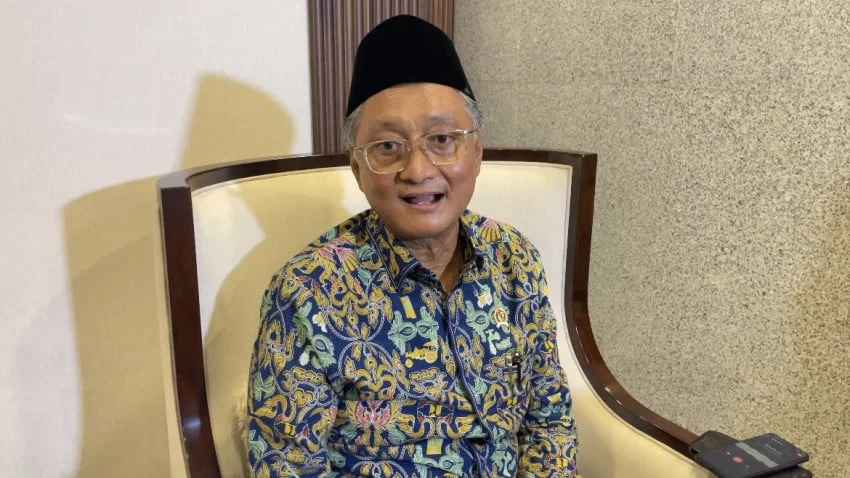
JAKARTA – Minister of Public Works (PU) Dody Hanggodo has publicly addressed and vehemently denied recent allegations circulating on social media regarding his purported refusal to shake hands with subordinates and has provided a detailed explanation for his use of a private jet during an official visit to Eastern Indonesia. The controversies, fueled by viral videos, have ignited significant public discussion concerning official conduct, transparency, and the logistics of high-level government travel within the archipelago. Speaking from the Ministry of Public Works office on Wednesday, July 22, 2026, Minister Hanggodo sought to clarify the incidents, aiming to quell speculation and reinforce public trust in his office.
The Allegations and Minister’s Firm Denial
The first accusation, which gained considerable traction on various social media platforms, centered on a video clip purportedly showing Minister Dody Hanggodo appearing to ignore or avoid a handshake gesture from an individual identified as a subordinate. Such actions, when perceived by the public, can quickly lead to widespread criticism, suggesting arrogance, detachment, or a lack of respect for staff. Public officials, particularly those in high-ranking ministerial positions, are often held to stringent standards of conduct and decorum, with public interactions meticulously scrutinized.
In response to these viral claims, Minister Hanggodo categorically denied the allegations, asserting that he has never practiced selective greetings, especially not with members of his own team. "I have never been selective in shaking hands, especially not with my own staff; that would be impossible," Dody stated firmly during the interview. He emphasized that the notion of him choosing not to acknowledge or greet his employees was contrary to his professional ethos and personal character. However, the Minister did not elaborate on the specific circumstances or context surrounding the viral video clip itself, which has led to continued discussion among online commentators regarding the visual evidence versus the verbal denial. The lack of a detailed explanation for the specific incident captured on video leaves room for ongoing interpretation by some segments of the public, despite the minister’s unequivocal denial of intent.
The incident highlights the double-edged sword of social media in modern governance. While it offers unparalleled channels for transparency and accountability, it also carries the risk of misinterpretation, decontextualization, and rapid dissemination of potentially misleading narratives. A brief, out-of-context video can quickly overshadow years of public service, demanding immediate and clear responses from the officials involved. For a minister overseeing critical national infrastructure projects, maintaining a positive public image and strong morale among staff is paramount.
The Private Jet Controversy: Justification and Context
Parallel to the handshake controversy, Minister Hanggodo also faced scrutiny over his use of a private jet for official travel to Eastern Indonesia. Images and videos of him disembarking from a private aircraft quickly sparked debate online, with some critics questioning the necessity and perceived extravagance of such travel for a public servant. In a nation where economic disparities remain a sensitive issue, the optics of a government minister using what appears to be a luxury mode of transport can easily provoke public discontent and raise questions about fiscal responsibility.
Minister Hanggodo, however, offered a clear explanation, stating that the aircraft in question was not a personal luxury asset but belonged to the Ministry of Transportation. More importantly, he clarified that its use was necessitated by the specific logistical challenges of his destination. "The location of my official trip shown in the video is not served by commercial flights," he explained. This justification points to a broader, often overlooked reality of conducting high-level official duties in a vast archipelagic nation like Indonesia, particularly in its eastern regions.
Eastern Indonesia encompasses a myriad of islands and remote areas, many of which are characterized by underdeveloped infrastructure, including limited air connectivity. While major cities in these regions typically have commercial airports, numerous vital project sites, rural communities, and strategic locations remain inaccessible via regular scheduled flights. For a Minister of Public Works, whose mandate includes overseeing critical infrastructure development—ranging from roads and bridges to ports and airports—travel to these remote sites is often a non-negotiable aspect of the job. Relying solely on commercial flights would significantly impede the efficiency and timeliness required for ministerial oversight and decision-making on crucial national projects. The use of a government-owned aircraft, operated by the Ministry of Transportation, for such missions is often a practical, if not essential, solution to overcome these geographical and logistical barriers.
Chronology of Events and Viral Spread
While specific dates for the initial viral videos were not provided in the original report, the sequence of events can be inferred. The videos likely surfaced and began circulating rapidly on social media platforms such as TikTok, Instagram, and Twitter (now X) in the days or weeks leading up to Minister Hanggodo’s official statement. The nature of social media ensures that once a piece of content gains traction, its spread can be exponential, often reaching millions of users within hours. This rapid dissemination typically triggers public discussion, media inquiries, and eventually, a response from the individual or entity concerned. Minister Hanggodo’s interview on Wednesday, July 22, 2026, represents the official response, aiming to directly address the mounting public queries and criticisms that arose from the viral content. The timing of his statement suggests a strategic effort to regain control of the narrative and provide clarity before misinterpretations solidify in the public consciousness.
Broader Context: Official Conduct and Public Scrutiny
These incidents are not isolated but reflect a growing trend of public officials facing intense scrutiny in the digital age. The line between public and private life for figures like Minister Hanggodo has become increasingly blurred, with every action potentially subject to recording, uploading, and widespread commentary.
Ethical Guidelines for Public Officials
Governments worldwide, including Indonesia’s, have established ethical guidelines for public officials, emphasizing principles such such as integrity, accountability, transparency, and professionalism. These guidelines typically dictate not only how officials should manage public funds and power but also how they should conduct themselves in public interactions. The perceived snub of a subordinate, regardless of intent, can be seen as a violation of the spirit of respectful conduct, potentially undermining morale and public trust in leadership. Similarly, the use of government assets, such as aircraft, is strictly governed by regulations to prevent misuse, ensure cost-effectiveness, and maintain public confidence that resources are deployed for legitimate state purposes.
Transparency in Government Operations
There is an ever-increasing demand for transparency in government operations, fueled by a more informed and digitally connected citizenry. Citizens expect to know how their taxes are being spent, how decisions are being made, and how public servants are utilizing their positions and resources. Incidents involving high-ranking officials and perceived luxuries, even if justifiable, invariably trigger calls for greater transparency and detailed explanations. This pressure often forces ministries to proactively publish information regarding travel expenses, asset usage, and operational justifications, fostering a culture of openness.
The Role of the Ministry of Public Works
The Ministry of Public Works plays a pivotal role in Indonesia’s national development agenda, focusing on crucial infrastructure projects that are vital for economic growth, connectivity, and social equity. This includes the development of roads, bridges, dams, irrigation systems, housing, and urban infrastructure. The successful execution of these projects often requires direct ministerial oversight, site visits to remote areas, and urgent decision-making, particularly in a country facing diverse geographical challenges and an ambitious development roadmap. The efficiency of ministerial travel, therefore, is not merely a matter of convenience but a critical factor in the effective delivery of national development goals.
Supporting Data and Precedents
To fully understand the context of Minister Hanggodo’s explanation, it is helpful to consider supporting data and established precedents related to government travel and regional connectivity.
Government Travel Policies and Asset Utilization
In Indonesia, the use of government assets, including vehicles and aircraft, by high-ranking officials is regulated by various presidential decrees and ministerial circulars. These regulations typically outline the conditions under which such assets can be utilized, prioritizing official duties, national security, and logistical necessity over personal convenience. For instance, the use of military or police aircraft, or indeed, specialized Ministry of Transportation planes, for official travel to remote or conflict-prone areas is a recognized practice when commercial options are unavailable, impractical, or pose security risks. The justification often hinges on the principle of efficiency in governance and ensuring that critical state functions are not hindered by logistical constraints. Audits are routinely conducted to ensure compliance with these regulations and to verify the legitimate use of public resources.
Connectivity Challenges in Eastern Indonesia
Eastern Indonesia, comprising regions like Papua, West Papua, Maluku, North Maluku, and Nusa Tenggara, presents unique logistical challenges. The terrain is often mountainous, with vast expanses of ocean separating islands. While the government has made significant strides in improving infrastructure under various national development programs (such as the "Nawa Cita" or "Global Maritime Fulcrum" agendas), many areas still lack robust transportation networks. Air travel often remains the most viable, or only, option for rapid transit. However, many smaller airports or airstrips in these remote areas are not equipped to handle large commercial aircraft or do not have sufficient passenger demand to warrant regular commercial service. This necessitates the use of smaller, more versatile aircraft, including turboprops or private jets, for official government missions to ensure timely access for officials involved in project monitoring, disaster response, or community engagement.
Budgetary Implications
The budget for official travel, including the use of specialized government aircraft, is part of the overall operational budget of relevant ministries. These budgets are subject to parliamentary approval and oversight by auditing bodies. While the cost of operating a private jet might seem higher than a commercial flight, the total cost-benefit analysis for critical official missions often considers factors such as time efficiency, security, flexibility to visit multiple remote locations, and the ability to transport specialized equipment or personnel. The cost is typically justified within the framework of delivering on the ministry’s mandate and ensuring the effective execution of national development programs.
Reactions and Implications
The controversies surrounding Minister Dody Hanggodo underscore several critical implications for governance and public perception in Indonesia.
Public Perception and Trust
Regardless of the factual justifications, incidents that go viral and are perceived negatively can significantly impact public trust in government institutions and individual officials. The "optics" of an event often carry as much weight as the underlying facts, especially in the age of instant information. For the Ministry of Public Works, which directly impacts the daily lives of millions through infrastructure projects, maintaining a strong bond of trust with the public is essential for garnering support for its initiatives and ensuring smooth project implementation.
Potential for Policy Review
Such high-profile incidents could prompt a review of existing government travel policies, particularly regarding communication protocols. While the use of a private jet might be technically permissible and practically necessary, the government could explore ways to proactively communicate the justifications for such travel before controversies arise. This could involve more detailed public disclosures about travel itineraries, modes of transport, and the strategic importance of each trip, especially to remote areas. Furthermore, internal communication guidelines for officials regarding public interactions and social media etiquette might be reinforced.
Calls for Greater Clarity and Proactive Communication
The episodes highlight the imperative for public officials to be more proactive and transparent in their communication. In an environment where social media can instantly amplify perceived missteps, a reactive approach often proves insufficient. Developing robust communication strategies that anticipate potential public concerns and provide clear, comprehensive explanations from the outset can help mitigate negative public reactions and prevent the spread of misinformation. This includes training officials on media engagement and crisis communication.
Statements from Related Parties (Inferred)
While not explicitly mentioned, it is plausible that other entities might issue statements or be involved in discussions following such controversies. The Ministry of Transportation would likely confirm the ownership and operational protocols of the aircraft used by Minister Hanggodo, validating his explanation. Parliamentary oversight bodies, such as Commission V of the House of Representatives (DPR), which oversees public works and transportation, might raise these issues during hearings, seeking further clarification and accountability. Civil society organizations and anti-corruption watchdogs often weigh in on matters related to official conduct and the use of state assets, advocating for greater transparency and adherence to ethical standards.
Conclusion
Minister Dody Hanggodo’s public address reflects the complex challenges faced by public officials in a hyper-connected world. While unequivocally denying the allegations of intentionally snubbing staff, his explanation regarding the private jet use underscores the practical realities of high-level governance in a geographically diverse nation. These incidents serve as a potent reminder of the critical balance between efficient execution of official duties, strict adherence to ethical guidelines, and the ever-present need for transparent and proactive communication to maintain public trust. As Indonesia continues its journey of development, ensuring that its public servants operate effectively while upholding the highest standards of accountability and public perception remains a paramount challenge. The resolution of these controversies will ultimately depend on the public’s acceptance of the minister’s explanations and the government’s ongoing commitment to transparency and ethical governance.
