Danantara Indonesia has officially commenced the construction of the Bogor Raya 1 Waste-to-Energy Power Plant (PSEL Bogor Raya 1) located in Galuga Village, Cibungbulang Subdistrict, Bogor Regency. Inaugurated on Thursday, September 17, the landmark facility is engineered to process up to 1,500 tons of municipal solid waste daily, converting it into sustainable electrical energy. This strategic initiative marks a pivotal milestone in Indonesia’s ongoing efforts to modernize its waste management infrastructure, alleviate pressures on conventional landfills, and accelerate the transition toward renewable energy sources.
The groundbreaking ceremony drew high-ranking government officials, environmental experts, and key financial stakeholders, highlighting the project’s national significance. Managed by PT Daya Energi Bersih Nusantara (Denera), the facility represents a capital investment of approximately Rp2.8 trillion. Beyond its primary function of waste reduction and power generation, the project is projected to catalyze local economic development by creating roughly 1,200 green jobs during both its construction and operational phases.
Technological Innovation and Environmental Compliance
At the core of PSEL Bogor Raya 1 is the adoption of advanced moving grate incinerator technology integrated with an Air Pollution Control System (APCS). This configuration is widely recognized as a benchmark for eco-friendly incineration, engineered to minimize harmful emissions while significantly reducing waste volume within a remarkably short timeframe.
During the groundbreaking event, Danantara Indonesia’s Chief Investment Officer, Pandu Patria Sjahrir, emphasized that the facility has been designed to meet the rigorous benchmarks of the European Union Industrial Emissions Directive (EU IED). Considered one of the strictest industrial emission control frameworks globally, adherence to the EU IED ensures that the plant operates with minimal environmental footprints, addressing long-standing public concerns regarding the environmental degradation typically associated with traditional waste incineration.
"This project is strategically targeted to manage more than 500,000 tons of waste annually," Pandu stated. "Furthermore, it will cut emissions originating from conventional landfills by up to 80 percent and mitigate carbon emissions by approximately 640,000 tons of CO2 equivalent per year."
In terms of energy output, Pandu noted that PSEL Bogor Raya 1 will generate reliable green energy capable of supplying electricity to more than 100,000 households across the wider Bogor region. Building on this momentum, Danantara Indonesia is already laying the groundwork for a secondary facility, PSEL Bogor Raya 2, which is slated for development in the Kayumanis area of Bogor City.
Chronology and Regulatory Transformation
The realization of the Bogor Raya 1 project is the culmination of years of policy restructuring, technological evaluation, and cross-sector collaboration. For decades, municipal waste management in Indonesia has struggled with bureaucratic hurdles, overlapping regulations, and insufficient infrastructure, leading to overflowing landfills and severe ecological degradation in densely populated urban centers.
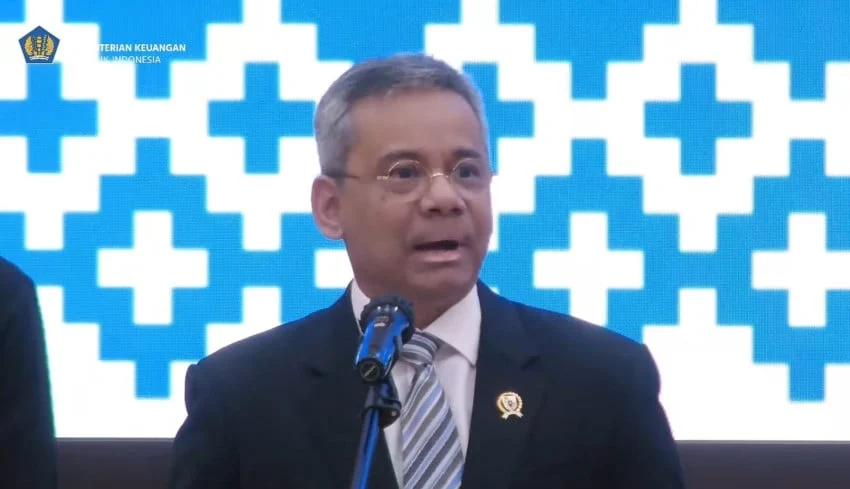
The turning point for the waste-to-energy sector came through a series of sweeping regulatory reforms aimed at streamlining investment procedures. Historically, prospective developers faced a labyrinth of bureaucratic obstacles. Highlighting these historical barriers, Coordinating Minister for Food Affairs Zulkifli Hasan noted the drastic reduction in administrative red tape during the groundbreaking ceremony.
"Previously, there were approximately 160 distinct regulations that rendered the development process exceedingly complex and protracted," Zulkifli explained. "We have now streamlined these down to just three core rules. Consequently, waste-to-energy initiatives can proceed much more expeditiously, delivering tangible benefits to the community without unnecessary administrative delays."
The construction phase itself reflects a high degree of international and domestic technical collaboration. More than 60 seasoned experts and professionals, boasting extensive backgrounds in executing waste-to-energy projects both domestically and internationally, were brought onto the project. Their collective expertise spans operations across Malaysia, Thailand, China, Australia, Ireland, Germany, and Kuwait, ensuring that the Bogor facility incorporates world-class engineering practices.
Broad Strategic Implications and National Rollout
The inauguration of PSEL Bogor Raya 1 is not an isolated undertaking; it forms a critical component of a broader, nationwide strategy. Danantara Indonesia has formulated a comprehensive roadmap to construct similar waste-to-energy facilities across 17 distinct operational zones, encompassing 33 regencies and cities nationwide. This expansive rollout is designed to systematically dismantle the national garbage emergency that has plagued Indonesian metropolitan and suburban areas for decades.
The urgency of this initiative is further compounded by environmental considerations surrounding traditional energy grids. As Indonesia continues to transition away from heavy reliance on coal-fired power generation, integrating alternative baseload and peak-load green energy sources—such as municipal waste conversion—becomes paramount. Coordinating Minister Zulkifli Hasan pointed out that the negative environmental externalities associated with coal-fired power plants heavily influenced the government’s decision to prioritize waste-to-energy developments as a matter of urgent public policy.
Economic and Spatial Impact on Landfills
One of the most profound implications of the PSEL Bogor Raya 1 project is its direct alleviation of land scarcity. Conventional open-dumping landfills consume vast tracts of productive land, create severe groundwater contamination risks, and generate large volumes of unchecked methane gas—a potent greenhouse gas. By reducing the volume of incoming waste by up to 80 percent, the facility will drastically diminish the spatial footprint required for final waste disposal (Tempat Pembuangan Akhir or TPA).
The reduction in landfill dependency preserves local ecosystems and eliminates the contentious social conflicts often arising from the proximity of massive dumping sites to residential communities. Moreover, the creation of 1,200 green jobs aligns with Indonesia’s broader commitments to fostering a sustainable, circular economy that prioritizes environmental stewardship alongside industrial growth.
Looking Ahead
As construction on PSEL Bogor Raya 1 progresses under the watchful eye of Danantara Indonesia and its private-sector partners, the project serves as a vital litmus test for future public-private partnerships in the environmental sector. The ability to successfully finance, construct, and operate a complex Rp2.8 trillion facility under strict European emission standards demonstrates Indonesia’s growing capacity to attract sophisticated green investments.
With subsequent phases already in the pipeline—including the planned Bogor Raya 2 facility in Kayumanis—the region is poised to become a national model for integrated urban waste management. If replicated successfully across the targeted 17 zones and 33 municipalities, these facilities could permanently alter the trajectory of environmental management in Southeast Asia’s largest economy, turning an intractable ecological liability into a reliable engine for clean energy and sustainable urban development.