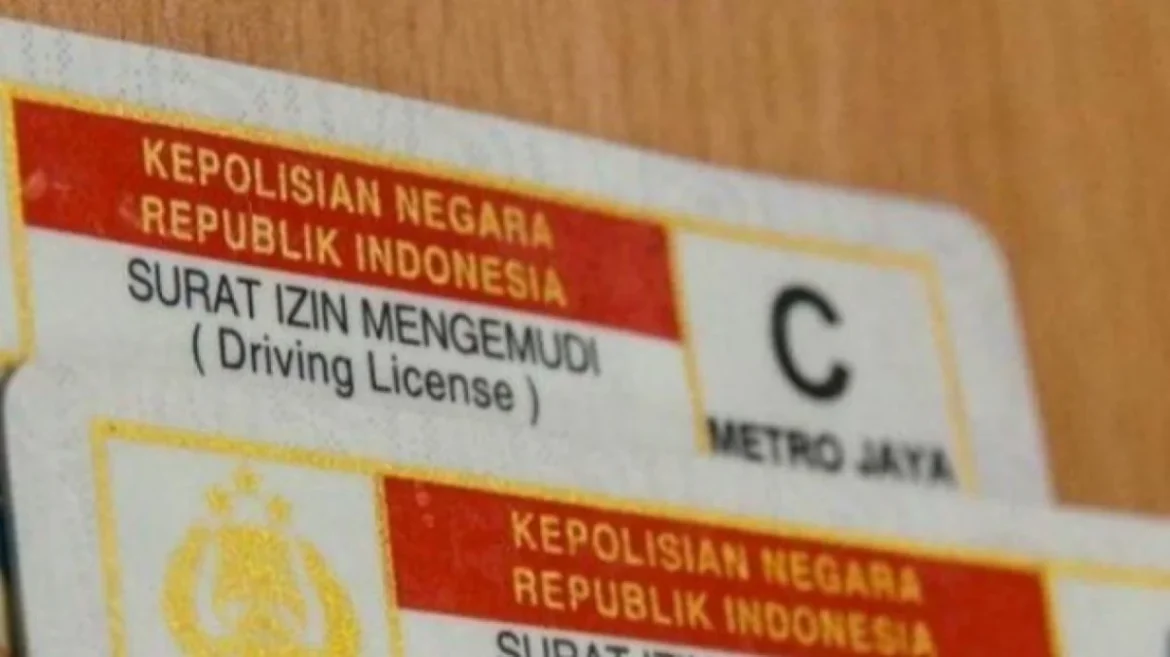
The Indonesian National Police Traffic Corps, widely known as Korlantas Polri, has officially inaugurated a transformative chapter in public service by introducing the Kios SIM, an innovative self-service terminal designed to streamline the printing of driver’s licenses (SIM). This digital-first initiative marks a significant departure from traditional bureaucratic procedures, allowing citizens to bypass long queues at physical service counters and take control of the final step of their document renewal process. Announced on Monday, September 28, 2026, the launch of these automated kiosks represents the latest milestone in the national agency’s broader strategy to modernize police services through the digitalization of administrative tasks.
The Mechanics of Modernized Licensing
The Kios SIM facility is specifically engineered for users of the "SINAR" (SIM Nasional Presisi) application, which is the primary digital gateway within the Digital Korlantas platform. Under the current operational framework, the kiosk is restricted to the renewal of SIM A (private car license) and SIM C (motorcycle license). The process is designed for seamless integration between the user’s smartphone and the physical hardware installed at designated locations.
Once a user completes the necessary digital application, medical examination, and psychological test via the SINAR app, they receive a unique QR code. Upon visiting a Kios SIM, the applicant simply scans this QR code at the terminal. The machine immediately retrieves the verified data from the central database. After a quick on-screen verification of personal details, the user authorizes the print command. The machine then produces a physical SIM card on the spot, effectively eliminating the wait times that have historically plagued Satpas (Satuan Penyelenggara Administrasi SIM) offices across the country.
Strategic Objectives and Operational Goals
The introduction of this technology is not merely a convenience upgrade; it is a calculated effort to alleviate systemic congestion within police service centers. Kakorlantas Polri, Inspector General of Police Wibowo, emphasized that the Kios SIM serves as a vital alternative for the public. By offloading the printing phase to self-service machines, the police aim to reduce the physical foot traffic in Satpas offices by a significant margin.
In recent years, the Indonesian police have faced increasing pressure to digitize services due to the growing number of vehicle owners. With millions of driver’s licenses expiring annually, the manual processing of renewals has often led to overcrowding, long processing times, and potential friction between officers and citizens. By automating the terminal phase, the police force hopes to optimize staff allocation, allowing officers to focus on more complex administrative tasks and law enforcement duties rather than basic printing and distribution.
Phased Implementation and Geographical Limitations
While the launch has generated substantial public interest, Korlantas Polri has been transparent regarding the current limitations of the rollout. As of September 2026, the Kios SIM is not yet a ubiquitous feature in every district or provincial police office. The deployment is currently in a "phased implementation" stage, meaning that many applicants will still need to visit traditional counters to finalize their renewals until the kiosk network reaches their specific region.
The agency has confirmed that the initial focus for the rollout is the Jabodetabek (Jakarta, Bogor, Depok, Tangerang, and Bekasi) area, which accounts for the highest volume of license renewals in Indonesia. Furthermore, the strategic placement of these kiosks will extend beyond police premises. The agency plans to install units within various public service malls (Mal Pelayanan Publik), ensuring that citizens can access their documents while running other errands, thereby integrating police services into the broader urban lifestyle of the modern Indonesian citizen.
A Broader Digital Ecosystem
The Kios SIM initiative is part of a larger, multi-faceted digital transformation strategy spearheaded by the police. During the same unveiling event, authorities introduced a suite of new digital services, signaling a comprehensive shift in how the state interacts with vehicle owners. These include:
- Integrated Denda Tilang (Traffic Fine) System: A digital portal for the transparent payment of traffic violations, reducing the need for court appearances or manual transactions.
- STNK Digital: The modernization of vehicle registration documents, allowing for easier verification and renewal through the Digital Korlantas app.
- Siap Jalan Application: A new mobile utility aimed at providing drivers with real-time road information, safety warnings, and emergency assistance.
These interconnected services reflect a policy goal of creating a "Single Identity" for vehicle owners in Indonesia, where all aspects of driving legality—from licensing and registration to fine payments and safety alerts—are contained within a single, secure digital ecosystem.
Impact and Future Implications
The long-term success of the Kios SIM project will likely hinge on two factors: the stability of the digital infrastructure and the public’s adoption rate of the SINAR application. For the system to be effective, the backend database must maintain near-perfect uptime, as any server latency would render the self-service kiosks non-functional.
Furthermore, the introduction of automated kiosks shifts the responsibility of data verification significantly toward the user. As applicants must verify their own information on the terminal screen before printing, the system requires a high level of digital literacy from the public. Analysts note that this transition is a clear signal that the Indonesian police are prioritizing high-tech efficiency over traditional face-to-face bureaucracy.
From an economic perspective, the reduction in administrative labor costs and the potential for increased compliance—driven by the ease of renewal—could result in a more efficient revenue stream for the state. However, the initial capital expenditure for installing kiosks across the nation remains a hurdle. If the pilot program in Jabodetabek proves successful in reducing backlog and increasing user satisfaction, the model is expected to be scaled to major cities across Java, Sumatra, and eventually the outer islands.
Analysis of Policy Evolution
Looking at the trajectory of Indonesian traffic administration over the last decade, the Kios SIM is the logical progression of the e-government initiatives launched in the mid-2020s. The move toward self-service terminals is reflective of global trends in public administration, where governments are moving away from centralized, appointment-based models toward decentralized, on-demand service models.
The primary challenge for the Korlantas Polri in the coming months will be ensuring equitable access. While the Jabodetabek area is well-connected and tech-literate, rural areas may face challenges with both the hardware maintenance of the kiosks and the availability of high-speed internet required for the SINAR application to sync correctly. To address this, the police have indicated that traditional services will remain in place for the foreseeable future, ensuring that those who are unable or unwilling to use the digital kiosks are not excluded from legal compliance.
In conclusion, the launch of the Kios SIM is a definitive step toward the modernization of Indonesian policing. By prioritizing the user experience and leveraging digital infrastructure, the Korlantas Polri is positioning itself as a more responsive and efficient entity. As the rollout continues into 2027, the success of this project will likely serve as a benchmark for other government agencies looking to digitize their own public-facing services, ultimately aiming for a more streamlined and accessible administrative experience for all citizens.