Air travel has undergone a radical transformation over the past several decades, evolving from a luxury experience where passengers dressed in their "Sunday best" to a high-volume, efficiency-driven industry where comfort often takes a backseat to logistics. As flight durations increase with the advent of ultra-long-haul routes—some exceeding 18 hours—the physical toll on the human body has become a primary concern for medical professionals and travel veterans alike. Recent insights from a panel of travel writers, industry experts, and frequent flyers have highlighted a critical but often overlooked aspect of the journey: the wardrobe. While fashion remains a personal choice, experts warn that certain common clothing items can actively contribute to health risks, hygiene issues, and significant delays during the security screening process.
The consensus among travel specialists, including Tory Jon, founder of Camper FAQs, and Abby Price, co-founder of Trekking Price’s, suggests that the modern traveler must prioritize physiological needs over aesthetic preferences. The unique environment of an airplane cabin—characterized by pressurized air, fluctuating temperatures, and restricted movement—requires a strategic approach to dressing. According to data from the World Health Organization, the risk of developing venous thromboembolism (VTE) doubles after a flight lasting more than four hours, a risk that is exacerbated by restrictive clothing. This medical reality serves as the foundation for the first and most emphatic recommendation from the expert community: the avoidance of denim.
The Hidden Risks of Denim and Restrictive Bottoms
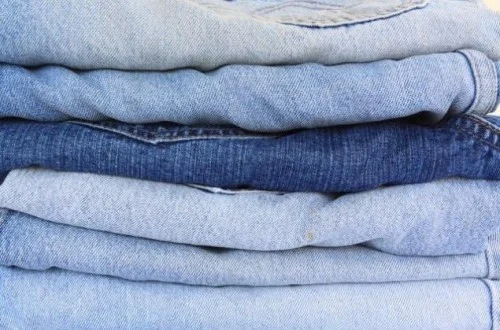
Jeans are arguably the most ubiquitous garment in the modern wardrobe, yet travel experts almost universally categorize them as a "no-go" for flights exceeding three hours. Tory Jon emphasizes that regardless of the fashion appeal, the structural nature of denim is fundamentally at odds with the requirements of air travel. The primary issue lies in the lack of elasticity in traditional denim, which can exert undue pressure on the waist and legs. As cabin pressure changes, the human body naturally expands; gas in the intestines can expand by up to 25%, leading to significant abdominal bloating. When encased in a rigid denim waistband, this expansion causes discomfort and can impede digestive processes.
Furthermore, the risk of Deep Vein Thromboembolism (DVT) is a serious consideration. DVT occurs when blood clots form in deep veins, usually in the legs, due to prolonged immobility. Restrictive clothing like skinny jeans can further slow blood circulation, creating a "tourniquet effect" that increases the likelihood of clot formation. Medical experts suggest that for every hour spent sitting, the risk of circulatory issues rises. To counter this, Abby Price recommends an "athleisure" approach, suggesting joggers, stylish sweatpants, or loose-fitting trousers made of technical fabrics that allow for both expansion and movement.
The Logistical Nightmare of One-Piece Garments
While jumpsuits, rompers, and overalls have seen a resurgence in fashion trends, they represent a significant logistical hurdle in the context of an aircraft. Jessica Schmit of the Uprooted Traveler blog points out that the primary drawback is the functionality—or lack thereof—within the confines of an airplane lavatory. Airplane bathrooms are notoriously cramped, often measuring no more than 30 inches wide. In such a limited space, a passenger wearing a one-piece garment is forced to virtually undress to use the facilities.
This creates two distinct problems. First, it is a time-consuming process that can lead to longer queues for the lavatory, a frequent point of friction among passengers. Second, and perhaps more concerning, is the hygiene factor. The floors of airplane bathrooms are rarely pristine; Schmit warns that the long sleeves or straps of a jumpsuit can easily brush against the floor during the undressing process, picking up bacteria and moisture. Reneze Lopez of Sincerely Reneze adds that many one-piece "athleisure" bodysuits are also too restrictive or revealing for the close-quarters environment of a commercial flight, suggesting that separate pieces provide more versatility and ease of use.
Security Efficiency and the Belt Factor
The evolution of airport security, particularly in the United States under the Transportation Security Administration (TSA) and similar global bodies like the European Union Aviation Safety Agency (EASA), has made the "belt" a major point of contention. Rax Suen, founder of NomadsUnveiled, notes that while a belt may be a staple of a professional outfit, it is a primary culprit for delays at security checkpoints. Unless a traveler has specific clearances like TSA PreCheck or Global Entry, they are typically required to remove their belt, which adds time to the screening process and creates a bottleneck for other passengers.
Beyond the security gate, belts present a comfort issue. Sitting for 10 hours with a leather or metal buckle pressing into the abdomen can cause localized pain and skin irritation, especially during turbulence when the seatbelt must be fastened tightly over the lap. Suen suggests opting for trousers with elasticated waists or internal drawstrings, such as high-quality hiking pants, which offer a professional appearance without the need for external hardware.
Footwear: A Matter of Hygiene and Emergency Preparedness
The choice of footwear is perhaps the most debated topic in travel fashion. While the temptation to wear sandals or flip-flops is high when traveling to tropical destinations, experts like Sarah Simon of Mukikapup’s Travels strongly advise against open-toed shoes. The reasoning is twofold: hygiene and safety. Aircraft cabins are high-traffic areas where deep cleaning between flights is often limited by tight turnaround times. Simon highlights that carpets can harbor a variety of contaminants, and the bathroom floors are even more problematic. Wearing socks and closed-toe shoes provides a necessary barrier against these germs.
From a safety perspective, footwear plays a crucial role in emergency evacuations. In the rare event of an emergency landing or evacuation, passengers may need to move quickly over debris, hot surfaces, or through emergency slides. Flip-flops and high heels are highly unstable and can lead to injuries or slow down the evacuation of the entire aircraft. Michelle Joy of Harbors and Havens suggests that the ideal travel shoe is a slip-on sneaker. These allow for quick removal at security—avoiding the unhygienic practice of walking barefoot on airport floors—while providing the stability and protection needed during the flight and in potential emergencies.
The Science of Fabrics: Why Polyester Fails
The final recommendation from the expert panel concerns the chemical composition of clothing materials. Wesley Cunningham of WorldWideyedWes notes that while polyester is favored for its wrinkle-resistance and lightweight nature, it is a poor choice for the recycled air environment of a plane. Polyester is a synthetic fiber that does not "breathe" as well as natural fibers. It tends to trap heat and moisture against the skin, which can lead to discomfort in the varying temperatures of a cabin, which can swing from freezing to uncomfortably warm during boarding and taxiing.
More importantly, polyester is known to trap odors. Scientific studies have shown that certain types of bacteria, specifically Micrococcus, thrive on synthetic fibers. These bacteria break down long-chain fatty acids in human sweat into smaller, malodorous molecules. On a long flight, a passenger wearing polyester is more likely to develop a noticeable body odor than someone wearing natural fibers. Cunningham recommends cotton, silk, or merino wool. Merino wool, in particular, has gained popularity among frequent flyers because it is naturally antimicrobial, moisture-wicking, and temperature-regulating, making it the "gold standard" for travel apparel.
Broader Implications for the Travel Industry
The shift in recommendations from travel experts reflects a broader trend toward "functional travel." As airlines continue to reduce seat pitch and width to maximize capacity, the "micro-environment" of a passenger’s seat becomes their entire world for the duration of the flight. The clothing one chooses is one of the few variables a passenger can control to mitigate the stresses of modern air travel.
The impact of these choices extends beyond individual comfort. When passengers dress for efficiency—avoiding belts and complex footwear—the overall throughput of airport security improves, potentially reducing the massive wait times seen in major hubs like Hartsfield-Jackson Atlanta or London Heathrow. Furthermore, by choosing breathable, natural fabrics, the overall air quality and olfactory environment of the cabin are improved for all passengers.
In conclusion, the modern traveler is encouraged to view their flight wardrobe as a piece of equipment rather than a fashion statement. By avoiding denim, one-piece garments, belts, open-toed shoes, and synthetic fabrics, passengers can significantly enhance their well-being. As the industry moves toward even longer flight times with projects like Qantas’ "Project Sunrise," the intersection of fashion, health, and logistics will continue to be a vital area of focus for the global travel community. The goal remains clear: to arrive at one’s destination not just on time, but in a physical state that allows for immediate enjoyment of the journey ahead.