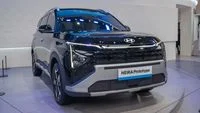
Hyundai Motor Indonesia is preparing to shake up the domestic electric vehicle market with the official scheduled launch of the Hyundai Neira EV, a dedicated seven-passenger electric sports utility vehicle designed to cater to the growing demands of modern families. Slated to debut later this month at the prestigious Gaikindo Jakarta Auto Week, which runs from November 20 to November 29, 2026, the Neira EV represents a significant milestone in the manufacturer’s local production strategy. By leveraging extensive domestic manufacturing capabilities, the South Korean automotive giant aims to solidify its footprint in Southeast Asia’s largest automotive market while supporting government initiatives to accelerate vehicle electrification.
The introduction of the Neira EV follows its initial public preview at the Gaikindo Indonesia International Auto Show earlier in the year. During that exhibition, the vehicle captured considerable attention due to its spacious three-row configuration, modern aesthetic, and the company’s commitment to localized production. Industry analysts note that family-oriented electric vehicles with high passenger capacities have historically been scarce in the regional market, positioning the Neira EV to capture a substantial market share among consumers transitioning away from traditional internal combustion engine vehicles.
A Deeply Localized Identity and Nomenclature
The nomenclature of the Neira EV carries cultural and geographical significance within Indonesia. Following in the footsteps of previous models like the Hyundai Cartenz—which drew inspiration from the towering peaks of Puncak Cartenz—the Neira moniker is derived from Banda Neira, a historically rich island group in the Maluku archipelago. This naming convention highlights Hyundai’s strategy of integrating local cultural touchpoints into its global product lineup, fostering a deeper emotional connection with Indonesian consumers.
Beyond its nameplate, the vehicle’s local integration runs much deeper than mere assembly. Hyundai Motor Indonesia has confirmed that the Neira EV is engineered to achieve a Tingkat Komponen Dalam Negeri score exceeding 60 percent. This high level of domestic content involves sourcing a substantial portion of the vehicle’s components, including structural parts, interior trims, and potentially battery-related sub-assemblies, from local suppliers. Achieving this threshold not only aligns with national regulatory frameworks designed to boost domestic manufacturing but also ensures smoother supply chain logistics, better cost control, and more competitive pricing for local buyers.
Chronology of Development and Market Debut
The trajectory of the Neira EV from a concept-stage announcement to a production-ready model reflects the rapid pace of development within Hyundai’s Indonesian division. The vehicle’s journey began with early development phases centered around adapting a versatile electric vehicle architecture suitable for multi-passenger configurations.
- Early 2026: Preliminary feasibility studies and supply chain alignments for domestic production of a three-row electric SUV platform.
- Mid-2026: The vehicle makes its official public debut as a concept-level showcase at the Gaikindo Indonesia International Auto Show, generating widespread interest among families and industry stakeholders.
- Late November 2026: Official commercial launch scheduled at the Gaikindo Jakarta Auto Week, where final specifications, variants, and official pricing structures will be revealed to the public.
- Post-Launch 2026 Onward: Commencement of vehicle deliveries to early reservation holders and the rollout of comprehensive after-sales service programs tailored for electric family vehicles.
Platform Synergy and Shared Technical Heritage
While Hyundai has maintained a measured approach regarding the release of exhaustive technical specifications, industry insights and platform sharing provide a clear picture of what consumers can expect from the Neira EV. The vehicle shares its foundational architecture with its corporate sibling, the Kia Carens EV, which is similarly slated for local production within Hyundai’s extensive Indonesian manufacturing ecosystem.
This shared platform architecture suggests that the Neira EV will benefit from proven electric powertrain technologies, optimized weight distribution, and robust safety frameworks. The structural similarities allow both brands to maximize production efficiency while offering distinct design languages and brand-specific interior packaging.
Anticipated Performance and Battery Configurations
Drawing parallels from its platform counterpart, the Neira EV is expected to offer versatile battery and powertrain options to accommodate varying consumer needs, ranging from urban commuting to long-distance family road trips. Two primary battery capacities and trim configurations are anticipated to form the backbone of the lineup:
- Standard Air Trim: Equipped with a 42 kWh battery pack, this variant is engineered primarily for daily urban driving. Reference data indicates a driving range of approximately 404 kilometers on a single charge under standardized testing protocols, making it an ideal choice for city dwellers seeking an efficient, zero-emission family transporter.
- Long Range Earth Trim: Featuring a larger 51.4 kWh battery pack, this variant extends the vehicle’s operational capabilities, offering a driving range of up to 490 kilometers. This extended range addresses range anxiety, a common concern among buyers transitioning to electric mobility for intercity travel.
Interior Comfort, Entertainment, and Advanced Technology
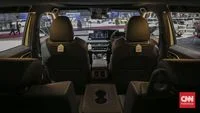
Modern family SUVs require a delicate balance of utility, entertainment, and advanced safety systems. Based on platform specifications, upper-tier trims like the Earth variant are projected to feature a luxurious cabin outfitted with premium amenities. These are expected to include a Dual Pane Panoramic Sunroof that enhances the sense of space across all three rows, dynamic 64-color ambient lighting to set the mood, and a high-fidelity BOSE audio system featuring eight strategically placed speakers for an immersive acoustic experience.
Furthermore, air quality management has become a priority for urban families. The vehicle is expected to incorporate a Smart Pure Air Purifier equipped with an Air Quality Index display, ensuring a clean cabin environment during commutes through congested metropolitan areas. Connectivity and driver information will be centralized through a sweeping 26.6-inch Dual Panoramic Display spanning the dashboard, integrating infotainment and instrument cluster functions seamlessly.
Safety and Driver Assistance Systems
Safety remains paramount in the family vehicle segment. The Neira EV is anticipated to integrate a comprehensive suite of Advanced Driver Assistance Systems, potentially offering up to 20 distinct safety features under an ADAS Level 2 framework. These technologies typically include autonomous emergency braking, lane-keeping assist, adaptive cruise control, blind-spot collision avoidance, and rear cross-traffic alert, all designed to mitigate human error and protect occupants in diverse traffic conditions.
In addition to active safety features, the vehicle is expected to support Vehicle-to-Load capabilities across both interior and exterior ports. This functionality transforms the SUV into a mobile power source capable of running household appliances, electronic devices, or recreational equipment directly from the vehicle’s high-voltage battery pack, adding a layer of versatility for camping trips and outdoor activities.
Strategic Pricing and Market Positioning
Pricing strategy will play a decisive role in the commercial success of the Neira EV. While official retail prices have not yet been finalized by corporate executives, company leadership has indicated that the vehicle’s cost structure will remain competitive within the emerging electric vehicle landscape.
Fransiscus Soerjopranoto, Chief Operating Officer of Hyundai Motor Indonesia, emphasized that the timing is optimal for introducing an accessible electric family vehicle to prospective buyers. Company remarks suggest that the Neira EV’s pricing will closely mirror that of its sibling, the Kia Carens EV. Industry estimates place the expected retail price range between Rp382 million and Rp432 million on-the-road in Jakarta, a bracket that positions the Neira EV as an attractive alternative to traditional internal combustion engine multi-purpose vehicles and compact SUVs.
Broader Industry Implications and Economic Impact
The commercial introduction of the Hyundai Neira EV carries significant implications for the broader automotive sector in Indonesia and Southeast Asia. By introducing a locally produced electric vehicle targeting the family segment, Hyundai is addressing a critical market gap. Most electric vehicles introduced to the market previously skewed toward either luxury segments or compact city cars, leaving large families with limited zero-emission options.
The emphasis on a domestic component content exceeding 60 percent stimulates growth within the local automotive supply chain. Tier-1 and Tier-2 local component manufacturers stand to benefit from steady production volumes, fostering technical skill transfer, job creation, and infrastructure development tailored to electric vehicle manufacturing. This localized approach also shields the supply chain from global logistics disruptions and currency fluctuations, ensuring more stable pricing for consumers.
From an environmental standpoint, the mass adoption of electric family vehicles directly supports Indonesia’s national carbon reduction targets. As more households transition from fossil-fuel-powered transport to battery electric vehicles, urban air quality improvements and reductions in greenhouse gas emissions will become increasingly tangible.
Future Outlook and Consumer Readiness
As the debut date at the Gaikindo Jakarta Auto Week approaches, consumer anticipation continues to build. The success of the Neira EV will likely serve as a litmus test for the readiness of Indonesian families to fully embrace electric mobility for their primary transportation needs.
Hyundai’s robust dealership network, coupled with expanding public and private charging infrastructure investments across major Indonesian cities, provides a supportive ecosystem for the new model. If the Neira EV delivers on its promises of high local content, competitive pricing, thoughtful interior packaging, and reliable electric range, it could redefine the family vehicle segment and set a new benchmark for domestic electric vehicle manufacturing in the region.