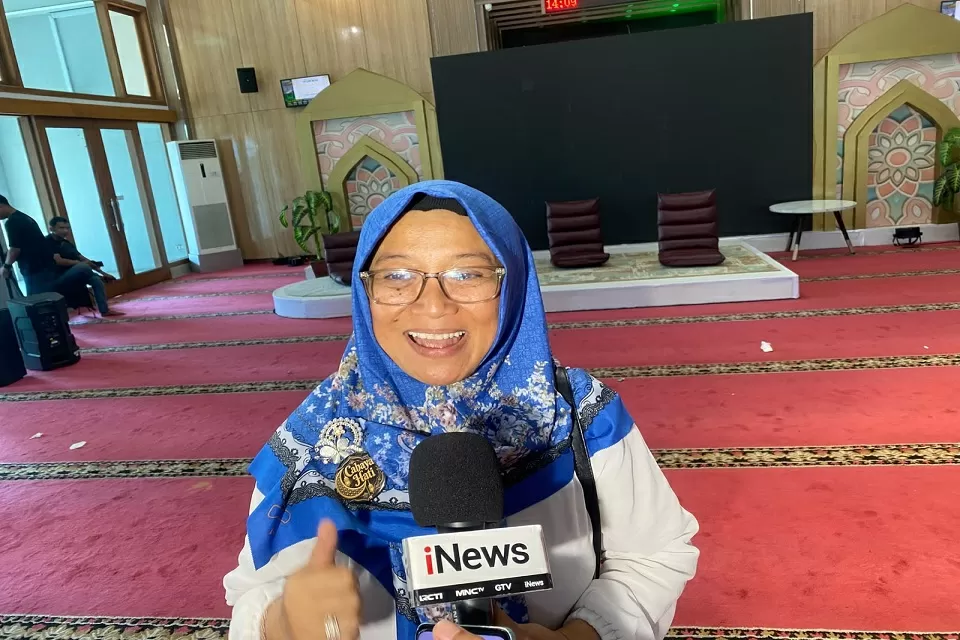
The intersection of broadcast media and grassroots religious engagement was on full display this past Sunday, November 8, at the Masjid Jami Nuurusan Saadah in North Bekasi. The event, which served as a live taping for the popular iNews TV program Cahaya Hati Indonesia, drew hundreds of attendees from across the West Java region. Among the congregants was Fifi, a resident of Bogor who traveled significantly to witness the program’s recording, highlighting a growing trend of audiences seeking physical connection with televised religious figures in a post-pandemic landscape.
The program, known for featuring prominent Islamic scholars such as Habib Nabiel Al Musawa, has carved a niche in the Indonesian media landscape by blending traditional religious discourse with modern television production standards. The presence of attendees traveling from neighboring cities underscores the enduring influence of broadcast preachers, who maintain significant followings despite the saturation of social media-based religious content.
Chronology of the Gathering and Community Mobilization
The mobilization of the audience for the November 8 taping was a testament to the organizational capacity of local religious study groups (Majelis Taklim). Fifi and her entourage of 30 congregants from the Nurul Anwar Majelis Taklim in Bogor represent a broader demographic of viewers who treat religious television programs as communal events rather than solitary viewing experiences.
According to participants, the planning for the trip began weeks prior, coordinated through community networks that have long served as the backbone of social and religious life in West Java. Upon arrival at the Masjid Jami Nuurusan Saadah, the attendees participated in a series of segments designed to capture the authentic atmosphere of the congregation. The logistics of organizing a bus trip from Bogor to North Bekasi—a journey that involves navigating the complex traffic corridors between these two major urban centers—demonstrates a high level of commitment among the participants.
For many attendees, the event was more than just a television recording; it was an opportunity to witness in person the scholars who have become intellectual and spiritual guides through their screens. The emotional resonance of seeing Habib Nabiel Al Musawa in person was palpable among the crowd, reflecting the parasocial relationships often formed between public figures and their audiences.
The Role of Televised Dakwah in Modern Indonesia
Cahaya Hati Indonesia is part of a larger ecosystem of religious programming in Indonesia that seeks to address contemporary social issues through the lens of Islamic theology. As Indonesia navigates the complexities of modernization, urbanization, and the digital transformation of religious authority, programs like these serve as stable anchors for a wide range of viewers.
The content of the sessions often focuses on practical ethics, such as the importance of empathy, social responsibility, and the cultivation of kindness—themes that were central to the discourse provided by Habib Nabiel during the Sunday session. By emphasizing the concept of universal compassion—that God’s love for humanity is reflected in the kindness humans show to one another—the program aims to bridge sectarian or social divides.
Data from media monitoring agencies in Indonesia consistently suggest that religious programming remains a staple of television viewership, particularly during weekend morning slots. While digital platforms have seen a surge in religious content consumption, the "appointment viewing" nature of televised broadcasts maintains a loyal, multi-generational audience. This demographic often values the structured, high-production-value nature of television over the often fragmented or unverified content found on unregulated social media channels.
The Impact of Physical Presence on Religious Discourse
The decision to record programs in local mosques, such as Masjid Jami Nuurusan Saadah, provides a unique opportunity for audience interaction that traditional studio recordings lack. This format allows scholars to gauge the immediate reaction of the public, fostering a dialogue that feels more grounded in the community’s daily realities.
Sociologists observing religious trends in Indonesia note that the "live" element of these recordings acts as a catalyst for community bonding. When people from different areas, such as the Bogor contingent, interact with local Bekasi residents, it reinforces a sense of shared identity. Furthermore, the physical presence of a respected scholar like Habib Nabiel Al Musawa provides a sense of validation for the attendees’ religious practices.
For the attendees, the event served as a reinforcement of the messages they consume weekly. As noted by Fifi, the core takeaway from the session was the emphasis on self-improvement and altruism. In a broader societal context, these messages are often credited with encouraging social cohesion and volunteerism among the Muslim community, which frequently organizes local charity efforts based on the teachings shared in such forums.
Analyzing the Longevity of Television Religious Programming
Despite the proliferation of digital alternatives, the endurance of Cahaya Hati Indonesia on a major network like iNews TV provides critical insights into media consumption patterns. Several factors contribute to this:
- Credibility and Curation: Unlike social media, where any individual can claim authority, television networks typically curate scholars who have established reputations within recognized religious institutions. This provides a "filter" that viewers find trustworthy.
- Professional Production: The high-quality audio, visual, and editing standards of professional television make the message more accessible and easier to follow compared to the often-variable quality of amateur online streaming.
- National Reach: Television remains the most accessible medium for the vast majority of the Indonesian population, reaching beyond the urban centers with high internet penetration into rural and suburban areas.
- Cultural Norms: In Indonesia, the mosque remains the central hub of social life. By integrating the mosque environment into the television broadcast, the medium respects and honors the traditional setting for learning, which resonates deeply with the core audience.
Challenges and Future Implications
Looking forward, the production teams of programs like Cahaya Hati Indonesia face the challenge of keeping the content relevant to a younger, more tech-savvy audience while maintaining the loyalty of their traditional base. This requires a delicate balance: retaining the core values of Islamic education while adopting faster-paced storytelling and addressing issues relevant to digital-era challenges, such as mental health, financial ethics, and digital etiquette.
Furthermore, the logistical burden of holding live recordings in various locations requires significant investment. However, the data gathered from attendance and audience feedback suggests that this investment is worthwhile. The face-to-face interaction creates "event television" that is highly marketable and fosters strong brand loyalty among viewers.
As the program continues its run, the organizers are expected to expand their outreach, potentially visiting more regions across Indonesia. Such expansion could have broader implications for local tourism and the local economy, as well as the visibility of local religious institutions that host these events.
Conclusion
The event at Masjid Jami Nuurusan Saadah serves as a microcosm of the current state of religious discourse in Indonesia. It highlights a population that is deeply engaged with traditional religious leadership, yet savvy enough to participate in modern media production. Whether through the lens of a television camera or the personal experience of attending a recording in person, the participants in Cahaya Hati Indonesia demonstrate that faith remains a central pillar of Indonesian life.
By bridging the gap between high-level religious instruction and the daily experiences of ordinary citizens, the program reinforces the values of kindness and mutual support that are essential for a harmonious society. As the program continues to air, it will likely remain a significant point of reference for millions of Indonesians, proving that even in an age of rapid digital disruption, the human desire for shared, community-based religious experience remains unchanged. The dedication shown by Fifi and her group from Bogor is not an isolated incident, but a clear indicator of the enduring power of televised dakwah to bring people together in a common purpose.