The Indonesian National Police (Polri) has enacted a significant structural and leadership overhaul, with Chief of Police (Kapolri) Jenderal Polisi Suyudi Ario Seto officially authorizing the reassignment of 32 high-ranking and mid-ranking officers to strategic positions within the Criminal Investigation Agency (Bareskrim Polri). This sweeping administrative maneuver forms a core component of a broader national directive that affects a total of 264 Perwira Tinggi (Pati—High-Ranking Officers) and Perwira Menengah (Pamen—Mid-Ranking Officers) across the archipelago. The extensive reshuffle was formally announced and operationalized through the official Telegram Letter of the Chief of Police, carrying the reference number ST/2467/XI/KEP./2026, dated November 2, 2026.
The recent restructuring highlights a meticulous approach to human resource management within the nation’s premier law enforcement agency. Among the 32 personnel designated for Bareskrim Polri and its associated directorates, the distribution spans multiple ranks to ensure operational continuity across specialized divisions. The breakdown of the newly appointed officers includes one Inspector General of Police (Irjen Pol), three Brigadier Generals of Police (Brigjen Pol), twenty-four Chief Commissioners of Police (Kombes Pol), and four Superintendents of Police (AKBP). This strategic deployment is designed to reinforce core investigative units, enhance the bureau’s capacity to handle complex transnational and domestic crimes, and address emerging challenges in the contemporary legal and security landscape.
Background Context and Organizational Dynamics of Polri Mutations
Rotations and reassignments within the Indonesian National Police are foundational mechanisms for maintaining institutional agility, professional growth, and operational efficiency. Polri, as a massive national organization overseeing security, public order, and law enforcement across diverse geographic and cultural landscapes, regularly evaluates its personnel architecture. These periodic mutations serve multiple strategic purposes: they prevent stagnation within specific commands, offer opportunities for career advancement, disseminate leadership best practices across various regional and national desks, and neutralize potential conflicts of interest that may arise from prolonged tenures in singular posts.
The timing of the November 2026 directive aligns with the organization’s broader mid-to-late-year strategic evaluations. As law enforcement agencies worldwide grapple with increasingly sophisticated criminal syndicates, cyber threats, financial engineering crimes, and complex organized criminal networks, the structural readiness of Bareskrim Polri remains paramount. By placing experienced commanders and specialized investigators into key supervisory and investigative roles, the national leadership aims to bolster public trust, accelerate case resolutions, and ensure stringent adherence to human rights and procedural standards in all criminal proceedings.
Official Statements and Institutional Rationale
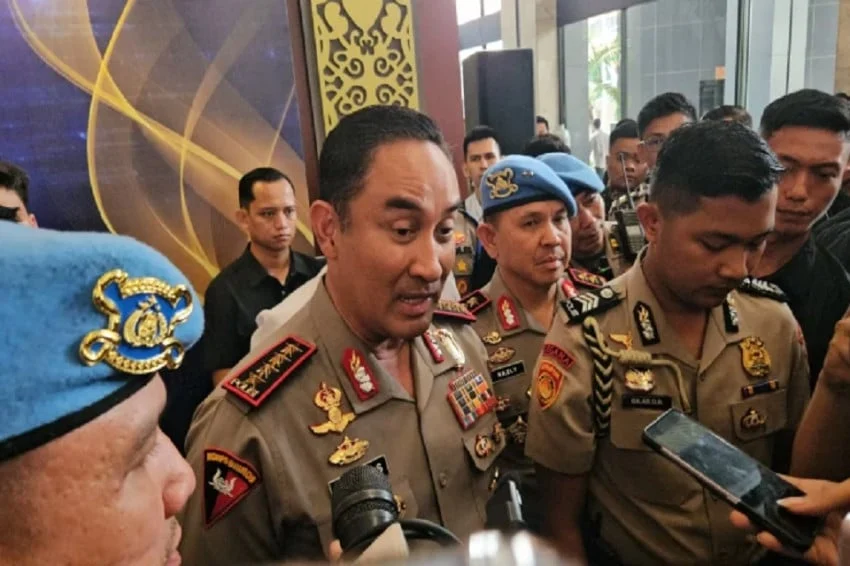
Addressing the media in Jakarta, Head of the Public Relations Division of the Indonesian National Police, Inspector General Johnny Eddizon Isir, emphasized that the sweeping personnel adjustments are a standard, healthy operational practice necessary for the long-term vitality of the institution. He noted that the primary objective of the mandate is to maintain organizational continuity while concurrently elevating the effectiveness of police duties in response to an ever-evolving criminal environment.
"This initiative also functions as an organizational refreshment effort designed to guarantee that the wheels of leadership and the execution of operational duties run at maximum efficiency, perfectly calibrated to the increasingly complex challenges facing police responsibilities," stated Inspector General Isir during his briefing in the capital.
The rationale articulated by the Public Relations Division underscores a proactive stance. Rather than reacting strictly to external pressures, Polri leadership utilizes routine administrative instruments like the Telegram Letter to optimize talent allocation. By systematically pairing seasoned investigators with high-demand administrative and operational directorates, the institution seeks to fortify its institutional memory and operational resilience.
Detailed Breakdown of Key Appointments Within Bareskrim Polri
The November 2026 directive introduces several notable personnel movements, bringing seasoned leadership to vital divisions within Bareskrim Polri and its cooperative agencies such as the National Narcotics Agency (BNN). Below is an overview of the key appointments and their former designations:
-
Inspector General of Police Krisno Halomoan Siregar
Former Assignment: High-Ranking Officer (Pati) within Bareskrim Polri.
New Assignment: Principal Policy Analyst for Drug-Related Crimes (Pidnarkoba) at Bareskrim Polri. This appointment places an experienced hand at the center of national narcotics policy analysis, ensuring that strategies against drug trafficking remain adaptive and evidence-based. -
Brigadier General of Police Johanes R Manalu
Former Assignment: Principal Police Lecturer, Class II, at the Police College (STIK) of the Education and Training Institute (Lemdiklat) Polri.
New Assignment: Principal Criminal Investigator, Class II, at Bareskrim Polri. Shifting from academic instruction to active frontline investigative oversight, Brigjen Pol Johanes brings theoretical rigor and educational expertise directly into complex casework. -
Brigadier General of Police Muhammad Firman
Former Assignment: Principal Police Instructor, Class II, at the Senior Police Staff School (Sespim) of Lemdiklat Polri.
New Assignment: Principal Criminal Investigator, Class II, at Bareskrim Polri. Similar to his peer, Brigjen Pol Muhammad Firman transitions from shaping future leaders in an instructional capacity to managing high-stakes criminal investigations. -
Brigadier General of Police Tommy Aria Dwianto
Former Assignment: Principal Policy Analyst for the National Central Bureau (NCB) Interpol within the International Relations Division (Divhubinter) Polri.
New Assignment: High-Ranking Officer (Pati) at Bareskrim Polri, assigned to the National Narcotics Agency (BNN). This cross-agency placement strengthens intelligence sharing and operational synergy between domestic investigative arms and specialized anti-narcotics bodies. -
Chief Commissioner of Police Riky Haznul
Former Assignment: Head of the Administrative and Investigative Documentation Bureau (Kabagmindik Rowassidik) at Bareskrim Polri.
New Assignment: Head of the Supervisory Bureau for Civil Servant Investigators (Karokorwas PPNS) Bareskrim Polri. Kombes Pol Riky takes over a critical supervisory role that coordinates regulatory compliance and investigative authorities among non-police civil servant investigators nationwide. -
Chief Commissioner of Police Andri Ananta Yudhistira
Former Assignment: Deputy Director for Special Economic Crimes (Wadirtipideksus) at Bareskrim Polri.
New Assignment: Head of the Administrative and Investigative Documentation Bureau (Kabagmindik Rowassidik) Bareskrim Polri. Moving from operational special crimes to administrative oversight, Kombes Pol Andri utilizes his extensive background in financial and economic crime investigations to streamline procedural documentation. -
Chief Commissioner of Police Ferdy Irawan
Former Assignment: Mid-Level Policy Analyst for Cybercrime (Pidsiber) at Bareskrim Polri.
New Assignment: Deputy Director for Special Economic Crimes (Wadirtipideksus) Bareskrim Polri. This promotion places an expert versed in the intricacies of digital and cyber-enabled financial crimes directly into the leadership structure guarding the nation’s economic stability. -
Chief Commissioner of Police Wawan Kristyanto
Former Assignment: Director of Vital Object Security (Dirpamobvit) for the East Java Regional Police (Polda Jatim).
New Assignment: Mid-Level Criminal Investigator, Class I, at Bareskrim Polri. Transitioning from regional asset security to national criminal investigations, Kombes Pol Wawan brings valuable field management experience to Bareskrim’s investigative ranks. -
Chief Commissioner of Police Aman Guntoro
Former Assignment: Mid-Level Policy Analyst for General Crimes (Pidum) at Bareskrim Polri.
New Assignment: Mid-Level Criminal Investigator, Class II, at Bareskrim Polri. His continued deployment within general crimes reinforces the bureau’s capacity to handle conventional yet complex public safety offenses.
Chronology of the November 2026 Reassignment Process
The issuance of Telegram Letter Number ST/2467/XI/KEP./2026 on November 2, 2026, represents the culmination of weeks of performance reviews, merit assessments, and deliberations conducted by the Police High-Level Promotion Council (Wanjakti). The chronology of events surrounding the structural changes unfolded systematically:
- Mid-October 2026: The Human Resources Division (Divisi SDM) of Polri compiles evaluation reports, retirement schedules, and career progression metrics for senior officers across regional commands and central bureaus.
- Late October 2026: Wanjakti convenes to review candidate suitability, balancing operational experience, academic credentials from Sespim and Lemdiklat, and past performance records in specialized task forces.
- November 2, 2026: Kapolri Jenderal Polisi Suyudi Ario Seto officially signs the comprehensive mutation decree encompassing 264 Pati and Pamen, including the 32 strategic appointments dedicated to Bareskrim Polri.
- November 3–6, 2026: Administrative handovers, notification of transfers, and initial briefing sessions are initiated across respective regional commands and central directorates.
- November 9, 2026: Public dissemination and official confirmation are reiterated by police leadership, highlighting the institutional objectives behind the widespread personnel changes.
Implications and Analytical Outlook on Law Enforcement Effectiveness
The integration of these 32 officers into Bareskrim Polri carries several notable implications for the trajectory of Indonesian law enforcement. First, the strategic placement of personnel with backgrounds in education and policy analysis—such as those originating from STIK and Sespim—signals a deliberate intent to elevate the intellectual rigor applied to criminal investigations. By bridging academic methodology with practical casework, Bareskrim aims to construct airtight legal dossiers that withstand judicial scrutiny and uphold the principles of due process.
Second, the reinforcement of specialized directorates, particularly within economic crimes, cybercrime supervision, and narcotics oversight, addresses areas of immediate national vulnerability. Financial engineering, transnational drug smuggling rings, and complex cyber-enabled frauds continue to challenge regulatory and enforcement frameworks. The elevation of officers like Kombes Pol Ferdy Irawan to Wadirtipideksus ensures that leadership within economic crime units possesses direct familiarity with modern digital financial architectures.
Finally, the broader context of 264 officers shifting roles across the national police force demonstrates a healthy pipeline of internal mobility. Notably, concurrent announcements highlighted instances of mid-ranking officers "breaking the star barrier"—achieving promotions to general ranks—following successful tours of duty. This upward mobility serves as a powerful motivational tool within the institutional culture, encouraging junior and mid-tier officers to maintain high standards of professionalism, integrity, and operational effectiveness.
As the newly appointed officers assume their respective desks and commence their duties following the November 2026 directive, public attention will naturally turn toward the tangible outcomes of their leadership. With sophisticated criminal methodologies constantly evolving, the structural adjustments executed under Jenderal Polisi Suyudi Ario Seto position Bareskrim Polri to confront these challenges with renewed vigor, strategic clarity, and enhanced institutional capability.