The political landscape in Indonesia remains under significant pressure as ongoing public dissatisfaction regarding Vice President Gibran Rakabuming Raka continues to escalate. Recent reports indicate that members of the younger generation, specifically Generation Z, have intensified their demands for the Vice President to voluntarily step down from his position. This movement, which has persisted throughout late 2026, aims to avoid the constitutional complexities of a formal impeachment process, urging the legislature to intervene should a voluntary resignation fail to materialize.
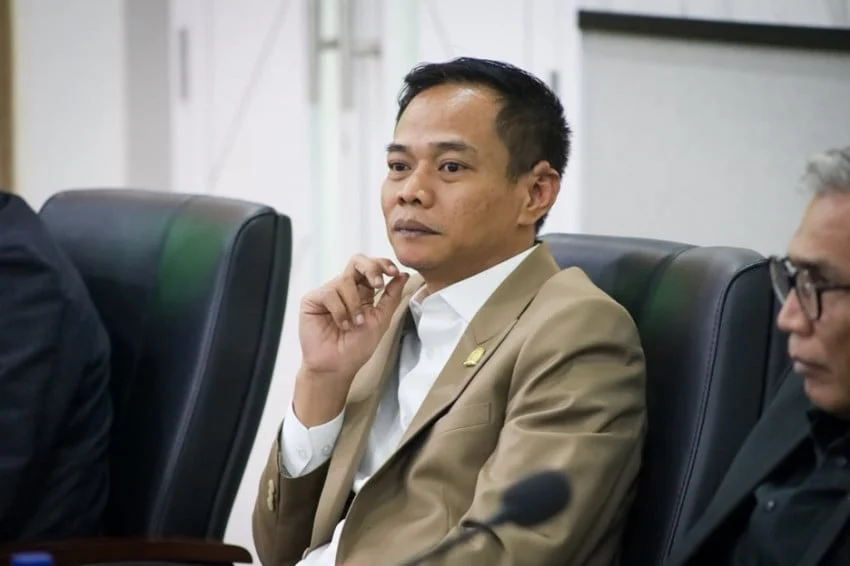
Eka Widodo, a member of the House of Representatives (DPR) representing the National Awakening Party (PKB), confirmed on Sunday, November 8, 2026, that he has been a consistent point of contact for youth activists seeking to channel their grievances. According to Widodo, colloquially known as Edo, the persistence of these demands reflects a deepening divide between a segment of the youth demographic and the current administration.
The Catalyst for Public Unrest
The grievances presented by Gen Z, as outlined by Widodo, are not isolated incidents but rather a culmination of legal and procedural controversies that have shadowed Gibran Rakabuming Raka since his nomination for the 2024 Presidential Election. The primary concerns center on the legitimacy of his candidacy and the subsequent procedural integrity of his election.
The Constitutional Court Ruling 90/PUU-XXI/2023
The focal point of the discontent is the Constitutional Court’s (MK) Decision Number 90/PUU-XXI/2023. This ruling effectively modified the age eligibility requirements for presidential and vice-presidential candidates, allowing individuals under the age of 40 to run if they have held or currently hold an elected regional leadership position. Critics, including various legal experts and civil society organizations, have long argued that this decision was a "judicial engineering" maneuver designed to clear the path for the president’s son. For many in the Gen Z demographic, this ruling represents a degradation of democratic standards and a departure from meritocratic principles.
The Question of Academic Credentials
The second pillar of the protest movement involves the public discourse surrounding the Vice President’s educational background. Gen Z activists have frequently cited concerns regarding the validity of credentials, alleging that official records have not sufficiently clarified the status of secondary education requirements. While these claims have been subject to various legal challenges in the past, the fact that they have resurfaced as a core demand for resignation suggests that the perceived lack of transparency remains a sensitive issue for the electorate.
Chronology of a Growing Movement
The trajectory of this movement can be traced back to the pre-election period in late 2023. The timeline of events highlights the persistent nature of the controversy:
- October 2023: The Constitutional Court issues Ruling 90/PUU-XXI/2023, causing immediate national outcry and debates regarding the independence of the judiciary.
- February 2024: The General Election concludes, confirming the victory of the Prabowo Subianto-Gibran Rakabuming Raka ticket.
- Mid-2024 to 2025: Various sporadic protests occur, with legal challenges filed by non-governmental organizations regarding the validity of the election process.
- Late 2025 to Early 2026: Discussions regarding the "ethical impeachment" of high-ranking officials gain traction, with youth-led organizations forming loose coalitions to demand greater accountability.
- November 2026: Public pressure reaches a new zenith, with legislators like Eka Widodo openly acknowledging the frequency of youth-led lobbying efforts for the Vice President’s resignation.
Legislative and Constitutional Implications
The demand for resignation brings the role of the DPR and the People’s Consultative Assembly (MPR) into sharp focus. Under the Indonesian Constitution, the impeachment of a President or Vice President is a rigorous, multi-stage process. It requires proof of specific violations, such as treason, corruption, bribery, or the commission of other serious crimes, or evidence that the official no longer meets the qualifications required by law.
Legal analysts note that while political pressure is a powerful tool for shaping public opinion, the threshold for a constitutional impeachment is exceptionally high. For the DPR to initiate such a process, there must be a consensus that goes beyond mere public dissatisfaction. However, the involvement of younger generations suggests that the political cost of maintaining the status quo may soon outweigh the benefits of shielding the Vice President from these allegations.
The Role of Generation Z in Indonesian Politics
Generation Z, which comprises a significant portion of Indonesia’s demographic bonus, has emerged as a formidable political force. Unlike previous generations that primarily interacted with politics through traditional party channels, Gen Z leverages social media and digital advocacy to create, sustain, and mobilize public opinion.
Their demand for Gibran’s resignation is part of a broader "good governance" narrative that emphasizes transparency and anti-nepotism. By directly lobbying representatives like Eka Widodo, these young activists are bypassing traditional lobbying routes, effectively forcing the legislative body to engage with their concerns on a public platform.
Expert Perspectives on the Impasse
Political scientists observing the situation suggest that the administration is currently in a "legitimacy trap." If the government ignores the demands, it risks further alienating a demographic that will be vital in future elections. If it yields to the pressure, it risks setting a precedent that could undermine the stability of the entire executive branch.
"The issue is not just about the person, but about the process," says an analyst familiar with constitutional law. "When the youth feel that the rules of the game were changed to favor a specific individual, the legitimacy of every policy enacted by that individual is called into question. This is a crisis of confidence, not just a crisis of personnel."
Official Responses and Future Outlook
While there has been no official statement from the Vice President’s office regarding the recent surge in these specific demands, the administration has consistently maintained that the election results were legally binding and validated by the constitutional authorities. The government maintains that the judiciary has already addressed these issues, and further debate is considered redundant by some coalition leaders.
However, the vocal stance of politicians like Eka Widodo indicates that the debate is far from over within the legislative halls. As the DPR prepares for upcoming sessions, the pressure from the youth movement will likely be a topic of informal discussion among party caucuses.
Broader Impact on National Stability
The ongoing campaign for the Vice President’s resignation serves as a litmus test for Indonesia’s democratic resilience. The capacity of the political system to address these grievances—either through transparent inquiry or through the established mechanisms of accountability—will determine the long-term relationship between the Indonesian government and its younger constituents.
As 2026 draws to a close, the situation remains fluid. The combination of historical grievances, unresolved constitutional questions, and the organized activism of Generation Z ensures that this topic will remain at the forefront of national discourse. Whether this leads to a formal impeachment process or remains a prolonged campaign of civil pressure, the message from the youth is clear: the demand for accountability is not a fleeting trend, but a sustained call for structural integrity in the nation’s highest offices.
For the legislative body, the challenge lies in balancing the maintenance of constitutional order with the need to respond to the legitimate concerns of a segment of the population that feels their democratic ideals have been sidelined. As the discourse continues, all eyes will be on whether the DPR will take formal action or if the executive branch will initiate a strategy to address the growing public demand for a change in leadership.