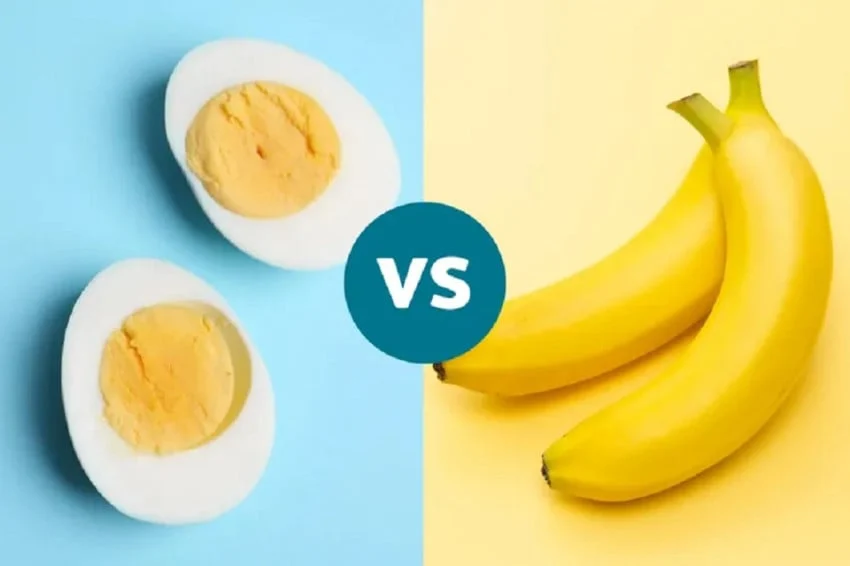
The global discourse surrounding the optimization of human nutrition frequently centers on the most fundamental meal of the day: breakfast. Among the myriad choices available to health-conscious consumers, simple, whole-food items consistently outperform highly processed alternatives in nutritional studies. Two staples that frequently appear on breakfast tables worldwide due to their accessibility, affordability, and nutrient density are the boiled egg and the banana. Both items require minimal preparation, making them ideal for individuals navigating fast-paced modern lifestyles. However, as dietary science increasingly focuses on preventative medicine—particularly the mitigation of cardiovascular diseases—nutritionists and researchers continually evaluate the specific physiological impacts of individual foods. When the primary health objective is the preservation of heart health, particularly regarding blood pressure regulation and lipid management, comparative nutritional analyses reveal distinct advantages. According to recent health insights adapted from nutritional literature and health publications such as Verywell Health, the banana holds a slight edge over the boiled egg specifically for cardiovascular maintenance, though both foods occupy essential roles in a balanced diet.
Understanding the nutritional profiles of these two widely consumed foods requires a granular examination of their macronutrient and micronutrient compositions. The boiled egg has long been heralded as the gold standard for high-biological-value protein. A single large boiled egg contains approximately six grams of protein, complete with all nine essential amino acids required by the human body for tissue repair, immune function, and muscle maintenance. Furthermore, eggs are rich in B-complex vitamins, particularly B12 and riboflavin, as well as fat-soluble vitamins such as vitamin D and choline, an essential nutrient critical for cognitive function and liver metabolism. For decades, however, the egg’s relationship with heart health was a subject of intense scientific debate due to its cholesterol content, with a single large yolk containing roughly 186 milligrams of dietary cholesterol. Modern epidemiological studies have largely demystified dietary cholesterol for the general population, indicating that saturated fats and trans fats have a far more detrimental impact on blood cholesterol levels than dietary cholesterol itself. Nevertheless, when evaluated strictly through the lens of cardiovascular protection—specifically blood pressure control—the boiled egg functions primarily as a structural and metabolic nutrient rather than a direct hemodynamic regulator.
Conversely, the banana approaches cardiovascular health through an entirely different biochemical mechanism. As a botanical berry, the banana is renowned globally for its high carbohydrate content, serving as an immediate source of clean energy fueled by natural sugars coupled with dietary fiber. More importantly, medium-sized bananas are celebrated powerhouses of potassium, an essential mineral and electrolyte that plays a monumental role in cardiovascular physiology. Potassium acts as a natural vasodilator and a counter-regulatory agent to sodium within the human body. When consumed, potassium assists the kidneys in filtering out excess sodium, subsequently excreting it via urine. Simultaneously, it relieves tension in the walls of blood vessels, facilitating smoother blood flow and contributing directly to the reduction of systemic arterial pressure. Furthermore, bananas contain dietary fiber, which binds to cholesterol in the digestive tract, aiding in its excretion and preventing its absorption into the bloodstream, thereby supporting healthy lipid profiles.
To fully comprehend why dietary choices like bananas and eggs are scrutinized in the context of modern cardiovascular health, it is vital to examine the broader epidemiological background surrounding heart disease. Cardiovascular disease (CVD) remains the leading cause of mortality globally, accounting for millions of deaths annually. Public health organizations, including the World Health Organization (organization details) and various national heart associations, consistently emphasize that primary prevention through dietary and lifestyle modification is the most effective defense against the escalating burden of CVD. Hypertension, commonly known as high blood pressure, is widely recognized as the single most significant modifiable risk factor for stroke, myocardial infarction, and chronic kidney disease. Consequently, population-wide strategies aimed at lowering blood pressure—such as reducing sodium intake and aggressively increasing dietary potassium—have become cornerstones of global nutritional guidelines. The historical trajectory of nutritional science over the past century has evolved from a simplistic focus on calorie counting and macronutrient distribution to a sophisticated understanding of how specific micronutrients, such as potassium, magnesium, and dietary fiber, actively modulate chronic disease pathways at the cellular level.
The chronology of dietary recommendations regarding breakfast foods has undergone significant transformation over the decades. In the mid-to-late twentieth century, dietary guidelines were heavily influenced by the lipid hypothesis, which posited that dietary cholesterol and total fat intake were the primary drivers of heart disease. During this era, eggs faced severe public stigmatization, leading many consumers to discard the nutrient-dense yolks or abandon eggs altogether in favor of processed, low-fat carbohydrate alternatives. Simultaneously, whole fruits like bananas were often viewed merely as sources of quick energy or cautioned against by low-carbohydrate proponents. As longitudinal studies advanced through the late 1990s and early 2000s, researchers gathered vast amounts of data demonstrating that whole foods must be evaluated holistically rather than demonized or praised based on isolated components. The paradigm shifted toward recognizing that natural foods contain complex matrices of synergistic compounds. By the 2010s, advisory committees for dietary guidelines began to soften restrictions on dietary cholesterol, refocusing public health messaging on the reduction of added sugars, refined grains, and excessive sodium, while championing potassium-rich whole foods like fruits, vegetables, legumes, and lean proteins.
Within the framework of modern nutritional science, quantitative data reinforces the specific cardiovascular benefits attributed to potassium-dense foods like bananas. According to data from health authorities and nutritional databases, a standard medium-sized banana provides roughly 400 to 450 milligrams of potassium, which constitutes approximately 10 to 12 percent of the recommended daily intake for adult males and females. Clinical trials evaluating the Dietary Approaches to Stop Hypertension (DASH) eating plan have consistently demonstrated that diets rich in potassium, calcium, and magnesium, coupled with low sodium consumption, can lower systolic blood pressure by several millimeters of mercury (mmHg) within just a few weeks of consistent adherence. On the physiological front, the sodium-potassium pump, an enzymatic mechanism operating across cell membranes, relies heavily on adequate extracellular and intracellular potassium balances to maintain normal cellular function and vascular tone. When dietary potassium is deficient, the body tends to retain sodium and water, leading to increased plasma volume and elevated blood pressure. Therefore, incorporating a banana into the daily breakfast routine provides a measurable, data-backed mechanism to help offset the typically high sodium loads found in modern, industrialized diets.
Concurrently, the nutritional data surrounding the boiled egg highlights its irreplaceable role in overall health, even if its direct impact on blood pressure is less pronounced than that of potassium sources. Beyond its high-quality protein content, the egg offers lutein and zeaxanthin, two powerful carotenoids that protect ocular health, as well as high concentrations of selenium and phosphorus. Nutritionists point out that while a banana excels in the mineral category for blood pressure management, the boiled egg provides satiety. High-protein breakfasts have been shown in numerous metabolic studies to stabilize blood sugar levels, reduce ghrelin (the hunger hormone) secretion, and prevent mid-morning energy crashes or the subsequent consumption of calorie-dense, sugary snacks. From a metabolic standpoint, stable blood sugar regulation is indirectly linked to cardiovascular health, as chronic glycemic variability and insulin resistance are major contributors to endothelial dysfunction and systemic inflammation, both of which accelerate atherosclerosis.
In the realm of professional dietary counseling, clinical dietitians and sports nutritionists emphasize that comparing a banana directly to a boiled egg is rarely an exercise in identifying a single "superior" food for an individual’s entire biology. Rather, it underscores the importance of nutritional synergy. Statements from leading nutritional epidemiologists indicate that optimal cardiovascular health is achieved through dietary patterns rather than isolated food choices. Dr. Elena Vance, a prominent researcher in cardiovascular nutrition at a leading metropolitan health institute, notes during clinical advisory sessions that focusing on a single food item misses the broader objective of dietary balance. "While bananas undeniably offer superior amounts of blood-pressure-regulating potassium and soluble fiber compared to eggs, viewing nutrition as a competition between individual items undermines the reality of how the human body processes nutrients," Dr. Vance explains. "A banana assists significantly with vascular relaxation and sodium excretion, whereas a boiled egg delivers essential amino acids and micronutrients that support cellular repair and metabolic stability. For the vast majority of healthy adults, the ideal breakfast does not require choosing one over the other; instead, integrating both into a balanced morning meal plan provides a comprehensive array of macro- and micronutrients."
The broader implications of these findings extend deeply into public health policy, consumer education, and the prevention of chronic non-communicable diseases. As healthcare systems globally face mounting financial pressures driven by the rising prevalence of hypertension, stroke, and heart failure, preventive nutrition has emerged as a primary frontier for intervention. Public health campaigns increasingly advocate for food-first approaches to chronic disease management, encouraging populations to substitute ultra-processed, sodium-laden convenience foods with whole, nutrient-dense alternatives like fresh fruits and minimally processed proteins. The simplicity of incorporating a banana and a boiled egg into the morning routine demonstrates that preventative cardiovascular care does not necessitate expensive supplements or complicated culinary preparations. By making accessible whole foods the cornerstone of the morning meal, individuals can proactively manage their blood pressure, support healthy lipid metabolism, and lay a robust foundation for long-term cardiovascular resilience. Ultimately, while the scientific data confirms that the banana holds a distinct advantage in the specific domain of blood pressure regulation due to its potassium and fiber content, the boiled egg remains an invaluable partner in metabolic health, proving that the most effective path to wellness lies in thoughtful, balanced nutritional integration.