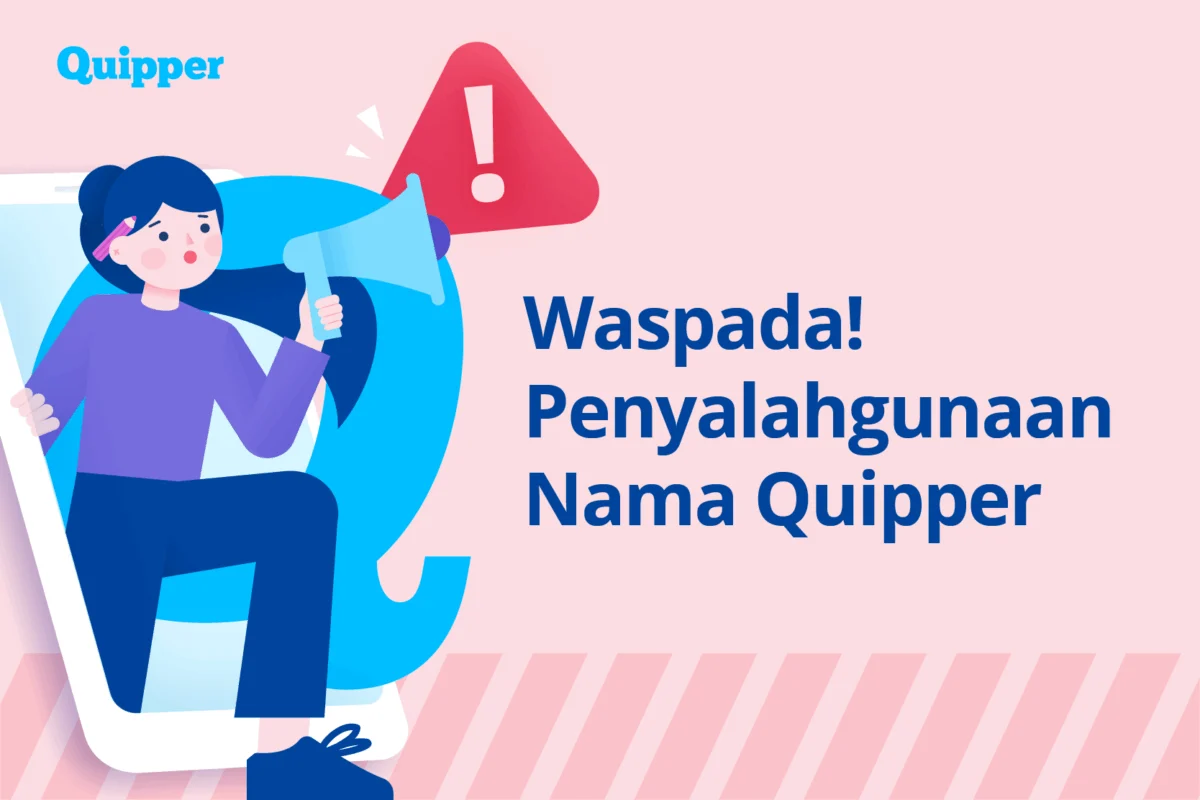
PT Quipper Edukasi Indonesia, a prominent provider of education technology services operating under the brand name Quipper, has issued a comprehensive public advisory aimed at protecting students, teachers, and the broader educational community from fraudulent activities. The official statement serves as a high-alert warning regarding the unauthorized use of the company’s name, logo, and corporate attributes by third parties. This move comes amid a rising trend of digital impersonation and social engineering scams targeting the education sector in Southeast Asia, particularly in Indonesia.
The advisory clarifies the official communication protocols of the organization and establishes a firm boundary between corporate operations and the personal financial activities of its affiliates. As digital platforms become the primary medium for educational delivery, the risk of "brand hijacking"—where scammers leverage the reputation of trusted entities to exploit unsuspecting users—has reached a critical level. PT Quipper Edukasi Indonesia’s proactive stance highlights the growing necessity for corporate vigilance in the digital age.
Verification of Official Communication Channels
A central pillar of Quipper’s advisory is the strict definition of its official communication channels. The company has emphasized that all legitimate correspondence from its employees, including members of the management team, is conducted exclusively through the corporate email domain: @quipper.com. This clarification is intended to mitigate the risks associated with phishing attacks, where scammers often use free email services or slightly altered domains to deceive users into sharing sensitive information or performing financial transactions.
In addition to email protocols, the company noted that its official contact points are managed internally and are explicitly listed on its verified platforms. By centralizing communication, Quipper aims to provide a "single source of truth" for its users. The advisory urges "Quipperians"—the term used for the platform’s community of students and educators—to perform due diligence and verify the identity of any individual claiming to represent the company before engaging in services or providing personal data.
Data Privacy and Compliance with National Regulations
The advisory also addresses the critical issue of personal data protection. In an era where data is a highly valued commodity for cybercriminals, PT Quipper Edukasi Indonesia reaffirmed its commitment to maintaining the confidentiality of user information. The company stated that it adheres to stringent data protection standards and will only share personal data with third parties after obtaining explicit, written consent from the data owner.
This stance aligns with Indonesia’s Law No. 27 of 2022 on Personal Data Protection (UU PDP), which mandates that data controllers implement robust security measures and respect the rights of data subjects. By publicly stating its commitment to written consent, Quipper is setting a high bar for transparency and accountability. Analysts suggest that such declarations are essential for maintaining user trust, especially in the edtech sector, where the primary users are minors and young adults who may be more vulnerable to data exploitation.
Disassociation from Financial Services and "Pinjol"
Perhaps the most significant aspect of the warning is Quipper’s explicit dissociation from the financial services sector. The company stated unequivocally that it is not involved in online lending (locally known as "pinjol"), investment schemes, or any form of fund distribution. This clarification is particularly timely given the current socio-economic landscape in Indonesia, which has seen a proliferation of illegal online lending platforms that often use aggressive and deceptive tactics.
Scammers have been known to impersonate reputable brands to offer "educational loans" or "investment opportunities" to parents and students. By clarifying that it does not participate in these activities, PT Quipper Edukasi Indonesia is shielding its brand from being used as a lure for predatory lending practices. The company’s statement serves as a definitive "no-fly zone" for any financial solicitations made in its name, providing users with a clear reason to reject such offers immediately.
Separation of Corporate and Personal Liability
The advisory further addresses the legal and ethical boundaries regarding the personal actions of its staff and management. PT Quipper Edukasi Indonesia has clarified that any personal financial dealings, including private loans or individual business transactions conducted by employees or any other parties, are the sole responsibility of the individuals involved.
The company stated that it bears no responsibility for the risks or consequences arising from the personal activities of its affiliates. This separation is a standard but vital legal protection that prevents the corporation from being held liable for private disputes. It also serves as a warning to creditors and third parties that the corporate entity does not guarantee or endorse the private financial obligations of its personnel.
Legal Recourse and Enforcement
To deter potential fraudsters, PT Quipper Edukasi Indonesia has indicated its readiness to take legal action. The advisory notes that the company will handle cases of fraud or the unauthorized use of its name and attributes through formal legal channels. This includes potential civil and criminal litigation against entities or individuals who damage the company’s reputation or victimize its users.
The threat of legal action is a necessary component of brand protection. By signaling its intent to involve law enforcement, Quipper is demonstrating that brand misuse is not merely a violation of company policy but a breach of the law that will be met with serious consequences. This legal posture is intended to provide an additional layer of security for the company’s stakeholders.
The Context of EdTech Scams in Indonesia
The rise of educational technology (EdTech) in Indonesia was accelerated significantly by the COVID-19 pandemic, which forced millions of students into remote learning environments. While this digital shift opened new avenues for learning, it also expanded the "attack surface" for cybercriminals. According to various cybersecurity reports, the education sector globally has become a prime target for ransomware, phishing, and identity theft.
In the Indonesian context, the threat is compounded by varying levels of digital literacy. Many students and parents may not be fully aware of the sophisticated methods used by scammers, such as "spoofing" (imitating a trusted sender) or "brandjacking." Quipper’s decision to issue this warning is a reflection of the broader industry need to educate consumers not just on academic subjects, but on digital safety and skepticism.
Broader Implications for the EdTech Industry
The challenges faced by Quipper are not unique; other major EdTech players in the region have faced similar issues with brand impersonation. This advisory highlights a broader trend where tech companies must transition from being mere service providers to becoming active guardians of their digital ecosystems.
The implications of brand misuse are far-reaching. Beyond the immediate financial loss to victims, such scams can erode the trust that is fundamental to the teacher-student-platform relationship. If users feel that a platform is a gateway for scams, they are less likely to engage with the educational content, thereby undermining the primary mission of the organization. Quipper’s proactive communication is a strategic attempt to preserve this trust and ensure that the platform remains a safe space for learning.
Recommendations for Users and Stakeholders
In light of the advisory, PT Quipper Edukasi Indonesia has provided a set of actionable recommendations for its users:
- Always Verify Domains: Before responding to an email, check that the sender’s address ends exactly in @quipper.com. Be wary of variations like @quipper-support.com or @quipper.id.net.
- Ignore Financial Solicitations: Treat any request for money, investment, or loan participation that claims to be from Quipper as a high-risk scam.
- Protect Personal Data: Do not share National Identity Numbers (NIK), bank details, or passwords with anyone claiming to represent Quipper unless through the official, encrypted platform interface.
- Report Suspicious Activity: Users are encouraged to report any suspicious messages or websites to Quipper’s official customer service channels immediately.
Commitment to Stakeholder Security
The advisory concludes with a reaffirmation of the company’s commitment to its community. PT Quipper Edukasi Indonesia emphasizes that the security of its customers and employees is a top priority. By maintaining transparency and providing clear guidelines, the company aims to foster a secure environment where technology serves as a tool for empowerment rather than a liability.
The company’s management has expressed that they will continue to monitor the situation closely and update their security protocols as new threats emerge. This ongoing vigilance is part of a larger corporate social responsibility to ensure that the digital transformation of education in Indonesia is both inclusive and secure. As the EdTech landscape continues to evolve, the lessons learned from Quipper’s defensive measures will likely serve as a blueprint for other organizations striving to protect their brands and their users in an increasingly complex digital world.