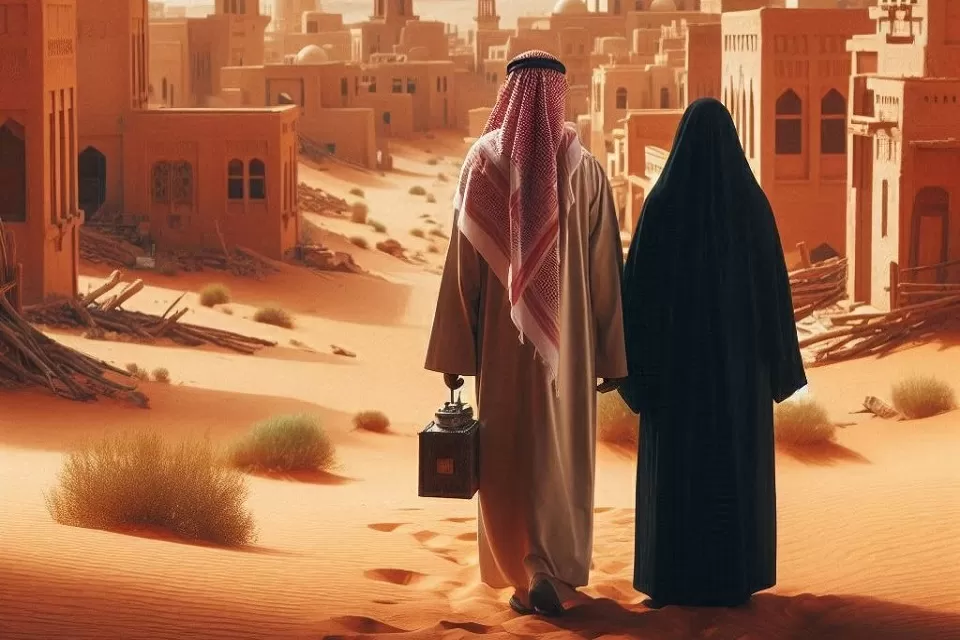
Marriage, known as aqad nikah in Islamic jurisprudence, stands as a fundamental human inclination (fitrah insaniyah) and a sacred institution within Islam, serving as the legitimate and divinely sanctioned pathway to fulfill natural human needs for companionship, procreation, and emotional stability. This sacred bond, far from being merely a social contract, is deeply rooted in Islamic teachings, with comprehensive guidance provided through the Quran and the authentic traditions (Hadith) of Prophet Muhammad (peace be upon him). These prophetic narrations illuminate the profound wisdom, ethical frameworks, and practical steps associated with forming and maintaining a blessed marital union, steering believers away from practices deemed impure or forbidden.
The Foundational Importance of Marriage in Islam
At its core, Islam views marriage as an act of worship (ibadah), a means to attain spiritual completion, and a cornerstone of societal well-being. The concept of fitrah underscores that the desire for a partner, family, and progeny is inherent in human nature, a design from the Creator. By channeling this natural inclination through the sacred institution of nikah, Islam ensures moral purity, societal order, and the preservation of lineage. The Quran itself articulates the profound purpose of marriage, stating in Surah Ar-Rum (30:21): "And of His signs is that He created for you from yourselves mates that you may find tranquility in them; and He placed between you affection and mercy. Indeed in that are signs for a people who give thought." This verse encapsulates the spiritual, emotional, and psychological benefits inherent in a righteous marriage.
Islamic scholars universally affirm that marriage is highly encouraged, even considered sunnah mu’akkadah (emphasized practice) of the Prophet Muhammad (PBUH). It provides a framework for mutual respect, responsibility, and love, fostering an environment where individuals can grow spiritually and contribute positively to society by raising righteous offspring. The alternative paths, such as illicit relationships, are strictly forbidden, as they lead to moral decay, societal instability, and spiritual harm.
Prophetic Guidance: Encouragement and Practical Wisdom
The Hadith literature offers detailed insights into various aspects of marriage, from the initial intention to its successful continuation. These narrations serve as timeless principles for Muslims across generations.
1. The Call to Marriage and Managing Desires:
Prophet Muhammad (PBUH) actively encouraged marriage, particularly for the youth who possess the capacity to undertake its responsibilities. Abdullah Ibnu Mas’ud (Radliyallaahu ‘anhu) narrated: "The Messenger of Allah (PBUH) said to us: ‘O young people, whoever among you can afford to marry, let him marry, for it helps him lower his gaze and guard his chastity. And whoever cannot afford to do so, let him fast, for it will be a shield for him.’" (Muttafaq Alaihi).
This Hadith highlights two crucial aspects: the proactive step of marriage for those capable and a practical alternative for those who are not. "Capability" here extends beyond mere financial means to include emotional maturity, physical readiness, and the ability to fulfill marital duties. Marriage, in this context, is presented as a powerful deterrent against unlawful desires and a safeguard for one’s modesty and moral integrity. For those facing economic or other constraints, fasting is prescribed not merely as an act of worship, but as a spiritual and physical discipline that helps curb desires and strengthens self-control. This guidance provides a balanced approach, acknowledging human nature while providing pathways for spiritual and moral development.
2. Marriage as an Integral Part of the Prophetic Tradition:
The Prophet (PBUH) not only advocated for marriage but also exemplified it as an essential component of his way of life. Anas Ibnu Malik (Radliyallaahu ‘anhu) reported that after praising Allah, the Prophet (PBUH) declared: "But I pray, sleep, fast, break my fast, and marry women. Whoever turns away from my Sunnah is not from me." (Muttafaq Alaihi).
This powerful statement underscores that marriage is not an optional or secondary aspect of Islamic practice but an integral part of the Prophet’s sunnah. It rejects asceticism or monasticism that shuns worldly life, including marriage, in favor of an unbalanced spiritual devotion. By marrying, the Prophet (PBUH) demonstrated that a Muslim can engage fully with worldly life, fulfilling natural human needs, raising a family, and contributing to society, all while maintaining profound spiritual connection and devotion to Allah. To reject marriage without valid reason is to deviate from this holistic path.
3. The Purpose of Procreation and Selection Criteria:
Marriage in Islam is not solely for individual gratification but also for the perpetuation of humanity and the growth of the Muslim ummah. Anas Ibnu Malik (Radliyallaahu ‘anhu) stated that the Messenger of Allah (PBUH) commanded us to marry and strongly forbade celibacy. He said: "Marry the affectionate and fertile women, for I shall boast of your large numbers before the other Prophets on the Day of Resurrection." (Riwayat Ahmad, Hadith sahih according to Ibnu Hibban).
This Hadith emphasizes the importance of choosing a spouse who is both loving (wadud) and fertile (walud), indicating the significance of a harmonious family life and the continuation of progeny. The Prophet’s desire to "boast of your large numbers" signifies the value placed on a thriving Muslim community, not merely in quantity but in the quality of its members who uphold Islamic values.
Complementing this, Abu Hurairah (Radliyallaahu ‘anhu) narrated that the Prophet (PBUH) said: "Women are married for four things: for her wealth, for her lineage, for her beauty, and for her religion. So choose the religious woman, and you will prosper." (Muttafaq Alaihi and Imam Lima).
This Hadith acknowledges the various considerations people have when choosing a spouse but emphatically directs believers to prioritize piety and religious commitment. While wealth, lineage, and beauty may be attractive, they are transient. A spouse with strong religious character contributes to a stable home, raises children with Islamic values, and provides enduring support and guidance, leading to true happiness and success in both this life and the hereafter. This counsel serves as a crucial guiding principle in an age often preoccupied with superficial attributes.
4. Pre-Marital Due Diligence and Ethical Conduct:
Islam encourages a pragmatic approach to marriage, emphasizing mutual acceptance and avoiding potential discord. Jabir (Radliyallaahu ‘anhu) reported that the Messenger of Allah (PBUH) said: "If one of you proposes to a woman, if he can look at that part of her which would encourage him to marry her, let him do so." (Riwayat Ahmad and Abu Dawud, sahih according to Hakim).
This emphasizes the importance of nazar (looking at the prospective spouse) before marriage. It is a practical step to ensure that both parties are physically and aesthetically compatible, fostering a greater likelihood of attraction and contentment within the marriage. This open approach, while maintaining modesty, prevents marriages based solely on external pressures or without genuine personal acceptance. Supporting this, Abu Hurairah (Radliyallaahu ‘anhu) narrated that the Prophet (PBUH) once asked a man who intended to marry a woman, "Have you seen her?" The man replied, "No." The Prophet (PBUH) then advised, "Go and look at her." (Riwayat Muslim). This further solidifies the principle of mutual sight before commitment.
Furthermore, Islamic ethics prohibit interfering with another’s marriage proposal to maintain respect and avoid causing strife. Ibnu Umar (Radliyallaahu ‘anhu) reported that the Messenger of Allah (PBUH) said: "No one among you should propose marriage to a woman who is already engaged to his brother, unless the first suitor leaves or gives permission." (Muttafaq Alaihi, Bukhari’s wording). This Hadith establishes a clear ethical boundary, promoting harmony and discouraging competitive or deceitful actions in the pursuit of marriage.
5. The Public Announcement and Blessings for the Couple:
Marriage in Islam is not a clandestine affair but a public declaration, fostering community awareness and support. Amir Ibnu Abdullah Ibnu al-Zubair, from his father (Radliyallaahu ‘anhu), narrated that the Messenger of Allah (PBUH) said: "Publicize the marriage." (Riwayat Ahmad, sahih according to Hakim).
Publicizing the marriage through feasts (walimah) and announcements distinguishes it from illicit relationships and ensures community recognition and acceptance. It serves to protect the reputation of the spouses and their future offspring, preventing rumors and doubt.
Upon the solemnization of marriage, the Prophet (PBUH) taught a beautiful supplication for the newlyweds, invoking divine blessings. Abu Hurairah (Radliyallaahu ‘anhu) narrated that when the Prophet (PBUH) would supplicate for someone who got married, he would say: "May Allah bless you and bestow His blessings upon you, and unite you both in goodness." (Riwayat Ahmad and Imam Empat, sahih according to Tirmidzi, Ibnu Khuzaimah, and Ibnu Hibban). This dua is a profound expression of hope for divine grace, harmony, and enduring goodness in the couple’s life together, emphasizing that true success in marriage comes from Allah’s blessings.
Objectives and Broader Implications of Islamic Marriage
Beyond individual fulfillment, the institution of marriage in Islam serves several critical objectives with far-reaching societal implications:
- Procreation and Preservation of Lineage: A primary goal of marriage is to perpetuate the human species and preserve the purity of lineage. This ensures the continuity of generations and the healthy growth of the Muslim ummah, fostering a sense of identity and heritage.
- Moral and Social Stability: Marriage acts as a bulwark against promiscuity and moral decay. By providing a legitimate avenue for fulfilling natural desires, it safeguards individuals from unlawful relationships (zina), which are detrimental to individual well-being and societal fabric.
- Emotional and Psychological Tranquility: The Quran highlights that spouses are a source of tranquility, love, and mercy for each other. This emotional bond provides stability, support, and companionship, crucial for mental and emotional health.
- Spiritual Growth: Marriage is often described as completing half of one’s deen (religion), as it helps individuals guard against sin and focus on their spiritual journey. It presents opportunities for patience, sacrifice, and mutual support in worship and good deeds.
- Formation of Family Units: The family is the basic unit of society. A stable marriage forms a strong family, which is essential for nurturing children, instilling values, and contributing to the overall strength and cohesion of the community.
Contemporary Relevance and Scholarly Perspectives
In the modern era, where societal norms are constantly evolving and the institution of marriage faces numerous challenges, the prophetic guidance remains remarkably relevant. Rising divorce rates, delayed marriages, and increasing individualism in many societies underscore the timeless wisdom of Islamic teachings. Islamic scholars globally continue to emphasize the importance of adhering to these Hadiths, adapting their interpretations to contemporary contexts without compromising core principles. Institutions like Al-Azhar, various fatwa councils, and leading Islamic universities consistently issue guidance reiterating the sanctity and practical benefits of nikah.
Recent trends indicate a growing interest among young Muslims in understanding the Islamic framework for marriage, seeking to build unions based on faith, mutual respect, and prophetic traditions. While cultural pressures, such as exorbitant dowries or elaborate wedding ceremonies, can sometimes overshadow the spiritual essence, educational initiatives are working to re-center the focus on the true objectives of marriage as taught by Islam. Statistics, though varied by region, generally show that marriage remains the predominant form of union in Muslim-majority countries, underscoring its enduring cultural and religious significance. The emphasis on choosing a religious spouse, as highlighted in Hadith 4, is particularly pertinent in an age where materialistic values often dominate decision-making, reminding believers that true happiness stems from a shared commitment to faith.
Conclusion
The collection of Hadith pertaining to marriage offers a holistic and profound framework for Muslims. From the initial encouragement to marry, the meticulous selection of a spouse, the ethical conduct during engagement, to the public declaration of the union and the invocation of divine blessings, every step is imbued with spiritual significance and practical wisdom. Marriage in Islam is a journey of faith, love, and responsibility, designed to bring tranquility to individuals, purity to society, and the blessings of Allah. By embracing these prophetic traditions, Muslims are guided to build strong, righteous families that serve as pillars of a thriving and morally upright community, fulfilling the divine purpose of existence.