Jakarta, Indonesia – Toyota Motor Manufacturing Indonesia (TMMIN) has significantly expanded its vocational education enhancement program by reaching the island of Lombok in West Nusa Tenggara (NTB). This latest initiative sees the automotive giant donating two crucial vehicle engines as practical learning tools for students at two vocational high schools. The donation aims to bolster the technical skills of future automotive professionals and bridge the gap between academic learning and industry demands.
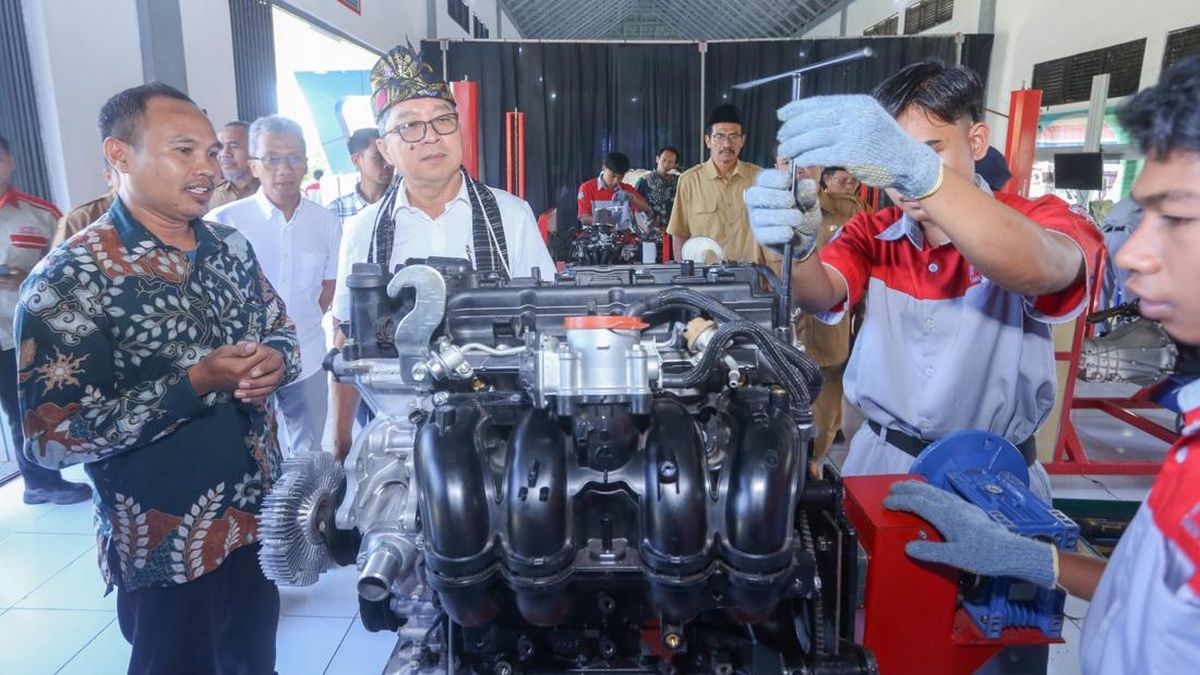
The impactful contribution was directed to two institutions: SMKN 1 Jonggat in Central Lombok and SMKN 2 Kuripan in West Lombok. Each school received a specific Toyota engine unit. SMKN 1 Jonggat was equipped with a gasoline engine, the 2TR model, while SMKN 2 Kuripan received a diesel engine, the 2GD model. These engines are not merely static displays; they are intended to serve as vital hands-on learning resources and teaching aids, providing students with direct experience in understanding and working with modern automotive technology.
The strategic expansion into Lombok signifies TMMIN’s commitment to fostering a skilled workforce across Indonesia, moving beyond its established programs on Java. This move is a testament to the company’s understanding that developing high-quality vocational education requires a collaborative effort, actively involving industry players in the educational ecosystem.
Bridging the Gap: Industry-Academia Collaboration for Skill Development
Nandi Julyanto, President of TMMIN, articulated the company’s vision behind this educational outreach during the handover ceremony. "This step may seem simple, but we hope it can become a part of their journey to grow, to work, and to contribute in their respective regions," Julyanto stated. This sentiment underscores TMMIN’s long-term perspective, viewing these donations as investments in the future potential of young individuals and their communities.
This initiative is a core component of TMMIN’s Corporate Social Responsibility (CSR) in the education sector. By providing up-to-date practical tools, the company aims to enhance students’ technical competencies through learning experiences that closely mirror real-world industrial environments. This practical exposure is crucial for ensuring that graduates possess the skills and knowledge that are directly applicable and highly valued by the automotive industry.
Beyond the direct donation of engines, TMMIN’s commitment to vocational education is further demonstrated through its broader "Vocational School Development" program. This program is implemented in a network of TMMIN-supported schools and encompasses a multi-faceted approach to curriculum enhancement and pedagogical improvement.
A Comprehensive Approach to Vocational Excellence
The "Vocational School Development" program is designed to create a holistic learning environment that aligns educational outcomes with industry needs. Key elements of this program include:
- Industry-Based Curriculum Development: TMMIN collaborates with educational institutions to review and update curricula, ensuring that the subjects taught and the skills emphasized are relevant to current and future industry trends. This often involves incorporating new technologies, diagnostic procedures, and safety protocols that are standard in automotive workshops and manufacturing facilities.
- Provision of Learning Aids: Complementing the engine donations, the program also focuses on providing other essential learning aids and equipment that facilitate practical training. This could range from diagnostic tools and specialized equipment to simulation software, all designed to enrich the learning experience.
- Implementation of Industrial Work Culture: A significant aspect of the program is the introduction and reinforcement of an industrial work culture within the school environment. This involves instilling values such as punctuality, discipline, teamwork, problem-solving, and a strong emphasis on quality and safety – principles that are fundamental to success in any professional setting, particularly in manufacturing and automotive services.
Julyanto further emphasized the symbiotic relationship between education and industry in shaping competitive graduates. "Schools prepare their competencies, and industry helps to shape them. TMMIN wants to be part of that process," he remarked in a written statement. This philosophy highlights TMMIN’s role not just as a donor but as an active partner in the development of human capital.
A Legacy of Educational Support and Future Aspirations
Prior to its expansion into Lombok, TMMIN’s vocational education programs had already made a substantial impact across Java. The company supports a network of 29 vocational high schools spread throughout the island, demonstrating a sustained commitment to nurturing talent nationwide. The recent outreach to NTB represents a strategic deepening of these efforts, aiming to broaden access to learning facilities that are closely aligned with the evolving demands of the automotive sector.
The expansion into NTB is particularly significant given the region’s growing economic development and its potential as a future hub for various industries. By investing in vocational education in Lombok, TMMIN is not only contributing to the local economy but also empowering young individuals with employable skills, potentially reducing the need for them to seek opportunities elsewhere. This can lead to a more balanced distribution of skilled labor across the archipelago.
The implications of such programs are far-reaching. A well-trained pool of automotive technicians and engineers is vital for the growth of the automotive sector, supporting everything from vehicle maintenance and repair to manufacturing and innovation. Furthermore, skilled individuals contribute to local economic growth through employment and entrepreneurship.
Data and Context: The Importance of Vocational Training in Indonesia
Indonesia’s vocational education system plays a critical role in addressing the country’s significant demand for skilled labor. As of recent reports, Indonesia faces a substantial skills gap across various sectors, including manufacturing and automotive. Vocational high schools (Sekolah Menengah Kejuruan – SMK) are intended to be the primary pipeline for equipping young people with practical skills for immediate entry into the workforce.
However, challenges persist. Many vocational schools struggle with outdated equipment, insufficient industry-relevant curricula, and a lack of qualified instructors. This is where the involvement of industry partners like TMMIN becomes invaluable. Their contributions provide:
- Access to Modern Technology: Donated engines and training equipment expose students to the same technologies they will encounter in their professional careers, making their transition from school to work smoother.
- Industry-Relevant Curriculum Input: Industry partners can provide critical feedback on curriculum design, ensuring that it remains aligned with the rapidly evolving technological landscape of the automotive industry.
- Enhanced Employability: Students who benefit from such programs often possess a competitive edge in the job market due to their practical experience and exposure to industry standards.
The Indonesian government has also been actively promoting vocational education reforms. Initiatives such as the "Link and Match" policy, which aims to align vocational education with industry needs, underscore the national importance of this sector. TMMIN’s program aligns perfectly with these national objectives, serving as a model for effective industry-academia partnerships.
The specific models of engines donated—the 2TR gasoline and 2GD diesel—are widely used in Toyota vehicles available in the Indonesian market. This ensures that the practical training students receive is directly applicable to a significant portion of the vehicles they will encounter in their professional lives. The 2TR engine is known for its robustness and versatility, often found in light commercial vehicles and SUVs, while the 2GD is a modern diesel engine known for its fuel efficiency and power, commonly used in pickups and commercial vans. Understanding these specific engine types provides students with valuable, practical knowledge.
Broader Impact and Future Outlook
The expansion of TMMIN’s program to Lombok is more than just a corporate donation; it is a strategic investment in the nation’s human capital. By empowering vocational students with modern tools and industry-aligned learning, TMMIN contributes to:
- Economic Empowerment: Equipping young individuals with marketable skills can lead to better employment opportunities and higher earning potential, contributing to poverty reduction and economic upliftment in their communities.
- Industry Growth: A skilled workforce is a prerequisite for the growth and competitiveness of the automotive sector and related industries. This can attract further investment and foster innovation.
- Regional Development: By strengthening educational infrastructure and human capital in regions like NTB, TMMIN supports more balanced national development, reducing the disparity between urban and rural economic opportunities.
The success of TMMIN’s vocational education programs, demonstrated by their long-standing presence in Java and now their expansion to NTB, highlights the critical role of private sector engagement in public education. As the automotive industry continues its rapid technological evolution, driven by electrification and advanced manufacturing, the need for continuous learning and adaptation in vocational training will only increase. TMMIN’s proactive approach suggests a commitment to staying ahead of these trends and ensuring that the next generation of automotive professionals is well-prepared for the future. The company’s continued investment in these programs is likely to yield significant positive outcomes for both the students and the broader Indonesian economy.