The Indonesian government, under the leadership of President Prabowo Subianto, has officially set a strategic timeline for a major overhaul of the national social assistance distribution system. Coordinating Minister for Food Affairs, Zulkifli Hasan, announced that the government aims to begin the centralized distribution of social assistance (Bansos) through the newly established Merah Putih Village and Sub-district Cooperatives (Kopdes/KDMP) by September 2026. This move represents a significant shift in how the state manages its social safety net, transitioning from traditional banking and postal channels to a community-based cooperative model intended to stimulate local economies while ensuring more targeted delivery.
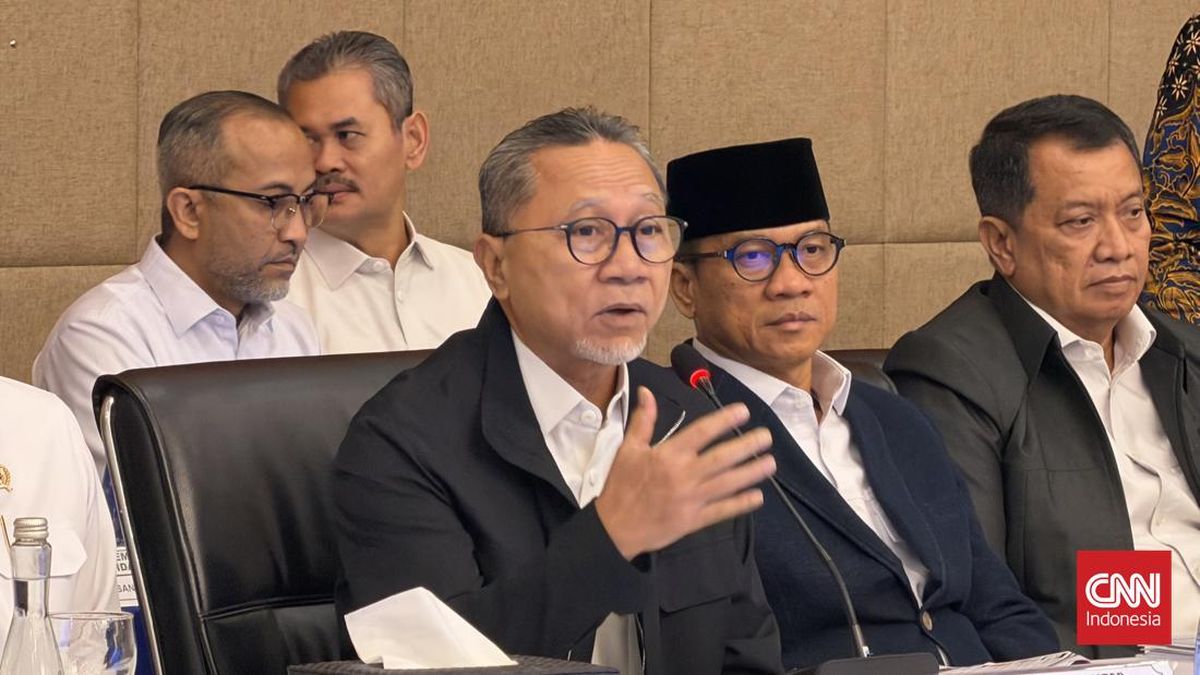
The announcement followed a high-level limited cabinet meeting presided over by President Prabowo Subianto at the Presidential Palace in Jakarta on Thursday. The meeting, which lasted approximately three and a half hours, focused on the structural and regulatory framework required to empower village-level cooperatives as the primary vehicles for government intervention programs. Zulkifli Hasan, popularly known as Zulhas, emphasized that the September 2026 target is a calculated milestone, allowing the government sufficient time to establish the necessary infrastructure and legal safeguards.
Strategic Roadmap and the 25,000 Cooperative Milestone
According to Minister Zulkifli Hasan, the initial phase of this nationwide rollout targets the operational readiness of 25,000 Merah Putih Village Cooperatives. These entities are envisioned not merely as distribution points but as economic hubs that can manage various government-led initiatives, ranging from food security programs to direct cash transfers. By centralizing social assistance through these cooperatives, the administration hopes to reduce the logistical complexities and administrative leakages that have occasionally plagued previous distribution methods.
"Our projection is that by September 2026, we will have 25,000 of these cooperatives fully operational and ready to facilitate the distribution of government aid," Zulkifli Hasan stated following the meeting. He further clarified that the long-term vision involves channeling all forms of government assistance—whether in the form of food commodities, subsidies, or cash—directly through these village-level institutions. This centralization is expected to provide the government with a more granular view of aid efficacy and recipient data, while simultaneously providing the cooperatives with the capital and traffic needed to become self-sustaining economic actors.
The meeting at the Presidential Palace saw the attendance of several key cabinet members and agency heads, signaling the cross-sectoral nature of the initiative. Among those present were Minister of Cooperatives Ferry Juliantono, Coordinating Minister for People’s Empowerment Muhaimin Iskandar, Coordinating Minister for Human Development and Cultural Affairs Pratikno, and the Head of the State-Owned Enterprises Management Agency (BP BUMN), Donny Oskaria. The presence of financial and social welfare officials highlights the complexity of merging social policy with cooperative-based economic development.
Regulatory Framework and Governance
A critical component of the government’s strategy is the creation of a robust legal foundation to govern the Merah Putih Village Cooperatives. Minister Zulkifli Hasan revealed that the government is currently fast-tracking the drafting of a Presidential Regulation (Perpres) that will outline the governance, funding, and operational mandates of these cooperatives. The regulation is expected to be finalized within the week, providing a clear roadmap for provincial and district governments to begin the formation and revitalization of village-level cooperative entities.
The upcoming Presidential Regulation is expected to address several key areas:
- Accountability and Transparency: Establishing digital reporting mechanisms to ensure that every rupiah and every kilogram of food aid distributed through the cooperatives is accounted for in real-time.
- Membership and Management: Defining the criteria for cooperative management to prevent local political interference and ensure professional administration.
- Integration with Existing Systems: Harmonizing the cooperative distribution model with the existing Integrated Social Welfare Data (DTKS) managed by the Ministry of Social Affairs.
- Capitalization: Providing the initial stimulus or working capital for villages to set up these "Merah Putih" branded cooperatives.
President Prabowo Subianto has reportedly instructed all relevant ministries to provide full support to the Ministry of Cooperatives and the Coordinating Ministry for Food Affairs to ensure that the transition does not disrupt the ongoing delivery of aid to vulnerable populations. The 3.5-hour duration of the meeting suggests a deep dive into the technicalities of this transition, particularly regarding the readiness of village infrastructure and the digital literacy of local cooperative managers.
Contextualizing the Shift: From Banks to Cooperatives
For years, Indonesia has relied on a combination of the state-owned postal service (PT Pos Indonesia) and the Association of State-Owned Banks (Himbara) to distribute social assistance. While this system has been effective in reaching millions, it often faces challenges in remote areas where banking infrastructure is sparse. Furthermore, the "top-down" nature of bank-led distribution does little to circulate wealth within the village economy itself.
By shifting the mandate to village cooperatives, the Prabowo administration is betting on a "bottom-up" economic philosophy. The Merah Putih Village Cooperatives are intended to act as the "economic backbone" of rural Indonesia. When social assistance is channeled through a local cooperative, the administrative fees, logistical requirements, and procurement needs can potentially be sourced from within the village or neighboring areas. This creates a multiplier effect, where government spending on social welfare also serves as a catalyst for local business growth.
This policy aligns with President Prabowo’s broader "Asta Cita" (Eight Aspirations) vision, which emphasizes self-sufficiency in food and energy while strengthening the economy from the village level upward. The branding of "Merah Putih" (Red and White) further underscores the nationalist and populist undertones of the initiative, positioning the cooperatives as a patriotic endeavor to eliminate poverty and achieve social justice.
Potential Impact and Logistical Challenges
While the target of 25,000 cooperatives by 2026 is ambitious, industry analysts point to several hurdles that the government must overcome. Indonesia has over 83,000 villages and sub-districts; thus, the initial 25,000 represents roughly 30% of the country’s administrative divisions. Scaling this model to the entire archipelago will require massive investments in human capital and digital connectivity.
1. Digital Infrastructure: For the centralized distribution to work, every cooperative will need a reliable internet connection and access to a centralized government dashboard. In many "3T" regions (frontier, outermost, and disadvantaged), this remains a significant barrier.
2. Human Resource Capability: Managing a cooperative that handles billions of rupiah in government aid requires high-level financial literacy and integrity. The government will need to launch a massive training program for village youth and community leaders to ensure these cooperatives are not mismanaged.
3. Risk of Politicization: There are concerns that village-level cooperatives could be influenced by local elites or village heads (Kepala Desa). The Presidential Regulation must include strict anti-corruption measures and independent auditing to maintain public trust.
4. Supply Chain Management: Since the cooperatives will also handle food aid (as part of the food security mandate under Zulhas), the government must ensure a seamless supply chain from state procurement agencies like Bulog to the individual village cooperatives.
Broader Implications for Food Security and Poverty Alleviation
The involvement of the Coordinating Minister for Food Affairs in this social assistance scheme is a tell-tale sign of the government’s intent to link welfare with food production. Under the new cabinet structure, the food ministry is tasked with ensuring that Indonesia reaches "food sovereignty." By using cooperatives to distribute food-based aid, the government can create a direct link between local farmers and the social assistance market.
For example, a Merah Putih Village Cooperative could potentially procure rice or eggs from local farmers to be distributed as part of the government’s nutrition programs. This would eliminate several layers of middlemen, providing better prices for farmers and fresher produce for aid recipients. If successful, this model could revolutionize the Indonesian rural economy, turning villages from mere consumers of aid into active participants in a national supply chain.
As the government works toward the September 2026 deadline, the next few months will be critical. The finalization of the Presidential Regulation and the selection of the first 25,000 villages will serve as the litmus test for this ambitious decentralization of the Indonesian welfare state. For now, the administration remains firm in its belief that the path to national prosperity begins with the empowerment of the village through the cooperative spirit.