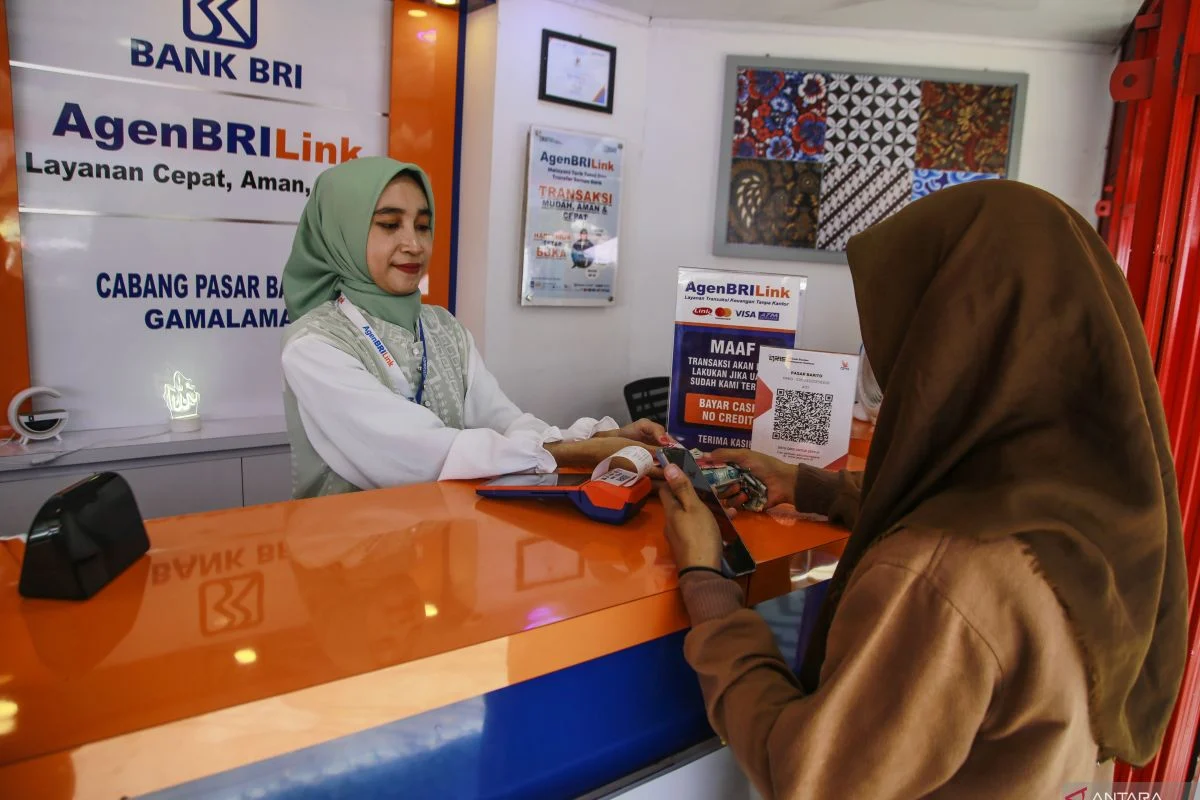
In an era defined by instantaneous digital banking, peer-to-peer mobile applications, and high-frequency electronic transactions, financial accidents have become an inevitable byproduct of convenience. Among the most stressful modern banking blunders is transferring funds to an incorrect recipient. Whether caused by a single misplaced digit in a destination account number, an accidental selection from an autofill list, or a failure to double-check transaction parameters before pressing "confirm," mistakenly sending money to a stranger can induce immediate panic, particularly when the sums involved are substantial.
While the digital economy allows capital to cross borders and clear accounts in mere seconds, reversing those transactions is rarely as simple as clicking an undo button. Financial institutions, legal frameworks, and regulatory bodies enforce strict protocols regarding how misdirected funds must be handled. Understanding the appropriate course of action, the limitations of banking recovery procedures, and the legal remedies available is essential for any consumer navigating this high-stakes scenario.
The Reality of Digital Transactions: Why Reversals Are Not Automatic
When a consumer realizes they have transferred money to the wrong account, the immediate assumption is often that the sending bank can simply pull the funds back with a keystroke. However, banking regulations and electronic fund transfer systems operate under the principle of finality. According to foundational legal statutes governing fund transfers—such as Indonesia’s Law Number 3 Tahun 2011 on Fund Transfers—a completed transfer is legally considered final once the destination account is successfully credited.
This finality protects the stability and predictability of the national payment system. If banks possessed the unilateral authority to reverse transactions based solely on the verbal claims of an account holder, it would introduce systemic vulnerabilities, opening the financial sector up to fraud, extortion, and systemic instability. Consequently, a bank cannot arbitrarily freeze or withdraw money from a third party’s account without explicit authorization from the account holder, a binding dispute resolution process, or a formal court order.
Because recovery depends heavily on the cooperation of the unintended recipient, the status of the funds, and the specific terms of service of the financial institutions involved, swift, methodical action by the sender is paramount.
Step-by-Step Chronology: Immediate Actions for Recovery
When a misdirected transfer occurs, time is the single most critical variable. Consumers must adhere to a structured protocol to maximize the likelihood of recovering their capital.
1. Immediate Notification to the Financial Institution
The moment an erroneous transfer is identified, the sender must contact their bank or payment service provider through official channels—such as customer service hotlines, dedicated mobile application support features, or physical branch visits.
The notification must be comprehensive and precise. The account holder should provide a complete chronology of the event, including the exact timestamp of the transaction, the specific amount transferred, the erroneous destination account details, and any reference numbers generated by the system. Delaying this notification diminishes the window of opportunity for the bank to flag the transaction or freeze outbound movements from the destination account if the funds have not yet been withdrawn.
2. Compilation of Transaction Documentation
Before lodging a formal dispute, the sender must assemble all verifiable proof of the transaction. This includes digital receipts, transaction IDs, exact timestamps, the source and destination account numbers, and the amount involved.
Consumers must preserve these records in their original format without altering, cropping, or digitally editing the files, as banking investigators rely on authentic metadata to trace fund flows. Furthermore, keeping a meticulous log of all communication ticket numbers and correspondence with customer service representatives ensures that the ongoing investigation can be effectively monitored.
3. Bank Investigation and Formal Tracing
Upon receiving a formal complaint, the financial institution initiates an internal trace to determine the status of the funds. If the money has landed in an account belonging to a different customer at the same bank, or has been routed to a partner institution via an interbank network, the bank will evaluate whether voluntary return procedures can be initiated.
However, bank officials will explicitly inform the customer of the legal limitations governing the account. If the recipient has already withdrawn the cash or utilized the digital balance, the bank cannot force an immediate reimbursement without the recipient’s consent or a legal mandate.
4. Direct, Civil Communication with the Recipient
In instances where the recipient’s identity is legally accessible or known to the sender, attempting direct, polite communication can be an effective secondary avenue. The sender may reach out to explain the mistake transparently, providing the objective proof of the transfer while strictly guarding sensitive personal information such as PINs, passwords, or One-Time Passwords (OTPs).
If the recipient acknowledges the error and agrees to return the funds, the transaction must be conducted through secure, verifiable channels. Conversely, if the recipient proves unresponsive or outright refuses to return the money, the sender must refrain from issuing threats, harassment, or aggressive communications that could legally compromise their own position. Under no circumstances should a sender transfer additional money under the pretext of administrative fees, unlock charges, or processing costs requested by the recipient without official bank verification.
5. Escalation to Regulatory Authorities
When a financial institution’s internal customer service channels fail to yield a satisfactory resolution, consumers can escalate the dispute to national regulatory bodies. For instance, in jurisdictions where payment systems fall under central bank oversight, institutions like Bank Indonesia (BI) provide structured consumer complaint channels.
Regulators typically field complaints via dedicated telephone hotlines (such as BI’s 131 service), official digital complaint portals, or designated electronic mail channels. To utilize these pathways, the consumer must present verifiable proof that the matter was formally reported to the primary payment provider first, accompanied by a complete timeline of the responses received. While regulatory bodies offer mediation, education, and facilitation within their legal authority, they do not serve as direct collection agencies and cannot guarantee the recovery of misdirected funds.
6. Recourse Through Legal Channels
If the recipient willfully retains the misdirected funds and refuses restitution, the aggrieved party may explore formal legal avenues. This involves consulting with legal counsel or filing a formal police report for potential misappropriation of funds or unjust enrichment, depending on the applicable criminal and civil statutes.
It is vital to distinguish between a simple, good-faith human error in data entry and calculated financial crimes. Legal definitions of wrongdoing depend strictly on evidence demonstrating intent. All communication records, bank denial letters, and transaction logs must be handed over to law enforcement to substantiate the investigation.
Preventing Additional Loss: Common Pitfalls to Avoid
The vulnerability of consumers who have suffered a financial loss often makes them prime targets for secondary scams. Recovering misdirected funds requires heightened vigilance against fraudulent actors who monitor public complaints or pose as recovery experts.
Beware of Recovery Scams
A pervasive threat in digital finance is the emergence of fraudulent third parties who claim they can hack, force, or legally compel the return of misdirected funds for an upfront fee. Consumers must never engage with unverified entities promising guaranteed recoveries outside official banking channels. Genuine bank representatives will never demand upfront cash fees, administrative wire payments, or sensitive security credentials—such as mobile banking passwords, PINs, or OTPs—to process a transaction dispute.
Digital Hygiene on Social Media
Frustrated consumers frequently commit the error of posting unmasked transaction receipts containing sensitive account data, names, and reference numbers on public social media forums seeking public assistance. This practice exposes the user to identity theft and auxiliary cyber threats. All public inquiries should omit personal financial markers, and private communications with institutions or third parties should be conducted exclusively through verified, encrypted corporate channels.
Systemic Implications and Preventive Engineering
The frequency of misdirected transfers highlights a broader UX/UI challenge within the financial technology sector. As digital banking applications evolve, developers and financial institutions face mounting pressure to implement structural safeguards that minimize human error.
Industry analysts emphasize that modern banking apps must integrate advanced friction points for high-risk operations. These include automated beneficiary name verification systems that cross-reference inputted account numbers with the legal registry name of the account holder before the transaction button can be engaged. Implementing mandatory waiting periods for newly added beneficiaries, real-time behavioral fraud analytics, and dual-authorization prompts for large-volume transfers are increasingly viewed as mandatory industry standards rather than optional features.
Ultimately, technological safety features serve only as a secondary defense. The primary line of defense remains the meticulous diligence of the individual user. Cultivating the habit of systematically verifying the recipient’s name, bank institution, account number, and transaction amount before authorizing any financial transfer is the single most effective strategy to prevent the profound stress and protracted recovery processes associated with modern financial missteps.