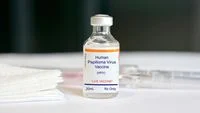
The global healthcare landscape has long emphasized preventative medicine, with vaccination serving as the cornerstone of defense against various viral infections. Among the most critical preventative interventions in modern oncology and infectious disease management is the Human Papillomavirus (HPV) vaccine. Traditionally associated with pediatric immunization schedules and adolescent health initiatives, the discourse surrounding HPV vaccination has increasingly expanded to include adult populations. As health authorities worldwide intensify campaigns to eradicate cervical and other HPV-related cancers, a prevalent question emerges among older demographics: Is receiving the HPV vaccine during adulthood, particularly after becoming sexually active, still effective?
Main Facts and Clinical Perspectives
To address the complexities of adult HPV vaccination, medical experts point to the fundamental biology of the virus and the mechanics of the vaccines available today. Dr. Yudo Irawan, a prominent specialist in dermatology, venereology, and aesthetics, sheds light on the nuances of administering the vaccine to adults. According to medical consensus, while the ideal window for HPV vaccination is strictly prior to any sexual debut, missing this window does not render the intervention obsolete.
Ideally, health organizations recommend administering the vaccine to pre-adolescents aged 9 to 12 years. During this developmental stage, the immune system mounts a robust response to the antigens, and the likelihood of prior exposure to the virus is virtually non-existent. However, clinical guidelines permit vaccination well into adulthood, extending up to the age of 45 for specific populations, such as men, through a process known as shared clinical decision-making. This collaborative approach requires a thorough discussion between the physician and the patient to weigh the individual’s risk of exposure, current health status, and the potential prophylactic benefits of the immunization.
Background Context and Public Health Initiatives
The human papillomavirus is a group of more than 200 related viruses, of which over 40 types can be easily spread through direct sexual contact. High-risk types of HPV are responsible for the vast majority of cervical cancers in women, as well as cancers of the anus, penis, vagina, vulva, and oropharynx in both men and women. Low-risk types, conversely, can cause benign manifestations such as genital warts.
In many countries, including Indonesia where the Ministry of Health has actively rolled out school-based immunization programs, the focus has historically been concentrated on young girls and boys. This strategic prioritization aims to establish community-wide immunity before adolescents become sexually active. Nevertheless, the reality of adult sexual health means that many individuals pass through adolescence without receiving the vaccine. Consequently, public health agencies have had to adapt their messaging, clarifying that adult vaccination remains a vital secondary prevention tool against strains the individual has not yet encountered.
Evaluating Efficacy in Adults
A common misconception regarding adult HPV vaccination is that prior sexual activity completely neutralizes the vaccine’s protective capabilities. Medical evaluations clarify that while the absolute efficacy may be altered by prior exposure, the vaccine retains a high degree of effectiveness.
The vaccine does not offer a blanket 100 percent protection rate against all possible HPV infections, even when administered with the complete series during childhood. This limitation stems from the sheer diversity of viral strains and individual immune variations. Nonetheless, the post-vaccination protection rate remains exceptionally high, exceeding 90 percent against the targeted viral strains included in the vaccine formulation.
For adults who have already contracted one or more types of HPV, the vaccine still holds substantial value. Because the virus exists in numerous distinct types, contracting a specific strain does not confer natural immunity against all other strains covered by the multivalent vaccines. While a prior infection can cause a minor reduction in overall vaccine effectiveness compared to a completely naive immune system, the efficacy does not drop below clinically significant thresholds. It continues to provide robust defense against the remaining high-risk strains to which the individual remains unexposed.
Dosage and Administration Guidelines
The clinical protocol for administering the HPV vaccine varies significantly depending on the age at which the series is initiated. For adults, the recommended schedule requires a more rigorous regimen to achieve optimal seroconversion and long-term immunological memory.
Major international and national health bodies—including the Centers for Disease Control and Prevention (CDC), the World Health Organization (WHO), and domestic specialized associations such as those representing dermatologists and internal medicine specialists—concur on the standard adult dosage. A complete vaccination series for adults necessitates three distinct intramuscular injections. The standard interval schedule dictates that the second dose be administered two months after the initial dose, followed by the third dose six months after the first injection (Month 0, Month 2, and Month 6).
In contrast, the pediatric protocol is streamlined. Children who begin the vaccination series before reaching the age of 15 require only two doses. The first dose is administered at Month 0, with the second dose following at an interval of six to twelve months. This difference in dosage requirements highlights the superior immune response typical of younger immune systems, whereas adults require an additional booster dose to stimulate equivalent antibody production.
Broader Implications and Public Health Impact
The expanding eligibility and acceptance of adult HPV vaccination carry profound implications for global oncology and preventative healthcare. Cervical cancer remains one of the leading causes of cancer-related mortality among women in developing regions, while non-cervical HPV-associated cancers continue to rise among men. By encouraging adults up to age 45 to consider vaccination through informed medical consultation, health systems can systematically close immunity gaps within the population.
Furthermore, integrating adult vaccination into routine clinical practice helps destigmatize conversations surrounding sexual health and viral prevention. As awareness campaigns evolve from strictly pediatric initiatives to inclusive lifespan immunizations, individuals are empowered to take proactive control of their long-term health outcomes. Ultimately, while early childhood immunization remains the gold standard of public health strategy, the availability of effective adult HPV vaccination ensures that a missed window in youth does not translate to a lifetime of vulnerability.