
• Home
GKF Media
keep your memories alive
National News

Vice Minister of Home Affairs Highlights Grassroots Leadership in Jambi’s ‘Kampung Bahagia’ Initiative, Urging National Replication.

by Basiran June 20, 2025
written by Basiran

On Wednesday, April 15, Vice Minister of Home Affairs (Wamendagri) Bima Arya Sugiarto conducted a direct inspection of the pilot location for the ‘Kampung Bahagia’ (Happy Village) Program in RT 14, Kenali Asam Village, Kotabaru District, Jambi City. During his visit, the Vice Minister underscored the critical role of the Rukun Tetangga (RT) Chairman as the frontline spearhead for the successful implementation of various government programs at the most granular level of administration. Bima Arya’s assessment emphasized that the efficacy and reach of national and local government initiatives are profoundly dependent on the capacity, dynamism, and proactive engagement of RT leaders in mobilizing community participation and fostering local self-reliance.

The Foundational Role of RT Chairmen in Local Governance

In Indonesia, the Rukun Tetangga (RT) and Rukun Warga (RW) units represent the lowest administrative tiers, serving as crucial bridges between the community and the formal government structure. An RT typically comprises 30 to 50 households, making its chairman an intimately familiar figure within the local populace. This proximity grants RT chairmen unique insights into community needs, challenges, and aspirations, positioning them as indispensable agents for local development. Bima Arya articulated this sentiment forcefully, stating, "The spearhead is the RT Chairman. For every program, if the RT Chairman is not alert, not active, that village will not succeed." This statement encapsulates a long-standing challenge in Indonesia’s decentralized governance framework: translating national policies and budgets into tangible benefits for citizens often falters at the implementation stage if local leadership is disengaged. The Wamendagri’s focus on RTs signifies a strategic recognition of their untapped potential as catalysts for change, moving beyond their traditional administrative roles to embrace more proactive community development functions.

The ‘Kampung Bahagia’ Model: A Paradigm for Systematic Empowerment

The ‘Kampung Bahagia’ Program in Jambi’s RT 14 was presented as an exemplary model of a systematic empowerment approach, distinguishing itself through the establishment of dedicated working groups (Pokja) and the strengthening of community governance structures. Unlike conventional programs that often prioritize top-down budget disbursement, the Jambi City Government’s initiative focuses on holistic system building and public education. This includes crucial aspects such as disciplined financial management through banking mechanisms, ensuring transparency and accountability in resource utilization. This shift from mere budgetary allocation to a comprehensive development strategy, encompassing human resource development and robust institutional frameworks, is what garnered Bima Arya’s particular commendation. He expressed optimism about the program’s longevity and replicability, stating, "Programs like this should last long and endure because their benefits are felt. I appreciate this. Kampung Bahagia can be adopted not only in cities/regencies in Jambi but also throughout Indonesia."

The program’s design, which integrates community participation from planning to execution, is a key factor in its perceived success. The formation of Pokja allows for specialized teams to manage different aspects of the program, such as infrastructure development, health initiatives, or social welfare projects, thereby distributing responsibilities and leveraging diverse community skills. This structured approach helps in circumventing common pitfalls of grassroots initiatives, such as mismanagement of funds or lack of sustained engagement, by embedding accountability and a sense of shared ownership within the community itself.

Chronology and Implementation of ‘Kampung Bahagia’

While the Vice Minister’s visit occurred on April 15, the ‘Kampung Bahagia’ Program in RT 14 Jambi has a discernible timeline of development and implementation. Its inception likely stemmed from a collaborative effort between the Jambi City Government and local community leaders, identifying specific needs within Kenali Asam Village. The program’s phases can be broadly outlined as follows:

  1. Needs Assessment and Planning (Early Stage): Local officials, in conjunction with the RT 14 chairman and community representatives, would have conducted a thorough assessment to identify pressing issues. For RT 14, this likely included inadequate drainage, lack of communal facilities, and security concerns. The concept of ‘Kampung Bahagia’ was then formulated to address these multifaceted challenges.
  2. Program Design and Stakeholder Engagement (Mid-Stage): The Jambi City Government would have developed the programmatic framework, emphasizing the systematic approach involving Pokja formation and financial transparency. Crucially, this stage would have involved extensive consultation with the community to ensure the program’s objectives aligned with local priorities and to secure community buy-in.
  3. Implementation and Initial Mobilization (Ongoing): Following design finalization, the program moved into its execution phase. This involved the establishment of the working groups, allocation of initial funds (from the city government), and the commencement of physical infrastructure projects and procurement of facilities. The emphasis on swadaya (community self-reliance) would have been integrated from this stage, encouraging residents to contribute labor, materials, or local expertise.
  4. Monitoring, Evaluation, and Adaptation (Continuous): The program incorporates a continuous feedback loop, utilizing data-driven metrics to track progress and impact. This ongoing evaluation allows for timely adjustments and ensures the program remains responsive to evolving community needs. Bima Arya’s visit represents a significant external validation and review point within this continuous cycle.

The systematic approach and phased implementation underscore the program’s commitment to long-term sustainability rather than short-term fixes. This structured timeline helps ensure that resources are utilized efficiently, and community engagement remains high throughout the program’s lifecycle.
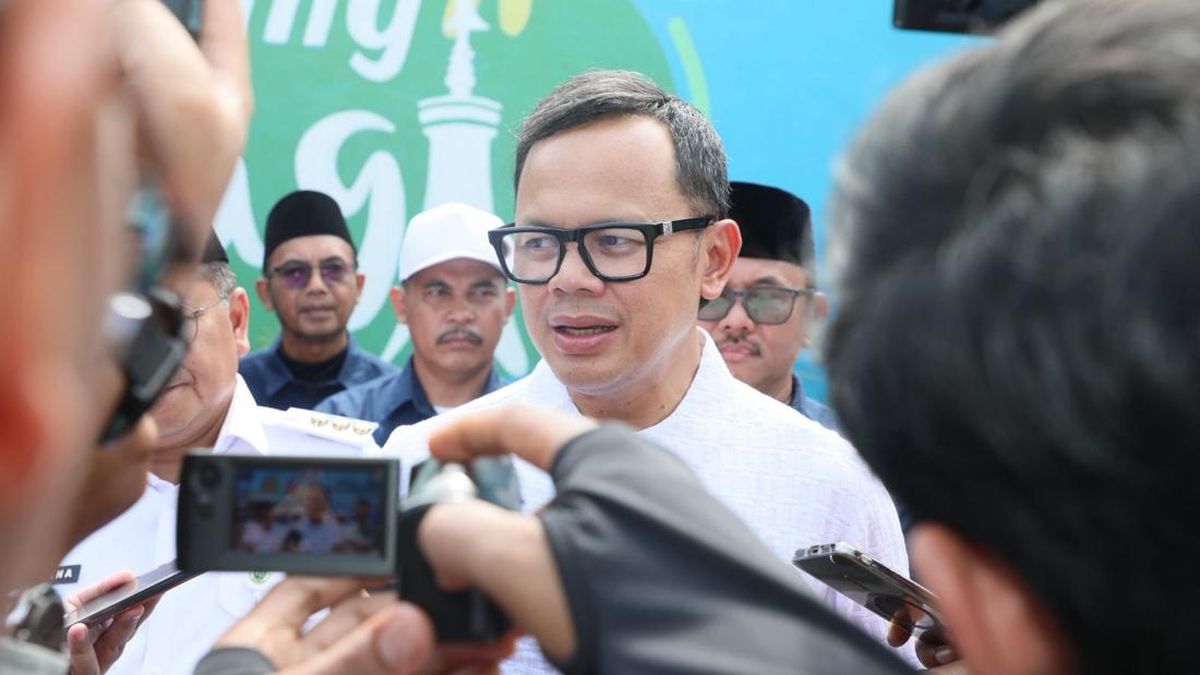
Kunjungi Jambi, Bima Arya Tekankan RT Kunci Sukses Program Pemerintah

Tangible Achievements and Community Empowerment

The ‘Kampung Bahagia’ Program in RT 14 Jambi has yielded several concrete improvements, demonstrating its effectiveness in addressing immediate community needs and fostering collective action. Key achievements highlighted include:

  • Infrastructure Development: The construction of a 133-meter covered drainage system is a significant health and environmental upgrade. Open drainage systems often contribute to unsanitary conditions, vector-borne diseases, and localized flooding. A covered system improves hygiene, reduces mosquito breeding grounds, and enhances public safety by eliminating open trenches.
  • Provision of Community Facilities: The acquisition of essential communal facilities such as tents, chairs, printers, and health equipment directly benefits the residents. Tents and chairs facilitate community gatherings, social events, and educational activities. A printer can support administrative tasks for the RT or small community businesses. Health equipment, even basic items, can be crucial for first aid or health monitoring within the neighborhood, especially for elderly residents or during emergencies.
  • Enhanced Security: The installation of five CCTV points significantly boosts local security. CCTV cameras act as a deterrent to crime, aid in crime investigation, and contribute to a heightened sense of safety among residents. This contributes to the ‘bahagia’ (happiness) aspect by reducing anxiety and fostering a more secure living environment.
  • Fostering Swadaya (Self-Reliance): Beyond the government-funded initiatives, the program has successfully stimulated community self-help. Residents of RT 14 contributed to an additional 80 meters of drainage construction and various other facilities through their own efforts and resources. This swadaya component is vital; it not only amplifies the impact of government investment but also cultivates a sense of ownership and collective responsibility among the community members. When residents invest their own time and resources, they are more likely to maintain and sustain the improvements.

This combination of government support and community initiative has led to improved social cohesion, increased efficiency in resource utilization, and a tangible enhancement in the quality of life for the residents of RT 14.

The Imperative of Data-Driven Evaluation

A cornerstone of the ‘Kampung Bahagia’ model, and a point strongly emphasized by Vice Minister Bima Arya, is the importance of data-driven measurement. He stressed the necessity of collecting baseline data before program implementation and subsequent data after its rollout to accurately assess its real impact on the community. This rigorous evaluation methodology is critical for several reasons:

  1. Ensuring Accountability: Data provides objective evidence of whether program objectives are being met and whether public funds are being used effectively.
  2. Informing Policy Decisions: Concrete data allows policymakers to understand what works and what doesn’t, guiding future program design and resource allocation.
  3. Demonstrating Impact: Quantifiable results are essential for showcasing the benefits of the program to stakeholders, including other communities, potential donors, and the broader public.
  4. Facilitating Replication: A data-backed success story is far more compelling for replication in other regions. It provides a blueprint and evidence of expected outcomes.

For ‘Kampung Bahagia,’ such data could include metrics on public health (e.g., reduction in waterborne diseases post-drainage construction), crime rates (e.g., reduction in petty crime following CCTV installation), economic indicators (e.g., increased local economic activity due to improved infrastructure), and social cohesion (e.g., increased participation in community events, survey data on citizen satisfaction and sense of belonging). The integration of such robust evaluation frameworks elevates the ‘Kampung Bahagia’ program from a mere project to a scalable, evidence-based model for community development.

Official Responses and Broader Implications

The Vice Minister’s commendation of the ‘Kampung Bahagia’ Program serves as a powerful endorsement, signaling the Ministry of Home Affairs’ commitment to strengthening grassroots governance and promoting innovative local development models. While specific statements from other officials were not detailed in the original report, it is logical to infer positive reactions:

  • Mayor of Jambi City: Would likely express pride in the local initiative, reiterate commitment to scaling the program within the city, and thank the Vice Minister for the national recognition and support. This recognition can unlock further resources and collaboration opportunities.
  • Head of Kotabaru District and Kenali Asam Village Head: Would emphasize the collaborative effort, the positive impact on their constituents, and the dedication of the RT 14 chairman and community. They would also highlight the challenges overcome and the lessons learned.
  • RT 14 Chairman and Community Members: Would express gratitude for the program, share personal anecdotes of improved living conditions, and articulate their continued commitment to maintaining and expanding the initiatives. Their voices are crucial in validating the program’s ‘bottom-up’ success.

Beyond local responses, the ‘Kampung Bahagia’ model holds significant broader implications for Indonesia’s national development agenda:

  1. Decentralization and Local Autonomy: The program exemplifies effective decentralization, where local governments and communities take ownership of development. It reinforces the idea that central government support should empower local initiatives rather than dictate them.
  2. Sustainable Development Goals (SDGs): The program directly contributes to several SDGs. Improved drainage aligns with SDG 6 (Clean Water and Sanitation). Community facilities and security enhance SDG 11 (Sustainable Cities and Communities). The empowerment aspect, especially for women and vulnerable groups through Pokja, supports SDG 5 (Gender Equality) and SDG 10 (Reduced Inequalities). The emphasis on good governance and participatory decision-making relates to SDG 16 (Peace, Justice, and Strong Institutions).
  3. Poverty Alleviation and Social Inclusion: By improving basic infrastructure, health, and security, the program creates a more conducive environment for economic activity and social well-being, directly impacting poverty alleviation efforts at the community level.
  4. National Replication Potential: The call for national replication by the Vice Minister suggests a concerted effort to identify and scale successful local models. This would require:
    • Policy Frameworks: Developing clear guidelines for other local governments to adopt similar systematic approaches.
    • Capacity Building: Providing training and resources for RT chairmen and local community facilitators nationwide.
    • Funding Mechanisms: Exploring innovative funding models that combine central, local, and community contributions.
    • Knowledge Sharing: Establishing platforms for inter-regional learning and exchange of best practices.

However, scaling such programs is not without challenges. These may include variations in local contexts, differing levels of local government capacity and political will, potential for funding gaps, and the difficulty in replicating the unique leadership and community spirit found in a specific pilot area like RT 14 Jambi. Nevertheless, the ‘Kampung Bahagia’ program offers a compelling blueprint for community-led development that is systematic, transparent, and demonstrably impactful. Its success in Jambi provides valuable lessons for fostering resilience, self-reliance, and overall well-being across Indonesia’s diverse communities. The emphasis on the RT chairman as the "ujung tombak" or spearhead underscores a crucial recognition that truly effective governance must emanate from and be sustained by strong, active leadership at the most fundamental level of society.
June 20, 2025 0 comment
0 FacebookTwitterPinterestEmail
National News

Kanwil Kemenkum Babel Edukasi Pentingnya Kekayaan Intelektual di ICI

by Iffa Jayyana June 19, 2025
written by Iffa Jayyana

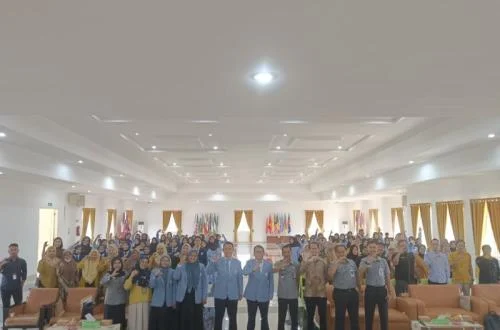
PANGKALPINANG – The Regional Office of the Ministry of Law and Human Rights (Kanwil Kemenkumham) for the Bangka Belitung Islands recently spearheaded a vital educational initiative focused on intellectual property (IP) protection, specifically targeting patents and music royalties, at the Institut Citra Internasional (ICI) in Pangkalpinang. Held on a recent Tuesday, the program underscores a strategic governmental push to cultivate greater public awareness and appreciation for intellectual assets, particularly within the academic sphere, which is increasingly recognized as a crucible for innovation and creativity. This concerted effort is part of a broader national agenda to strengthen Indonesia’s innovation ecosystem and ensure that the creative output of its citizens receives due legal protection and economic recognition.

The Initiative’s Core: Bridging Academia and IP Protection

The educational outreach at ICI was not merely an isolated event but a significant component of Kanwil Kemenkumham Babel’s ongoing commitment to fostering an IP-conscious society. By engaging directly with higher education institutions, the Ministry aims to embed the principles of intellectual property protection at the very foundation of future innovation. The choice of Institut Citra Internasional, with its diverse range of programs, reflects a recognition that IP is not exclusive to technological or artistic fields but is pertinent across all disciplines, including healthcare and tourism.

Johan Manurung, the Head of Kanwil Kemenkumham Babel, articulated this vision with clarity, emphasizing the crucial role of academic institutions. "Universities are inherently centers of innovation and intellectual work," Manurung stated. "Therefore, it is imperative for the academic community – both faculty and students – to comprehend and actively leverage the intellectual property system. This understanding is key not only for safeguarding their creations but also for enhancing the economic value inherent in their work." This statement highlights a dual objective: protecting creators’ rights and empowering them to commercialize their innovations effectively, thereby contributing to local and national economic growth.

The program, aptly themed "Intellectual Property Protection in the Fields of Patents and Music Royalties," drew a diverse audience of lecturers and students from ICI. Manurung expressed his optimism that this engagement would significantly elevate the academic community’s understanding and awareness regarding the critical importance of IP protection. He further voiced hope that such initiatives would act as a catalyst, encouraging the emergence of innovative works in the future that are both legally protected and economically viable. The focus on patents and music royalties specifically addresses two key areas where intellectual output often faces challenges in terms of protection and monetization in Indonesia.

The Imperative of Intellectual Property Protection in Indonesia

Indonesia, as a rapidly developing nation with a vibrant creative economy, places increasing emphasis on intellectual property protection as a cornerstone of its economic development strategy. The Ministry of Law and Human Rights, through its Directorate General of Intellectual Property (DGIP), is the primary government body responsible for formulating, implementing, and enforcing IP policies. Its mandate extends to promoting IP awareness, facilitating registrations, and resolving disputes, thereby creating an environment conducive to innovation and creativity.

The national legal framework for IP in Indonesia is robust, anchored by key legislation such as Law No. 28 of 2014 on Copyright and Law No. 13 of 2016 on Patents. These laws provide the necessary legal infrastructure for creators and innovators to secure their rights. Beyond legal certainty, the government views IP as a critical driver for economic growth. The creative economy, encompassing sectors from music and film to fashion and digital applications, has been identified as a significant contributor to Indonesia’s Gross Domestic Product (GDP). For instance, recent data indicates that the creative economy contributes approximately 7% to Indonesia’s GDP, with a growing workforce and export potential. Protecting IP within these sectors is vital to sustain this growth, attract investment, and enhance global competitiveness.

Statistics from the DGIP often reveal a steady increase in IP registrations across various categories. While patent applications may fluctuate, copyright registrations, especially, have seen a surge, reflecting the dynamism of the creative sector. The government has also been actively promoting IP registration among Micro, Small, and Medium Enterprises (MSMEs), recognizing their collective potential to drive economic diversification and create employment opportunities. These efforts aim to transform Indonesia from a resource-based economy to an innovation-driven one, where intellectual capital is highly valued and protected.

Bangka Belitung’s Unique IP Landscape and Potential

The Bangka Belitung Islands, traditionally known for their rich tin mining industry and pristine beaches, are at a crucial juncture of economic diversification. While mining and tourism remain significant pillars, there is a growing recognition of the need to foster new economic engines, including those driven by innovation and creativity. This is where intellectual property plays a transformative role.

The province’s unique cultural heritage, distinctive culinary traditions, and burgeoning eco-tourism initiatives present fertile ground for IP generation. For example, traditional crafts, specific local recipes, unique architectural designs for resorts, or innovative approaches to sustainable tourism management could all be protected under various IP categories. However, a significant challenge in regions like Bangka Belitung has historically been a lower level of IP awareness compared to major urban centers, coupled with limited resources and understanding regarding the registration process among local innovators and entrepreneurs. The Kanwil Kemenkumham Babel’s initiative directly addresses these gaps, providing crucial information and encouraging local stakeholders to formalize their intellectual assets. By doing so, it aims to empower local communities to derive greater economic benefit from their unique cultural expressions and innovative ideas, moving beyond reliance on traditional sectors. This shift is essential for building a resilient and diversified regional economy.

Deep Dive into Patent and Music Royalty Education

The decision to focus specifically on patents and music royalties during the ICI workshop was strategic, addressing two distinct yet equally critical aspects of IP.

Patents: A patent grants the inventor exclusive rights to make, use, sell, and import an invention for a limited period, typically 20 years, in exchange for public disclosure of the invention. It is crucial for technological and scientific advancements. For academic institutions like ICI, even if their core focus isn’t typically hard science, there are numerous potential patentable innovations. For instance, in nursing or midwifery, this could involve:

  • New medical devices: Innovative tools for patient care, monitoring, or treatment delivery.
  • Novel treatment protocols: Methodologies for improving patient outcomes or efficiency in healthcare.
  • Digital health solutions: Software or applications designed to enhance healthcare delivery, patient management, or education.
  • Tourism service models: Unique, non-obvious methods for delivering tourism experiences or managing hospitality services that offer a technical advantage.

Understanding patents empowers faculty and students to protect their research outputs and potentially commercialize them, turning academic discoveries into tangible benefits for society and economic ventures. It encourages a culture of methodical documentation and strategic thinking about the novelty and applicability of their work.

Music Royalties: These are payments made to composers, songwriters, and music publishers for the public performance, broadcast, reproduction, or streaming of their copyrighted musical works. Music royalties fall under copyright law, which automatically grants certain rights to creators upon the creation of an original work. However, effective management and enforcement of these rights, especially in the digital age, require understanding the various types of royalties (e.g., performance, mechanical, synchronization) and the role of collective management organizations (CMOs).

For students and faculty involved in creative arts or even digital content creation (e.g., educational videos with original music scores), comprehending music royalties is vital for ensuring fair compensation for their creative efforts. Indonesia’s music industry, a significant component of its creative economy, has long grappled with issues of piracy and inadequate royalty collection. Education on this front is crucial for empowering artists and creators to assert their rights, receive their rightful share, and contribute to the sustainable growth of the music sector.

Adi Riyanto, the Head of Intellectual Property Services at Kanwil Kemenkumham Babel, reinforced the multifaceted importance of IP registration. "The protection of intellectual property does not merely provide legal certainty; it also possesses significant economic value that can be harnessed by the creators," Riyanto explained. He further emphasized, "This is critical in preventing potential disputes in the future." His statement underscores that IP is not just about preventing theft but about establishing a clear framework for ownership, licensing, and commercialization, thereby mitigating legal conflicts and fostering a transparent marketplace for ideas and creations.

The Academic Perspective: ICI’s Role in Fostering IP Culture

The Rector of Institut Citra Internasional, whose identity was not explicitly mentioned but whose perspective was highlighted, underscored the profound strategic role of higher education institutions in championing intellectual property protection. This perspective aligns perfectly with the Kemenkumham initiative, recognizing universities as not just centers of learning but also as incubators of innovation.

The Rector specifically pointed out that various fields of study offered at ICI, such as nursing, midwifery, and tourism, possess immense potential for generating legally protectable works. This insight is particularly salient:

  • Nursing and Midwifery: Beyond direct patient care, these fields can lead to innovations in healthcare delivery models, specialized patient education materials, new medical protocols, unique care philosophies, or even ergonomic designs for healthcare equipment. Protecting these innovations can improve healthcare outcomes, enhance professional standards, and create new entrepreneurial opportunities for healthcare professionals.
  • Tourism: As Bangka Belitung strives to enhance its tourism sector, IP becomes an invaluable asset. This could include unique tourism package designs, branding for specific ecotourism sites, innovative marketing strategies, specialized cultural tour narratives, or even proprietary software for destination management. Protecting these elements helps differentiate tourism offerings, builds brand equity, and prevents unauthorized replication, ensuring the economic benefits remain with the original creators and local communities.

Integrating IP education into academic curricula is a forward-thinking approach that can cultivate a culture of innovation and protection from an early stage. By exposing students and faculty to the nuances of IP law, universities can encourage them to think about the commercial viability and legal defensibility of their ideas, research, and creative projects. This proactive engagement can lead to a greater number of high-quality IP registrations originating from academia, ultimately enriching Indonesia’s overall intellectual capital. Moreover, such programs empower graduates to navigate the professional world with a stronger understanding of their rights and the value of their intellectual contributions.

Broader Implications and Future Outlook

The educational program at Institut Citra Internasional, while localized, carries significant broader implications for Bangka Belitung and Indonesia as a whole.

Economic Empowerment: By educating creators about IP, the government directly contributes to their economic empowerment. When innovators and artists understand how to protect their patents, copyrights, and other IP rights, they are better positioned to license their creations, enter into profitable collaborations, or launch their own ventures. This translates into increased income for individuals and a more vibrant local economy. For a province like Bangka Belitung, this diversification is crucial for building resilience against fluctuations in traditional commodity markets.

Strengthening the Innovation Ecosystem: A robust IP protection framework is fundamental to a thriving innovation ecosystem. It provides incentives for research and development by ensuring that investments in creativity yield exclusive rights and potential returns. The initiative at ICI helps bridge the gap between academic research and commercial application, fostering an environment where ideas can flourish from conception to market. It signals to researchers and entrepreneurs that their efforts will be recognized and safeguarded, encouraging further investment in innovative endeavors.

Enhancing Legal Security and Reducing Infringement: Increased awareness and understanding of IP law can significantly reduce instances of infringement and piracy. When creators register their works, they gain a stronger legal standing to defend their rights. Simultaneously, a more informed public is less likely to inadvertently infringe on others’ IP, contributing to a more ethical and legally sound marketplace. This legal security is vital for attracting both domestic and foreign investment, as investors are more likely to support ventures where intellectual assets are clearly defined and protected.

Government’s Long-Term Vision: The Kanwil Kemenkumham Babel’s initiative is reflective of the Indonesian government’s broader, long-term vision to transform the nation into a knowledge-based economy. This involves not only promoting IP awareness but also streamlining registration processes, improving enforcement mechanisms, and fostering international cooperation on IP matters. Collaborative efforts between government bodies, academic institutions, and industry stakeholders are essential to realize this vision. Future steps could include establishing IP clinics at universities, offering subsidized registration fees for MSMEs, and launching targeted campaigns for specific industries.

In conclusion, the Intellectual Property education program at Institut Citra Internasional marks a pivotal step in Bangka Belitung’s journey towards building a resilient, innovation-driven economy. By embedding IP literacy within its academic community, the province is not only safeguarding its current intellectual assets but also nurturing a future generation of creators and innovators who understand the intrinsic value and economic potential of their ideas. This localized effort is a powerful testament to the national commitment to fostering a vibrant creative economy, where intellectual property is recognized as a cornerstone of progress and prosperity. The proactive engagement of Kanwil Kemenkumham Babel serves as a model for how regional offices can effectively contribute to national development goals by directly empowering local communities through education and awareness.

June 19, 2025 0 comment
0 FacebookTwitterPinterestEmail
Property

Gantikan SiKasep, Begini Cara Aktivasi Aplikasi Tapera Mobile

by Azzam Bilal Chamdy June 18, 2025
written by Azzam Bilal Chamdy

The Indonesian government, through the Public Housing Savings Management Agency (BP Tapera), has officially transitioned its digital housing service ecosystem by replacing the SiKasep application with the more integrated Tapera Mobile platform. Effective as of April 13, 2026, this strategic migration marks a significant shift in how the state facilitates housing finance for the public, particularly for low-income communities (MBR). The decommissioning of SiKasep is part of a broader initiative to centralize and streamline the accessibility of the Housing Financing Liquidity Facility (FLPP) and Tapera savings funds into a single, user-friendly mobile interface.

The transition aims to eliminate the fragmentation of digital services that previously required users to navigate multiple platforms. By consolidating these functions into Tapera Mobile, BP Tapera intends to provide a more seamless end-to-end experience, from the initial registration of eligibility to the final stages of mortgage (KPR) realization. According to BP Tapera Commissioner Heru Pudyo Nugroho, the launch is a response to the evolving needs of the modern workforce and the government’s commitment to digital transformation within the property sector.

Strategic Objectives and the Push for Accessibility

The primary driver behind the launch of Tapera Mobile is the enhancement of accessibility for Low-Income Communities (MBR) across the Indonesian archipelago. The geographic diversity of Indonesia often poses a challenge for traditional administrative processes. By migrating to a mobile-first strategy, BP Tapera ensures that individuals in remote provinces have the same level of access to housing subsidies as those in urban centers.

Commissioner Heru Pudyo Nugroho emphasized that the presence of Tapera Mobile brings housing finance directly into the hands of the people. This "one-stop-shop" approach allows MBR individuals to manage their housing applications anytime and anywhere, provided they meet the specific income criteria based on regional zoning regulations. The platform serves two primary financing streams: the KPR FLPP, which is available year-round, and the Tapera Fund financing, which is subject to the availability of managed funds.

As of mid-April 2026, BP Tapera’s role as the Operator of Government Investment (OIP) has seen significant capital deployment. Records indicate that since 2022, the agency has facilitated the distribution of FLPP funds for 50,021 housing units, totaling approximately Rp 6.22 trillion. These units are spread across 33 provinces and 364 regencies/cities, illustrating the nationwide reach of the program. However, despite these figures, the current absorption rate stands at only 14.29% of the 350,000-unit target set for the fiscal year. This gap underscores the urgency of the Tapera Mobile launch as a tool to accelerate distribution and meet the national housing demand.

Comprehensive Guide to Activating Tapera Mobile

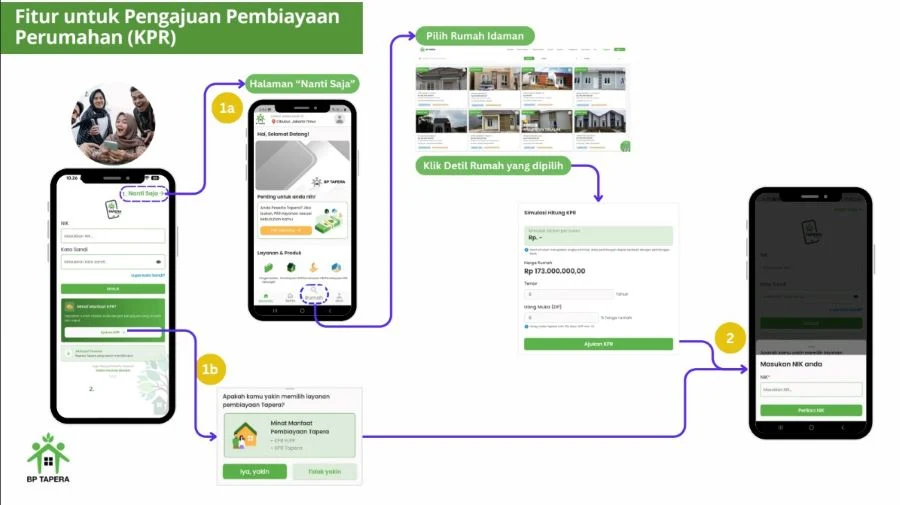
To ensure a smooth transition from the legacy SiKasep system, BP Tapera has outlined a rigorous yet accessible activation and application process. Prospective debtors are encouraged to follow these steps to secure their eligibility for subsidized housing:

1. Application and Initial Registration

The process begins with downloading the Tapera Mobile application from the Google Play Store or Apple App Store. Upon installation, users must enter their National Identity Number (NIK) to initiate the online application. Users are required to read and accept the terms and conditions before proceeding to create a digital account.

2. Biometric Verification and Data Validation

In an effort to enhance security and prevent identity fraud, the application utilizes advanced biometric verification. Users must take a "selfie" holding their KTP (National ID card) within the designated frame. The app then uses Optical Character Recognition (OCR) technology to automatically populate personal identity fields. Users must validate this information and edit any discrepancies before saving. A final face-motion verification—following specific on-screen prompts—is required to confirm the user’s identity.

3. Account Security and OTP Verification

Following identity verification, users must provide a valid mobile phone number and create a secure password consisting of a combination of numbers, characters, and letters. A six-digit One-Time Password (OTP) is sent via SMS to verify the mobile number. Once the OTP is confirmed, the digital account registration is complete, and the user can proceed to the housing search module.

4. Property Selection and Mortgage Application

The platform includes a robust search engine with filters for location, price, and developer. Once a user identifies a suitable property, they can click the "Apply for KPR" button. The system then performs an automated "Subsidi Checking" to verify if the applicant has previously received government housing assistance. If the check is successful, the user selects a distribution bank and schedules an appointment.

5. Tracking and Realization

One of the key improvements in Tapera Mobile is the transparency of the application status. Applicants can track their progress through five distinct stages: application submission, follow-up, SP3K (Letter of Approval for Mortgage Principle), Habitability Verification (Layak Huni), and the final Signing of the Credit Agreement (Akad). This real-time tracking reduces uncertainty and allows applicants to coordinate more effectively with bank sales teams.

Contextual Background: The National Housing Backlog

The launch of Tapera Mobile does not occur in a vacuum; it is a critical component of Indonesia’s effort to address a housing backlog estimated at over 15 million units. The government’s "3 Million Houses Program" is a cornerstone of national social policy, aiming to provide decent living conditions while simultaneously stimulating the construction and real estate sectors, which are vital for economic growth.

However, the path to achieving these targets is fraught with challenges. Industry stakeholders, including the Indonesian Real Estate Association (REI) Banten branch, have recently highlighted obstacles such as land scarcity and conflicting government policies. For instance, the national focus on food self-sufficiency has led to the protection of "Lahan Baku Sawah" (LBS) or protected rice fields. While essential for food security, these regulations limit the available land for residential development, particularly for low-cost housing projects that require large tracts of land to remain economically viable for developers.

Furthermore, global economic volatility, including ongoing conflicts in the Middle East, has raised concerns regarding the stability of the property market. Fluctuations in energy prices and global supply chains can lead to increased costs for construction materials, potentially impacting the affordability of homes for the MBR segment. In this context, the efficiency provided by Tapera Mobile is intended to offset some of these systemic pressures by reducing administrative costs and accelerating the turnover of housing units.

Analysis of Implications and Future Outlook

The migration from SiKasep to Tapera Mobile is more than a technical update; it represents a fundamental change in the relationship between the state and its citizens regarding social welfare. By digitizing the entire lifecycle of a housing loan, the government is creating a data-driven ecosystem that can better predict demand and allocate resources.

For the banking sector, the integration of Tapera Mobile simplifies the lead generation process. Banks can now receive pre-verified applicants, reducing the time spent on manual background checks. For developers, the platform provides a direct window to a massive pool of qualified buyers, potentially shortening the sales cycle for subsidized housing projects.

However, the success of Tapera Mobile will depend on two critical factors: digital literacy among the target demographic and the stability of the underlying IT infrastructure. While smartphone penetration in Indonesia is high, navigating a multi-step financial application requires a certain level of digital proficiency. BP Tapera has acknowledged this by providing detailed tutorials on their official website and maintaining support channels.

From a policy perspective, the 14.29% absorption rate mentioned by Commissioner Heru suggests that while the digital tools are now in place, structural issues—such as the supply of houses that meet the "Habitability" (Layak Huni) standards—must still be addressed. The "Habitability" stage in the tracking process is a crucial safeguard, ensuring that government funds are only used for homes that meet strict safety and quality criteria.

In conclusion, the transition to Tapera Mobile is a decisive step toward modernizing Indonesia’s housing finance landscape. By replacing the aging SiKasep system, BP Tapera is positioning itself to better handle the complexities of the national housing backlog. As the agency strives to meet its 350,000-unit target, the success of this mobile platform will be a bellwether for the government’s broader digital governance ambitions. The move signals a future where essential social services are not just available, but are accessible through a single, transparent, and efficient digital gateway.

June 18, 2025 0 comment
0 FacebookTwitterPinterestEmail
Property

Indonesia Receives Global Endorsement for Fiscal Resilience as Finance Minister Purbaya Yudhi Sadewa Secures Investor Confidence in Washington

by Raul Delapena Setiawan June 18, 2025
written by Raul Delapena Setiawan

The Indonesian government has successfully garnered significant praise and solidified its standing in the global financial community following a series of high-level strategic meetings led by Finance Minister Purbaya Yudhi Sadewa in Washington, D.C. During the high-stakes diplomatic mission, which coincided with the Spring Meetings of the International Monetary Fund (IMF) and the World Bank Group, international financial institutions and Tier-1 global investors expressed a unified vote of confidence in Indonesia’s fiscal management. This endorsement comes at a critical juncture as the global economy continues to grapple with volatility, fluctuating commodity prices, and shifting geopolitical alliances. The minister’s engagements underscored a growing international consensus that Indonesia has mastered the delicate art of balancing aggressive economic growth targets with stringent fiscal discipline, a feat that many emerging markets have struggled to achieve in the post-pandemic era.

Strategic Engagements with Global Financial Titans

The cornerstone of Minister Purbaya’s visit to the United States was a series of closed-door sessions with 18 of the world’s most influential institutional investors. Among these were industry giants such as Goldman Sachs and Fidelity Investments, firms that manage trillions of dollars in global assets and whose internal ratings often dictate the flow of foreign direct investment (FDI) into emerging economies. These meetings were not merely perfunctory; they served as a platform for rigorous due diligence where investors scrutinized Indonesia’s medium-term expenditure framework and its strategy for maintaining a budget deficit below the statutory ceiling of 3% of Gross Domestic Product (GDP).

Minister Purbaya emphasized that the primary objective of these dialogues was to provide transparency regarding the "Indonesian Way" of economic management. Investors sought clarity on whether the nation’s ambitious infrastructure projects and social safety nets were being funded through sustainable revenue streams or through excessive debt. By providing a comprehensive breakdown of the 2026 fiscal roadmap, the Minister was able to demonstrate that Indonesia’s debt-to-GDP ratio remains among the lowest in the G20, providing a significant buffer against external shocks. The response from these financial behemoths was overwhelmingly positive, with many citing Indonesia’s "predictability" and "transparency" as key factors in their decision to maintain or increase their exposure to Indonesian sovereign bonds and equity markets.

Strengthening Ties with the IMF and World Bank

Beyond private capital, the Minister held pivotal bilateral discussions with the Managing Director of the IMF and senior leadership at the World Bank. These meetings were particularly significant given the historical complexities of Indonesia’s relationship with these institutions. Minister Purbaya’s approach was characterized by a blend of assertive diplomacy and data-driven advocacy. He addressed previous discrepancies in data modeling and economic forecasting, ensuring that the international community’s assessment of Indonesia’s "fiscal health" is based on the most accurate and up-to-date local indicators.

The IMF’s positive response is viewed by analysts as a "seal of approval" that lowers the perceived risk premium for Indonesia. The Fund acknowledged that Indonesia’s monetary policy, managed in tandem by the Ministry of Finance and Bank Indonesia, has been effective in taming inflation while supporting the domestic manufacturing sector. Similarly, the World Bank’s recognition of Indonesia’s fiscal strategy highlights the success of the country’s structural reforms, including the implementation of the Harmonized Tax Law and the continued refinement of the Omnibus Law on Financial Sector Development. These reforms have expanded the tax base and modernized the regulatory environment, making it more conducive for long-term international partnerships.

Chronology of the Washington Mission

The diplomatic mission in Washington followed a meticulously planned itinerary designed to maximize Indonesia’s visibility in the global capital markets. The journey began with a series of courtesy meetings with representatives from S&P Global Ratings and other major credit rating agencies. These sessions were crucial for reinforcing Indonesia’s investment-grade status, as the government seeks to further lower its borrowing costs in the international bond market.

Following the rating agency briefings, the schedule transitioned into the "Investor Day" format, where Minister Purbaya presented to a curated group of asset managers. The discussions then moved to the multilateral stage at the IMF and World Bank headquarters. The timeline of these events suggests a coordinated effort by the Indonesian government to sync its domestic policy announcements with global economic calendars, ensuring that the narrative of "Indonesian Resilience" reaches the right ears at the right time. By the time the Minister concluded his meetings on April 15, 2026, the sentiment among the Washington financial elite had shifted from cautious observation to active endorsement.

Addressing the Growth vs. Discipline Dilemma

One of the most persistent questions faced by the Indonesian delegation was how the country intends to achieve an ambitious 6% to 7% annual GDP growth rate without compromising its fiscal integrity. For decades, the conventional wisdom in development economics suggested that rapid growth in emerging markets often requires heavy deficit spending. Minister Purbaya dismantled this notion by highlighting Indonesia’s "quality spending" initiative. This strategy involves reallocating subsidies—particularly in the energy sector—toward high-multiplier investments such as digital infrastructure, downstream mineral processing (hilirisasi), and human capital development.

By explaining the "hilirisasi" policy to global investors, the Minister showcased how Indonesia is moving up the value chain. Instead of exporting raw nickel or bauxite, Indonesia is now a hub for electric vehicle (EV) battery components and processed metals. This shift not only boosts export revenues but also creates a more resilient tax base that is less susceptible to the boom-and-bust cycles of raw commodity prices. Investors from the United States, in particular, showed high interest in this sector, viewing Indonesia as a vital partner in the global green energy transition and a reliable alternative in the global supply chain.

Supporting Data: The Numbers Behind the Confidence

The positive reception in Washington is backed by a robust set of macroeconomic data that distinguishes Indonesia from its peers. As of the first quarter of 2026, Indonesia’s inflation has remained within the target corridor of 2.5% ± 1%, significantly lower than many developed economies that are still battling persistent price pressures. Furthermore, the country’s trade balance has maintained a surplus for over 40 consecutive months, driven by the success of industrial downstreaming policies.

Foreign Direct Investment (FDI) into Indonesia reached record levels in the previous fiscal year, with a notable diversification of sources beyond the traditional Asian partners. The interest from American firms like Fidelity and Goldman Sachs signals a potential surge in Western capital inflows. On the fiscal side, the government’s commitment to a deficit below 3% of GDP has kept the debt-to-GDP ratio at approximately 38-39%, far below the 60% threshold established by the State Finance Law. These figures provided the empirical foundation for Minister Purbaya’s arguments, transforming a political narrative into a credible financial case.

Market Implications: Bonds and Equities

The immediate impact of the Washington meetings is expected to be felt in the Indonesian capital markets. There has been a noted increase in demand for Indonesian Government Securities (SBN), as global investors seek "safe-haven" assets in the emerging market space that offer attractive yields combined with macroeconomic stability. The fixed-income market, which was a major point of discussion with the 18 investors, is poised for increased liquidity as global funds rebalance their portfolios in favor of high-performing Southeast Asian economies.

In the equity market, the Minister’s reassurance regarding the continuity of Indonesia’s economic policies—even amidst political cycles—has quelled investor anxiety. The focus on the financial sector, consumer goods, and the burgeoning tech industry has made the Indonesia Stock Exchange (IDX) an attractive destination for institutional "equity" investors. The Minister’s ability to articulate a clear, long-term vision has reduced the "political risk" premium that often plagues emerging markets, paving the way for sustained capital appreciation.

Broader Impact and Future Implications

The success of Minister Purbaya Yudhi Sadewa’s mission in Washington D.C. carries implications that extend far beyond the immediate fiscal year. It signals Indonesia’s emergence as a "stabilizing force" in the global economy. At a time when many nations are turning inward or facing debt crises, Indonesia’s adherence to international standards of fiscal transparency and its proactive engagement with global institutions position it as a leader among the Global South.

Furthermore, the "positive response" from the IMF and World Bank serves as a diplomatic shield, providing Indonesia with more leverage in international forums such as the G20 and ASEAN. It validates the government’s domestic policies and provides the "political capital" needed to continue difficult structural reforms. As the global financial landscape continues to evolve, the trust built during these April 2026 meetings will likely serve as the bedrock for Indonesia’s goal of becoming one of the world’s top five economies by 2045.

In conclusion, the meetings in Washington were a masterclass in economic diplomacy. By directly addressing the concerns of both multilateral institutions and private investors, Minister Purbaya has not only secured the necessary confidence to support Indonesia’s current budget but has also enhanced the nation’s reputation as a sophisticated and reliable player on the world stage. The message from Washington is clear: Indonesia is no longer just a "market of interest"—it is a cornerstone of global fiscal stability.

June 18, 2025 0 comment
0 FacebookTwitterPinterestEmail
Property

Stok Sempat Kosong, Amran Dorong 100% Penyaluran Minyakita Lewat BUMN

by Ali Ikhwan June 17, 2025
written by Ali Ikhwan

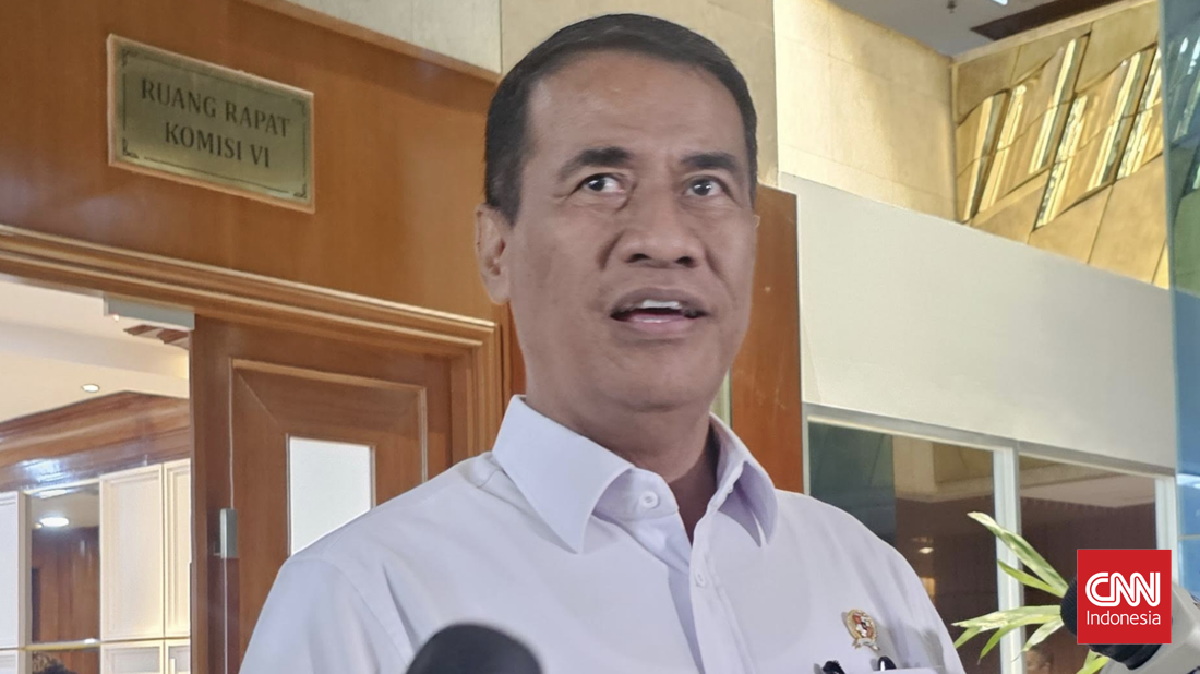
The Indonesian government is currently considering a significant policy shift that would centralize the distribution of Minyakita, the state-subsidized cooking oil brand, under the direct control of State-Owned Enterprises (BUMN) in the food sector. Minister of Agriculture Andi Amran Sulaiman, who also serves as the Head of the National Food Agency (Bapanas), has formally proposed that entities such as Perum Bulog and ID Food take a lead role in the supply chain to resolve persistent supply shortages and stabilize market prices. This move signifies a potential departure from the current Domestic Market Obligation (DMO) scheme, where private producers handle a significant portion of distribution, and points toward a more interventionist approach to ensuring food security for the nation’s most vulnerable populations.

During a strategic meeting held at his office in South Jakarta, Minister Amran Sulaiman emphasized that the current distribution model has faced challenges in maintaining consistent availability at the grassroots level. He revealed that he has already begun high-level coordination with the Minister of Trade, Budi Santoso, to discuss increasing the quota of Minyakita distributed through BUMN. Under the existing framework, only a minimum of 35 percent of Minyakita is required to be channeled through state-owned entities. However, the government is now weighing the possibility of increasing this figure to 65 percent, or even as high as 100 percent, depending on the evolving market situation.

Strengthening State Control for Price Stability

The rationale behind this proposed centralization is rooted in the government’s desire for tighter oversight. Minister Amran argued that by placing the distribution responsibility squarely on the shoulders of BUMN, the government can exert more direct control over the movement of goods and the final price paid by consumers. In the current fragmented market, where numerous private distributors and middlemen are involved, monitoring every link in the chain is a logistical nightmare. By contrast, BUMN can be held directly accountable for any price spikes or localized shortages.

"I want the distribution to be through BUMN so it is easier to control," Minister Amran stated. "If there is a price increase, the BUMN will be held responsible." He drew a parallel to the government’s recent strategy regarding frozen beef imports. In that sector, the government increased the import assignments given to state-owned enterprises while reducing the reliance on private importers. This shift was designed to ensure that the government has a "buffer" stock that can be released into the market during periods of high demand, such as during religious holidays, to prevent predatory pricing.

The Minister’s stance is clear: when the private sector fails to maintain price stability for essential commodities, the state must step in. He noted that if a BUMN fails to stabilize prices despite having the mandate, the leadership can be replaced or reprimanded, a level of direct administrative control that is impossible to apply to private corporations.

The Rise and Challenges of Minyakita

To understand the weight of this proposal, one must look at the history and purpose of Minyakita. Launched in July 2022 by the then-Minister of Trade, the Minyakita brand was conceived as a solution to the cooking oil crisis that gripped Indonesia earlier that year. At the time, global crude palm oil (CPO) prices were skyrocketing, leading many domestic producers to prioritize exports over the domestic market, resulting in severe shortages and record-high prices for local consumers.

Minyakita was designed to be a simple-packaged alternative to "curah" (bulk) cooking oil, which was often criticized for being unhygienic and difficult to distribute efficiently. By providing a standardized, government-regulated brand with a fixed Highest Retail Price (HET), the government aimed to ensure that low-income households could access affordable cooking oil.

However, since its inception, Minyakita has been plagued by issues of "scarcity in the midst of plenty." While Indonesia is the world’s largest producer of palm oil, the subsidized brand frequently disappears from traditional market shelves, only to reappear at prices significantly higher than the HET. Traders often complain about long lead times from distributors and "tying" practices, where they are forced to buy other unpopular products just to get a small allocation of Minyakita.

Current Market Data and Economic Pressure

The urgency of Minister Amran’s proposal is underscored by recent data from the Market and Basic Necessities Monitoring System (SP2KP). As of mid-2024, the national average price of Minyakita has climbed to approximately Rp15,961 per liter. This figure represents a clear breach of the established Highest Retail Price (HET), which currently stands at Rp15,700 per liter. In some remote regions outside of Java, prices have been reported as high as Rp17,000 to Rp18,000 per liter.

Stok Sempat Kosong, Amran Dorong 100% Penyaluran Minyakita Lewat BUMN

This price discrepancy is not an isolated incident. Both bulk cooking oil and premium packaged oils have also seen upward trends. The inflation of cooking oil prices is particularly sensitive in Indonesia, where it is a primary staple for both households and the massive micro-enterprise sector, including "warungs" (small stalls) and street food vendors.

Minister of Trade Budi Santoso confirmed that the Ministry is reviewing the 35 percent DMO floor. The government’s goal is to ensure that the "Domestic Market Obligation" actually translates to "Domestic Market Availability." Currently, the distribution of Minyakita through BUMN is split among several entities, including Perum Bulog, ID Food (the state-owned food holding company), and PT Agrinas Palma Nusantara. Despite their involvement, these entities have often struggled with limited working capital and the logistical burden of competing with established private distribution networks.

Chronology of Distribution Shifts

The evolution of the Minyakita distribution policy can be mapped through several key stages:

  1. July 2022: Minyakita is launched. Distribution is primarily driven by private producers as a way to fulfill their DMO requirements to gain export permits.
  2. Early 2023: Supply shocks occur as CPO prices fluctuate. The government begins to tighten DMO ratios, requiring companies to sell more locally before they can export.
  3. Late 2023: Reports of Minyakita "hoarding" and price gouging become frequent. The government increases the HET from Rp14,000 to Rp15,700 to account for rising production costs.
  4. Early 2024: Distribution bottlenecks persist. Minister Amran Sulaiman proposes a "BUMN-first" approach to bypass inefficient private distribution channels.
  5. April 2024: Formal discussions begin between the Ministry of Agriculture and the Ministry of Trade to potentially increase BUMN’s distribution share to 100 percent.

Reactions from Stakeholders and the Private Sector

The proposal to grant BUMN a monopoly or a dominant share of distribution has met with a mix of cautious optimism and concern. From the perspective of traditional market traders, the move is welcomed if it guarantees a steady supply. Many small-scale vendors have expressed frustration over the inconsistent delivery of Minyakita, which forces them to sell at higher prices just to maintain a margin.

However, the private sector, particularly large-scale palm oil refineries and distributors, may view this as a form of market distortion. There are concerns that BUMN may not have the logistical infrastructure—such as fleets of delivery trucks and localized warehouses—to match the efficiency of the private sector. Furthermore, if BUMN is required to buy at a certain price and sell at the HET, the government may need to provide significant subsidies or "PMN" (State Capital Injection) to cover potential operational losses.

Minister Amran has dismissed these concerns, stating that the private sector will still be involved in the production phase. "It’s not a problem if businessmen protest," he remarked. "The most important thing is that the price is stable. The flow would be from the producers directly to the BUMN. We are actually helping the smaller businessmen by ensuring they get a fair price and consistent supply."

Brief Analysis of Implications and Future Outlook

If the government proceeds with a 100 percent BUMN distribution mandate for Minyakita, several long-term implications must be considered. Firstly, the financial health of ID Food and Bulog will be under the microscope. These entities will require massive liquidity to purchase the required volumes of oil from producers. If payments to producers are delayed, it could create a ripple effect back to the palm oil farmers.

Secondly, the "last mile" distribution will be the ultimate test. While Bulog is excellent at managing large-scale rice stocks, cooking oil requires different handling, storage, and transport protocols. For this policy to succeed, BUMN will likely need to partner with existing MSMEs and local cooperatives to ensure the oil reaches the smallest villages.

The move also represents a broader trend in the Indonesian government’s economic philosophy under the current administration: a return to "state-led food sovereignty." By controlling the distribution of rice, corn, beef, and now potentially cooking oil, the government is building a robust mechanism to shield the domestic economy from global commodity price volatility.

In conclusion, the proposal by Minister Amran Sulaiman to centralize Minyakita distribution through BUMN is a bold attempt to fix a broken supply chain. While it offers the promise of better price control and accountability, its success will depend entirely on the operational capacity of the state-owned enterprises involved and the government’s ability to fund this ambitious intervention. As the Ministry of Trade and the National Food Agency finalize the details, the eyes of the Indonesian public—and the palm oil industry—will be on the market shelves to see if Minyakita finally becomes the reliable, affordable staple it was always intended to be.

June 17, 2025 0 comment
0 FacebookTwitterPinterestEmail
Property

Indonesia Proposes Major Revision to Foreign Property Ownership Rules to Stimulate Luxury Market Growth

by Neng Nana June 16, 2025
written by Neng Nana

The Indonesian Ministry of Agraria and Spatial Planning, also known as the National Land Agency (ATR/BPN), has officially begun the process of revising Government Regulation (PP) Number 41 of 1996. This long-standing regulation, which governs the ownership of residential property by foreign nationals residing in Indonesia, is set for a significant overhaul that could redefine the nation’s real estate landscape. While the proposed changes stop short of granting full "Hak Milik" (Freehold/Ownership Rights) to foreigners—a privilege strictly reserved for Indonesian citizens under the 1960 Basic Agrarian Law—the revision aims to drastically extend the duration and flexibility of "Hak Pakai" (Right of Use) for expatriates.

Minister of ATR/BPN Ferry Mursyidan Baldan confirmed that the primary focus of the revision lies in the longevity of property tenure. Under the current 1996 regulation, foreign nationals are limited to a 25-year Right of Use, which can be extended for an additional 20 years. The proposed amendment seeks to replace this finite term with a "lifetime" Right of Use, provided the foreign national maintains a valid residency in Indonesia. Furthermore, the revised regulation would allow these properties to be inherited by heirs or sold to other parties, effectively narrowing the gap between the rights of foreign residents and domestic owners in the luxury segment.

Defining the Scope of the Revision

The proposed changes are not intended for the mass market but are specifically targeted at the high-end, luxury property sector. Minister Baldan indicated that the lifetime Right of Use would likely apply only to apartments or condominiums with a price point exceeding Rp 5 billion (approximately USD 375,000 at 2015 exchange rates). This threshold is designed to ensure that foreign investment does not encroach upon the affordable housing segment reserved for the Indonesian middle and lower classes.

In contrast to the liberalization of apartment ownership, the Ministry remains firm on the restrictions regarding landed houses. Under the new proposal, foreign nationals would still be prohibited from owning landed houses, even under a Right of Use. Instead, the government intends to maintain a rental-only system for foreigners seeking to reside in traditional houses. This distinction underscores the government’s attempt to balance the need for foreign capital with the constitutional mandate to protect Indonesian land for its citizens.

A Divided Response from Industry Stakeholders

The announcement of the revision has sparked a polarized debate within Indonesia’s real estate sector. The Association of Housing and Settlement Developers of Indonesia (Apersi) has expressed significant reservations regarding the timing and substance of the proposal. Eddy Ganefo, Chairman of Apersi, questioned the necessity of the revision, arguing that the existing 1996 regulation remains a relevant and functional framework.

"It is quite surprising to see this sudden discourse on revision," Ganefo stated, noting that the proposed "lifetime" Right of Use essentially functions as a Freehold right in all but name. He argued that if a property can be held for life, inherited, and sold, the term "Right of Use" becomes a mere legal "casing" while the substance remains "Right of Ownership." Ganefo cautioned the government against "parroting" the property regulations of neighboring countries like Malaysia, Australia, or Singapore without considering the unique socio-economic conditions of Indonesia.

Apersi’s primary concern revolves around Indonesia’s massive housing backlog, which currently stands at over 13 million units. Ganefo pointed out that while Singapore allows foreign ownership, it only did so after 80 percent of its own citizens had secured housing. "Indonesia’s context is different. Our backlog is still extremely high, and the priority should remain on providing homes for our own people," he added. He also noted that even Singapore has recently tightened its rules, imposing heavy taxes on quick resales to prevent a property bubble—a safeguard Indonesia currently lacks.

Real Estate Indonesia (REI) Sees Economic Opportunity

On the other side of the debate, Real Estate Indonesia (REI), the country’s largest association of property developers, has welcomed the revision with optimism. REI Chairman Eddy Hussy believes that allowing foreigners to hold property more securely will provide a much-needed stimulus to the national property market, which has faced headwinds due to fluctuating commodity prices and a slowing economy.

Hussy highlighted the growing number of foreign professionals working in Indonesia as a result of increased foreign direct investment. "The demand for high-quality housing and apartments among expatriates is rising. This is a significant economic opportunity that Indonesia has failed to fully capture due to restrictive regulations," Hussy explained. He argued that the current legal ambiguity often drives foreigners toward "under-the-table" or "nominee" agreements, where properties are legally held by locals but funded by foreigners. These transactions bypass the formal tax system, depriving the state of potential revenue.

By formalizing and easing foreign ownership rules, the government could implement higher tax brackets for foreign-owned properties, thereby increasing foreign exchange reserves and tax income. REI has proposed its own set of recommendations to the government, including a higher price threshold of Rp 10 billion for foreign-bought apartments and a cap on foreign ownership within a single project. For instance, REI suggests that foreign nationals should only be allowed to own up to 49 percent of the units in any given apartment tower to prevent foreign dominance in any specific residential area.

Historical Context and the 1960 Basic Agrarian Law

To understand the sensitivity of this revision, one must look at the historical and legal foundation of land ownership in Indonesia. The 1960 Basic Agrarian Law (UUPA) is the bedrock of the country’s land policy, established to dismantle the colonial-era dualism of land rights. The UUPA strictly dictates that "Hak Milik" (the highest form of land right) can only be held by Indonesian citizens.

Over the decades, the government has attempted to accommodate foreign residents through various regulations, most notably PP 41/1996. However, the 25-year limit was often cited by international investors as a deterrent, as it offered little long-term security compared to the 99-year leases common in Malaysia or the freehold options available in other global markets. The 2015 push for revision represents a strategic shift by the administration to use the property sector as a lever for economic growth, even as it navigates the nationalist sentiments tied to land ownership.

Expert Warnings: Market Distortion and the Risk of a Bubble

Property market analysts have urged the government to proceed with caution. Anton Sitorus, a researcher at Jones Lang Lasalle, emphasized that while opening the market to foreigners could be beneficial, it requires a robust and transparent regulatory framework. He warned that without clear boundaries on location and pricing, foreign demand could inadvertently drive up land prices in surrounding areas, making it even harder for middle-class Indonesians to afford homes.

"The government must ensure they aren’t just chasing tax targets," Sitorus remarked. He suggested that the administration should prioritize fixing the existing implementation of the Agrarian Law. In regions like Bali and Batam, foreign ownership via nominee structures is already rampant. Sitorus argues that formalizing these arrangements is more important than simply extending tenure lengths.

Ali Tranghanda of the Indonesia Property Watch (IPW) echoed these concerns, focusing on the potential for a "bubble effect." He noted that Indonesia currently lacks a "Land Bank" (Bank Tanah)—a government-managed institution that could intervene to stabilize land prices. Without such a mechanism, the influx of high-purchasing-power foreign buyers could lead to speculative price hikes. "If the rules remain vague and floating, we risk a situation where foreigners hoard property, driving prices beyond the reach of the domestic population," Tranghanda warned.

Chronology of the Proposed Amendment

The path toward this revision has been marked by several key milestones:

  • Early 2015: The Ministry of ATR/BPN begins internal discussions on how to revitalize the property sector amid a national economic slowdown.
  • May 2015: Initial reports emerge that the government is considering allowing foreigners to own "luxury apartments" to boost tax revenue.
  • June 2015: Minister Ferry Mursyidan Baldan clarifies that the revision will focus on the "lifetime" Right of Use rather than changing the fundamental "Hak Milik" status.
  • Late June 2015: Industry associations (Apersi and REI) are called for consultations, revealing a sharp divide in stakeholder opinions.
  • Current Status: The Ministry is finalizing the draft revision, with plans to coordinate with the Ministry of Finance regarding tax implications and the Ministry of Law and Human Rights regarding residency requirements.

Implications for the Indonesian Economy

If enacted, the revision of PP 41/1996 could have far-reaching implications. For the construction and real estate industry, it would likely trigger a surge in luxury high-rise developments in major hubs like Jakarta, Surabaya, and Medan. This, in turn, would create jobs in the construction, architecture, and service sectors.

From a fiscal perspective, the government stands to gain from Luxury Goods Sales Tax (PPnBM), annual property taxes (PBB), and transfer fees (BPHTB), all of which could be set at premium rates for foreign owners. Furthermore, by providing a legal pathway for ownership, the government can better monitor foreign residents and bring "grey market" transactions into the light.

However, the social implications remain the biggest hurdle. The government must convince a skeptical public that opening the door to foreign property owners will not exacerbate the existing housing crisis. The success of this policy will depend on the government’s ability to enforce the Rp 5 billion price floor and prevent the "trickle-down" inflation of land prices that could harm the average Indonesian citizen.

As the Ministry of ATR/BPN continues to refine the regulation, the eyes of the international investment community remain fixed on Jakarta. The outcome will signal whether Indonesia is ready to truly integrate into the global real estate market or if the protection of land rights remains an insurmountable barrier to foreign property investment.

June 16, 2025 0 comment
0 FacebookTwitterPinterestEmail
Culinary

Bernadya Clarifies Rumors Regarding Blurred Photo with Iqbal Ramadhan as Collaboration for New Music Video Rabun Jauh

by Muslim June 16, 2025
written by Muslim

On April 15, 2026, the Indonesian entertainment industry received definitive clarification regarding the viral speculation surrounding singer-songwriter Bernadya Ribka Jayakusuma and the acclaimed actor-musician Iqbal Ramadhan. The mystery, which had dominated social media discussions for several days, reached its conclusion when Bernadya officially revealed that the "blurred man" in her recent Instagram post was indeed Iqbal Ramadhan, but their association is strictly professional. The two have collaborated on a music video for Bernadya’s latest single titled "Rabun Jauh," effectively debunking rumors of a romantic relationship that had led fans to declare a "National Heartbreak Day."

The frenzy began earlier in the week when Bernadya, a figurehead for Gen Z’s contemporary folk-pop movement, uploaded a series of intentionally out-of-focus photographs. One particular image featured her standing alongside a silhouette that many netizens immediately identified as Iqbal Ramadhan, based on his posture and fashion sense. Given both stars’ immense popularity and relatively private personal lives, the post triggered an avalanche of theories, ranging from a high-profile "hard launch" of a relationship to a major cinematic crossover. However, through her official social media channels on Wednesday, Bernadya transitioned the narrative from personal gossip to artistic promotion, sharing high-definition stills from the set of "Rabun Jauh."

The Chronology of a Viral Marketing Campaign

The timeline of this event highlights the sophisticated nature of modern music marketing in Indonesia. The initial phase began with a "teaser" period where Bernadya shared cryptic lyrics and aesthetic, blurry visuals on her Instagram Stories and feed. This strategy, often employed by her label, Juni Records, is designed to cultivate curiosity and organic engagement without the need for traditional advertising.

On April 12, 2026, the first blurry photo appeared. Within hours, the term "Bernadya" and "Iqbal" began trending on X (formerly Twitter) and TikTok. Fan communities meticulously analyzed the height difference, the style of the man’s jacket, and even the background location to confirm the identity of the male figure. By April 14, the speculation reached a fever pitch, with various entertainment portals suggesting that the two were the latest "it-couple" of the Indonesian creative scene.

The resolution arrived on the morning of April 15, when Bernadya posted a clear image of herself and Iqbal Ramadhan in what appeared to be a vintage-inspired cinematic setting. The caption confirmed that Iqbal would serve as the primary model and creative collaborator for the music video of "Rabun Jauh." This revelation shifted the public discourse from romantic speculation to anticipation for the musical output, demonstrating how strategic ambiguity can be used to capture the attention of a massive digital audience.

Profiles of the Collaborators: Bernadya and Iqbal Ramadhan

To understand the magnitude of this collaboration, one must look at the cultural capital held by both artists. Bernadya Ribka Jayakusuma, known mononymously as Bernadya, has seen a meteoric rise since her debut. Originally gaining national attention through The Voice Kids Indonesia, she eventually signed with Juni Records, the same label that manages Indonesian pop icon Raisa. Her debut album, Sialnya, Hidup Harus Tetap Berjalan, became a cultural touchstone for Gen Z, amassing hundreds of millions of streams on Spotify. Her songwriting, characterized by its vulnerability and relatability regarding the complexities of young adulthood, has made her one of the most influential voices of her generation.

Iqbal Ramadhan, on the other hand, represents a bridge between different eras of Indonesian pop culture. Having started his career as a child star in the boyband CJR (formerly Coboy Junior), he successfully transitioned into a serious actor, most notably playing the lead role of Dilan in the Dilan 1990 franchise. Beyond acting, Iqbal has maintained a steady presence in the music scene with his indie-pop sensibilities and his project, Baale. His involvement in a Bernadya music video is seen as a significant "clash of worlds," bringing together a top-tier actor with the reigning queen of streaming charts.

Analyzing the Impact of "Rabun Jauh"

The single "Rabun Jauh" (which translates to "Nearsightedness") is expected to follow Bernadya’s signature style of melancholic storytelling. Industry insiders suggest that the choice of Iqbal Ramadhan as the male lead in the video is a deliberate move to elevate the visual narrative of the song. The title itself suggests a theme of perspective, perhaps dealing with the inability to see the reality of a situation when one is too close to it—a common trope in Bernadya’s lyrical repertoire.

Heboh Dugaan Pacaran, Bernadya Akhirnya Bongkar Sosok Pria di Foto Blur

Data from streaming platforms indicates that collaborations involving high-profile actors often result in a "halo effect," where the music video’s viewership on YouTube significantly boosts the song’s performance on audio-only platforms like Spotify and Apple Music. By casting Iqbal, Bernadya is not only tapping into her own massive fan base but also attracting the "Laskar Pelangi" and "Dilan" demographics that have followed Iqbal’s career for over a decade.

Public and Social Media Reactions

The reaction to the clarification has been overwhelmingly positive, though tinged with a sense of relief from many of Iqbal’s dedicated fans. The "National Heartbreak Day" (Hari Patah Hati Nasional) meme, which often trends when a beloved Indonesian celebrity enters a relationship, was widely used during the period of uncertainty. This phenomenon reflects the deep parasocial relationships that fans develop with stars in the digital age.

Digital anthropologists note that these reactions are a testament to the "relatability" factor of both artists. Bernadya is often viewed as the "sad girl" archetype whose songs provide a soundtrack for her fans’ own heartbreaks, while Iqbal remains the quintessential "boy next door" who grew up in the public eye. When these two personas are placed in the same frame, even for a professional project, it creates a powerful narrative that resonates with the emotional lives of their audience.

The Role of Juni Records in Shaping the Narrative

Juni Records, led by CEO Adryanto Pratono (Boim), has a reputation for high-quality production and meticulous brand management. The label has been instrumental in positioning Bernadya as a premium artist whose work transcends the typical pop formula. The "Rabun Jauh" campaign is consistent with the label’s history of prioritizing visual aesthetics and storytelling.

In a brief statement following the reveal, representatives from the label emphasized that the collaboration was born out of mutual respect for each other’s craft. "Bernadya has always been an admirer of Iqbal’s work in film, and Iqbal has expressed interest in the direction Bernadya is taking with her music. ‘Rabun Jauh’ provided the perfect opportunity to merge these two creative energies," the statement read. This professional endorsement helps solidify the project as a serious artistic endeavor rather than a mere publicity stunt.

Broader Implications for the Indonesian Music Industry

This event serves as a case study for the current state of the Indonesian creative economy. The lines between music, film, and social media influence are increasingly blurred. A single Instagram post can generate more engagement than a traditional press conference, and the ability to control a narrative through visual "breadcrumbs" has become a vital skill for modern artists.

Furthermore, the collaboration between a dominant Gen Z singer and a seasoned millennial-to-Gen Z crossover star like Iqbal Ramadhan indicates a healthy synergy within the industry. It suggests that established stars are willing to support and elevate the next generation of talent, ensuring the continued growth and diversification of the Indonesian entertainment landscape.

As the music video for "Rabun Jauh" nears its release, the focus remains on the artistic quality of the work. While the "dating rumors" may have provided the initial spark of interest, the long-term success of the project will depend on the song’s emotional resonance and the visual storytelling provided by the duo. For now, Bernadya’s fans can rest assured that her focus remains on her music, while Iqbal Ramadhan continues to expand his portfolio as a versatile creative force in the country.

The "Rabun Jauh" project is more than just a music video; it is a cultural moment that captured the collective imagination of millions. It serves as a reminder that in the age of instant information, there is still room for mystery, anticipation, and the power of a well-told story. As Bernadya continues to dominate the airwaves, this collaboration with Iqbal Ramadhan will likely be remembered as a pivotal point in her career, marking her transition from a breakout star to a powerhouse capable of commanding the entire national conversation.

June 16, 2025 0 comment
0 FacebookTwitterPinterestEmail
Culinary

OD by Oyster Dealer and SILO Jakarta Collaborate for Fresh AF Vol 2 to Deliver Elevated Japanese Fusion Culinary Experience in SCBD

by Neng Nana June 15, 2025
written by Neng Nana

Following the notable success of its inaugural edition, the "Fresh AF" program by OD by Oyster Dealer is set to return, further cementing its reputation as a premier monthly culinary collaboration in the heart of Indonesia’s capital. This recurring event, which has quickly become a highly anticipated fixture for Jakarta’s epicureans, continues to push the boundaries of gastronomic innovation by inviting renowned chefs and celebrated culinary outlets to participate in high-energy kitchen takeovers. The program is designed to merge distinct culinary philosophies, resulting in exclusive set menus that showcase the collaborator’s signature style while maintaining the premium seafood quality that has made OD by Oyster Dealer a household name among seafood aficionados.

The upcoming iteration, titled "Fresh AF Vol. 2," marks a strategic partnership with SILO Jakarta, a distinguished dining establishment revered for its masterful execution of Japanese-inspired cuisine and its meticulous attention to aesthetic presentation. This collaboration aims to provide a sensory experience that bridges the gap between the raw, briny freshness of premium oysters and the refined, disciplined techniques of Japanese culinary arts. As the metropolitan dining scene continues to evolve, such collaborations serve as a testament to the growing demand for "art culinary" experiences that offer more than just a meal, but a narrative of flavor and craftsmanship.

The Evolution of the Fresh AF Culinary Program

The "Fresh AF" initiative was conceived as a platform to foster creativity within the local and international culinary community. By rotating collaborators every month, OD by Oyster Dealer ensures that its menu remains dynamic and reflective of global food trends. The concept of a "kitchen takeover" allows guest chefs to step outside their traditional environments and experiment with a specific core ingredient—in this case, the diverse selection of oysters and seafood curated by OD.

The success of Volume 1 established a precedent for high-quality, limited-time offerings that draw significant foot traffic to the SCBD area. For the second volume, the focus has shifted toward the elegance of Japanese gastronomy. SILO Jakarta was selected not only for its technical prowess but for its shared vision of ingredient-driven excellence. The "Fresh AF" series serves a dual purpose: it acts as a laboratory for culinary innovation and as a strategic marketing tool that leverages the combined brand equity of both participating entities.

Strategic Synergy: Why SILO Jakarta and OD by Oyster Dealer Align

The partnership between OD by Oyster Dealer and SILO Jakarta is a calculated alignment of brand identities. OD by Oyster Dealer has spent years cultivating a niche market in Indonesia, educating consumers on the nuances of oyster varieties, from local harvests to imported delicacies from France and Australia. Their approach is modern, approachable, yet undeniably premium.

Conversely, SILO Jakarta represents the pinnacle of Japanese fusion dining in the city. Known for their sophisticated use of seasonal produce and traditional Japanese cooking methods—such as precise knife work and delicate seasoning—SILO brings a level of refinement that complements the rugged freshness of raw seafood. In "Fresh AF Vol. 2," the objective is to translate the "ocean-to-table" philosophy of OD through the lens of SILO’s Japanese aesthetic. This involves not just the flavors, but the visual arrangement of the dishes, the choice of garnishes, and the progression of the set menu, ensuring a cohesive dining narrative.

Asa Kusumah, the Group Head of Marketing at A3000SC (the group overseeing the initiative), expressed significant optimism regarding the impact of this collaboration. "We are very excited to see ‘Fresh AF’ continue to grow as a platform for the best culinary talents to create," Kusumah stated. "This collaboration with SILO Jakarta is a testament to our commitment to bringing innovative and unforgettable culinary experiences. The blend of SILO’s unique Japanese style with our premium seafood will certainly be a highlight in the world of culinary art."

Kelezatan Seafood Berpadu dengan Hidangan Bergaya Jepang, Gimana Rasanya?

Event Specifics and Venue Logistics at Ashta District 8

The event is scheduled to take place on Saturday, July 12, 2025, hosted at the OD by Oyster Dealer outlet located in Marketplace L1-27, Ashta District 8. Situated in the Sudirman Central Business District (SCBD), Ashta District 8 is one of Jakarta’s most prestigious lifestyle hubs, known for its high-end retail and innovative F&B concepts. The choice of venue is significant, as it caters to a demographic of professionals, expatriates, and culinary enthusiasts who frequent the area for its upscale ambiance and trend-setting atmosphere.

The "Fresh AF Vol. 2" event is expected to feature a specially curated set menu available for a limited time. Given the nature of these kitchen takeovers, reservations are highly encouraged, as previous events have seen rapid sell-outs. The kitchen takeover model allows for a more intimate interaction between the chefs and the diners, often featuring live preparation stations or detailed explanations of the dish origins, which adds an educational component to the luxury dining experience.

The Rise of Premium Oyster Consumption in the Indonesian Market

To understand the significance of this event, one must look at the broader trends in the Indonesian food and beverage industry. Over the last decade, there has been a notable shift in the consumption of raw seafood in urban centers like Jakarta and Surabaya. Historically, seafood in Indonesia was predominantly consumed cooked—grilled, fried, or in spicy stews. However, the influence of Japanese sushi culture and the rise of European-style oyster bars have introduced a new appreciation for raw preparations.

OD by Oyster Dealer has been at the forefront of this movement. By focusing on the "merroir" (the marine equivalent of terroir) of oysters, they have taught Indonesian consumers to distinguish between the creamy, sweet notes of Pacific oysters and the metallic, briny finish of European flats. This increased culinary literacy has paved the way for events like "Fresh AF," where consumers are now looking for complex flavor pairings, such as oysters with yuzu, ponzu, or truffle-infused elements—staples of the SILO Jakarta repertoire.

Data from market analysts suggests that the premium dining sector in Jakarta has remained resilient, with a 15-20% year-on-year growth in "experience-based" dining. Consumers are no longer just paying for food; they are paying for exclusivity, story-telling, and the opportunity to experience a unique collaboration that may never be repeated.

Analyzing the Kitchen Takeover Phenomenon in Modern Gastronomy

The kitchen takeover is a global trend that has found fertile ground in Jakarta’s competitive F&B landscape. This format offers several advantages:

  1. Cross-Pollination of Audiences: SILO Jakarta’s loyal patrons are introduced to the OD by Oyster Dealer brand, and vice versa, expanding the customer base for both.
  2. Operational Efficiency: It allows a restaurant to offer a completely new menu without the long-term overhead costs of a permanent rebranding.
  3. Brand Prestige: Associating with other high-caliber chefs enhances the perceived value of the host venue.

In the context of "Fresh AF," the takeover is not just a guest chef appearance; it is a holistic integration. The guest team often brings their own signature sauces, specialized equipment, and plating styles, temporarily transforming the host kitchen into a hybrid space. This synergy often results in "fusion" dishes that are truly experimental, such as oyster tempura with modern dipping sauces or sashimi-grade seafood paired with indigenous Indonesian herbs and Japanese acids.

Culinary Artistry: The Fusion of Japanese Aesthetics and Marine Freshness

The core appeal of "Fresh AF Vol. 2" lies in the "Art Culinary" aspect mentioned by Asa Kusumah. Japanese cuisine is inherently respectful of the ingredient, a philosophy that aligns perfectly with seafood. In the upcoming collaboration, diners can expect techniques such as Aburi (partial torching) to enhance the fats in the seafood, or the use of Umami-rich ingredients like miso and dashi to provide a backdrop for the natural salinity of the oysters.

Kelezatan Seafood Berpadu dengan Hidangan Bergaya Jepang, Gimana Rasanya?

Presentation is equally vital. SILO Jakarta is known for a minimalist yet striking plating style that often incorporates natural elements like stone, wood, or ice. When combined with the vibrant colors of fresh seafood—the pearlescent white of oyster meat, the deep orange of salmon roe, and the bright green of seaweed—the resulting dishes are designed to be as visually compelling as they are delicious. This focus on "Instagrammable" yet high-quality food is a key driver of success in the modern Jakarta dining scene.

A3000SC and the Vision for Jakarta’s Lifestyle Scene

The parent company, A3000SC, plays a pivotal role in shaping the lifestyle landscape of the SCBD and beyond. By managing brands that focus on niche but high-growth markets, they have positioned themselves as curators of urban culture. The "Fresh AF" program is a reflection of this broader strategy: to create "destination dining" that encourages people to visit specific locations for a unique experience.

Marketing experts note that A3000SC’s approach relies heavily on community building. By positioning OD by Oyster Dealer as a "platform" rather than just a restaurant, they foster a sense of belonging among foodies who want to be "in the know" about the latest collaborations. This strategy leverages social media and word-of-mouth to create a sense of urgency and exclusivity.

Looking Ahead: The Future of Collaborative Dining in the Capital

As "Fresh AF Vol. 2" approaches, the industry is watching closely to see how this model will influence future events. The success of such collaborations often triggers a ripple effect, encouraging other restaurants to seek out creative partnerships. This healthy competition elevates the overall standard of the Jakarta culinary scene, making it more attractive to international food critics and tourists alike.

The integration of different culinary traditions—in this case, Japanese and seafood-centric—is more than just a gimmick; it is a reflection of Jakarta’s status as a global cosmopolitan city. Residents of the capital are increasingly well-traveled and have high expectations for quality and innovation. Events like "Fresh AF" meet these expectations by providing a localized version of the world-class culinary pop-ups seen in cities like New York, London, or Tokyo.

For those planning to attend the event on July 12, the experience promises to be a masterclass in fusion. It represents a moment where the "Fresh AF" philosophy—standing for freshness, authenticity, and a bit of bold attitude—meets the timeless grace of Japanese tradition. As the doors open at Ashta District 8 this Saturday, Jakarta’s diners will once again have the opportunity to witness the evolution of the city’s gastronomic identity, one oyster at a time.

June 15, 2025 0 comment
0 FacebookTwitterPinterestEmail
Culinary

The Strategic Evolution of Global News Franchises in the Indonesian Media Landscape and the Role of Trans Media

by Siti Muinah June 14, 2025
written by Siti Muinah

The landscape of Indonesian mass communications has undergone a profound transformation over the last decade, characterized by the integration of international news standards into local broadcasting through strategic licensing agreements and the rise of multi-platform media conglomerates. Central to this evolution is the partnership between Trans Media, a subsidiary of CT Corp, and the Cable News Network (CNN), a division of Warner Bros. Discovery. This collaboration led to the establishment of CNN Indonesia, the first local-language franchise of the American news giant in Southeast Asia. The presence of such a brand signifies more than just a business expansion; it represents a shift toward the globalization of journalistic ethics, the professionalization of digital newsrooms, and the intensifying competition within the Indonesian media market. By examining the structural foundations of this partnership, the legal frameworks governing cyber media in the region, and the broader socio-economic implications of international news branding, a clearer picture emerges of how Indonesia has become a pivotal hub for global information exchange.

The Foundation of the Trans Media and CNN Partnership

The emergence of CNN Indonesia was a milestone in the history of Indonesian broadcasting, marking the first time a global news network of such stature partnered with a local entity to produce content specifically tailored for the Indonesian demographic. The agreement, finalized in early 2014 between Chairul Tanjung, Chairman of CT Corp, and Jeff Zucker, then-President of CNN Worldwide, established a framework where CNN provided the brand, technical expertise, and editorial training, while Trans Media managed the local operations, personnel, and content production. This "franchise" model allowed for a unique synthesis: the authoritative, fast-paced style of CNN combined with the deep cultural context and linguistic nuances necessary to reach over 270 million Indonesians.

Trans Media itself was already a dominant force in the domestic market prior to this deal. Owning two of the nation’s most popular terrestrial channels, Trans TV and Trans7, as well as the leading digital news portal Detik.com, CT Corp possessed the necessary infrastructure to support a 24-hour news cycle. The launch of CNN Indonesia in August 2015 via cable and later through digital streaming and terrestrial broadcast signaled a departure from the "infotainment" heavy programming that had previously dominated Indonesian airwaves, steering the national discourse toward hard news, investigative journalism, and real-time financial reporting.

Chronology of Development and Expansion

The timeline of CNN Indonesia’s development reflects the broader digital acceleration of the Indonesian economy. In February 2014, the initial partnership was announced, sparking significant interest among media analysts regarding how a Western news brand would navigate Indonesia’s complex political and social sensitivities. By May 2015, the digital portal cnnindonesia.com was launched, prioritizing a "mobile-first" strategy to capture the burgeoning demographic of smartphone users in the archipelago. On August 17, 2015—coinciding with Indonesia’s Independence Day—the television channel officially began broadcasting, positioning itself as a premium source of information for the country’s rising middle class and business elite.

Between 2016 and 2020, the network expanded its reach by integrating its content across the Trans Media ecosystem. This period saw the synchronization of reporting between CNN Indonesia and Detik.com, creating a formidable digital news front. In 2018, the partnership model was further validated when Trans Media launched CNBC Indonesia, another collaboration with a major American news brand (NBCUniversal). This secondary launch confirmed that the licensing model was not a one-off experiment but a core strategy for Trans Media to dominate the high-value news and business segments of the Indonesian market.

Legal Frameworks and the Cyber Media Guidelines

A critical component of the operational integrity of outlets like CNN Indonesia is adherence to the "Pedoman Media Siber" or the Cyber Media Guidelines. These guidelines, established by the Indonesian Press Council (Dewan Pers), are essential for maintaining the balance between freedom of the press and responsible journalism in the digital age. As noted in the administrative documentation of such organizations, the commitment to these guidelines is a prerequisite for professional accreditation and legal protection under Law No. 40 of 1999 concerning the Press.

The "Pedoman Media Siber" addresses specific challenges unique to online news, including the verification of user-generated content, the speed of corrections, and the distinction between news and advertising. For a global brand like CNN, which operates under strict international editorial standards, aligning with local Indonesian regulations required a sophisticated legal and editorial structure. This alignment ensures that while the brand remains "global" in its aesthetic and methodology, it remains "local" in its legal accountability and cultural relevance. This dual-layered responsibility is what allows the outlet to navigate the often-polarized landscape of Indonesian politics while maintaining a reputation for objectivity.

Supporting Data on Media Consumption in Indonesia

The strategic necessity of the CNN-Trans Media partnership is underscored by data regarding Indonesia’s digital consumption. According to reports from We Are Social and Meltwater, as of early 2024, Indonesia has over 213 million internet users, representing a penetration rate of approximately 77%. The average Indonesian spends over 7 hours and 30 minutes online daily, with a significant portion of that time dedicated to social media and news consumption.

Furthermore, data from the Indonesian Telecommunications Providers Association (APJII) indicates that news portals are among the top three reasons for internet usage in the country. In a market where misinformation can spread rapidly via platforms like WhatsApp and Facebook, the presence of a verified, high-authority brand like CNN Indonesia provides a critical "trust anchor." The advertising market has also shifted; while traditional TV ad spend remains significant, digital advertising growth in Indonesia has consistently hit double digits, prompting media houses to invest heavily in multi-platform delivery systems that link broadcast television with real-time web updates.

Competitive Landscape and Official Responses

The Indonesian media market is one of the most competitive in Southeast Asia, characterized by the presence of several large conglomerates. Trans Media competes directly with the Media Group (owners of Metro TV), MNC Group (iNews, RCTI), and VIVA Group (tvOne). Unlike some of its competitors who have strong political affiliations, Trans Media has historically positioned itself as a more commercially-driven and independent entity, though its leadership has held high-level government advisory positions.

Official reactions to the rise of franchised news have generally been positive from a developmental standpoint. The Indonesian Ministry of Communication and Informatics (Kominfo) has frequently cited the need for "digital literacy" and "healthy journalism," often pointing to established newsrooms as the standard-bearers for this movement. Representatives from the Indonesian Press Council have noted that the entry of international brands has raised the bar for technical production and investigative rigor among local competitors, forcing a "race to the top" in terms of quality.

Analysis of Implications and Broader Impact

The implications of the CNN Indonesia model extend beyond simple broadcasting. First, it has facilitated a massive transfer of knowledge. Local journalists, producers, and technicians have been trained in the "CNN Way," which emphasizes rapid verification, the use of data visualization, and a rigorous multi-source confirmation process. This has arguably improved the overall quality of journalism across the Trans Media group and, by extension, the wider industry as former employees move to other organizations.

Second, the model has proven the viability of the "hybrid" newsroom. By sharing resources between the digital desk (cnnindonesia.com) and the television desk, Trans Media has optimized its operational costs while maximizing its audience reach. This efficiency is crucial in an era where traditional media outlets are struggling to remain profitable.

Third, the presence of international news brands in Indonesia plays a role in "soft power" and global perception. When international investors or diplomats look for news on Indonesia, they often turn to brands they recognize. Having an Indonesian-led, Indonesian-focused version of CNN provides a window into the country’s economy and politics that is both accessible to the world and deeply rooted in local reality.

Conclusion and Future Outlook

As the Indonesian media landscape continues to mature, the role of licensed news franchises is likely to expand further into the realms of artificial intelligence and personalized news delivery. The copyright and trademark notices associated with Trans Media and CNN serve as a reminder of the complex intellectual property landscape that governs modern information. These protections are not merely legal formalities; they represent the significant capital and intellectual investment required to maintain a global news standard in a rapidly changing domestic market.

Looking toward 2026 and beyond, the challenge for CNN Indonesia and Trans Media will be to maintain their authoritative voice amidst the fragmentation of the media caused by short-form video platforms and algorithmic news feeds. However, by adhering to the established "Pedoman Media Siber" and leveraging the global reputation of the CNN brand, the organization is well-positioned to remain a cornerstone of the Indonesian fourth estate. The success of this partnership demonstrates that while the tools of journalism may change, the demand for verified, professional, and high-quality news remains a constant in a democratic society.

June 14, 2025 0 comment
0 FacebookTwitterPinterestEmail
Culinary

HokBen Expands Hoka Ramen Menu with New Spicy Variant to Address Growing Consumer Demand for Bold Flavors in Indonesia

by Laily UPN June 13, 2025
written by Laily UPN

PT Eka Bogainti, the parent company of the prominent Japanese-style fast-food chain HokBen, has officially announced the expansion of its Hoka Ramen line with the introduction of the Spicy Ramen variant. This strategic move follows the successful launch of the brand’s initial ramen offerings—Hokkaido Miso Ramen and Tori Paitan Ramen—which debuted in late 2022. The new Spicy Ramen is designed to cater specifically to the Indonesian palate, which traditionally favors high-heat flavor profiles and noodle-based dishes. By integrating a spicy element into its specialized ramen menu, HokBen aims to solidify its position in the competitive Japanese culinary segment while diversifying its menu beyond its traditional bento-focused roots.

The launch of Spicy Ramen is not merely a seasonal addition but a calculated response to market trends in the Indonesian food and beverage (F&B) sector. Noodle consumption in Indonesia remains among the highest globally, and the fusion of spicy seasonings with Japanese culinary techniques has proven to be a lucrative niche. According to Francisca Lucky, General Manager of Marketing at PT Eka Bogainti, the spicy flavor profile was inspired by the daily dietary habits of the majority of Indonesians. The company anticipates that the Spicy Ramen will provide a comprehensive selection for its loyal customer base, particularly those who have already embraced the Hoka Ramen series since its inception.

Product Composition and Pricing Strategy

The Spicy Ramen is characterized by a robust spicy chicken broth base, meticulously developed to balance heat with savory depth. The dish is served with a variety of traditional and localized toppings, including chicken chashu—thinly sliced chicken meat seasoned to provide a juicy texture—as well as ni tamago (marinated soft-boiled egg), pakcoy (bok choy), green onions, and wood ear mushrooms. The inclusion of wood ear mushrooms and pakcoy adds a textural contrast, providing a "crunch" that complements the softness of the noodles and the richness of the broth.

In terms of market positioning, HokBen has adopted a tiered pricing strategy to ensure accessibility while maintaining a premium feel for its ramen line. The Spicy Ramen is available in two sizes: a Regular portion priced at Rp 38,000 and a Large portion priced at Rp 48,000. This pricing places HokBen’s ramen in the "middle-tier" category, making it more affordable than specialized boutique ramen houses found in high-end malls, yet offering a more elevated experience than typical street-side noodle stalls. By offering a large portion, the brand caters to the "lunch crowd" demographic that prioritizes value and satiety.

A Chronological Evolution of the Hoka Ramen Series

The introduction of the Spicy Ramen marks the third phase in HokBen’s recent menu diversification strategy. For decades, HokBen was primarily known for its bento boxes, featuring fried delicacies like egg chicken rolls and shrimp rolls alongside beef or chicken teriyaki. However, as the Indonesian middle class grew and culinary tastes became more sophisticated, the demand for authentic Japanese ramen increased.

In the fourth quarter of 2022, HokBen took its first major step into the ramen market by launching two distinct variants. The Hokkaido Miso Ramen offered a fermented soybean paste base, providing a salty and earthy flavor profile popular in northern Japan. Simultaneously, the Tori Paitan Ramen introduced a creamy chicken bone broth, targeting those who prefer a rich, collagen-heavy soup. These initial launches served as a litmus test for the brand’s ability to compete in the noodle sector. Following positive consumer feedback and strong sales performance during the 2022 year-end holiday season, the company moved quickly in early 2023 to fill the "spicy" gap in its lineup, culminating in the release of the Spicy Ramen.

Market Context: The Indonesian Preference for Spicy Cuisine

The decision to focus on a spicy variant is supported by significant cultural and economic data within the Indonesian market. Indonesia has a long-standing "sambal culture," where spicy condiments are considered an essential component of almost every meal. Market research indicates that spicy flavor profiles are a primary driver for consumer choice in the instant noodle and fast-food industries in Southeast Asia.

Furthermore, the "spicy noodle challenge" trend, which gained global traction through social media, has had a lasting impact on Indonesian dining habits. Local brands and international franchises alike have seen surges in revenue by offering varying levels of spiciness. By launching the Spicy Ramen, HokBen is tapping into this established consumer behavior, ensuring that its ramen line remains relevant in a market where "pedas" (spicy) is often synonymous with "delicious."

Corporate Strategy and Brand Identity

HokBen, originally founded in 1985 as Hoka Hoka Bento, has undergone significant brand evolution over the last decade. In 2013, the company rebranded to "HokBen" to modernize its image and simplify its identity. While the brand is often associated with Japanese culture, it is a homegrown Indonesian success story, which allows it a unique advantage in localizing Japanese flavors.

The expansion into ramen represents a shift toward becoming a "One-Stop Japanese Dining" destination. By offering ramen, HokBen can capture different dining occasions. While bento boxes are often seen as a quick lunch or a family meal, ramen is frequently viewed as a "comfort food" or a social dining option. This diversification helps PT Eka Bogainti mitigate the risks of menu fatigue among its long-term customers.

Industry analysts suggest that HokBen’s foray into ramen is also a defensive move against the proliferation of budget-friendly ramen chains in Indonesia, such as Gokana or Ichiban Sushi. By leveraging its massive footprint—with hundreds of stores across the archipelago—HokBen can provide high-quality ramen to areas where specialized ramen shops have yet to penetrate.

Quality Assurance and Halal Certification

A critical component of HokBen’s success in Indonesia is its strict adherence to Halal standards. As the world’s most populous Muslim-majority nation, Halal certification is a prerequisite for mainstream success in the Indonesian F&B industry. All Hoka Ramen variants, including the new Spicy Ramen, are prepared using Halal-certified ingredients and processes.

The "Chicken Chashu" used in the Spicy Ramen is a notable example of this localization. While traditional Japanese chashu is made from pork belly, HokBen utilizes seasoned chicken to ensure the dish is accessible to all segments of the population. The company emphasizes that despite the substitution, the cooking techniques used—such as slow-braising and precise slicing—ensure that the texture remains "juicy" and the flavors are deeply infused, maintaining the "Japanese sensation" promised in their marketing materials.

Broader Implications for the F&B Industry

The success of the Hoka Ramen line and the addition of the Spicy variant reflect broader trends in the post-pandemic Indonesian economy. As the country transitioned out of COVID-19 restrictions, there was a notable surge in "revenge dining," where consumers sought out new and varied culinary experiences. The F&B sector has been one of the strongest pillars of Indonesia’s non-oil and gas processing industry, contributing significantly to the national GDP.

HokBen’s investment in menu innovation signals confidence in the continued growth of domestic consumption. By focusing on "quality ingredients" and "unique flavor profiles," the brand is moving away from the "cheap fast food" stigma and toward a "quality-driven quick service" model. This shift is likely to influence other players in the industry to upgrade their menu offerings and focus on authentic yet localized taste profiles.

Customer and Community Response

While official sales figures for the new variant are typically reserved for quarterly reports, early social media sentiment and in-store traffic suggest a positive reception. The Spicy Ramen has become a frequent subject of food bloggers and "mukbang" (eating show) creators in Indonesia, further driving organic reach.

Customers have noted that the Spicy Ramen provides a "bridge" for those who find traditional Miso or Paitan ramen too mild. The ability to choose between regular and large portions has also been praised by office workers looking for a customizable lunch experience. Logically, the success of this variant may lead HokBen to explore further "spicy" iterations, such as dry ramen (mazesoba) or even higher heat levels, similar to the "level-based" spicy trends seen in other local noodle chains.

In conclusion, the launch of the Spicy Ramen by HokBen is a multifaceted strategic move. It combines cultural insights regarding the Indonesian love for spice with a robust operational framework to deliver a product that is both high in quality and competitive in price. As HokBen continues to innovate within the Hoka Ramen line, it reinforces its legacy as a pioneer of Japanese-inspired cuisine in Indonesia, proving that even a 38-year-old brand can successfully adapt to the evolving tastes of a new generation.

June 13, 2025 0 comment
0 FacebookTwitterPinterestEmail
Newer Posts
Older Posts

Recent Posts

  • Pressure on Indonesia’s Middle Class Intensifies Amid Shifting Economic Dynamics and National Development Goals
  • Brigitte Bardot, Iconic French Actress and Devoted Animal Rights Activist, Passes Away at 91
  • Golkar Chairman Bahlil Lahadalia Calls for Unwavering Internal Unity to Strengthen Party’s Future Stance
  • High-Stakes Surveillance: Alleged Densus 88 Shadowing of Jampidsus Rocks Indonesian Justice System
  • Sari Yuliati Assumes Key Role as Secretary of Golkar Faction in DPR RI Amidst Strategic Political Shifts

Recent Comments

No comments to show.
  • Facebook
  • Twitter

@2021 - All Right Reserved. Designed and Developed by PenciDesign


Back To Top
GKF Media
  • Home