• Home
GKF Media
keep your memories alive
Economy & Finance

Dhul-Qa’dah: The Sacred Month of Umrah and Profound Spiritual Significance

by Neng Nana June 27, 2025
written by Neng Nana

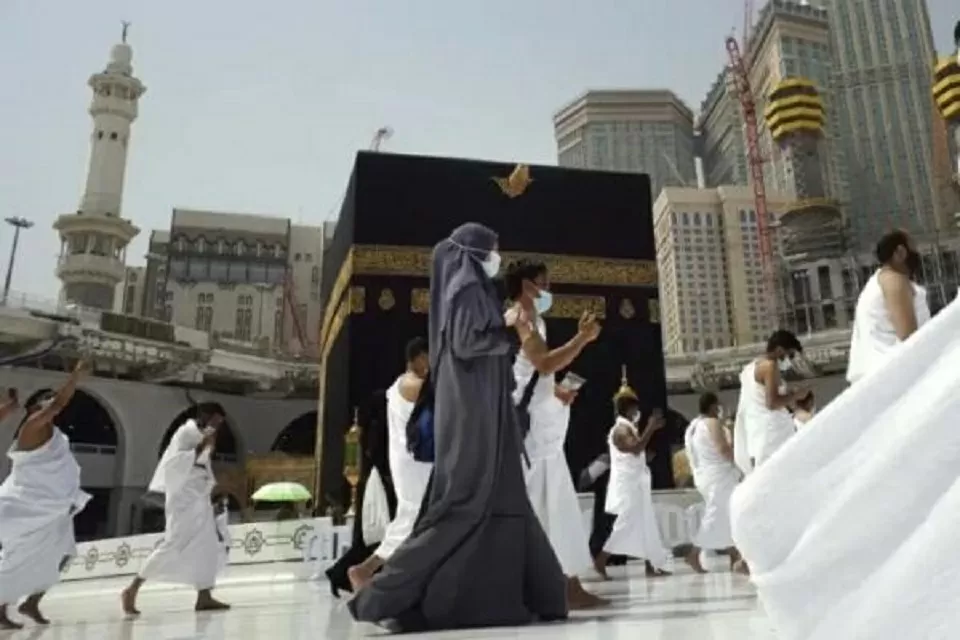
As the Islamic world anticipates the eleventh month of the Hijri calendar, Dhul-Qa’dah (ذو القعدة), a period of profound spiritual significance and historical resonance draws near. This month holds a unique distinction as the only time the Prophet Muhammad (peace be upon him) chose to perform the sacred pilgrimage of Umrah, a practice that serves as a powerful testament and guiding Sunnah for Muslims worldwide. Far from being an arbitrary choice, the Prophet’s consistent adherence to Dhul-Qa’dah for his Umrah journeys underscores the month’s inherent sanctity and its pivotal role within the broader Islamic calendar, particularly as the inaugural of the four revered Sacred Months.

The desire to perform Umrah, the lesser pilgrimage to the Holy City of Makkah, resonates deeply within the hearts of countless Muslims. It is a journey of spiritual purification, devotion, and a profound connection to the divine. For those aspiring to undertake this blessed journey, aligning their intentions and plans with the prophetic tradition of Dhul-Qa’dah offers an unparalleled opportunity to emulate the Sunnah of Rasulullah Shallallahu Alaihi Wassalam. As the Islamic calendar transitions, communities globally will soon mark the commencement of Dhul-Qa’dah, a month spanning approximately 30 days, serving as a prelude to the annual Hajj pilgrimage and initiating a crucial period of peace and heightened spiritual awareness.

The Prophetic Precedent: Umrah Exclusively in Dhul-Qa’dah

A cornerstone of Dhul-Qa’dah’s distinction lies in the unwavering practice of the Prophet Muhammad (PBUH) regarding Umrah. Historical accounts and authenticated Hadith unequivocally confirm that all his Umrah pilgrimages were undertaken during this specific month. This consistent choice by the Prophet (PBUH) elevates Dhul-Qa’dah to a particularly esteemed status for this sacred act of worship. The narration from Anas bin Malik (radhiyallahu ‘anhu), a revered companion of the Prophet, meticulously details these instances:

"Bahwa Rasulullah shollallahu ‘alaihi wasallam melakukan umrah 4 kali, semuanya di bulan Dzulqa’dah, kecuali umrah yang mengiringi haji beliau. (yaitu) Umrah dari Hudaibiyah atau di tahun perjanjian Hudaibiyah di bulan Dzulqa’dah, Umrah di tahun berikutnya di bulan Dzulqa’dah, Umrah dari Ji’ranah, dimana beliau membagi ghanimah Hunain di bulan Dzulqa’dah, dan umrah ketika beliau haji." (HR Al-Bukhari 1780 dan Muslim 1253)

This Hadith, preserved in the most authentic collections, provides a clear timeline and context for each of the Prophet’s Umrahs:

  1. Umrah of Hudaibiyah (6 AH / 628 CE): This was the Prophet’s first attempt to perform Umrah after the Hijrah (migration to Madinah). Accompanied by approximately 1,400 companions, he set out for Makkah in Dhul-Qa’dah. Although they were prevented from entering Makkah by the Quraysh, leading to the historic Treaty of Hudaibiyah, this journey is counted as an Umrah because the intention was made and the Ihram (sacred state) was entered. The treaty, despite its initial perceived disadvantages for Muslims, proved to be a strategic victory, paving the way for future peace and the spread of Islam.

  2. Umrah al-Qada (The Fulfilled Umrah) (7 AH / 629 CE): A year after the Hudaibiyah treaty, in accordance with its terms, the Prophet (PBUH) and his companions returned to Makkah in Dhul-Qa’dah to perform the Umrah they had been prevented from completing. This was a momentous occasion, allowing Muslims to openly perform rituals in their homeland after years of exile and conflict. This event marked a significant turning point, demonstrating the growing strength and legitimacy of the nascent Muslim community.

  3. Umrah from Ji’ranah (8 AH / 630 CE): Following the triumphant Battle of Hunain, which occurred shortly after the Conquest of Makkah, the Prophet (PBUH) performed an Umrah from Ji’ranah, a valley situated near Makkah. This Umrah was undertaken in Dhul-Qa’dah after the distribution of the spoils of war. This demonstrates that even amidst military engagements and their aftermath, the Prophet maintained the tradition of performing Umrah during this specific month, highlighting its enduring significance.

  4. Umrah with Hajj (10 AH / 632 CE): The final Umrah performed by the Prophet (PBUH) was in conjunction with his Farewell Hajj. He entered Makkah in Dhul-Qa’dah, performing the rituals of Umrah before commencing the rites of Hajj in the subsequent month of Dhul-Hijjah. This pilgrimage, his last, served as a comprehensive guide for Muslims on how to perform both Hajj and Umrah, solidifying the practices for generations to come.

The consistent timing of these Umrahs in Dhul-Qa’dah, with the exception of the one explicitly linked to his Hajj, strongly suggests a divine wisdom and preference for this month. Scholars have inferred several reasons for this choice, including the desire to avoid any suspicion of warfare during months when conflict was common, thereby demonstrating that his journey was purely for worship. It also served to establish a clear Sunnah, guiding his followers to undertake this blessed journey during a period marked by peace and spiritual focus.

Dhul-Qa’dah: The First of the Sacred Months

Beyond its connection to the Prophet’s Umrah, Dhul-Qa’dah holds a paramount position as the first of the four Ashhur al-Hurum (Sacred Months) in Islam. These months, revered and sanctified by Allah, are Dhul-Qa’dah, Dhul-Hijjah, Muharram, and Rajab. Their sanctity is firmly established in the Qur’an:

"Indeed, the number of months with Allah is twelve months in the Register of Allah since the day He created the heavens and the earth, of these, four are sacred. That is the correct religion, so do not wrong yourselves during them. And fight against the disbelievers collectively as they fight against you collectively. And know that Allah is with the righteous." (Surah At-Tawbah 9:36)

This verse underscores the divine ordination of these months and the special prohibitions associated with them. The primary hikmah (wisdom) behind the designation of these sacred months, particularly the consecutive sequence of Dhul-Qa’dah, Dhul-Hijjah, and Muharram, is to facilitate the peaceful performance of Hajj and Umrah. This extended period allowed pilgrims from distant lands to travel to Makkah, perform their rituals, and return home without fear of warfare or aggression. The cessation of hostilities during these months fostered an environment of security, enabling millions to fulfill their religious obligations.

The sanctity of these months brings with it profound spiritual implications:

  • Amplified Rewards: Good deeds performed during the Sacred Months are believed to carry greater rewards. This encourages Muslims to intensify their acts of worship, charity, and righteous conduct.
  • Amplified Sins: Conversely, committing sins or acts of injustice during these months is considered more grievous, incurring greater accountability. This serves as a powerful deterrent against wrongdoing and emphasizes the importance of moral uprightness.
  • Prohibition of Conflict: Historically, warfare and bloodshed were strictly forbidden during these months, except in cases of self-defense. This ancient tradition, predating Islam but affirmed and perfected by it, fostered periods of peace and allowed for safe passage for traders and pilgrims. This decree was not only part of the Sharia of Prophet Muhammad (PBUH) but also existed in the Sharia of Prophets Ibrahim and Ismail (peace be upon them).

The wisdom in establishing these periods of peace is particularly evident in the context of the Arabian Peninsula, where tribal conflicts were endemic. The Sacred Months provided a divinely mandated respite, allowing for trade, safe travel, and crucially, the unimpeded performance of religious duties. This framework highlights Islam’s emphasis on peace, justice, and the protection of human life and dignity.

Dhul-Qa’dah and Prophet Musa (AS): A Legacy of Divine Revelation

Adding another layer to Dhul-Qa’dah’s significance is its connection to the monumental event in the life of Prophet Musa (Moses, peace be upon him) – his forty nights of communion with Allah on Mount Sinai, during which he received the Torah. The Qur’an beautifully narrates this profound encounter:

"And We had appointed for Moses thirty nights (in Dzulqa’dah), and We completed them with [another] ten, so the appointed time of his Lord was completed as forty nights. And Moses said to his brother Aaron, "Take my place among my people, and set things right and do not follow the way of the corrupters." (QS Al-A’raf 7:142)

According to traditional interpretations, the initial thirty nights mentioned in this verse correspond to the entirety of Dhul-Qa’dah. The subsequent ten nights, which completed the forty-night period, are understood to be the first ten nights of Dhul-Hijjah. This interpretation imbues Dhul-Qa’dah with a historical and spiritual depth, linking it directly to one of the most significant instances of divine revelation in Abrahamic faiths. It signifies a month chosen by Allah for profound spiritual retreat, preparation, and the reception of divine guidance, further solidifying its sacred character.

Broader Impact and Implications for the Muslim Ummah

The multifaceted significance of Dhul-Qa’dah—as the month of the Prophet’s Umrahs, the first of the Sacred Months, and a period linked to Prophet Musa’s revelation—has several profound implications for the contemporary Muslim Ummah:

  • Spiritual Emulation and Adherence to Sunnah: The Prophet’s exclusive choice of Dhul-Qa’dah for Umrah serves as a powerful encouragement for Muslims to follow his example. Undertaking Umrah during this month is seen as an act of deeper devotion and adherence to the prophetic tradition, promising greater spiritual rewards and closeness to Allah.
  • Travel and Tourism Dynamics: The emphasis on Dhul-Qa’dah for Umrah naturally influences travel patterns. Islamic travel agencies often highlight the spiritual advantage of performing Umrah during this month, potentially leading to increased demand for packages during this period. This might involve special promotions or tailored itineraries that emphasize the Sunnah aspect, allowing pilgrims to consciously choose this time for their journey. Religious tourism operators often report a steady interest in Dhul-Qa’dah Umrah packages, noting that many pilgrims prioritize aligning their travel with the Prophet’s practice.
  • Ethical Conduct and Peacebuilding: The status of Dhul-Qa’dah as a Sacred Month reinforces the Islamic teachings on peace, justice, and self-restraint. It serves as a perennial reminder for Muslims to reflect on their actions, avoid conflict, and foster harmony within their communities and with others. Religious scholars frequently issue advisories during these months, urging believers to intensify their good deeds, uphold ethical standards, and refrain from any form of transgression, emphasizing that sins are magnified during this time.
  • Community Awareness and Education: Islamic organizations and mosques play a crucial role in raising awareness about the virtues of Dhul-Qa’dah. Through sermons, lectures, and educational campaigns, they inform the community about the historical significance, the prophetic practices, and the spiritual benefits of observing the sanctity of this month. This continuous education helps to preserve and transmit these important traditions across generations.
  • Preparation for Hajj: As the immediate precursor to Dhul-Hijjah and the Hajj pilgrimage, Dhul-Qa’dah also serves as a month of intense preparation for prospective pilgrims. It is a time for physical, mental, and spiritual readiness, including acquiring knowledge about Hajj rituals, seeking forgiveness, and strengthening one’s relationship with Allah.

Statements from Religious Authorities (Inferred)

Leading Islamic scholars and authorities consistently reiterate the unique merits of Dhul-Qa’dah. Sheikh Abdullah Al-Mansoori, a prominent Islamic jurisprudent, might state, "Dhul-Qa’dah offers Muslims an unparalleled opportunity to walk in the footsteps of our beloved Prophet. His consistent choice for Umrah in this month is not merely a historical note but a living Sunnah, guiding us to seek closeness to Allah during a divinely designated period of peace and intensified blessings. Performing Umrah in Dhul-Qa’dah is an act of deep reverence for the Prophet’s practice and an embodiment of true devotion."

Similarly, representatives from major Hajj and Umrah ministries or governmental religious bodies often emphasize the importance of Dhul-Qa’dah for pilgrims. A spokesperson from the Ministry of Hajj and Umrah might highlight, "We encourage pilgrims to consider Dhul-Qa’dah for their Umrah journeys, not only for the spiritual benefits of following the Sunnah but also for the logistical advantages it may offer as a less crowded period compared to peak seasons. Our facilities and services are fully prepared to welcome all who choose to embark on this blessed journey during this sacred month." This also implicitly acknowledges the slightly lower crowds before the massive influx for Hajj in Dhul-Hijjah.

Conclusion

Dhul-Qa’dah stands as a month of immense spiritual wealth and historical significance in the Islamic calendar. Its distinction as the exclusive month for the Prophet Muhammad’s Umrah, its status as the first of the Sacred Months where peace prevails and deeds are amplified, and its profound connection to Prophet Musa’s divine encounter on Mount Sinai, collectively weave a rich tapestry of blessings and guidance. For Muslims around the globe, the arrival of Dhul-Qa’dah is a timely invitation to deepen their faith, emulate prophetic traditions, and engage in acts of worship with heightened awareness and devotion, embracing a period divinely ordained for peace, reflection, and spiritual growth. The enduring relevance of these traditions continues to shape contemporary Muslim practice, reinforcing the timeless wisdom embedded within the Islamic faith.
June 27, 2025 0 comment
0 FacebookTwitterPinterestEmail
Economy & Finance

Luxury Fashion Giants Grapple with Plummeting Sales and Stock Declines Amidst Geopolitical Tensions and Softening Global Demand

by Suro Senen June 27, 2025
written by Suro Senen

Jakarta, VIVA – The glittering world of high fashion faced a stark reality check on Wednesday, April 15, 2026, as shares of leading luxury brands plummeted following a series of disappointing first-quarter earnings reports. The downturn, which saw market capitalization erode across the sector, was largely attributed to a significant decline in sales, exacerbated by the ongoing geopolitical conflict in the Middle East and broader macroeconomic headwinds impacting consumer spending. This marked a sharp reversal for an industry that had enjoyed a period of robust growth in the immediate post-pandemic era, now confronting a more volatile and uncertain global economic landscape.

The immediate fallout was evident in the stock market, where shares of Hermès, the epitome of discreet luxury, experienced a significant correction, dropping by an alarming 14%. This sharp decline sent ripples across the luxury sector, dragging down other prominent players within the LVMH Moët Hennessy Louis Vuitton conglomerate. Brands such as Burberry, Christian Dior, LVMH itself, and Moncler, all integral components of the prestigious Stoxx 600 index, saw their stock prices fall within a range of 2% to 3% during the trading session. The collective dip signaled a widespread concern among investors regarding the sector’s immediate prospects and its vulnerability to external shocks.

A Challenging Start to 2026: Q1 Performance Overview

The first quarter of 2026 proved to be a formidable challenge for luxury powerhouses, with several key players failing to meet market expectations. Hermès, despite its typically resilient performance, reported sales of €4.1 billion for the quarter. While the company noted a 7% increase in sales within its own group stores, this growth was overshadowed by a significant contraction in its wholesale activities. This particular segment, crucial for its reach into various markets, was "significantly impacted by a decrease in sales to concession stores, especially in the Middle East and airports," according to a statement from Hermès management, as quoted by CNBC International on April 15, 2026. The company specifically highlighted the adverse effect of "a slowdown in tourist flows related to the situation in the Middle East," underscoring the direct link between geopolitical instability and consumer behavior in key retail hubs.

The challenges were not isolated to Hermès. Kering, the French luxury group that houses iconic brands like Gucci, Saint Laurent, and Balenciaga, also delivered a performance that fell short of analyst forecasts. The group’s first-quarter revenue amounted to €3.57 billion, representing a 6% year-on-year decrease. The most significant drag on Kering’s performance came from its flagship brand, Gucci, which reported an 8% decline in sales. This figure was notably worse than what analysts had anticipated, intensifying concerns about the brand’s ongoing turnaround strategy. Kering acknowledged that despite experiencing growth in the first two months of the year, the overall quarter concluded with an 11% sales decline for the group. The Middle East, where Kering operates 79 stores and generates approximately 5% of its total retail revenue, was identified as a significant contributor to this downturn, reflecting similar pressures faced by Hermès.

Geopolitical Undercurrents: The Middle East Conflict’s Broad Impact

The direct correlation drawn by luxury executives between their Q1 performance and the unresolved Middle East conflict highlights a critical vulnerability in the luxury sector: its dependence on global tourism and discretionary spending. The ongoing hostilities have not only disrupted travel patterns but also significantly eroded consumer confidence, particularly among high-net-worth individuals (HNWIs) who form the core clientele for these brands.

Saham Fesyen Mewah Nyungsep, Hermes Ambles Dua Digit Imbas Konflik Timur Tengah

The conflict has led to several discernible impacts. Firstly, a noticeable reduction in international tourist traffic, especially from key markets that frequently travel through or to the Middle East, has directly hit sales at airport duty-free shops and concession stores. These retail points are often crucial for impulse purchases and for travelers seeking tax-free luxury goods. Secondly, consumer sentiment within the affected regions, including the Gulf Cooperation Council (GCC) countries which are significant luxury markets, has been dampened. Economic uncertainty and social unrest tend to make consumers more cautious about non-essential, high-value purchases. Thirdly, there are broader logistical and supply chain implications, even if not explicitly stated as a primary driver for the Q1 decline, geopolitical tensions invariably add layers of complexity and cost to global operations. The perception of instability alone can deter shoppers and investors alike.

This situation is a stark reminder of how interconnected the global economy and luxury market are, where regional conflicts can have far-reaching financial consequences for multinational corporations. The Middle East, historically a vibrant hub for luxury consumption and a crucial transit point for affluent travelers from Asia and Europe, now represents a significant headwind for the industry.

The Post-Pandemic Boom and Subsequent Correction

The recent downturn must be viewed within the context of the preceding years. The luxury fashion sector experienced an unprecedented boom from late 2020 through 2022. This period, often characterized by "revenge spending" following prolonged lockdowns, saw consumers, particularly in developed markets and China, eager to indulge in luxury goods. Brands responded by raising prices, which, coupled with robust demand, led to impressive revenue and profit growth. Companies like LVMH and Kering consistently outperformed market expectations, driving investor optimism and pushing their stock valuations to new highs.

However, signs of a slowdown began to emerge in late 2023 and intensified into 2024. The initial surge in demand started to normalize, and several macroeconomic factors began to bite. High inflation, rising interest rates, and a general cost-of-living crisis in many parts of the world started to erode consumer purchasing power. Furthermore, the critical Chinese market, which accounts for a substantial portion of global luxury sales, began to show significant signs of weakness. China’s economic slowdown, characterized by challenges in the property sector, high youth unemployment, and cautious consumer spending, has significantly impacted luxury brands that heavily rely on Chinese shoppers, both domestically and abroad. This weakening demand in a pivotal market, combined with the new geopolitical pressures, created a perfect storm for the luxury sector as it entered 2026.

Corporate Responses and Strategic Pivots

In response to these challenging conditions, luxury groups are emphasizing strategic adjustments and internal transformations. Luca de Meo, CEO of Kering, acknowledged the difficult environment but reiterated the group’s commitment to revitalizing its core brands. "Gucci remains our top priority," de Meo stated, indicating the profound importance of the brand’s turnaround for Kering’s overall performance. He added, "A comprehensive transformation is underway, with decisive steps on the customer side, distribution, and especially product offerings." This suggests a multi-pronged approach focusing on enhancing brand desirability, optimizing retail channels, and innovating product lines to reignite consumer interest.

For Hermès, despite the wholesale segment’s struggles, the reported 7% growth in group store sales indicates a resilient core customer base and strong brand loyalty for its directly managed outlets. This suggests that while external factors like tourism dips affect broader sales, the brand’s exclusive appeal continues to resonate with its most dedicated clientele. However, the reliance on high-margin wholesale and travel retail channels means that strategies to mitigate geopolitical impacts on these segments will be crucial.

Saham Fesyen Mewah Nyungsep, Hermes Ambles Dua Digit Imbas Konflik Timur Tengah

Analysts and industry observers will be keenly watching how these luxury giants adapt their strategies. This could include a renewed focus on local markets to offset reduced tourist spending, enhanced digital engagement and e-commerce initiatives, and a potential shift in product mix towards more timeless, investment-worthy pieces rather than transient fashion trends. Furthermore, strengthening relationships with existing loyal customers through personalized experiences will become even more critical in a market where new customer acquisition might prove more challenging.

Broader Implications and Market Outlook

The struggles of the luxury fashion sector in Q1 2026 carry broader implications for the global economy and investment landscape. A slowdown in luxury often serves as an early indicator of softening discretionary spending and wavering consumer confidence among the affluent, which can eventually trickle down to other sectors. Investors are now re-evaluating their portfolios, potentially shifting away from luxury stocks that have historically commanded high valuations due to their perceived resilience. The current environment underscores that even the most exclusive brands are not immune to global economic and political volatility.

The market’s attention is now firmly fixed on Kering’s upcoming Capital Markets Day, where the group is expected to unveil a more detailed recovery strategy. Investors will be looking for concrete plans on how Kering intends to reinvigorate Gucci, streamline its brand portfolio, and navigate the persistent global uncertainties. Similar strategic updates are anticipated from other luxury players as they confront a new reality defined by slower growth, increased competition, and unpredictable external factors.

Looking ahead, the luxury market is likely to bifurcate further. Brands with extremely strong heritage, unique craftsmanship, and highly exclusive offerings, like certain segments of Hermès, may continue to demonstrate resilience among ultra-high-net-worth individuals. However, brands that rely more on aspirational consumers or fast-moving trends might face a more protracted period of adjustment. The emphasis will shift from simply increasing prices to delivering unparalleled value, cultivating deeper customer relationships, and demonstrating agility in adapting to regional market nuances and evolving consumer preferences.

The Q1 2026 earnings reports serve as a powerful reminder that the luxury sector, despite its aura of exclusivity and imperviousness, remains fundamentally linked to the ebb and flow of global economics and geopolitics. The period of easy growth appears to be over, ushering in an era where strategic acumen, operational efficiency, and a deep understanding of a complex global consumer base will be paramount for sustained success. The industry is at a critical juncture, and the coming quarters will reveal which brands are best equipped to navigate these turbulent waters and emerge stronger.

June 27, 2025 0 comment
0 FacebookTwitterPinterestEmail
Economy & Finance

Solusi BSI Kala Nasabah Ramai-ramai Ingin Cetak Emas Fisik

by Suro Senen June 26, 2025
written by Suro Senen

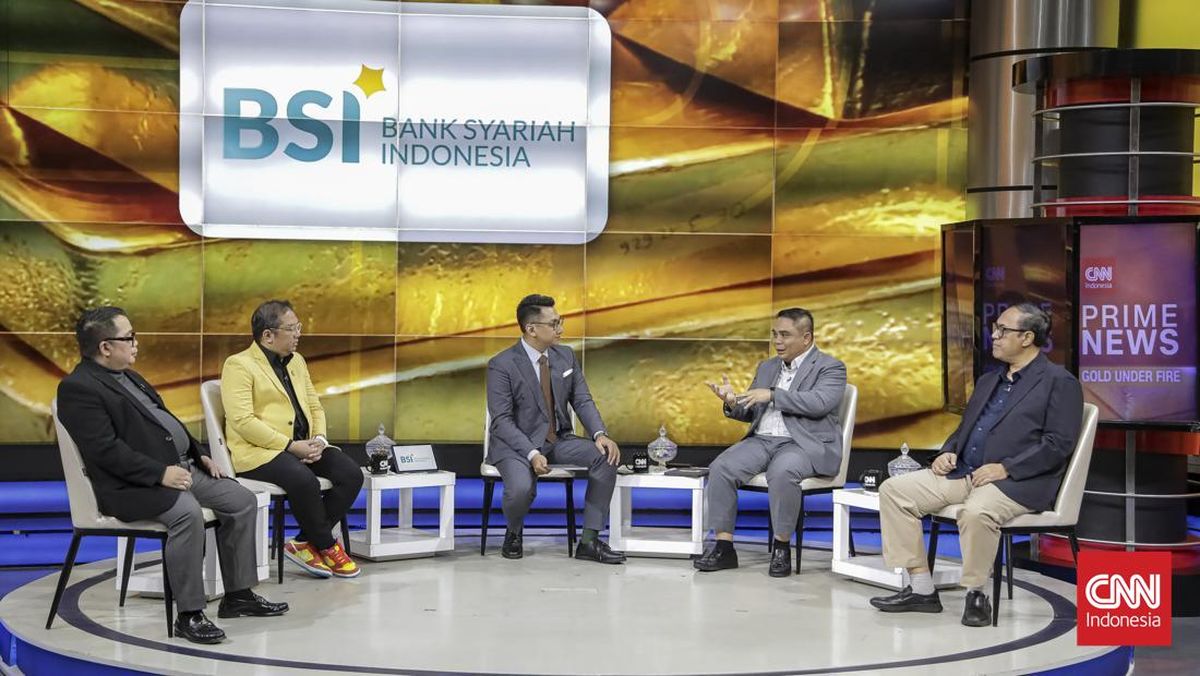
PT Bank Syariah Indonesia Tbk (BSI), a leading Islamic financial institution in Indonesia, has proactively developed a multi-faceted strategy to address and effectively manage a projected increase in demand for physical gold redemptions and printing. This strategic foresight comes amidst a global economic climate marked by heightened uncertainty, inflationary pressures, and geopolitical tensions, which historically tend to bolster the appeal of gold as a safe-haven asset. The core of BSI’s preparedness revolves around meticulously maintaining robust liquidity and fostering unwavering customer confidence in its Sharia-compliant gold investment products. Anton Sukarma, Director of Sales and Distribution at BSI, articulated this approach during a CNN Indonesia Prime News segment titled "Gold Under The Fire" on Wednesday, April 15, underscoring that the institution’s ability to ensure immediate availability of assets is the linchpin of its operational philosophy and a fundamental tenet of customer trust.

The Imperative of Liquidity and Customer Trust

Sukarma’s statement highlights a crucial aspect of financial services, particularly within the sensitive realm of asset-backed investments like gold. "Kepercayaan orang itu terkait dengan aset yang dia miliki dan disimpan di lembaga yang dia yakini benar, itu kuncinya likuiditas. Karena orang itu kadang-kadang perlu kapan, itu harus tersedia," he explained, which translates to: "People’s trust is related to the assets they own and store in an institution they believe in; the key is liquidity. Because sometimes people need it, it must be available." This principle is even more pronounced in Islamic finance, where ethical considerations, transparency, and the tangible backing of assets are fundamental. Customers investing in gold, especially physical gold, inherently expect the ability to convert their digital holdings into physical form or liquidate them swiftly without impediment. A failure to meet these expectations can rapidly erode trust, leading to potential "bank runs" or, in this context, "gold rushes," where a mass exodus of investors simultaneously attempts to redeem their assets. BSI’s emphasis on liquidity, therefore, is not merely a risk management exercise but a foundational commitment to its Sharia principles and customer satisfaction. The bank recognizes that in times of economic volatility, investors often seek tangible assets like gold as a hedge against currency depreciation and market instability. The readiness to fulfill redemption requests, whether for physical gold or its cash equivalent, directly reinforces the bank’s credibility and stability in the eyes of its clientele.

Strategic Retail Sales Approach to Mitigate Systemic Risk

To effectively manage potential surges in redemption requests and prevent systemic shocks, BSI has adopted a deliberate retail-centric approach to its gold sales. This strategy is designed to diversify its customer base and minimize the risk of a synchronized withdrawal event. Anton Sukarma elaborated on this, stating, "Kita lebih suka menjualnya dalam bentuk penjualan-penjualan retail. Karena dengan retail itu, orang jarang bersepakat untuk menarik di waktu yang sama, sehingga kemungkinan terjadinya rush relatif kecil." This translates to: "We prefer to sell it in the form of retail sales. Because with retail, people rarely agree to withdraw at the same time, so the possibility of a rush is relatively small."

Unlike large institutional investors who might move substantial sums simultaneously based on market indicators or coordinated strategies, retail investors typically operate independently, driven by individual financial needs or personal assessments of market conditions. By cultivating a broad base of individual gold investors, BSI inherently fragments the redemption risk. Even if a significant number of retail clients decide to withdraw their gold, the likelihood of all or most doing so concurrently, creating a "rush" that overwhelms the system, is substantially reduced. This distribution strategy acts as a natural buffer, allowing the bank to manage outflows more predictably and sustainably, thereby preserving its liquidity and operational integrity during periods of high demand. This also aligns with the democratisation of investment, making gold accessible to a wider segment of the Indonesian population, fostering financial inclusion while prudently managing inherent risks.

Operational Efficiency and Rapid Redemption Processes

Beyond strategic sales, BSI has invested significantly in enhancing its operational efficiency to ensure that the redemption process for gold is swift and seamless. Sukarma highlighted the robustness of their internal systems: "Sistem kami pun sudah dibuat, ketika orang menjual, maka sesegera mungkin kita deliver cash-nya. Sehingga orang percaya bahwa aset dia aman." This means: "Our system has also been designed so that when people sell, we deliver the cash as soon as possible. So people trust that their assets are safe."

In a digital age, where financial transactions are expected to be instantaneous, the speed of liquidation is a critical factor in maintaining customer satisfaction and trust. For gold investments, this translates to either the rapid physical delivery of gold or the immediate crediting of cash equivalent to the customer’s account. BSI’s commitment to expediting cash delivery upon sale demonstrates its understanding of investor psychology and market demands. A quick and reliable redemption process reinforces the perceived liquidity of the investment, assuring customers that their assets are not only secure but also readily accessible. This operational excellence is crucial in preventing anxiety among investors, particularly during periods of market stress when access to funds can be paramount. The integration of advanced technology and streamlined back-end processes underpins this capability, ensuring that customer requests are handled with efficiency and transparency, further bolstering BSI’s reputation as a trustworthy financial partner.

Contingency Planning for Extreme Scenarios

Recognizing that even the most robust strategies can be tested by unforeseen extreme market conditions, BSI has also established comprehensive contingency plans. These include preparing substantial liquidity reserves and securing support from various external parties to manage exceptionally high demand for physical gold. While the specifics of these "various parties" were not detailed, in the broader financial context, such support typically involves collaboration with the central bank (Bank Indonesia), other major financial institutions, and potentially international gold suppliers or refiners.

These contingency measures serve as a critical safety net. Liquidity reserves, often held in highly liquid assets or cash, provide an immediate buffer against unexpected surges in withdrawals. Access to external support, on the other hand, ensures that BSI can tap into broader financial resources and supply chains to meet demand that might exceed its internal capacity. This multi-layered approach to risk management reflects a prudent banking practice, ensuring that BSI remains resilient even under the most challenging market conditions. It also signals to regulators and the broader market that the bank is well-prepared to uphold its obligations and maintain financial stability, reinforcing confidence in the overall Islamic banking sector in Indonesia.

Global Economic Headwinds Fueling Gold Demand

The context for BSI’s proactive measures is rooted in the current global economic landscape. The period leading up to and following Anton Sukarma’s statement on April 15 has been characterized by several significant macroeconomic factors that traditionally drive demand for gold. Persistent global inflation, spurred by supply chain disruptions, elevated energy prices, and expansionary fiscal policies in major economies, has eroded the purchasing power of fiat currencies. In response, investors increasingly turn to gold as a store of value, perceiving it as a reliable hedge against inflationary pressures.

Furthermore, geopolitical tensions, including ongoing conflicts and trade disputes, inject an element of uncertainty into financial markets. Such instability often prompts a flight to safety, with investors reallocating assets from riskier equities and bonds to perceived safe havens like gold. Central banks globally have also increased their gold reserves, signaling a broader institutional recognition of gold’s role in portfolio diversification and national financial stability. The trajectory of interest rates by major central banks, particularly the U.S. Federal Reserve, also plays a crucial role. While rising interest rates can make non-yielding assets like gold less attractive by increasing the opportunity cost of holding them, persistent real negative interest rates (where inflation outpaces nominal interest rates) can still favor gold. These intertwined factors create a fertile ground for heightened gold investment, making BSI’s preparations particularly timely and relevant.

Gold’s Enduring Appeal as a Safe Haven Asset

Gold has maintained its status as a premier safe-haven asset for millennia, a reputation built on its intrinsic value, rarity, and relative insulation from the volatility of paper currencies and political instability. In modern financial markets, its appeal is multifaceted. It acts as an inflation hedge, preserving wealth during periods of rising prices. It offers portfolio diversification, often exhibiting a low or negative correlation with other asset classes like stocks and bonds, thus reducing overall portfolio risk. Moreover, gold is a tangible asset, providing psychological comfort to investors who prefer holding something physical rather than purely digital or paper-based claims, especially during times of systemic doubt in financial institutions.

Solusi BSI Kala Nasabah Ramai-ramai Ingin Cetak Emas Fisik

For Indonesian investors, the cultural significance of gold also plays a role. Gold has long been a traditional form of savings and wealth preservation, often passed down through generations. This cultural affinity, combined with gold’s fundamental economic characteristics, ensures its enduring demand within the domestic market, further validating BSI’s strategic focus on this asset class. The accessibility of Sharia-compliant gold products through institutions like BSI only strengthens this appeal, providing a legitimate and ethical avenue for devout Muslim investors to participate in the gold market.

The Rise of Sharia-Compliant Gold Investment

The growth of Islamic finance globally has led to an increasing demand for Sharia-compliant investment products. Traditional gold investments, while often seen as permissible, required specific guidelines to ensure adherence to Islamic principles, particularly concerning riba (interest), gharar (uncertainty), and maysir (gambling). The Accounting and Auditing Organization for Islamic Financial Institutions (AAOIFI) played a pivotal role in 2016 by issuing the Sharia Standard on Gold, which provided clear guidelines for gold-backed products in Islamic finance. This standard opened the door for institutions like BSI to offer structured, transparent, and ethically sound gold investment products.

BSI’s gold products, therefore, are designed to comply with these rigorous standards. This typically involves ensuring that the gold is physically backed, identifiable, and that transactions do not involve speculative derivatives or excessive uncertainty. For devout Muslim investors, the availability of such certified products is crucial, allowing them to participate in the gold market without compromising their religious beliefs. This niche but growing market segment represents a significant opportunity for Islamic banks and underscores the importance of BSI’s readiness to meet both the Sharia requirements and the physical demand for gold.

BSI’s Position in Indonesia’s Islamic Finance Landscape

As the largest Sharia bank in Indonesia, BSI holds a unique and influential position within the nation’s financial ecosystem. Formed from the merger of the Islamic units of three state-owned banks – PT Bank Mandiri Tbk, PT Bank Negara Indonesia Tbk (BNI), and PT Bank Rakyat Indonesia Tbk (BRI) – BSI commenced operations in February 2021. This consolidation aimed to create a robust and competitive Islamic bank capable of competing with conventional counterparts and becoming a global player in Sharia finance.

BSI’s scale and reach, with an extensive network across the archipelago, make it a critical conduit for Islamic financial products and services in Indonesia, a country with the world’s largest Muslim population. Its ability to effectively manage demand for products like gold investment not only impacts its own financial health but also serves as a bellwether for the broader Indonesian Islamic finance sector. A well-executed strategy by BSI in managing gold liquidity can enhance confidence in Sharia-compliant investments, potentially attracting more customers to the Islamic banking sector and reinforcing Indonesia’s position as a hub for global Islamic finance.

Broader Implications for the Indonesian Financial Market

BSI’s proactive strategy for gold redemptions carries significant implications beyond the bank itself, touching upon the stability and maturity of the broader Indonesian financial market. If BSI, as a leading institution, can smoothly handle a surge in gold demand, it sends a strong signal of resilience to both domestic and international investors. This can enhance overall confidence in Indonesia’s financial system, particularly in its capacity to manage asset-backed investments during periods of market stress.

Conversely, any perceived weakness or difficulty in meeting redemption requests could trigger broader concerns, potentially leading to a contagion effect across other financial products or institutions. Therefore, BSI’s meticulous planning is not just about safeguarding its own interests but also about contributing to the systemic stability of Indonesia’s financial sector. It highlights the growing importance of physical assets and their liquidity management in a diversified economy. Furthermore, the increased accessibility and trustworthiness of Sharia-compliant gold products through BSI can deepen financial inclusion, offering more diverse and ethically aligned investment avenues for the Indonesian populace. This, in turn, can contribute to the overall economic resilience of the nation by encouraging savings and investment in tangible, stable assets.

Regulatory Oversight and Market Stability

The preparedness of institutions like BSI is also subject to scrutiny and oversight by regulatory bodies such as the Financial Services Authority (OJK) and Bank Indonesia (BI). These authorities are tasked with ensuring the stability and health of the financial system. BSI’s strategies, including its liquidity management and contingency plans, would be aligned with regulatory requirements designed to prevent systemic risks. Regulators often require banks to maintain adequate capital and liquidity buffers against various market shocks, and gold redemptions would fall under these considerations.

The OJK and BI would closely monitor trends in gold investment and redemption to identify any emerging risks. BSI’s proactive communication and transparent strategies likely contribute to a favorable regulatory environment, demonstrating its commitment to sound risk management practices. This collaborative approach between financial institutions and regulators is essential for maintaining market integrity and investor confidence, especially in developing markets like Indonesia where rapid growth in specific product categories, such as Sharia-compliant gold, necessitates robust oversight.

Future Outlook for Gold and Sharia Banking

Looking ahead, the demand for gold is likely to remain robust, driven by persistent global uncertainties, inflationary pressures, and the continued growth of the middle class in emerging economies, including Indonesia. For Islamic finance, the innovation in Sharia-compliant products, coupled with increasing awareness and demand from a devout Muslim population seeking ethical investment options, suggests a sustained upward trajectory for gold investment through Islamic banks.

BSI’s continued investment in robust systems, customer-centric strategies, and strong liquidity management will be crucial for its sustained success in this environment. Its ability to navigate the complexities of global economic shifts while adhering to Sharia principles will not only solidify its leadership in Indonesia but also strengthen its position as a significant player in the global Islamic finance landscape. The evolution of digital platforms for gold investment, coupled with BSI’s physical infrastructure, will likely play a key role in making these products even more accessible and attractive to a broader demographic, further integrating gold as a staple investment within the Sharia banking framework.

In conclusion, BSI’s comprehensive approach to managing anticipated surges in physical gold demand underscores its commitment to customer trust, operational excellence, and systemic stability. By prioritizing liquidity, adopting a retail-focused sales strategy, ensuring rapid redemption processes, and establishing robust contingency plans, BSI is not merely reacting to market trends but proactively shaping a secure and trustworthy environment for gold investors within the burgeoning Indonesian Islamic finance sector. This strategic foresight is crucial not only for BSI’s continued growth but also for reinforcing confidence in Indonesia’s broader financial market during periods of global economic flux.

June 26, 2025 0 comment
0 FacebookTwitterPinterestEmail
Economy & Finance

KAI Siapkan Layanan Wifi 5G di Kereta Jarak Jauh, Ini Daftarnya

by Azzam Bilal Chamdy June 25, 2025
written by Azzam Bilal Chamdy

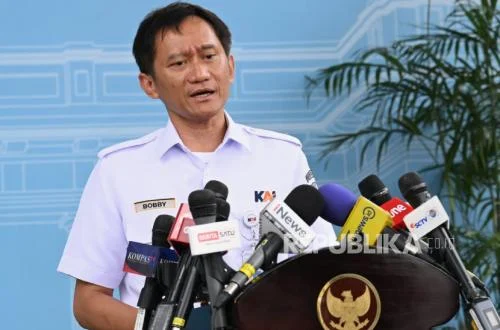
PT Kereta Api Indonesia (Persero) (KAI), Indonesia’s state-owned railway operator, has announced an ambitious target to implement 5G WiFi services for its long-distance train passengers by June 2026, strategically coinciding with the peak holiday season. This initiative aims to significantly enhance the passenger experience by providing robust and high-speed internet connectivity, directly addressing persistent complaints about the current quality of onboard internet services. The announcement follows a pivotal tripartite strategic Memorandum of Understanding (MoU) signed on Wednesday, April 15, 2026, at Tanah Abang Station in Jakarta, involving KAI, PT Solusi Sinergi Digital Tbk (SURGE), and PT Huawei Tech Investment (Huawei). This partnership extends beyond passenger connectivity, encompassing a broader vision for the accelerated adoption of 5G and Artificial Intelligence (AI) technologies across Indonesia’s entire railway system, promising advancements in operational efficiency, safety, and digital infrastructure.

Addressing the Connectivity Gap: A Priority for Passenger Satisfaction

The primary driver behind KAI’s push for 5G WiFi is the long-standing dissatisfaction among passengers regarding the existing internet services on trains. KAI President Director Bobby Rasyidin acknowledged these issues, stating, "Currently, there are many complaints that the internet on trains is not good, and streaming quality is poor. Therefore, we are striving to bring 5G networks to improve internet services starting from June-July [2026]." This candid admission underscores KAI’s commitment to customer-centric service improvement. In an increasingly connected world, reliable internet access has become an essential amenity, not just a luxury, especially for long-distance travel. Passengers expect to be able to work, stream entertainment, communicate with family and friends, and access information seamlessly throughout their journey. The current limitations often lead to frustrating experiences, particularly when attempting data-intensive activities like video streaming or video calls.

The planned rollout of 5G WiFi is a direct response to these demands. By leveraging the superior speeds, lower latency, and increased capacity of 5G technology, KAI aims to deliver an internet experience comparable to, if not better than, what passengers enjoy in urban environments. This upgrade is anticipated to transform train journeys, allowing passengers to stream high-definition videos, engage in video conferencing, and maintain stable internet connections for work or leisure activities without interruption. The strategic timing of the June 2026 launch, coinciding with a major holiday period, is designed to immediately impact a large volume of travelers, showcasing KAI’s commitment during a time of high demand for its services.

Phased Implementation and Key Routes

KAI has outlined a phased approach for the 5G WiFi implementation, prioritizing routes with high passenger traffic, particularly during holiday seasons. The initial focus will be on major corridors connecting Jakarta with Semarang, Yogyakarta, and Surabaya. These routes, known for their popularity among both leisure and business travelers, will serve as the vanguard for KAI’s enhanced digital services. Bobby Rasyidin specified, "We will prioritize our main trains first, such as those going to Yogyakarta. Perhaps KA Taksaka first, then those passing through the northern route like KA Argo, those are our priorities."

The choice of these specific routes and train types reflects a data-driven strategy. Trains like KA Taksaka and KA Argo services are premium offerings, often attracting passengers who are more likely to demand and utilize high-quality internet services. By targeting these routes first, KAI can gather valuable feedback, fine-tune the technology, and demonstrate the tangible benefits of 5G connectivity to a significant portion of its customer base. Success on these flagship routes will then pave the way for broader implementation across the entire long-distance network. The northern route, connecting major cities across Java, is a critical economic and social artery, making it an ideal candidate for showcasing advanced connectivity solutions.

The Strategic Tripartite Partnership: A Foundation for Digital Future

The ambitious vision for 5G connectivity and broader digital transformation is underpinned by the strategic MoU signed between KAI, SURGE, and Huawei. This partnership brings together KAI’s extensive railway network and operational expertise, SURGE’s digital infrastructure and connectivity solutions, and Huawei’s cutting-edge 5G and AI technologies. This collaboration is structured around three core pillars, designed to holistically advance Indonesia’s railway system:

  1. ICT Infrastructure Cooperation: This foundational aspect involves the establishment of a robust backbone network, comprehensive wireless coverage at stations and depots, and cloud solutions. The objective is to ensure business continuity, provide flexibility for service expansion, and create a resilient digital environment essential for modern railway operations. A strong ICT backbone is crucial for supporting not only passenger WiFi but also operational communication, data analytics, and future smart railway applications. Wireless coverage at stations and depots will enhance efficiency for KAI staff and offer seamless connectivity for passengers even before boarding. Cloud solutions will provide the necessary agility and scalability for managing vast amounts of data generated by an increasingly digitized railway system.

  2. 5G FRMCS (Future Railway Mobile Communication System) Network and Applications: This area focuses on deploying 5G FRMCS to significantly enhance railway safety, efficiency, and overall service quality. FRMCS is a global standard for railway communication, designed to replace older GSM-R systems, offering superior capabilities for train control, operational communication, and real-time data exchange. The MoU includes a pilot project on the Rangkasbitung-Tanah Abang line, specifically targeting improved level crossing safety and intelligent train dispatching. This pilot is critical for demonstrating how advanced 5G communication can prevent accidents at level crossings, optimize train schedules, and enable more precise and efficient management of train movements, ultimately contributing to a safer and more reliable railway network.

  3. AI-based Freight Wagon Detection: This innovative application of AI will revolutionize freight operations. By implementing AI-powered video analytics, the system will enable intelligent detection of anomalies and automatic warnings for freight trains. This will drastically improve the efficiency of wagon turnaround, reduce the need for manual inspections, and enhance overall safety in cargo transportation. AI can identify potential issues like damaged parts, improper loading, or overheating axles much faster and more accurately than human inspection, leading to proactive maintenance, reduced delays, and greater operational reliability for KAI’s freight services.

SURGE and Huawei: Key Enablers of Digital Transformation

The success of KAI’s digital ambitions heavily relies on the expertise and resources brought by its partners. PT Solusi Sinergi Digital Tbk (SURGE) is a prominent player in Indonesia’s digital infrastructure landscape. Leveraging its extensive fiber optic network, which often runs alongside railway lines, SURGE is uniquely positioned to provide the robust backbone connectivity required for 5G deployment across KAI’s vast network. Their role will be critical in building the physical and digital infrastructure that supports both passenger connectivity and operational systems. SURGE’s experience in deploying large-scale digital solutions across various sectors in Indonesia makes them an ideal partner for such a complex and widespread project.

PT Huawei Tech Investment (Huawei), a global leader in information and communications technology, brings unparalleled expertise in 5G technology and AI solutions. Huawei’s contributions will include providing the necessary 5G equipment, network architecture design, and technical implementation support. Their track record in deploying advanced railway communication systems globally, including FRMCS, positions them as a strategic technology partner. Huawei’s AI capabilities will be instrumental in developing and deploying the intelligent detection systems for freight wagons, showcasing their commitment to delivering cutting-edge solutions that drive efficiency and safety. The collaboration with Huawei underscores KAI’s commitment to adopting world-class technology for its modernization efforts.

Broader Implications for Indonesia’s Digital Landscape

KAI’s initiative is not merely an isolated project; it holds significant implications for Indonesia’s broader digital transformation agenda. As the country continues to push for enhanced digital connectivity and 5G adoption, KAI’s efforts contribute directly to achieving national goals. The deployment of 5G infrastructure along railway corridors will extend high-speed internet access to previously underserved areas, fostering digital inclusion and supporting economic activities in regions traversed by trains.

Furthermore, this project positions KAI as a pioneer in smart transportation in Indonesia. By integrating 5G and AI into its operations, KAI is setting a precedent for other state-owned enterprises and transportation sectors to embrace advanced technologies for improved service delivery, safety, and efficiency. The move towards a digitally integrated railway system aligns with the government’s vision for smart cities and smart infrastructure, where connectivity and intelligent systems are foundational.

The economic impact of this initiative is also noteworthy. The significant investment in 5G infrastructure and AI solutions will stimulate growth in the technology sector, potentially creating new job opportunities in installation, maintenance, and software development. It also enhances Indonesia’s attractiveness as a hub for technological innovation and digital investment.

The Path Ahead: Challenges and Opportunities

While the announcement marks a significant step forward, the implementation of such a large-scale technological upgrade will undoubtedly present challenges. Ensuring seamless 5G coverage across thousands of kilometers of railway lines, including tunnels and remote areas, will require extensive network planning and deployment. Managing the integration of new 5G and AI systems with existing legacy infrastructure will also be a complex task. Cybersecurity will be paramount, requiring robust measures to protect sensitive operational data and passenger information.

However, the opportunities presented by this digital transformation far outweigh the challenges. The enhanced passenger experience is expected to boost ridership, making train travel a more attractive and competitive option. Improved operational efficiency through 5G FRMCS and AI will lead to cost savings, reduced delays, and a more reliable railway service. Most importantly, the advancements in safety, particularly through intelligent level crossing management and freight wagon detection, will save lives and prevent accidents, reinforcing KAI’s commitment to public welfare.

As KAI moves towards its June 2026 target, the eyes of both passengers and industry observers will be on this ambitious project. The successful implementation of 5G WiFi and integrated AI solutions will not only redefine train travel in Indonesia but also solidify KAI’s position at the forefront of digital innovation within the national transportation sector, contributing significantly to a more connected, efficient, and safer Indonesia.

June 25, 2025 0 comment
0 FacebookTwitterPinterestEmail
Politics

Turun Ranjang Airs Tonight: A Deep Dive into Natha’s Past and Albi-Naza’s Fractured Present

by Layla Zulfa June 24, 2025
written by Layla Zulfa

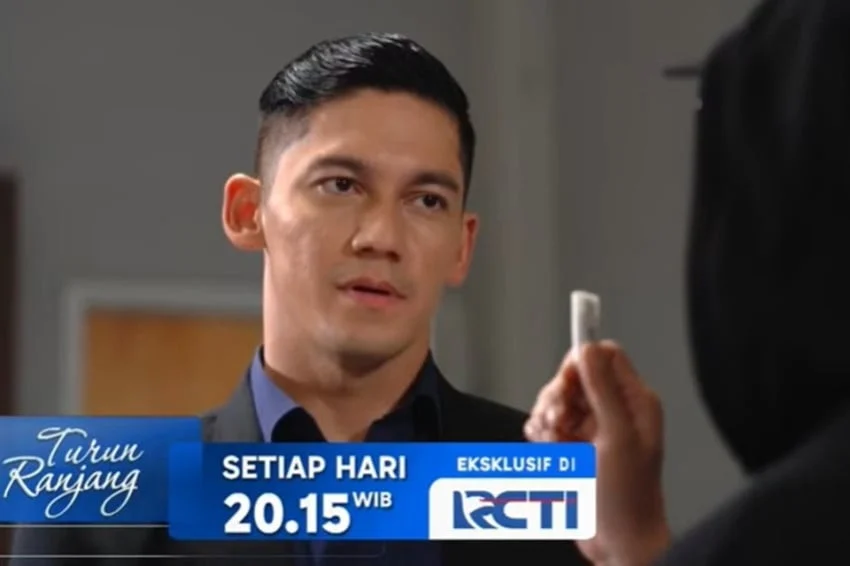
The highly anticipated episode of Layar Drama RCTI’s ‘Turun Ranjang’ is set to captivate audiences tonight at 8:15 PM Western Indonesia Time (WIB) on RCTI Channel 28, promising a pivotal reveal that delves into the shadowy past of antagonist Natha and his complex, long-standing relationship with the influential Wira family. This installment, a cornerstone in the ongoing dramatic narrative, is poised to unravel layers of ambition, betrayal, and deep-seated grudges that have been subtly building throughout the series, bringing to the forefront the underlying motivations driving the show’s central conflicts. Starring a formidable ensemble cast including Rachquel Nesia as Naza, Samuel Zylgwyn as Albi, Faradilla Yoshi as Zia, Indra Evans as Natha, Gunawan Sudrajat as Wira, Kaetlyn William as Dewi, and Adryan Arief as Ken, among other talented actors, ‘Turun Ranjang’ continues to solidify its position as a leading Indonesian sinetron, known for its intricate plotlines and compelling character development.

Unveiling Natha’s Troubled History and Its Ramifications

Tonight’s episode is specifically designed to illuminate the enigmatic past of Natha, a character whose presence has consistently cast a long shadow over the protagonists. Viewers will finally gain insight into the genesis of his connection with the powerful Wira family, a relationship that has proven to be anything but straightforward. The narrative will meticulously detail how Natha’s path intersected with the Wira clan, not merely through fleeting encounters but through deeply intertwined business dealings and intensely personal interactions. These past entanglements are presented not as isolated incidents but as the very bedrock upon which the current, escalating conflict has been built. The episode promises to reveal Natha’s younger self, characterized by an almost insatiable ambition, a drive that likely led him to pursue opportunities with the Wira family with unwavering determination. Simultaneously, it will expose the profound, lingering wounds he sustained from these past interactions, wounds that have festered over time and now fuel his relentless efforts to re-enter and exert influence within the Wira family’s inner circle. This backstory is crucial, providing context for his current manipulative actions and establishing him as a multifaceted character driven by both aspiration and historical pain rather than simple malice.

The narrative suggests that Natha’s previous involvement with the Wira family might have encompassed a significant business venture that ended disastrously for him, perhaps due to a perceived betrayal or an unforgiving corporate maneuver by Wira himself or other family members. This could have led to substantial financial losses or even a public humiliation, leaving an indelible scar on Natha’s psyche. Alternatively, the personal dimension might involve a romantic interest or a close friendship that was severed due to the Wira family’s interference or their high societal expectations. Such a revelation would not only explain Natha’s vengeful streak but also add a layer of tragic complexity to his character, transforming him from a simple antagonist into a figure shaped by past injustices and a desperate need for vindication or recognition. The episode is expected to utilize flashbacks or detailed dialogue exchanges to paint a vivid picture of these formative events, ensuring that viewers fully grasp the depth of Natha’s motivations as he navigates the present-day drama.

Natha’s Calculated Infiltration of Albi-Naza’s Marriage

In the present timeline, Natha’s machinations intensify as he initiates a subtle yet highly effective campaign to ingratiate himself with Naza. Recognizing the inherent vulnerabilities within Albi and Naza’s marriage, exacerbated by the tragic circumstance of Zia’s ongoing coma, Natha expertly positions himself as a figure of unwavering support and profound empathy. His approach is meticulously calculated, exploiting the emotional fragility that Naza is currently experiencing. He likely offers unsolicited assistance, provides comforting words, and subtly criticizes Albi’s perceived shortcomings or emotional distance, all while maintaining an outward facade of genuine concern. This strategic manipulation is designed to create a dependency, making Naza feel understood and cared for in a way she might not be experiencing from Albi, who is himself grappling with immense pressure and guilt.

Naza, already in a state of extreme emotional vulnerability, consumed by guilt over Zia’s condition and the inherent instability plaguing her marital life with Albi, begins to waver under Natha’s persistent, gentle overtures. Her emotional defenses, already compromised by stress and sorrow, prove insufficient against Natha’s carefully crafted persona. She finds herself increasingly drawn to his presence, experiencing a complex mix of pity for his apparent kindness and a growing sense of attachment. This emotional entanglement is a dangerous development, as Natha’s intentions are far from altruistic. His objective is clear: to drive a wedge between Albi and Naza, further destabilizing their relationship and creating an opportunity for him to achieve his broader, as-yet-unrevealed goals, which are likely connected to his past grievances with the Wira family. The portrayal of Naza’s internal struggle is crucial here, highlighting her conflict between loyalty to Albi and the comfort Natha deceptively offers, making her character relatable in her vulnerability.

Wira’s Mounting Suspicion and Albi’s Predicament

Meanwhile, the astute Wira, ever watchful and experienced in the nuances of human manipulation, grows increasingly suspicious of Natha’s sudden and seemingly coincidental re-emergence. His past experiences with Natha, now brought to light by the episode’s revelations, make him acutely aware that Natha’s presence is not merely a twist of fate. Wira begins to actively monitor the situation, attempting to assert control and preempt any potential threats Natha might pose. He recognizes the pattern of Natha’s ambition and the potential for disruption, possibly through observing Natha’s interactions with Naza or by recalling specific past behaviors that now resonate with current events. Wira’s efforts to control the situation could manifest in warnings to Albi, investigations into Natha’s current activities, or even direct confrontations, all in an attempt to protect his family and business interests from Natha’s insidious influence.

Concurrently, Albi finds himself in an increasingly precarious position. He senses a palpable and growing threat to the sanctity of his marriage and his family unit, a threat he instinctively links to Natha’s burgeoning proximity to Naza. However, Albi’s ability to respond decisively is severely hampered by his overwhelming sense of responsibility towards Zia, who remains in a coma. This deeply ingrained sense of duty, coupled with his own internal confusion regarding Naza’s shifting emotional landscape and her apparent receptiveness to Natha, leaves him in a state of agonizing indecision. He is caught between his loyalty and commitment to his comatose wife and his need to address the emotional distance and potential infidelity within his current relationship. This internal conflict is a central emotional anchor of the episode, showcasing Albi’s struggle to balance conflicting obligations and navigate the treacherous waters of love, guilt, and suspicion. His character is thus positioned at a crossroads, where every decision carries significant weight for the future of his family.

The Sinetron Phenomenon: Contextualizing ‘Turun Ranjang’

‘Turun Ranjang’ is a quintessential example of the Indonesian sinetron, a genre that has dominated prime-time television in the archipelago for decades. Sinetron, short for "sinema elektronik" (electronic cinema), are typically long-running serials characterized by their dramatic plotlines, often revolving around themes of love triangles, family feuds, social class disparities, revenge, and intricate interpersonal relationships. These shows are known for their rapid plot developments, cliffhanger endings, and the ability to maintain viewer engagement over hundreds, sometimes thousands, of episodes. The genre thrives on heightened emotions, moral dilemmas, and the exploration of complex human nature, often reflecting societal values and aspirations in a dramatized format.

The success of sinetron lies in their ability to create compelling, relatable characters whose struggles resonate with a broad audience. While sometimes criticized for their melodramatic elements or prolonged narratives, they serve as a powerful form of escapism and entertainment for millions of Indonesians. ‘Turun Ranjang’, with its current exploration of past betrayals, present manipulations, and future uncertainties, perfectly encapsulates these genre conventions. The show’s ability to delve into characters’ backstories, like Natha’s, and weave them into current conflicts is a hallmark of well-executed sinetron, keeping the audience invested in the unfolding drama.

RCTI: A Broadcasting Powerhouse

RCTI (Rajawali Citra Televisi Indonesia) has been a pioneering force in Indonesian television since its inception as the first private television network in 1989. It has consistently remained one of the most-watched channels, largely due to its strong programming lineup, which heavily features sinetron, alongside news, variety shows, and sports. RCTI’s commitment to delivering high-quality drama series has cemented its reputation as a go-to destination for captivating narratives. The channel’s reach extends across the entire archipelago, ensuring that shows like ‘Turun Ranjang’ are accessible to a vast and diverse audience.

In an era of transitioning television technology, RCTI has also been at the forefront of digital broadcasting. The promotion of its digital channel, specifically Channel 28 for ‘Turun Ranjang’, underscores the network’s dedication to providing superior viewing experiences. Digital broadcasting offers significantly clearer picture quality and more stable signals compared to traditional analog transmissions, enhancing the dramatic impact of shows like ‘Turun Ranjang’. The detailed instructions provided for viewers—performing a rescan on digital TVs, ensuring the LCN (Logical Channel Number) feature is on for set-top box users, and directing those with persistent issues to @officialrcti’s social media—highlight RCTI’s proactive approach to viewer support and accessibility, ensuring that technical glitches do not detract from the immersive viewing experience of its flagship dramas.

The Ensemble Cast: Pillars of the Drama

The success of ‘Turun Ranjang’ is undeniably bolstered by its talented cast. Rachquel Nesia, embodying Naza, navigates the character’s profound emotional vulnerability and guilt with nuanced performances that resonate deeply with viewers. Her portrayal of a woman caught between past loyalties and present pressures adds significant depth to the unfolding drama. Samuel Zylgwyn, as Albi, masterfully conveys the internal conflict of a man torn between his responsibility to his comatose wife, Zia, and the growing emotional chasm in his current marriage. His struggle to maintain composure amidst chaos is a central emotional anchor for the audience.

Indra Evans, in the role of Natha, is crucial in shaping the antagonist’s multifaceted nature. His performance is key to making Natha more than just a villain, but a character driven by a complex history of ambition and hurt, as revealed in tonight’s episode. Gunawan Sudrajat, as the seasoned Wira, brings gravitas and a sense of watchful authority to his role, subtly conveying his deep suspicions and protective instincts. Faradilla Yoshi’s portrayal of Zia, though currently in a coma, remains a significant emotional catalyst, her condition driving much of the present-day conflict. The collective talent of these actors, along with supporting cast members like Kaetlyn William (Dewi) and Adryan Arief (Ken), ensures that each character’s journey is compelling and contributes meaningfully to the overall narrative tapestry of ‘Turun Ranjang’. Many of these actors have extensive backgrounds in Indonesian sinetron, bringing years of experience in portraying complex characters and navigating high-stakes dramatic scenarios, which contributes significantly to the show’s professional execution and appeal.

Implications for the Narrative Arc

Tonight’s episode serves as a critical juncture for ‘Turun Ranjang’, setting the stage for intensified conflicts and profound character transformations. The revelation of Natha’s past with the Wira family fundamentally alters the dynamics, transforming a seemingly personal rivalry into a deep-seated saga of ambition and revenge. This backstory provides a robust foundation for future plot developments, potentially leading to more aggressive maneuvers from Natha, as he now has a clear, established motive for his actions beyond mere opportunism.

Naza’s growing emotional attachment to Natha is a precarious development. This vulnerability could lead her down a path of further deception and heartbreak, forcing her to confront difficult truths about her marriage and her own emotional needs. It also creates a powerful dramatic tension with Albi, who must now contend with not only his guilt over Zia but also the direct threat to his relationship with Naza. Wira’s increased suspicion means he will likely become a more active player in thwarting Natha’s plans, potentially leading to direct confrontations that could have far-reaching consequences for all involved.

The episode’s focus on unraveling past secrets while simultaneously escalating present-day emotional turmoil ensures that ‘Turun Ranjang’ will continue to deliver the high-stakes drama that its audience craves. The narrative implication is a tightening spiral of intrigue and conflict, where every character’s decision will reverberate throughout the series, pushing them towards inevitable confrontations and unforeseen resolutions. The exploration of themes such as the corrosive nature of unfulfilled ambition, the complexities of love and duty, and the enduring power of past grievances promises to keep viewers on the edge of their seats, eager to witness the unfolding drama in subsequent episodes.

In conclusion, tonight’s broadcast of ‘Turun Ranjang’ on RCTI Channel 28 at 8:15 PM WIB is not just another episode; it is a crucial turning point. By peeling back the layers of Natha’s past, the series deepens its narrative complexity and sets the stage for an even more intense exploration of love, betrayal, and redemption. Viewers are encouraged to tune in for what promises to be an emotionally charged and pivotal installment of this popular Layar Drama RCTI production.

June 24, 2025 0 comment
0 FacebookTwitterPinterestEmail
Politics

Political Analyst Highlights Centralized Power in Prabowo Administration, Urges Shift to ‘Super Team’ Governance Amidst Economic Headwinds

by Siti Muinah June 23, 2025
written by Siti Muinah

Jakarta, VIVA – On Tuesday, October 21, 2025, prominent political observer Agung Baskoro articulated a critical assessment of President Prabowo Subianto’s nascent administration, suggesting it remains excessively centered around a single figure. Baskoro contended that this "Superman management" style significantly curtails the effectiveness of key governmental roles, including that of the Vice President, coordinating ministers (Menko), and other cabinet members, hindering their capacity to contribute optimally to national governance. His remarks, made during the "Apa Kabar Indonesia Malam" program on tvOne, underscore growing concerns within political circles regarding the distribution of authority and the implementation of a cohesive governmental strategy.

"Indeed, my primary concern is the transition from ‘Superman management’ – which appears to be highly Prabowo-centric – towards a ‘super team’ approach," Baskoro stated. "How can the cabinet effectively address a multitude of issues and respond to them competently if the leadership style remains so centralized?" This pointed critique comes as the administration approaches its initial milestones, prompting a closer examination of its operational dynamics and policy execution.

The Underutilized Vice Presidency and Coordinating Ministers

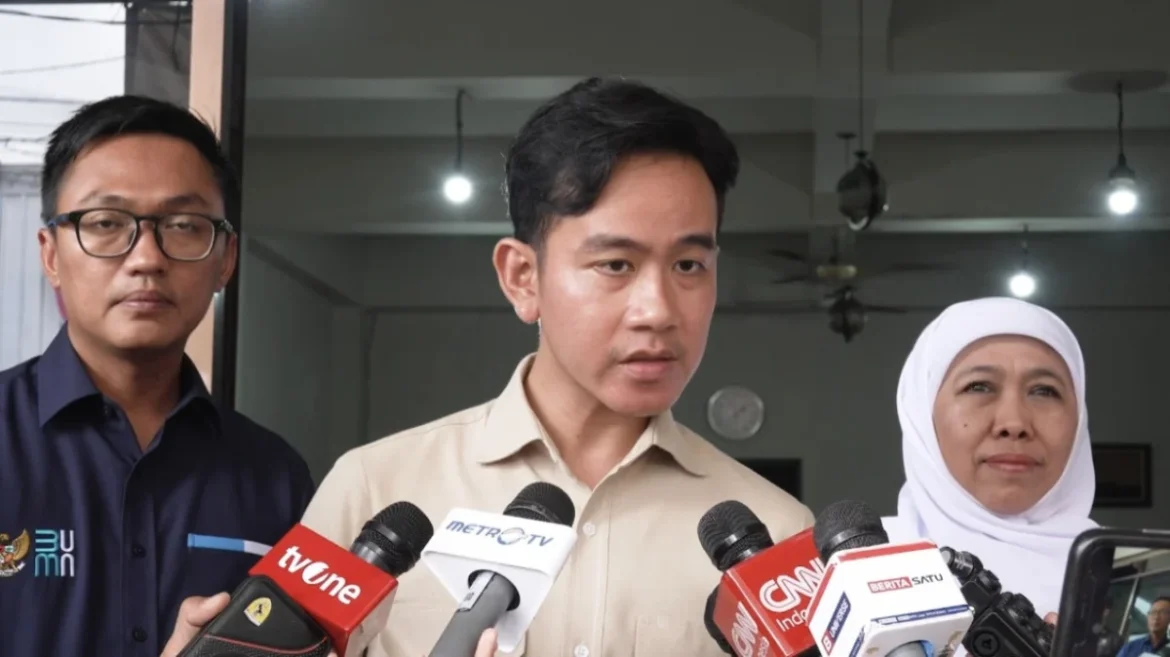
Baskoro elaborated on his observations, specifically highlighting the perceived role of Vice President Gibran Rakabuming Raka, whom he described as "between present and absent." This assessment points to a broader issue where the Vice President’s office, despite its constitutional significance, has yet to demonstrate a consistently substantive and visible role in addressing national challenges. Similarly, the coordinating ministers, designed to synergize policies across various sectors, are seen as largely symbolic, struggling to assert their intended influence in resolving complex governmental issues.

"How can the cabinet effectively manage numerous problems and respond adequately when the Vice President appears to be ‘between present and absent’?" Baskoro reiterated, emphasizing the critical need for a fully empowered and engaged leadership team. He further warned against the perpetuation of this centralized pattern, arguing that it risks rendering the Vice President, coordinating ministers, and other cabinet members "useless" if the President consistently takes the lead in resolving every issue. "It often seems that President Prabowo is the one extinguishing every fire. This pattern, in my view, must not continue, as it will inevitably diminish the utility of the Vice President, the coordinating ministers, and indeed, other ministers if it persists," he cautioned.

The Imperative for a ‘Super Team’ Approach

Agung Baskoro’s analysis strongly advocates for a fundamental shift in the government’s operational paradigm, urging President Prabowo to transition from a "Superman" management style to a "super team" model. This transformation, he explained, necessitates a significant reinforcement of coordination mechanisms among the Vice President, the coordinating ministers, and individual ministry heads. Such a collaborative framework would ensure that the considerable burden of leadership and problem-solving is not solely concentrated on the President but is distributed effectively across a capable and empowered cabinet.

This proposed shift aligns with principles of good governance, which emphasize delegation, accountability, and collective responsibility. In a country as diverse and complex as Indonesia, with its myriad social, economic, and political challenges, a truly collaborative cabinet is indispensable for effective policy formulation, implementation, and oversight. The "super team" concept envisions a government where each member, from the Vice President down to individual ministers, is given the autonomy and resources to lead their respective areas, contributing proactively to the administration’s overarching goals.

Challenges in Public Communication and Trust

Beyond internal operational dynamics, Baskoro also underscored the critical need for improvements in the government’s public communication strategy. While acknowledging existing efforts by bodies such as the Presidential Staff Office (KSP), the Agency for Public Information and Communication (Bakom), and the Bureau of Public Relations and Protocol (BKP), he stressed the necessity of establishing clearer communication guidelines. Such guidelines would ensure that all government officials speak with a unified voice, thereby preventing instances of "slip of tongue" or "acak kadut" (disorganized) statements that could erode public trust.

"To avoid frequent ‘slips of the tongue’ and ensure coherent communication, it is crucial to establish clear guidelines. If left unaddressed, inconsistent communication could diminish public confidence and negatively impact perceptions among international stakeholders," Baskoro articulated. Effective public communication is not merely about conveying information; it is about building and maintaining trust, managing expectations, and projecting an image of competence and stability, both domestically and internationally. A unified communication front is particularly vital in navigating complex policy discussions and responding to national crises, where clarity and consistency are paramount.

Economic Headwinds and Program Effectiveness

A significant challenge identified by Baskoro for the current administration is ensuring that its large-scale programs genuinely benefit all layers of society, particularly in the economic sphere. He highlighted the persistent "kontraksi ekonomi" (economic slowdown or contraction) as a clear indicator that the President’s economic team must enhance its focus and solidarity. This implies a need for a more coherent and impactful economic strategy that can effectively stimulate growth, alleviate poverty, and address unemployment.

Baskoro specifically referenced two stimulus packages implemented by the government within the past year, noting that their necessity underscored the need for the President’s economic team to be "truly concerned" and avoid over-reliance on a single point of influence, possibly alluding to a "Purbaya Effect" – a term likely referring to the significant influence of specific economic advisors or a particular set of economic policies. While the specific nature of this "Purbaya Effect" remains subject to interpretation, it suggests a concern about concentrated decision-making within the economic portfolio, potentially at the expense of broader consultation and diverse perspectives.

Background and Context: The Prabowo-Gibran Administration

The Prabowo-Gibran administration, inaugurated in late 2024, came into power following a highly contested election, with significant public expectations for economic stability, job creation, and continued infrastructure development. President Prabowo, a seasoned political figure, brought with him a reputation for strong leadership, while Vice President Gibran Rakabuming Raka, the eldest son of former President Joko Widodo, represented a new generation of political leadership and was expected to play a crucial role in youth engagement and digital transformation initiatives.

The Indonesian presidential system grants significant executive power to the president, who serves as both head of state and head of government. This structure often leads to strong presidential figures, a characteristic seen in previous administrations. However, the system also provides for a vice president and a cabinet, whose collective strength is vital for effective governance. The current administration inherited a complex economic landscape, marked by global uncertainties, inflationary pressures, and the ongoing recovery from the COVID-19 pandemic. Key policy priorities include fostering sustainable economic growth, strengthening national defense, improving human capital, and continuing social welfare programs.

Timeline of Observations and Government Initiatives

Since its inauguration, the Prabowo-Gibran administration has been actively working to consolidate its cabinet and outline its policy agenda. The initial months typically involve a period of adjustment, where new ministers and officials settle into their roles, and the government begins to roll out its signature programs.

  • Late 2024: Inauguration of President Prabowo Subianto and Vice President Gibran Rakabuming Raka. Formation of the new cabinet, comprising a mix of experienced politicians and technocrats.
  • Early 2025: Initial policy announcements focusing on economic stability, food security, and defense modernization. Vice President Gibran begins engagements, often related to youth development, innovation, and local economic initiatives.
  • Mid-2025: Implementation of initial stimulus packages aimed at bolstering economic activity and supporting vulnerable populations. Public discourse begins to emerge regarding the visibility and roles of various cabinet members.
  • October 21, 2025: Agung Baskoro makes his public statement, reflecting a growing sentiment among some political observers regarding the perceived centralization of power and the underutilization of key governmental roles. This observation follows several months of the administration’s operation, allowing for initial patterns and tendencies to become apparent.

Supporting Data and Economic Performance

The concerns raised by Baskoro regarding economic performance are pertinent in the context of Indonesia’s recent economic trajectory. While Indonesia has generally demonstrated resilience, global economic headwinds have presented persistent challenges.

  • GDP Growth: Indonesia’s GDP growth, while robust compared to many developing nations, has faced pressure from global economic slowdowns and commodity price fluctuations. In the preceding quarters, growth figures hovered around 5%, with aspirations for higher, more inclusive growth rates. The "kontraksi ekonomi" mentioned by Baskoro might refer to specific sectors experiencing slowdowns or a general sentiment of cautious economic activity despite headline growth figures.
  • Inflation: Managing inflation has been a continuous challenge, influenced by global supply chain disruptions and domestic demand. The central bank and the government have implemented various measures to stabilize prices, particularly for essential goods.
  • Investment: Attracting foreign and domestic investment remains a key priority. A stable political environment and a perception of efficient governance are crucial factors for investor confidence. Unclear communication or perceived inefficiencies in governance could deter potential investments.
  • Stimulus Packages: The implementation of two stimulus packages within a year suggests the government’s proactive efforts to inject liquidity and support economic activity. However, their perceived effectiveness in broadly impacting society, as Baskoro notes, is under scrutiny. This often points to challenges in targeting, distribution, and overall economic multipliers.

Official Responses and Implications

While direct, immediate responses to Baskoro’s specific remarks were not provided in the original content, it is logical to infer potential reactions from the administration, consistent with past government communication strategies.

  • Presidential Staff Office (KSP) / Government Spokespersons: Would likely acknowledge the importance of teamwork and collective governance. They might emphasize that the President is deeply committed to empowering his cabinet and that all ministers, including the Vice President, are actively involved in policy formulation and implementation. They would likely point to ongoing coordination meetings, specific task forces, and the overall results achieved by the administration as evidence of a collaborative approach. The KSP might also highlight the President’s role in providing strategic direction and resolving high-level issues, which is distinct from micromanagement.
  • Vice President’s Office: Would likely reiterate the Vice President’s dedication to supporting the President’s agenda. They might detail specific portfolios or initiatives Gibran Rakabuming Raka is leading, such as programs related to youth entrepreneurship, digital economy acceleration, or regional development projects. This would serve to counter the perception of being "between present and absent" by showcasing concrete contributions.

Broader Impact and Implications

Agung Baskoro’s critique, while focused on the internal workings of the government, carries broader implications for Indonesia’s governance, public trust, and international standing.

  • Governance Efficiency and Policy Implementation: A highly centralized leadership style can, paradoxically, slow down policy implementation. If every significant decision or problem requires presidential intervention, it can create bottlenecks, delay responses, and overstretch the President’s capacity. Empowering ministers and coordinating bodies allows for more agile and specialized responses to sector-specific challenges.
  • Public Trust and Accountability: When the public perceives a lack of collective leadership or an underutilized Vice President and cabinet, it can erode trust in the government’s overall capacity to manage the nation’s affairs. A unified and visibly active cabinet instills confidence and demonstrates a commitment to broad-based competence. Furthermore, a distributed leadership enhances accountability, as specific ministers can be held responsible for their respective domains.
  • International Perception: For international investors, partners, and diplomatic entities, a cohesive and well-coordinated government signals stability and predictability. A perception of centralized power, if interpreted as a lack of robust institutional capacity or delegation, could potentially raise questions about the long-term sustainability and effectiveness of governance. Clear communication and a visible "super team" can project an image of a modern, efficient state.
  • Political Stability and Coalition Management: The Prabowo-Gibran administration is built upon a broad coalition of political parties. Ensuring that all cabinet members, often representing different political factions, feel empowered and are seen as contributing meaningfully is crucial for maintaining coalition unity and political stability. An imbalanced distribution of influence could create internal tensions.
  • Long-term Institutional Development: Fostering a "super team" approach is not just about immediate efficiency but also about strengthening Indonesia’s democratic institutions. It encourages the development of strong ministerial leadership, robust inter-agency coordination, and a culture of collective problem-solving, which are vital for sustained national development and resilience.

In conclusion, Agung Baskoro’s observations serve as a timely reminder for the Prabowo-Gibran administration to critically assess its internal operational dynamics. The call to transition from "Superman management" to a "super team" model underscores a fundamental principle of modern governance: that the complexity of national challenges demands a collective, coordinated, and empowered leadership. Addressing these concerns, particularly by enhancing the roles of the Vice President and coordinating ministers, strengthening public communication, and ensuring economic programs have broad societal impact, will be crucial for the administration to solidify public trust and achieve its ambitious national development goals. The path forward necessitates a deliberate effort to foster greater collaboration, delegation, and unified action across all levels of government.

June 23, 2025 0 comment
0 FacebookTwitterPinterestEmail
Politics

Family Outburst Rocks Constitutional Court Amidst High-Stakes Election Dispute Proceedings, Raising Concerns Over Witness Treatment

by Asep Darmawan June 22, 2025
written by Asep Darmawan

Jakarta, Indonesia – A dramatic scene unfolded at the Constitutional Court (MK) in Jakarta on Wednesday, May 29, 2024, as family members of a witness, identified as Sulaiman, reportedly associated with the Democratic Party, erupted in protest. The incident, occurring amidst ongoing hearings for the 2024 Legislative Election Dispute (PHPU Pileg), saw a woman claiming to be Sulaiman’s sister vehemently accuse authorities of coercion and injustice, alleging that her brother had been incommunicado since May 24, 2024, after being picked up from home without proper communication or agreement. The confrontation highlighted underlying tensions and sensitivities surrounding the integrity of the electoral process and the treatment of witnesses in high-profile legal battles in Indonesia.

The Dramatic Confrontation: A Sister’s Allegations

The incident, which transpired in the vicinity of Building I of the Constitutional Court, began as Sulaiman was escorted into the premises alongside a legal representative from the Democratic Party. Dressed entirely in black and with his face obscured by a mask, Sulaiman’s appearance immediately drew attention. Moments later, a man and a woman from outside the building began shouting, demanding to see him. The woman, clad in a yellow shirt and a black headscarf, identified herself as Sulaiman’s sister and forcefully articulated her distress. "I am his sister! Do you know that? Everything is unfair! There is coercion!" she exclaimed, her voice laced with anguish and frustration.

Her attempts to gain entry into the building were thwarted by security personnel. Following the initial outburst, she and two other individuals were approached by a Constitutional Court official, who inquired about their forceful entry attempts. The sister reiterated her primary concern: her brother, Sulaiman, had been picked up from their home on Friday, May 24, 2024, and had been unreachable ever since. "There was no agreement. The plan was for (Sulaiman) to be taken out of the house, he said goodbye, and until now, there has been no news," she stated, emphasizing the sudden and unexplained disappearance that had left her family deeply worried. This lack of communication, coupled with her brother’s masked appearance, fueled her allegations of unfairness and coercion, casting a shadow over the proceedings.

Sulaiman’s Role in the PHPU Pileg Case

Sulaiman was slated to appear as a witness for the Democratic Party in the Legislative Election Dispute case number 196-01-14-22/PHPU/DPR-DPRD-XXII/2024. In this particular case, the General Election Commission (KPU) serves as the respondent, while the National Mandate Party (PAN) is listed as the related party. The specific details of Sulaiman’s testimony were not immediately disclosed, but his presence as a witness suggests his potential knowledge or involvement in electoral processes relevant to the Democratic Party’s challenge in the legislative elections. The context of legislative election disputes often involves intricate details regarding vote counts, administrative procedures, and allegations of fraud or irregularities at various levels of the electoral hierarchy. Witnesses play a crucial role in providing firsthand accounts and evidence to substantiate the claims made by petitioners.

Context: Indonesia’s 2024 Elections and the Constitutional Court

The dramatic incident surrounding Sulaiman occurs against the backdrop of Indonesia’s highly anticipated and contentious 2024 General Elections. The elections, held on February 14, 2024, encompassed both presidential and legislative races, marking a significant democratic exercise in the world’s third-largest democracy. Following the elections, the Constitutional Court became the focal point for resolving disputes arising from the results.

The Pivotal Role of the Constitutional Court

The Constitutional Court (Mahkamah Konstitusi or MK) in Indonesia holds immense power and responsibility, particularly as the ultimate arbiter of election disputes. Established in 2003, the MK is tasked with safeguarding the constitution, reviewing laws, and resolving disputes concerning the authority of state institutions. Crucially, it serves as the final and binding judicial body for adjudicating PHPU cases, ensuring electoral integrity and upholding democratic principles. Its decisions are final and cannot be appealed, making its role indispensable in maintaining stability and legitimacy in the country’s democratic framework. The court’s pronouncements are often highly anticipated and can shape the political landscape for years to come.

The PHPU Pilpres 2024 Verdict (April 22)

Earlier, on Monday, April 22, 2024, the Constitutional Court had delivered its highly anticipated verdict on the Presidential Election Dispute (PHPU Pilpres) for the 2024 elections. This particular case involved challenges to the results that declared Prabowo Subianto and Gibran Rakabuming Raka as the winners. The petitions, filed by the losing presidential candidates Anies Baswedan-Muhaimin Iskandar and Ganjar Pranowo-Mahfud MD, alleged various irregularities, including ethical violations by the election commission, misuse of state resources, and structural, systematic, and massive fraud. The court’s decision on April 22 upheld the election results, rejecting the petitions and solidifying Prabowo-Gibran’s victory. The announcement of this verdict was a major event, marked by heightened security and intense public scrutiny, symbolizing the resolution of the top-tier electoral contest. The atmosphere around the MK on that day was one of profound anticipation, a stark contrast to the agitated scene involving Sulaiman’s family a month later, yet both underscore the court’s critical role in the nation’s democratic process.

The Intricacies of PHPU Pileg Cases

While the presidential election dispute garners significant national attention, the legislative election disputes (PHPU Pileg) are equally complex and numerous. These cases involve challenges from various political parties and individual candidates at different levels—DPR (national parliament), DPD (regional representatives council), and provincial and district/city DPRD (regional legislative councils). The sheer volume of these cases often runs into hundreds, each requiring meticulous examination of vote counts, electoral procedures, and evidence of alleged violations. The legal proceedings for PHPU Pileg cases are exhaustive, involving the presentation of witnesses, expert testimonies, and documentary evidence from petitioners, respondents (KPU), and related parties (other political parties or candidates whose interests might be affected). The outcomes of these cases can significantly alter the composition of legislative bodies across the archipelago, impacting political representation and local governance. The case involving Sulaiman falls into this category, highlighting the granular level at which the Constitutional Court ensures electoral fairness.

Allegations of Coercion and Lack of Communication

The family’s allegations surrounding Sulaiman’s "disappearance" and claims of coercion are deeply troubling within the context of legal proceedings. The assertion that Sulaiman was taken from home on May 24 and subsequently became incommunicado for five days, without his family being able to reach him, raises serious questions about his welfare and the circumstances under which he was brought to the Constitutional Court. The sister’s desperate plea, "Tidak ada perjanjian. Rencana (Sulaiman) dibawa keluar rumah, pamitan, dan sampai sekarang tidak ada kabarnya," paints a picture of a family left in the dark, fearing for their loved one’s safety and autonomy.

Legal Implications of Witness Handling

In any judicial process, the voluntary and uncoerced testimony of witnesses is paramount. Legal frameworks in democratic nations typically include provisions to ensure that witnesses are protected from intimidation, undue influence, or forced participation. If the family’s claims are substantiated, they could point to potential breaches of legal ethics, procedural fairness, and even human rights. The act of bringing a witness to court without proper communication with their family, especially when they are allegedly incommunicado, can undermine public trust in the legal system and raise doubts about the credibility of the testimony itself. Such situations often prompt investigations by judicial oversight bodies or law enforcement agencies to ascertain the facts and ensure that all legal protocols are adhered to.

Witness Protection and Procedural Integrity

Indonesia, like many countries, has provisions for witness protection, particularly in sensitive cases where there might be threats or intimidation. However, the application and effectiveness of these measures can vary. The incident at the MK underscores the critical importance of robust witness protection mechanisms and transparent procedural integrity.

Legal Safeguards for Witnesses

Under Indonesian law, witnesses are generally afforded rights, including the right to legal counsel, protection from intimidation, and the right to provide testimony freely. The Law on Witness and Victim Protection (UU Perlindungan Saksi dan Korban) aims to provide a legal framework for safeguarding individuals who come forward to assist in legal proceedings. However, the practical implementation of these safeguards, particularly in politically charged environments like election disputes, can be challenging. The alleged incommunicado status of Sulaiman and his masked appearance, as observed by his family, could be interpreted in various ways – from a legitimate security measure to a potential indicator of undue pressure. Clarification from relevant parties is crucial to dispel any concerns.

The Importance of Voluntary Testimony

The bedrock of a fair trial rests on the principle that all testimony, especially from witnesses, must be given voluntarily and without any form of coercion or undue influence. Any suspicion of a witness being compelled or manipulated to testify could invalidate their statements and jeopardize the entire case. The Democratic Party, as the party presenting Sulaiman as a witness, would typically be responsible for ensuring that their witnesses are willing and properly prepared, and that all ethical guidelines for engaging witnesses are followed. The Constitutional Court, as the presiding judicial body, is also obligated to ensure that all evidence, including witness testimony, is obtained through legitimate and ethical means.

Reactions and Calls for Clarity

The incident at the Constitutional Court is likely to trigger a range of reactions from various stakeholders, necessitating clear and prompt responses to maintain public confidence in the electoral justice system.

Constitutional Court’s Stance (Inferred)

While no immediate official statement from the Constitutional Court was reported at the time of the incident, it is highly probable that the court would address the matter. In such situations, the MK typically reaffirms its commitment to upholding fair and transparent legal proceedings. They might issue a statement clarifying their security protocols, the procedures for handling witnesses within their premises, and potentially initiate an internal inquiry into the circumstances surrounding Sulaiman’s presence and the family’s allegations. The court would likely emphasize that all parties, including witnesses, are treated according to legal norms and that any allegations of coercion would be taken seriously.

Political Party’s Response: The Democratic Party (Inferred)

The Democratic Party, as the party that brought Sulaiman as a witness, would likely face pressure to provide an explanation. They would be expected to clarify the nature of their relationship with Sulaiman, the process by which he was engaged as a witness, and to refute any allegations of coercion. A spokesperson for the Democratic Party might issue a statement asserting that Sulaiman is a willing witness, that all proper legal procedures were followed, and that his security and well-being are a priority. They might also explain the reasons for his masked appearance, if it was indeed a measure taken for his protection or privacy.

Legal Experts and Civil Society Concerns (Inferred)

Legal experts and civil society organizations advocating for human rights and electoral integrity would undoubtedly voice their concerns. They would likely call for a thorough and independent investigation into the family’s claims. Emphasis would be placed on ensuring witness protection, upholding the principle of voluntary testimony, and maintaining the transparency and fairness of the judicial process. Organizations like the Indonesian Legal Aid Foundation (LBH) or the Association for Elections and Democracy (Perludem) would likely monitor the situation closely, advocating for accountability and adherence to democratic principles. They might also highlight the broader implications for public trust if such allegations are not adequately addressed.

Broader Impact on Public Trust and Electoral Transparency

Incidents such as the family’s outburst at the Constitutional Court, especially when involving allegations of coercion and incommunicado status of a witness, can have significant repercussions for public trust in Indonesia’s democratic institutions and the overall transparency of its electoral processes.

Upholding the Rule of Law

The rule of law dictates that all individuals, regardless of their role in legal proceedings, are entitled to due process and protection of their rights. If allegations of coercion or improper handling of witnesses are not addressed transparently and effectively, it can erode confidence in the justice system. The Constitutional Court’s ability to maintain its credibility as an impartial arbiter depends heavily on its commitment to upholding these fundamental principles, not only in its verdicts but also in the conduct of its proceedings. Any perceived deviation from ethical or legal standards in witness management can invite criticism and undermine the legitimacy of the entire electoral dispute resolution mechanism.

Maintaining Confidence in Democratic Institutions

Indonesia has made significant strides in consolidating its democracy since the reformasi era. However, public confidence in institutions like the KPU and the Constitutional Court remains crucial for the health of its democratic system. Episodes that suggest irregularities in witness treatment or a lack of transparency can fuel skepticism and mistrust among the populace. This is particularly sensitive in a post-election period where political tensions are often high. Ensuring that all aspects of the electoral dispute resolution process are conducted with utmost integrity and accountability is essential to reinforce public faith in the democratic process and the institutions tasked with safeguarding it. The ultimate goal is to reassure citizens that their electoral choices are respected and that disputes are resolved fairly and justly.

Conclusion: Awaiting Further Developments

The emotional outburst by Sulaiman’s family at the Constitutional Court has introduced an unexpected and unsettling element into the ongoing PHPU Pileg proceedings. Beyond the immediate legal implications for the Democratic Party’s case, the incident has ignited broader discussions about witness rights, procedural transparency, and the integrity of the electoral dispute resolution mechanism in Indonesia. As the Constitutional Court continues its work in adjudicating numerous legislative election challenges, the handling of this particular incident and the clarity provided by the involved parties will be critical. The public, legal observers, and civil society will undoubtedly be watching closely for further developments, seeking assurance that justice is not only served but is also seen to be served, in every aspect of Indonesia’s democratic journey. The resolution of this specific contention will serve as a vital test of the system’s commitment to fairness and the protection of all individuals involved in its most sensitive judicial processes.

June 22, 2025 0 comment
0 FacebookTwitterPinterestEmail
Politics

The Passing of Rugaiya Usman, Beloved Wife of General (Ret.) Wiranto, Marks the End of a Half-Century Partnership.

by Suro Senen June 22, 2025
written by Suro Senen

The nation received with profound sadness the news of the passing of Hj. Rugaiya Usman Wiranto, the cherished wife of General (Ret.) TNI Wiranto, on Sunday, November 16, 2025, at 3:55 PM Western Indonesia Time (WIB) in Bandung, West Java. Her departure leaves a deep void, particularly for her husband, who announced her peaceful return to God’s grace after a prolonged period of intensive medical care. General (Ret.) Wiranto, a prominent figure in Indonesian politics and military affairs, conveyed the heartbreaking news with the solemn phrase, "Innalillahi wa inna ilaihi raaji’un. Our beloved wife/mother/grandmother, Hj. Rugaiya Usman Wiranto binti Mustafa Usman, has peacefully returned to the mercy of Allah." This announcement underscored the profound personal loss experienced by one of Indonesia’s most recognized public servants.

Chronology of Her Final Days and Official Announcement

Prior to her passing, Rugaiya Usman had been undergoing extensive and intensive medical treatment at the Gatot Soebroto Army Central Hospital (RSPAD) in Central Jakarta. Despite the dedicated efforts of medical professionals and the hopes of her family, her health condition regrettably did not show signs of significant improvement. The battle against her illness was long and arduous, culminating in her peaceful passing in Bandung. The official announcement from General (Ret.) Wiranto, delivered personally, highlighted the deep faith and acceptance of the family in the face of this immense sorrow. The phrase "Innalillahi wa inna ilaihi raaji’un" (Indeed, to Allah we belong and to Him we shall return) is a powerful expression of Muslim faith, commonly uttered upon hearing news of a death, signifying acceptance of divine will and reminding believers of the transient nature of life. Her passing occurred just as the family had recently celebrated a significant milestone, their golden wedding anniversary, adding a poignant layer of emotion to the tragedy. Wiranto himself reflected on this, stating, "Just yesterday we celebrated our golden wedding anniversary. But of course, divine will cannot be denied; Allah willed otherwise."

Funeral Arrangements and Final Resting Place

Following her passing in Bandung, Rugaiya Usman’s remains were brought to the family’s residence in the Bambu Apus area, East Jakarta, where close family members, relatives, and friends gathered to pay their last respects. The atmosphere at the house of mourning was one of quiet solemnity and shared grief, reflecting the deep respect and affection she commanded. The funeral procession was meticulously planned to honor her memory and provide an opportunity for farewells. On Monday, November 17, 2025, the day after her passing, she was laid to rest at Astana Wukir Sirna Raga, Delingan, Karanganyar, Central Java. This choice of burial site holds cultural and personal significance, often being a place of ancestral ties or deep family roots, providing a sense of returning home for her final rest. The journey from Jakarta to Karanganyar for the burial underscored the family’s wishes and the importance of adhering to traditional customs and beliefs in commemorating her life.

A Glimpse into the Life of Rugaiya Usman Wiranto

Rugaiya Usman was much more than just the wife of a prominent public figure; she was a woman of remarkable character and quiet strength who played an indispensable role behind the scenes throughout her husband’s illustrious career. Known affectionately as Uga Wiranto, she was celebrated for her extraordinary personality and unwavering support, which were foundational to General (Ret.) Wiranto’s journey through military command, ministerial positions, and ultimately, as a trusted presidential advisor.

Early Life, Education, and the Genesis of a Partnership

Born Rugaiya Usman, she pursued higher education at the University of Jember, where she chose to major in Law. This academic background likely instilled in her a strong sense of justice, order, and critical thinking, qualities that would serve her well in her role as a supportive spouse to a man deeply entrenched in public service. Her path intertwined with Wiranto’s early on, a romance that blossomed during their high school years. Their initial encounter, a serendipitous event during a school activity, laid the groundwork for a lifelong partnership. Rugaiya was an active and engaged student, participating in various school events, from poetry readings to school queen pageants. Wiranto’s attendance at one such event, substituting for a friend, marked the beginning of their relationship. From that simple, formative moment, their connection deepened, eventually leading them to solemnize their bond in marriage on February 22, 1975. This union would last for half a century, producing three children: Maya Wiranto, Amalia Wiranto, and Zainal Nur Rizki, who would carry forward their parents’ legacy.

A Steadfast Pillar: Principles of Mutual Support and Complementarity

Throughout her life, Rugaiya Usman epitomized patience, resilience, and unwavering fortitude. These attributes made her a role model for many, particularly in her dual roles as a mother and as the life partner of a man whose career demanded immense dedication and sacrifice. For decades, Rugaiya was the constant force of support behind her husband, General (Ret.) Wiranto, in every step of his demanding career and every public trust he bore. She was not merely a companion but a profound source of strength, providing the solid foundation upon which Wiranto built his public service. Her ability to navigate the complexities and pressures inherent in a political spouse’s life with grace and dignity was widely admired.

Their marriage, which spanned fifty years, was a testament to the principles of mutual support and complementarity. Rugaiya’s quiet strength and steadfast presence allowed Wiranto to focus on his national duties, knowing he had a secure and loving home front. This symbiotic relationship, where each partner uplifted and fortified the other, was the cornerstone of their enduring harmony, enabling them to reach their golden wedding anniversary—a rare and cherished milestone. Her profound understanding of the demands of public life and her readiness to adapt and support were crucial elements in the success of their partnership. She understood the weight of his responsibilities and provided the emotional anchor he needed, often in the face of public scrutiny and political turbulence.

Wiranto’s Storied Career and the Silent Support System

General (Ret.) Wiranto’s career has been one of the most distinguished in modern Indonesian history, marked by a series of high-profile appointments that placed him at the heart of national security and governance. His trajectory began in the military, culminating in his appointment as Commander of the Armed Forces (Panglima ABRI) during a critical transitional period in Indonesia. Post-military, he transitioned into politics, serving as Minister of Defense and Security, Coordinating Minister for Political, Legal, and Security Affairs (Menkopolhukam) under multiple administrations, and currently as a member of the Presidential Advisory Council (Wantimpres).

Each of these roles came with immense pressure, requiring extensive travel, long hours, and significant public exposure. Behind every public appearance, every policy decision, and every crisis management effort, was the silent, unwavering support of Rugaiya Usman. Her role was not in the public spotlight but in providing the emotional stability, counsel, and domestic tranquility that allowed Wiranto to fulfill his arduous duties. In an era where political spouses often step into public roles, Rugaiya largely maintained a more traditional supportive position, focusing on family and providing a sanctuary from the relentless demands of her husband’s career. This division of labor, characterized by mutual respect and understanding, proved incredibly effective for their family and for Wiranto’s ability to serve the nation. Her resilience was particularly tested during politically tumultuous times, yet she remained a consistent source of strength and comfort.

Broader Impact and Anticipated Reactions

The passing of Rugaiya Usman Wiranto is expected to elicit a broad outpouring of condolences from across the Indonesian political spectrum, military establishment, and civil society. Given General (Ret.) Wiranto’s extensive network and long history of public service, many high-ranking officials, former colleagues, and public figures are likely to express their sympathies. Her role as a steadfast companion to a national leader for half a century resonated deeply with those who understood the sacrifices involved in such a life.

While Rugaiya Usman may not have sought the limelight, her dignified presence and unwavering support for her husband were well-known within inner circles. Her legacy will be remembered not just by her immediate family but also by those who witnessed the strength and harmony of her marriage to Wiranto. Her life serves as a poignant reminder of the crucial, often understated, role played by spouses in supporting individuals who dedicate their lives to public service. The stability and integrity she helped cultivate within her family provided a bedrock for Wiranto’s ability to navigate the nation’s challenges. Her quiet strength and unwavering loyalty leave an indelible mark on her family and on the memory of those who recognized her profound influence.

Conclusion: A Life of Dedication and Love

The departure of Hj. Rugaiya Usman Wiranto marks the end of a remarkable life characterized by love, dedication, and quiet strength. Her fifty-year journey alongside General (Ret.) Wiranto was a testament to enduring partnership, mutual respect, and profound commitment. As her family, particularly General (Ret.) Wiranto, mourns her loss, the memories of her extraordinary personality, her unwavering support, and her enduring love will continue to be cherished. Her life story, from her early days as a law student to her role as the matriarch of a prominent family, underscores the invaluable contribution of those who provide the essential, often unseen, foundation for public figures. Her passing is a national loss, closing a chapter on a life well-lived and a partnership that stood the test of time and public scrutiny.

June 22, 2025 0 comment
0 FacebookTwitterPinterestEmail
National News

KPK Spokesperson Budi Prasetyo Faces Scrutiny After Being Reported to Supervisory Board by Activist Faizal Assegaf.

by Iffa Jayyana June 21, 2025
written by Iffa Jayyana

Komisi Pemberantasan Korupsi (KPK) Spokesperson Budi Prasetyo has found himself at the center of an integrity inquiry, having been formally reported to the anti-graft agency’s internal Supervisory Board (Dewas). The report, lodged by prominent 1998 activist and Director of PT Sinkos Multimedia Mandiri, Faizal Assegaf, on Wednesday, April 15, 2026, marks a significant development in the ongoing public oversight of Indonesia’s crucial anti-corruption institution. Prasetyo, in his initial reaction, downplayed the necessity of a detailed response, expressing confidence in the Dewas’s objective review process. This incident highlights the persistent scrutiny faced by the KPK, an institution pivotal to Indonesia’s fight against corruption, and underscores the active role of civil society in demanding accountability from public officials, even those within integrity-focused bodies.

The Genesis of the Complaint: A Call for Accountability

The report to the KPK Supervisory Board is not an isolated incident but rather a progression of Faizal Assegaf’s efforts to seek accountability from Budi Prasetyo. Prior to taking his concerns to Dewas, Assegaf had already filed a complaint with the Jakarta Metropolitan Police (Polda Metro Jaya). While the specific details of the initial complaint to the police were not immediately elaborated upon in public statements, the subsequent report to Dewas strongly suggests that Assegaf’s concerns pertain to alleged ethical breaches or professional misconduct that fall within the Supervisory Board’s mandate. The decision to pursue a complaint through both a law enforcement agency and an internal oversight body indicates a comprehensive approach by the activist to ensure thorough investigation and potential redress.

Faizal Assegaf, a figure widely recognized for his involvement in the 1998 reform movement that led to the downfall of the New Order regime, has a long history of advocating for good governance, transparency, and justice. His activism has often involved challenging powerful figures and institutions, making his involvement in this case particularly noteworthy. As the Director of PT Sinkos Multimedia Mandiri, his professional background also adds another layer to his public persona, demonstrating a blend of business acumen and civic engagement. For Assegaf to formally lodge a complaint against a high-profile spokesperson of the KPK, an institution he, like many Indonesians, likely holds in high regard for its anti-corruption mission, signals a belief that the alleged conduct warrants serious investigation to uphold the KPK’s integrity.

Budi Prasetyo’s Stance and the Dewas’s Mandate

In response to the report, Budi Prasetyo adopted a reserved approach, stating, "Regarding that report, I feel it is no longer necessary for us to respond." He further elaborated on his trust in the independent review process, asserting, "I am confident that the KPK Supervisory Board will objectively analyze the report. I fully hand over the matter to Dewas." Prasetyo’s brief comments reflect a strategy of deferring to the established internal oversight mechanism, implicitly suggesting that any concerns raised will be fairly evaluated by the appropriate body. This stance is typical of officials facing such allegations, aiming to prevent further public speculation while allowing the formal process to unfold.

The Dewan Pengawas (Dewas) or Supervisory Board of the KPK was established in 2019 following amendments to the KPK Law. Its creation was a significant and, at times, controversial reform aimed at providing an internal check-and-balance mechanism for the anti-corruption agency. Dewas is tasked with overseeing the ethical conduct of KPK employees and officials, ensuring adherence to the institution’s code of ethics, and maintaining its integrity. Its powers include investigating alleged ethical violations, issuing recommendations, and imposing administrative sanctions if wrongdoing is found. The establishment of Dewas was intended to enhance accountability and public trust in the KPK, addressing criticisms that the agency previously lacked adequate internal oversight. Reports such as the one filed by Faizal Assegaf fall squarely within Dewas’s jurisdiction, triggering a formal review process that typically begins with an initial assessment of the complaint’s merit before proceeding to a full investigation if deemed necessary.

Chronology of Events Leading to the Dewas Report

The timeline of events highlights the methodical approach taken by Faizal Assegaf in pursuing his allegations:

  • Prior to April 15, 2026: Faizal Assegaf initiates his legal efforts by lodging a complaint against KPK Spokesperson Budi Prasetyo with the Jakarta Metropolitan Police (Polda Metro Jaya). The precise date of this initial report is not publicly disclosed but is confirmed to have occurred before the Dewas complaint. The nature of this initial police report likely involves allegations that could be considered criminal or civil in nature, separate from, but potentially overlapping with, ethical concerns.
  • Wednesday, April 15, 2026: Faizal Assegaf formally submits a report against Budi Prasetyo to the KPK Supervisory Board (Dewas). This action signifies an escalation or broadening of his complaint, targeting the internal ethical framework of the anti-corruption body. This dual approach suggests Assegaf is seeking both external (police) and internal (Dewas) scrutiny of Prasetyo’s conduct.
  • Immediately Following April 15, 2026: Budi Prasetyo issues a public statement acknowledging the report to Dewas. His response is characterized by a refusal to elaborate further on the specifics of the allegations, opting instead to place full confidence in the Dewas’s impartial investigation.
  • Subsequent Period: The Dewas is expected to commence its standard procedure for handling complaints. This typically involves an initial review to determine if the complaint meets the criteria for a formal investigation, followed by the gathering of evidence, interviews with involved parties, and eventually, a decision on whether any ethical violations have occurred.

This chronology underscores the seriousness with which such complaints are treated, both by the complainant and the institution’s internal oversight body. The parallel reporting to both police and Dewas indicates a multi-pronged legal strategy by Assegaf to ensure comprehensive examination of the alleged issues.

Broader Context: The Role of KPK and Public Scrutiny

The Komisi Pemberantasan Korupsi (KPK) holds a unique and critical position in Indonesia’s governance landscape. Established in 2002, it was designed as an independent body with extraordinary powers to investigate and prosecute corruption, operating outside the traditional police and prosecutor’s offices. Its mandate includes prevention, investigation, prosecution, and monitoring of corruption offenses. Over the years, the KPK has earned a reputation for fearlessly pursuing high-profile corruption cases, often involving politicians, business leaders, and public officials, thereby becoming a symbol of hope for a cleaner Indonesia.

However, the KPK has also faced its share of challenges and controversies. Its independence and effectiveness have been subject to legislative changes, attempts at weakening its powers, and internal struggles. The very establishment of Dewas in 2019 was part of a larger legislative amendment that critics argued could compromise the KPK’s autonomy. Consequently, any report against a KPK official, particularly a spokesperson who represents the institution to the public, draws significant attention and can impact public trust in the agency’s own integrity.

The active role of civil society figures like Faizal Assegaf is vital in this ecosystem. Activists, non-governmental organizations, and the media serve as crucial watchdogs, holding state institutions accountable. When an anti-corruption body’s own officials face allegations, it is often civil society that steps forward to demand transparency and justice. This dynamic reinforces the principle that no institution, regardless of its noble mission, should be above scrutiny.

Potential Implications and Future Outlook

The report against Budi Prasetyo carries several potential implications, both for the individual involved and for the KPK as an institution.

  • For Budi Prasetyo: A formal investigation by Dewas could range from a minor inquiry to a comprehensive probe. If found guilty of ethical violations, potential sanctions could include written warnings, temporary suspension, or even dismissal, depending on the severity of the offense. Even if cleared, the process itself can be taxing and may temporarily impact his public duties or image.
  • For the KPK: This incident tests the efficacy and impartiality of the Dewas. A transparent and objective handling of the case by Dewas is crucial to reinforce public confidence in its role as an effective internal oversight body. Should the Dewas’s decision be perceived as biased or lacking rigor, it could further erode trust in the KPK and its internal accountability mechanisms. Furthermore, such reports, regardless of their outcome, can create internal pressure within the KPK, reminding all personnel of the high ethical standards expected of them.
  • For Public Trust: The KPK’s credibility rests heavily on its perceived integrity. Any allegation against its officials, especially its spokesperson, can cause public concern. A swift, fair, and transparent resolution to this matter by Dewas is paramount to maintaining public confidence in the KPK’s commitment to clean governance, not just externally but also internally. It demonstrates that the institution is willing to police itself.
  • Precedent and Future Accountability: This case could set a precedent for how future complaints against KPK officials are handled. It underscores the importance of a robust and independent Dewas, capable of effectively exercising its oversight functions without fear or favor. It also highlights the growing expectation from the Indonesian public and civil society for greater accountability from all public servants, especially those entrusted with safeguarding national integrity.

The resolution of Faizal Assegaf’s report against Budi Prasetyo will be closely watched by the public, media, and various stakeholders. It serves as a reminder that the fight against corruption is not only about prosecuting external perpetrators but also about ensuring the unimpeachable integrity of the institutions and individuals leading that charge. The ultimate outcome will reflect not just on Budi Prasetyo, but on the strength and resilience of Indonesia’s anti-corruption framework itself. The commitment of Dewas to an objective and thorough investigation will be key to upholding the principles of transparency and accountability that the KPK was founded upon.

June 21, 2025 0 comment
0 FacebookTwitterPinterestEmail
National News

Escalating Tensions Erupt Between Donald Trump and Italian Prime Minister Giorgia Meloni Over Iran, Strait of Hormuz, and Papal Criticisms

by Layla Zulfa June 20, 2025
written by Layla Zulfa

A significant diplomatic rift has dramatically opened between former U.S. President Donald Trump and Italian Prime Prime Minister Giorgia Meloni, marking a stark reversal from their previously warm relationship. The burgeoning conflict, which escalated publicly on Wednesday, April 15, 2026, stems from Trump’s sharp criticisms accusing Meloni of lacking courage and failing to adequately support Washington’s stance against Iran, along with her recent distancing from Israel and a contentious exchange regarding Pope Leo XIV. The public spat has sent ripples through transatlantic alliances and raised questions about the future of conservative political alignments globally.

The discord became unmistakably clear following a telephone interview Trump conducted with the Italian daily Corriere della Sera, where he lambasted Meloni’s foreign policy decisions. Trump expressed profound disappointment and surprise at Meloni’s perceived inaction, specifically citing her alleged failure to bolster Washington’s efforts concerning Iran. "She hasn’t given us any help whatsoever, I am truly surprised," Trump was quoted as saying, as reported by Fox News on Wednesday, April 15, 2026. He further accused Meloni of a parasitic dependence on American support without reciprocating with decisive action. "They rely on Donald Trump to keep that lane open," he asserted, referencing the crucial global energy routes through the Strait of Hormuz, implying Italy’s reliance on American naval power to secure vital trade pathways.

This harsh critique represents a dramatic shift from just weeks prior, when Trump had publicly lauded Meloni as a "great leader." Meloni herself had underscored their strong relationship by attending Trump’s inauguration in 2025, a gesture widely interpreted as a reaffirmation of the bond between the two conservative figures. The sudden downturn in their rapport has caught many observers off guard, highlighting the volatile nature of international political allegiances, particularly those shaped by individual personalities and geopolitical shifts. As of the time of reporting, neither the White House nor Meloni’s office has issued an official statement or direct response to Trump’s accusations, a silence that itself speaks volumes about the sensitivity and potential ramifications of the unfolding situation.

Chronology of a Widening Rift

The public unraveling of the Trump-Meloni relationship has been building amidst a complex backdrop of shifting geopolitical priorities and domestic pressures on the Italian Prime Minister.

  • Initial Alignment (2022-2025): Giorgia Meloni’s ascent to power in Italy in 2022 was widely celebrated by conservative figures globally, including Donald Trump. Her "Italy First" rhetoric and socially conservative stance drew parallels to Trump’s "America First" agenda. This ideological kinship fostered a seemingly strong alliance, culminating in Meloni’s attendance at Trump’s 2025 inauguration, signaling a shared vision for national sovereignty and a critique of globalist institutions. Throughout this period, Trump frequently praised Meloni, viewing her as a key European ally who shared his skepticism towards multilateral agreements and his emphasis on national interests.

  • Evolving Geopolitical Stance (Late 2025 – Early 2026): As 2025 drew to a close and into early 2026, Meloni’s foreign policy began to exhibit signs of greater independence, particularly concerning the escalating conflicts in the Middle East. Facing mounting domestic political pressure from both her left-wing opposition and a growing segment of the Italian populace concerned about humanitarian crises, Meloni started to recalibrate Italy’s traditional alignment with Washington and Israel. This shift was not a sudden rupture but a gradual, pragmatic adjustment to the evolving international landscape and internal political dynamics.

  • Defense Pact Suspension (Tuesday, April 14, 2026): A pivotal moment arrived on Tuesday, April 14, 2026, when Meloni publicly announced Italy’s decision to suspend the automatic renewal of a long-standing defense cooperation agreement with Israel. This move, reported by Reuters, marked a significant departure from previous Italian policy and was a clear signal of Italy’s intent to distance itself from unconditional support for Israel amid the widening regional conflict. Meloni stated, "Seeing the current situation, the government decided to suspend the automatic extension of the defense agreement with Israel," underscoring the gravity of the decision and its immediate link to the ongoing Middle East tensions. This decision, while strategically sound from Italy’s perspective, likely fueled Trump’s perception of Meloni’s wavering loyalty.

  • Trump’s Critical Interview (Wednesday, April 15, 2026): The culmination of these tensions erupted on Wednesday, April 15, 2026, with Trump’s scathing remarks in Corriere della Sera. His accusations of Meloni’s "lack of courage" and failure to support Washington against Iran were direct and public. He explicitly linked her perceived inaction to Italy’s reliance on American security guarantees, particularly concerning the Strait of Hormuz. This interview served as the official public declaration of the end of their previous political camaraderie.

  • Papal Controversy (Concurrent with Trump’s Interview): Adding another layer of complexity and controversy, the dispute between Trump and Meloni intensified over statements concerning Pope Leo XIV. Meloni reportedly criticized Trump’s comments regarding the Pope as "inappropriate," to which Trump retorted that "she was the one who was inappropriate." Trump further escalated this particular facet of the conflict by launching a sharp attack on the Vatican’s calls for de-escalation in the Middle East. Via his social media platform, Truth Social, Trump assailed Pope Leo XIV, labeling him "weak against evil" and "bad on foreign policy." He went on to caution the Pope to "focus on being a good religious leader, not a politician," in a post that quickly went viral. Trump’s social media tirade further accused the first American Pope of siding with "radical leftist groups" at the expense of global security, igniting a firestorm of debate among religious and political commentators alike. This particular skirmish not only highlights a personal animosity but also signifies a clash over the role of religious authority in global diplomacy.

Geopolitical Context and Underlying Dynamics

To fully grasp the implications of this escalating dispute, it is crucial to understand the broader geopolitical context, particularly concerning Iran, the Strait of Hormuz, and the Vatican’s role.

  • The Iran Conundrum: The United States, under various administrations, has maintained a robust policy of pressuring Iran over its nuclear program, regional influence, and human rights record. Trump’s administration, in particular, adopted a "maximum pressure" campaign, withdrawing from the Joint Comprehensive Plan of Action (JCPOA) and imposing stringent sanctions. For Trump, "support" from allies like Italy would entail a strong diplomatic front, adherence to sanctions, and potentially even military posturing to deter Iranian actions. Meloni’s perceived reluctance to fully align with this hardline stance, perhaps due to Italy’s economic ties with Iran or a preference for diplomatic solutions, would undoubtedly be viewed as a betrayal by Trump. Italy, like many European nations, has often sought a more nuanced approach to Iran, balancing security concerns with a desire to maintain diplomatic channels and avoid further regional destabilization.

  • The Strategic Importance of the Strait of Hormuz: Trump’s specific reference to the Strait of Hormuz is not accidental; it underscores a fundamental strategic concern. The Strait, a narrow waterway between the Persian Gulf and the Gulf of Oman, is one of the world’s most critical chokepoints for oil transit. Approximately 20% of global petroleum consumption, and roughly one-third of the world’s liquefied natural gas, passes through this strait. Any disruption to this flow, whether through military conflict, piracy, or political instability, could send shockwaves through global energy markets, leading to soaring prices and economic instability. The U.S. Navy maintains a significant presence in the region to ensure freedom of navigation, a role Trump believes allies should actively support. His assertion that "They rely on Donald Trump to keep that lane open" is a direct challenge to Italy’s perceived free-riding on American security guarantees.

  • Italy’s Evolving Foreign Policy: Giorgia Meloni’s rise to power was predicated on a nationalist platform, yet her premiership has seen a pragmatic shift towards maintaining Italy’s position within mainstream European and transatlantic alliances, albeit with a stronger emphasis on national interest. Her decision to suspend the defense pact with Israel reflects a calculated move to balance Italy’s traditional alliances with domestic political demands and a desire to project a more independent foreign policy on the international stage. This is particularly salient in the context of the Israel-Palestine conflict, where European public opinion is often more critical of Israeli actions than is typically the case in the United States. Meloni’s pivot can be seen as an attempt to safeguard Italy’s diplomatic standing in the broader Middle East and among developing nations, as well as to mitigate internal dissent.

  • The Papacy and Geopolitics: The inclusion of Pope Leo XIV in this dispute adds an extraordinary dimension. The Vatican, as the smallest sovereign state, wields immense moral and diplomatic influence globally, particularly through its advocacy for peace, human rights, and humanitarian aid. Popes have historically played crucial roles in international mediation and have often spoken out on geopolitical conflicts, urging de-escalation and humanitarian considerations. Trump’s public admonishment of Pope Leo XIV, criticizing his foreign policy stance and calling him "weak against evil," is a highly unusual and potentially incendiary move. It risks alienating Catholic voters and diplomatic circles who view the Papacy as a neutral moral authority. The Pope’s calls for de-escalation in the Middle East align with the Vatican’s long-standing tradition of advocating for peaceful resolutions and protecting civilian populations, a stance that evidently clashes with Trump’s more assertive and confrontational approach to international relations. The attack on the Pope, especially the accusation of siding with "radical leftist groups," could also resonate negatively with a significant portion of the global Catholic population and even with some conservative factions who respect the spiritual authority of the Papacy.

Official Responses and Lack Thereof

The silence from both the White House and Meloni’s office following Trump’s public criticisms is a significant element in this unfolding drama. The lack of an immediate official rebuttal or acknowledgment suggests several possibilities:

  • Cautious Diplomacy: Both sides may be exercising extreme caution, opting not to fan the flames of a public dispute that could have wider diplomatic ramifications. Public condemnations can often escalate rather than resolve tensions.
  • Internal Deliberation: It is likely that both the Biden administration (which would be affected by a rift between a former US President and a key European ally) and Meloni’s government are internally deliberating on the most effective strategy to respond, if at all. This involves weighing the political costs and benefits of engagement versus silence.
  • Minimizing Impact: Meloni’s office might be hoping to downplay Trump’s remarks, perhaps viewing them as characteristic rhetoric from a former president that does not necessarily dictate current US foreign policy. However, given Trump’s continued influence and potential future political ambitions, such an approach carries risks.
  • Strategic Silence: The White House might choose not to intervene directly in a dispute involving a former president, especially if it believes such intervention could inadvertently elevate Trump’s platform or complicate its own diplomatic efforts.

Broader Impact and Implications

The escalating tensions between Donald Trump and Giorgia Meloni carry significant implications across various geopolitical, transatlantic, and domestic political spheres.

  • Transatlantic Relations and NATO Cohesion: The most immediate impact could be on the cohesion of transatlantic alliances, particularly NATO. Italy is a founding member of NATO and a crucial ally. A public rift between a prominent American political figure (and potential future President) and a key European leader could undermine the perception of unity within the alliance. It might also embolden adversaries who seek to exploit divisions among Western nations. If Trump were to return to office, such pre-existing animosity could severely complicate U.S.-Italy relations and, by extension, U.S.-EU dynamics.

  • Italy’s Foreign Policy Autonomy: This dispute could further solidify Italy’s trajectory towards a more independent foreign policy, particularly within the European Union. Meloni’s government might feel compelled to demonstrate its autonomy from Washington, especially if Trump’s criticisms are perceived as overbearing or disrespectful. This could lead to Italy seeking closer ties with other European powers or adopting a more multilateral approach to global challenges, thereby potentially shifting the balance of power within the EU.

  • Global Energy Security: The focus on the Strait of Hormuz highlights the fragility of global energy security. Any perceived weakening of international cooperation in safeguarding these crucial waterways could create market instability and geopolitical anxieties, particularly for nations heavily reliant on energy imports. Trump’s rhetoric could be interpreted by some as a warning to allies that American protection is not unconditional.

  • Role of Religious Leaders in International Diplomacy: The direct attack on Pope Leo XIV raises profound questions about the role of religious leaders in international affairs and the boundaries of political criticism. Such a public denunciation of the Pontiff could lead to a backlash from religious communities worldwide and complicate diplomatic efforts that often rely on the moral authority and mediating influence of the Vatican. It also sets a dangerous precedent for future interactions between political and religious leaders on sensitive global issues.

  • Trump’s Influence and Future Political Landscape: The episode underscores Donald Trump’s continued influence on global politics, even out of office. His ability to publicly shape debates and criticize international leaders signals his ongoing relevance and potential impact on future foreign policy if he were to seek or win another term. This conflict also serves as a litmus test for the durability of conservative alliances, revealing potential fault lines when national interests diverge.

  • Domestic Italian Politics: For Meloni, navigating this dispute will be a delicate balancing act. While her pivot on Israel might win her points with a segment of the Italian electorate and consolidate Italy’s image as a more independent European player, an open feud with a figure as influential as Trump could also expose her to criticism from her own right-wing base, which often admires Trump. The challenge will be to project strength and autonomy without alienating crucial allies or undermining Italy’s standing within the transatlantic framework.

In conclusion, the public confrontation between Donald Trump and Giorgia Meloni marks a significant turning point in their relationship and in the broader landscape of conservative international alliances. Fuelled by disagreements over Iran, energy security, and even the role of the Papacy in global affairs, this escalating rift threatens to inject further instability into transatlantic relations at a time when global challenges demand greater unity and cooperation. The silence from official channels only underscores the gravity of the situation, leaving observers to ponder the long-term implications for Italy’s foreign policy, the cohesion of Western alliances, and the future of international diplomacy.

June 20, 2025 0 comment
0 FacebookTwitterPinterestEmail
Newer Posts
Older Posts

Recent Posts

  • Pressure on Indonesia’s Middle Class Intensifies Amid Shifting Economic Dynamics and National Development Goals
  • Brigitte Bardot, Iconic French Actress and Devoted Animal Rights Activist, Passes Away at 91
  • Golkar Chairman Bahlil Lahadalia Calls for Unwavering Internal Unity to Strengthen Party’s Future Stance
  • High-Stakes Surveillance: Alleged Densus 88 Shadowing of Jampidsus Rocks Indonesian Justice System
  • Sari Yuliati Assumes Key Role as Secretary of Golkar Faction in DPR RI Amidst Strategic Political Shifts

Recent Comments

No comments to show.
  • Facebook
  • Twitter

@2021 - All Right Reserved. Designed and Developed by PenciDesign


Back To Top
GKF Media
  • Home