• Home
GKF Media
keep your memories alive
Travel

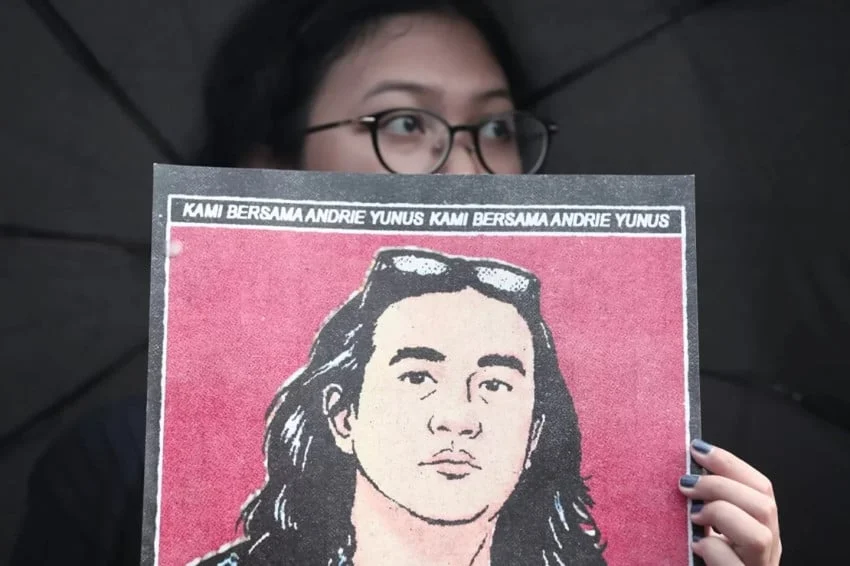
Case File of Andrie Yunus Acid Attack to be Transferred to Jakarta Military Court Tomorrow

by Asro June 13, 2025
written by Asro

The legal proceedings involving the brutal chemical attack on KontraS activist Andrie Yunus have reached a critical juncture as the Military Oditurat 07-II Jakarta prepares to formally hand over the case files to the Military Court II-08 Jakarta. Head of the Military Oditurat 07-II, Colonel Chk Andri Wijaya, confirmed on Wednesday, April 15, 2026, that the administrative and evidentiary transfer is scheduled to take place on Thursday, April 16, 2026, at precisely 10:00 AM WIB. This procedural step marks the transition from the investigative phase to the trial phase, a move that has been closely monitored by human rights organizations, the international community, and the highest levels of the Indonesian government. Colonel Andri Wijaya emphasized that the process would be transparent, inviting members of the media to witness the submission of the dossiers, which underscores the military’s stated commitment to accountability in a case that has sparked widespread public indignation.

The case centers on the physical assault of Andrie Yunus, a prominent member of the Commission for the Disappeared and Victims of Violence (KontraS), who was targeted in a chemical splashing incident that left him with severe injuries. Because the primary suspects identified in the investigation are active-duty members of the Indonesian National Armed Forces (TNI), the jurisdiction of the case has fallen under the military justice system, a point of significant contention among legal experts and civil society advocates. The transfer of these files to the Military Court II-08 Jakarta is not merely a bureaucratic necessity but a pivotal moment that will determine the trajectory of justice for Yunus and the broader protection of human rights defenders in Indonesia.

Contextual Background: The Attack on Andrie Yunus

The assault on Andrie Yunus occurred during a period of heightened social tension, as activists continued to push for transparency regarding past human rights abuses and contemporary legislative reforms. Yunus, known for his vocal stance against systemic corruption and military involvement in civilian affairs, was approached by unidentified individuals on motorcycles who doused him with a corrosive liquid. The attack resulted in permanent scarring and significant trauma, drawing immediate parallels to the 2017 acid attack on anti-corruption investigator Novel Baswedan.

The involvement of military personnel in an attack against a civilian activist immediately elevated the case from a local criminal matter to a national human rights crisis. Under Indonesian Law No. 31 of 1997 concerning Military Courts, crimes committed by soldiers are generally tried within the military hierarchy. However, critics argue that this system often lacks the transparency and impartiality required when the victim is a civilian. The Andrie Yunus case has thus become a litmus test for the "New Indonesia" era, challenging the government to prove that no individual, regardless of their rank or institution, is above the law.

Chronology of the Legal Process

The journey to the Military Court has been fraught with delays and intense public scrutiny. Following the attack in late 2025, a joint task force was established to identify the perpetrators. By early 2026, evidence led investigators to several active-duty personnel, leading to their detention by the Military Police (Pomdam Jaya).

  1. Late 2025: The attack on Andrie Yunus occurs, leading to immediate hospitalization and national outcry.
  2. January 2026: Initial police investigation suggests military involvement; the case is partially transferred to the Military Police for internal handling.
  3. February 2026: Human rights groups, led by KontraS and the Indonesian Legal Aid Foundation (YLBHI), demand a "koneksitas" (joint) trial involving both civilian and military judges to ensure neutrality.
  4. March 2026: The 902nd Aksi Kamisan protest is held in front of the Merdeka Palace, specifically highlighting Yunus’s case and demanding that President-level intervention ensure a fair trial.
  5. April 15, 2026: Colonel Chk Andri Wijaya announces the completion of the case files (P-21 status) and the scheduled transfer to the Military Court.

The announcement of the file transfer on April 16 is seen as a response to the growing pressure from the "Aksi Kamisan" movement, which has persisted for nearly two decades in its quest for justice. The 902nd iteration of the silent protest, held just weeks prior to this announcement, served as a poignant reminder to the administration that the public’s memory of such atrocities does not fade with time.

Political Implications and the Call for Ad Hoc Judges

The sensitivity of the case has drawn direct commentary from the executive branch. Vice President Gibran Rakabuming Raka has notably weighed in, requesting that the trial of the Andrie Yunus case include Ad Hoc judges. The inclusion of Ad Hoc judges—experts from outside the military structure—is seen as a necessary safeguard to prevent institutional bias and to provide a bridge of trust between the military court and the civilian public.

Minister of Law and Human Rights (and prominent legal scholar) Yusril Ihza Mahendra has confirmed that the Vice President’s request is being taken seriously. Yusril stated that his office is in active coordination with the Supreme Court (Mahkamah Agung) to discuss the feasibility of appointing Ad Hoc judges for this specific tribunal. While the Military Court Law traditionally limits the bench to military officers, there are legal avenues and precedents within the human rights framework that could allow for a more inclusive judicial panel.

"The government is committed to ensuring that this process is not seen as a form of internal shielding," Yusril noted in a recent briefing. "The discussion with the Supreme Court is vital because we must balance the specificities of military law with the universal requirements of a fair and open trial, especially when a civilian’s fundamental rights have been so violently violated."

Besok Berkas Perkara Andrie Yunus Dilimpahkan ke Pengadilan Militer

The Role of the Military Oditurat and the Court

The Military Oditurat (Oditurat Militer) serves as the prosecutorial arm within the military justice system. Colonel Chk Andri Wijaya’s role is equivalent to that of a Chief Prosecutor in a civilian court. By declaring the files ready for transfer, the Oditurat is signaling that they have sufficient evidence—including forensic reports on the chemical agent used, witness testimonies, and digital evidence linking the suspects to the crime scene—to secure a conviction.

The Military Court II-08 Jakarta, located in the capital, will be the venue for this high-stakes trial. Historically, military courts have been criticized for handing down lenient sentences to personnel involved in "excesses" against civilians. However, the global and domestic visibility of the Andrie Yunus case makes a "business-as-usual" approach unlikely. The transfer of the file at 10:00 AM tomorrow will trigger the scheduling of the first hearing, which many expect to become a focal point for further demonstrations and international observation.

Analysis of the Jurisdiction Debate

The decision to proceed in a military court rather than a civilian or "koneksitas" court remains the most controversial aspect of the case. Legal activists argue that Law No. 31 of 1997 is a relic of the New Order era and is inconsistent with the 1998 Reformation mandates, which suggested that soldiers who commit common crimes should be tried in civilian courts.

However, the military leadership has countered that the current legal framework must be followed until the law is formally amended by Parliament. By opening the file transfer process to the media, the military is attempting to perform a "transparency offensive" to mitigate accusations of secrecy. The presence of media during the handover of the dossiers is a tactical move to demonstrate that the military is not hiding the suspects or the evidence.

Supporting Data: Attacks on Activists in Indonesia

The attack on Andrie Yunus is not an isolated incident but part of a concerning trend. According to data from various human rights watchdogs, there has been a 15% increase in physical and digital harassment against activists in Southeast Asia over the last three years. In Indonesia, the use of chemical agents or "untraceable" physical assaults has become a terrifying method of intimidation.

Supporting statistics from KontraS suggest that out of every ten attacks on human rights defenders involving suspected state actors, only two reach a final verdict in a court of law. The Andrie Yunus case reaching the trial stage is, in itself, a significant achievement for the victim’s legal team, though the quality of the eventual verdict remains the ultimate benchmark of success.

Broader Impact on Civil-Military Relations

As the files move to the Military Court II-08 tomorrow, the implications for Indonesian democracy are profound. If the trial is conducted with the requested Ad Hoc judges and results in a transparent, fair sentencing, it could signal a new era of military accountability. Conversely, if the trial is perceived as a "whitewash," it may further alienate the civilian population and fuel the grievances expressed every Thursday during the Aksi Kamisan protests.

The international community, including UN human rights rapporteurs, has reportedly requested observer status for the upcoming trial. The Indonesian government’s willingness to grant such access will be another indicator of its commitment to international standards of justice.

The transfer of the Andrie Yunus case files tomorrow morning is the beginning of a new chapter in a long-running struggle for legal reform. As Colonel Andri Wijaya and his team prepare the dossiers for the judges of Court II-08, the eyes of the nation remain fixed on Jakarta, waiting to see if the scales of justice will finally balance for an activist who sacrificed his safety for the cause of human rights. The 10:00 AM deadline represents more than just a scheduled appointment; it is a moment where the state’s rhetoric on the rule of law meets the reality of its judicial application.


June 13, 2025 0 comment
0 FacebookTwitterPinterestEmail
Travel

Holiday Scams on the Rise as Bandung Woman Allegedly Embezzles Billions in Fraudulent Hotel Voucher Scheme

by Rifan Muazin June 12, 2025
written by Rifan Muazin

The anticipation of a well-deserved vacation often brings a sense of excitement and relief, as travelers meticulously plan their itineraries and search for the most competitive deals. However, beneath the surface of the bustling travel industry lies a growing risk of sophisticated financial fraud. Authorities and consumer advocacy groups are issuing urgent warnings following a high-profile case in Bandung, West Java, where a local woman allegedly defrauded numerous victims of billions of rupiah through a deceptive hotel voucher and holiday package scheme. This incident highlights a disturbing trend of travel-related scams that exploit the trust of consumers during peak holiday seasons.

The case, which has recently gained significant public attention, centers on a suspect identified as Febi Elisa Lusi. Lusi is accused of orchestrating a fraudulent business model centered on the resale of luxury hotel vouchers. One of the primary victims and the individual who brought the matter to the authorities is Vannysa Rahayu, known as Vanny, who has reportedly suffered financial losses amounting to approximately Rp1.1 billion. The case serves as a stark reminder of the vulnerabilities inherent in peer-to-peer travel transactions and the potential for personal relationships to be leveraged in white-collar crime.

The Foundation of Trust: A Shared Academic History

In many cases of large-scale fraud, the perpetrator utilizes a pre-existing social bond to lower the victim’s defenses. In this instance, the relationship between Vanny and Lusi was rooted in their time as students at the same university. While they were enrolled in different programs—Lusi in the Faculty of Economics and Vanny in the Faculty of Information Technology—their shared alma mater provided a veneer of legitimacy and mutual trust.

Adding another layer to this foundation was the fact that Lusi’s husband was a senior student (kakak tingkat) to Vanny. This interconnected social circle in Bandung made the prospect of a business partnership seem not only viable but secure. When Lusi approached Vanny with the opportunity to participate in a high-turnover hotel voucher business, Vanny felt confident in the venture’s authenticity, unaware that she was being drawn into a scheme that would eventually lead to a massive financial deficit and a protracted legal battle.

Chronology of the Embezzlement Scheme

The business operations reportedly began in 2022 under Lusi’s sole direction. During its inaugural year, the business appeared to function as intended, providing genuine vouchers to customers and building a small reputation. In 2023, Vanny officially joined the operation, bringing with her a network of associates to act as a dedicated sales force. For over a year, the business continued to operate without major red flags, fulfilling orders and maintaining a steady flow of transactions.

However, the situation began to deteriorate rapidly in early 2025. According to Vanny’s legal counsel, Yogi Nathaniel, S.H., M.H., the first signs of systemic failure emerged between March and April 2025. This period coincided with the lead-up to major school holidays and the transition into the mid-year travel peak. Customers who had purchased vouchers through Vanny’s sales team began reporting "failed bookings" at various hotels. When these travelers attempted to check into their accommodations, they were informed that no reservations existed in their names or that the vouchers provided were invalid.

As the complaints mounted, Vanny attempted to contact Lusi to rectify the booking failures. However, communication became increasingly sporadic. By February 2025, Lusi had reportedly severed most lines of communication, leaving Vanny to deal with the immediate fallout. To protect her own reputation and mitigate the distress of the travelers, Vanny was forced to use her personal funds to issue refunds to angry customers, further deepening her financial loss.

The Confrontation and the Unfulfilled Promise of Refund

In an effort to resolve the crisis, Vanny and her team tracked Lusi to her residence in Bandung. During this confrontation, Lusi reportedly admitted to the financial discrepancies and the failure of the voucher system. In the presence of witnesses, including individuals identified as Ajay and Teresa, Lusi signed a written statement acknowledging her debt and promising to refund the total amount of Rp1.1 billion.

Despite this written commitment, the promised funds never materialized. "We waited at her house in Bandung, we found her, and she made a formal statement that she would refund the money, totaling around Rp1.1 billion," Yogi Nathaniel stated during a recent media briefing. The failure to honor this agreement prompted Vanny to seek legal recourse, escalating the matter from a private civil dispute to a criminal investigation.

Legal Proceedings and Police Investigation

A formal police report (Laporan Polisi) was filed in May 2025. Following the report, the Bandung police initiated a series of investigations to determine the scope of the fraud and whether other individuals were complicit in the scheme. On the final Friday of the most recent investigative cycle, authorities conducted a follow-up session involving the examination of witnesses and the verification of digital and physical documents.

Vanny has already provided her testimony to investigators, detailing the flow of funds and the timeline of the business’s collapse. The investigation is currently expanding to include additional witnesses, including those present during the signing of the refund agreement. Legal experts suggest that if the allegations are proven, Lusi could face charges under Article 378 of the Indonesian Criminal Code (KUHP) concerning fraud, as well as Article 372 regarding embezzlement.

Supporting Data: The Rising Trend of Travel Fraud in Indonesia

The case in Bandung is not an isolated incident. According to data from the Indonesian National Consumer Protection Agency (BPKN), complaints regarding the tourism sector have seen a steady increase over the last three years. In 2023 and 2024, travel-related fraud ranked among the top five categories of consumer complaints in Indonesia, often involving "ghost" travel agencies or fraudulent online promoters.

Furthermore, the Financial Services Authority (OJK) has frequently warned the public about the "Ponzi-like" structures of some voucher-selling schemes. In these models, money from new voucher buyers is used to pay for the hotel stays of previous buyers. The system collapses when the influx of new capital fails to keep pace with the rising costs of hotel bookings, especially during peak seasons when hotel rates skyrocket. This appears to be the mechanism that led to the collapse of Lusi’s business in early 2025.

Analysis of Implications for the Tourism Industry

This scandal has broader implications for the regional tourism industry in West Java. Bandung, a major hub for domestic tourism, relies heavily on the trust of travelers from Jakarta and other surrounding cities. When high-profile fraud cases emerge, they cast a shadow over legitimate small and medium-sized travel enterprises (UMKM).

  1. Erosion of Digital Trust: As more consumers move toward booking via social media and messaging apps rather than official platforms, the risk of "social engineering" fraud increases. This case demonstrates that even a personal recommendation or a shared history is no longer a guarantee of safety in digital transactions.
  2. Financial Strain on Intermediaries: Independent sales agents, like Vanny’s team, often bear the brunt of the legal and financial consequences when a primary provider fails. This discourages individuals from entering the travel sector as legitimate affiliates.
  3. Regulatory Gaps: The ease with which individuals can start "voucher businesses" without a travel agent license (TDUP) in Indonesia remains a significant regulatory challenge. Authorities are being urged to tighten oversight on individuals selling travel services through informal channels.

Consumer Protection: How to Avoid Holiday Voucher Scams

In light of the Rp1.1 billion fraud case, travel experts and legal professionals are advising the public to exercise extreme caution when purchasing discounted vouchers. Key recommendations include:

  • Verify the Provider: Always check if the travel agent is registered with the Association of the Indonesian Tours and Travel Agencies (ASITA).
  • Direct Confirmation: Before paying for a voucher, call the hotel directly to verify if the seller is an authorized partner and if the voucher code is legitimate.
  • Avoid Unrealistic Discounts: If a voucher offers a price that is significantly lower (more than 40-50%) than the market rate on official booking sites like Agoda or Traveloka, it is likely a red flag.
  • Secure Payment Methods: Avoid transferring money to personal bank accounts. Legitimate businesses should have corporate accounts or use secure payment gateways that offer buyer protection.

Conclusion

The investigation into Febi Elisa Lusi remains ongoing as the Bandung police gather further evidence to build a comprehensive case for the prosecution. For Vannysa Rahayu and the dozens of travelers who lost their money, the road to recovery is long. The case serves as a cautionary tale for all Indonesians: the allure of a cheap holiday should never outweigh the necessity of due diligence. As the legal process unfolds, the public remains hopeful that justice will be served and that this incident will lead to more robust protections for consumers in the ever-evolving travel market.

June 12, 2025 0 comment
0 FacebookTwitterPinterestEmail
Travel

The Critical Guide to Aviation Attire and How Your Clothing Choices Impact Health and Safety During Air Travel

by Evan Lee Salim June 11, 2025
written by Evan Lee Salim

In an era where air travel has transitioned from a luxury experience to a fundamental mode of global transport, the priorities of passengers have shifted significantly toward efficiency and convenience. However, a growing body of evidence from travel experts, health professionals, and seasoned aviation authors suggests that many travelers are inadvertently compromising their well-being and safety through their choice of wardrobe. Recent insights shared by industry specialists highlight a specific list of garments that should be avoided to ensure a seamless and healthy journey. These recommendations are not merely based on aesthetic preferences but are grounded in physiological health, hygiene standards, and the logistical realities of modern airport security.

The Physiological Impact of Denim and Tight Clothing

For many travelers, denim jeans are a staple of their daily wardrobe, often chosen for their durability and perceived versatility. However, travel experts, including Tory Jon, founder of Camper FAQs, argue that jeans are among the least suitable items for long-haul flights. The primary concern lies in the restrictive nature of denim, particularly styles that are tight-fitting around the waist and legs.

During a flight, especially one exceeding three hours, the human body is subjected to prolonged periods of inactivity in a pressurized cabin. These conditions are conducive to the development of Deep Vein Thrombosis (DVT), a condition where blood clots form in the deep veins, usually in the legs. Tight clothing can exacerbate this risk by further restricting blood circulation. When the waistline of a pair of jeans presses against the abdomen or when the fabric constricts the thighs, it creates a physical barrier to efficient venous return. This can lead to edema (swelling), numbness, and in severe cases, the aforementioned clotting issues.

Furthermore, denim is a heavy, non-breathable fabric. In the microclimate of an airplane cabin, where temperatures can fluctuate and humidity is notoriously low, jeans do not allow the skin to regulate temperature effectively. This often results in the wearer feeling excessively warm and perspiring, which, combined with the lack of airflow, can lead to skin irritation and general discomfort by the time the aircraft reaches its destination. Experts suggest replacing jeans with "athleisure" wear, such as high-quality joggers or loose-fitting trousers made from technical fabrics that offer both stretch and breathability.

The Logistical Hazards of One-Piece Outfits

The rise of the "jumpsuit" and "romper" in contemporary fashion has seen these items become popular choices for travelers seeking a coordinated look. However, from a practical standpoint, aviation experts like Jessica Schmit of Uprooted Traveler warn that these one-piece ensembles are a significant liability in the confined spaces of an airplane.

The primary issue is the functional requirement of the aircraft lavatory. Airplane bathrooms are notoriously small, often measuring less than 30 inches wide. In such a cramped environment, the process of undressing to use the facilities becomes a complex maneuver. For a wearer of a jumpsuit or romper, the entire garment must be lowered, often leaving the upper portion of the suit dangled near or on the floor.

Aviation hygiene studies have consistently shown that airplane floors, particularly in lavatories, harbor high concentrations of bacteria, including E. coli and various strains of influenza. The risk of a garment touching these surfaces poses a significant sanitary concern. Additionally, the time required to manage these complex outfits can contribute to longer queues for the lavatory, impacting the overall comfort of other passengers. Reneze Lopez of Sincerely Reneze further notes that "unitards" or tight athletic one-pieces can be socially awkward and physically restrictive during long periods of sitting, suggesting that two-piece sets are a much more logical alternative.

Security Bottlenecks and the Role of Accessories

The modern airport security experience is defined by the need for speed and the reduction of friction. One of the most common causes of delays at Transportation Security Administration (TSA) checkpoints and international equivalents is the presence of metal accessories, specifically belts.

Rax Suen, founder of NomadsUnveiled, emphasizes that belts are an unnecessary complication for the modern traveler. While they may be a necessary component of a professional outfit, wearing them through security requires removal and re-insertion, which slows down the flow of the queue. Beyond the security gate, belts can become uncomfortable during a flight. As the body naturally bloats due to changes in cabin pressure—a phenomenon often referred to as "airplane belly"—a rigid belt can dig into the soft tissue of the midsection, causing digestive discomfort and pain.

The recommendation from the travel community is to opt for trousers with elasticated waistbands or internal drawstrings. This allows for natural body expansion during the flight without the need for manual adjustment or the removal of accessories at security checkpoints.

Footwear, Hygiene, and Emergency Preparedness

The choice of footwear is perhaps the most critical element of a traveler’s attire, impacting everything from health to emergency safety. While sandals and open-toed shoes are popular for those heading to tropical destinations, they are discouraged by travel veterans like Sarah Simon of Mukikapup’s Travels.

The first concern is hygiene. As previously mentioned, airplane floors are not cleaned to the same standards as clinical environments. Walking into a lavatory in open-toed shoes or, worse, socks alone, exposes the skin to a variety of contaminants. Furthermore, the temperature on planes is often kept low to mitigate the risk of passenger fainting and to manage the heat generated by onboard electronics. Open-toed shoes leave the extremities vulnerable to the cold, which can impede circulation.

From a safety perspective, footwear plays a vital role in the event of an emergency evacuation. In the unlikely event that passengers must exit the aircraft via inflatable slides or navigate debris, sturdy, closed-toed shoes provide the necessary protection and traction. Sandals or high heels can easily be lost or cause injury during a rapid egress. Michelle Joy of Harbors and Havens suggests slip-on sneakers as the ideal compromise; they are easy to remove for security checks (avoiding the need to go barefoot on the terminal floor) and provide adequate protection and warmth during the flight.

The Chemistry of Fabrics: The Case Against Polyester

While many travelers choose synthetic fabrics like polyester for their wrinkle-resistant properties and lightweight nature, textile experts and travel bloggers like Wesley Cunningham of WorldWideyedWes highlight a major drawback: odor retention.

Polyester is a synthetic fiber derived from petroleum, making it essentially a plastic-based fabric. Unlike natural fibers, polyester is hydrophobic, meaning it repels water but absorbs oil. This characteristic causes the fabric to trap skin oils and the bacteria that feed on sweat. In the enclosed environment of an airplane, where air is recirculated, the odor-trapping nature of polyester can become problematic. Once a synthetic garment begins to hold an odor, it is much harder to refresh than a natural fiber.

In contrast, natural materials such as cotton, silk, and particularly Merino wool, are highly recommended. Merino wool is often cited as the "gold standard" for travel because it is naturally antimicrobial, moisture-wicking, and temperature-regulating. It can be worn for multiple days without retaining odors, making it perfect for long-haul journeys and minimal packing. Modal, a bio-based textile made from beech tree cellulose, is also praised for being significantly more absorbent than cotton, providing a soft and breathable layer that keeps the skin dry.

Broader Implications for Passenger Wellness and Aviation Policy

The discussion regarding in-flight attire is part of a larger conversation about passenger wellness in the aviation industry. As airlines continue to optimize cabin configurations for maximum capacity, the physical space allotted to each passenger has decreased. This reduction in personal space makes the physiological impact of clothing more pronounced.

Medical data supports the shift toward more thoughtful dressing. According to the Centers for Disease Control and Prevention (CDC), DVT affects up to 900,000 Americans each year, and "travel-associated" DVT is a recognized risk for anyone on a flight longer than four hours. By avoiding restrictive clothing like jeans and belts, passengers can significantly lower their risk profile.

Furthermore, the operational efficiency of airlines is indirectly affected by passenger clothing. Medical emergencies on flights, some of which are related to circulatory issues or fainting, can result in costly diversions. By educating the public on proper attire, the industry can potentially reduce the frequency of these incidents.

In conclusion, while the temptation to prioritize fashion or luggage space is high, the benefits of choosing the right fabrics and styles for air travel are undeniable. By opting for breathable, natural fibers, loose-fitting layers, and practical footwear, travelers can ensure that their journey is not only more comfortable but also safer and more hygienic. The transition from "dressing up" for a flight to "dressing smart" reflects a modern understanding of the rigors of aviation and the importance of maintaining physical health at 35,000 feet.

June 11, 2025 0 comment
0 FacebookTwitterPinterestEmail
Education

PT Quipper Edukasi Indonesia Issues Urgent Public Warning Regarding Brand Misuse and Unauthorized Financial Activities

by Pevita Pearce June 11, 2025
written by Pevita Pearce

PT Quipper Edukasi Indonesia, a leading education technology provider operating under the brand name Quipper, has officially issued a comprehensive security advisory to its users, partners, and the general public. The notice serves as a critical warning against the rising trend of brand impersonation and the unauthorized use of the company’s intellectual property, including its name, logo, and corporate attributes. This move comes amid a broader surge in digital fraud across the Indonesian educational sector, where malicious actors have increasingly sought to exploit the trust established by reputable EdTech platforms to conduct phishing, fraudulent investments, and illegal lending schemes.

In a formal statement addressed to teachers, students—affectionately known as "Quipperians"—and parents, the company emphasized the necessity of vigilance. The advisory outlines several key indicators of fraudulent activity and provides a framework for verifying the authenticity of any communication claiming to originate from Quipper. The company’s management has made it clear that protecting the integrity of its community and the security of user data remains a top priority as digital threats become more sophisticated.

The Landscape of Brand Impersonation in the Digital Era

The rise of online learning in Indonesia has created a vast ecosystem of digital users, many of whom are minors or educators who may not always be fully appraised of the latest cybersecurity threats. Scammers frequently leverage the reputation of established brands like Quipper to gain a foothold of trust. By using official-looking logos and mimicking corporate language, these unauthorized parties often attempt to solicit sensitive personal information or financial contributions.

The current warning from Quipper is not an isolated incident but part of a larger trend identified by cybersecurity experts in Southeast Asia. According to data from various regional cybersecurity agencies, brand impersonation accounts for a significant percentage of social engineering attacks. In the context of the Indonesian EdTech industry, these scams often manifest as fake job offers, unauthorized scholarship programs, or fraudulent promotional contests that require an "administrative fee."

Official Verification Channels and Communication Protocols

To combat the proliferation of misinformation, PT Quipper Edukasi Indonesia has clarified its official communication protocols. One of the primary defenses against digital fraud is the verification of the sender’s identity. Quipper has explicitly stated that all official correspondence from its employees, including members of the management team, is conducted exclusively through the corporate email domain @quipper.com. Any communication received from generic email providers—such as Gmail, Yahoo, or Hotmail—or from domains that closely mimic the official one (e.g., quipper-support.net) should be treated as suspicious.

Furthermore, the company maintains that its official contacts are managed by an internal team and are listed clearly on its verified platforms. Users are urged to cross-reference any contact information they receive with the details provided on the official Quipper website and verified social media accounts. This centralized approach to communication is designed to minimize the "noise" created by third-party scammers and ensure that users have a reliable source of truth.

Disassociation from Financial Services and Illegal Lending

Perhaps the most significant portion of the advisory concerns the company’s absolute disassociation from financial services. PT Quipper Edukasi Indonesia has stated unequivocally that it is not involved in any form of online lending (locally known as "pinjol"), investment schemes, or fund distribution activities. This clarification is vital given the current climate in Indonesia, where illegal online lending platforms have become a pervasive social issue.

Scammers have been known to use the names of reputable companies to offer "quick loans" or "exclusive investment opportunities" to unsuspecting victims. By leveraging the Quipper brand, these actors attempt to bypass the skepticism that usually accompanies unsolicited financial offers. Quipper’s management has clarified that any financial transaction or personal loan involving an individual who claims to be an employee of the company is a strictly personal matter. The company holds no responsibility for such private dealings and will not be held liable for any risks or losses arising from personal financial engagements.

Data Privacy and the Indonesian Legal Framework

The protection of personal data is another pillar of Quipper’s security advisory. In alignment with the Indonesian Personal Data Protection Law (UU PDP), the company has reaffirmed its commitment to maintaining the confidentiality of user information. Quipper has stated that it does not share personal data with third parties without obtaining explicit, written consent from the data owner.

This stance is particularly important as data harvesting becomes a primary goal for cybercriminals. By promising educational benefits or access to premium content, scammers often trick users into filling out forms that capture names, phone numbers, and national identity details. Quipper’s reminder serves to educate users that a legitimate educational platform will never request sensitive credentials or personal data through unofficial or unsecured channels.

Chronology of Preventative Measures and Corporate Action

The issuance of this warning follows a period of increased monitoring by Quipper’s internal security and legal teams. While the company has not disclosed specific incidents that triggered the advisory, the move is viewed as a proactive step to mitigate potential damage to its reputation and its users’ welfare. The timeline of Quipper’s response reflects a standard corporate crisis management strategy:

  1. Identification: Monitoring of social media and user reports to identify unauthorized accounts using Quipper’s branding.
  2. Internal Audit: Reviewing communication logs to ensure that no internal breaches have occurred and that the @quipper.com domain remains secure.
  3. Public Advisory: Reaching out to the "Quipperian" community through official blogs, emails, and social media to raise awareness.
  4. Legal Preparation: Signaling a readiness to involve law enforcement agencies to track and prosecute those responsible for brand misuse.

The company has explicitly stated that it will not hesitate to take legal action against individuals or entities found to be engaging in fraud or defamation using the Quipper name. This includes pursuing criminal charges under the Electronic Information and Transactions (ITE) Law, which carries heavy penalties for digital fraud and identity theft in Indonesia.

Analysis of the Impact on the EdTech Sector

The challenges faced by Quipper are indicative of a broader vulnerability within the global EdTech sector. As education becomes increasingly digitized, the "attack surface" for cybercriminals expands. For a company like Quipper, which serves as a bridge between technology and traditional education, maintaining a secure environment is essential for the pedagogical process to thrive.

Industry analysts suggest that such warnings are necessary for maintaining "brand equity." When a brand is associated with trust—especially in the context of children’s education—any association with fraudulent activities, however indirect, can be damaging. By being transparent about the risks and providing clear instructions on how to avoid them, Quipper is reinforcing its role as a responsible corporate citizen.

Furthermore, this situation highlights the need for increased digital literacy programs. While the company can secure its servers and domains, it cannot control the actions of individual users. Therefore, the advisory serves a dual purpose: it is both a legal disclaimer and an educational tool. It encourages users to develop a "zero-trust" mentality regarding unsolicited digital communications, which is the most effective defense against social engineering.

Recommendations for Teachers and Students

In light of these developments, PT Quipper Edukasi Indonesia has provided a set of actionable recommendations for its community. Educators are encouraged to brief their students on the importance of verifying online sources and to be wary of any "too-good-to-be-true" offers related to their studies. Students are advised to never share their login credentials and to report any suspicious messages to the official Quipper support channels immediately.

Key safety checks recommended by security experts include:

  • Inspecting URLs: Ensure the website address is exactly as it should be, without subtle misspellings.
  • Verifying HTTPS: Check for the padlock icon in the browser address bar, indicating a secure connection.
  • Questioning Urgency: Be skeptical of messages that create a false sense of urgency, demanding immediate payment or data submission.
  • Direct Confirmation: If in doubt, contact the company through a known, official phone number or support portal rather than replying to the suspicious message.

Conclusion and Future Outlook

PT Quipper Edukasi Indonesia remains committed to fostering a safe and productive learning environment. As the digital landscape continues to evolve, the company has signaled that it will continue to update its security protocols and keep the public informed of any emerging threats. The current advisory is a testament to the company’s proactive stance in the face of rising cybercrime.

By clarifying its operational boundaries—specifically its non-involvement in financial services and its strict adherence to data privacy laws—Quipper is setting a standard for other EdTech providers in the region. The focus now shifts to the community’s response. The success of these preventative measures depends largely on the collective vigilance of teachers, students, and parents. As the company moves forward, it continues to emphasize that the security of the Quipper ecosystem is a shared responsibility, requiring both robust corporate defenses and an informed, cautious user base.

June 11, 2025 0 comment
0 FacebookTwitterPinterestEmail
Education

Dr Oky Pratama Testifies in Nikita Mirzani Lawsuit Against Reza Gladys Regarding Alleged Unlawful Acts and Skincare Disputes.

by Basiran June 10, 2025
written by Basiran

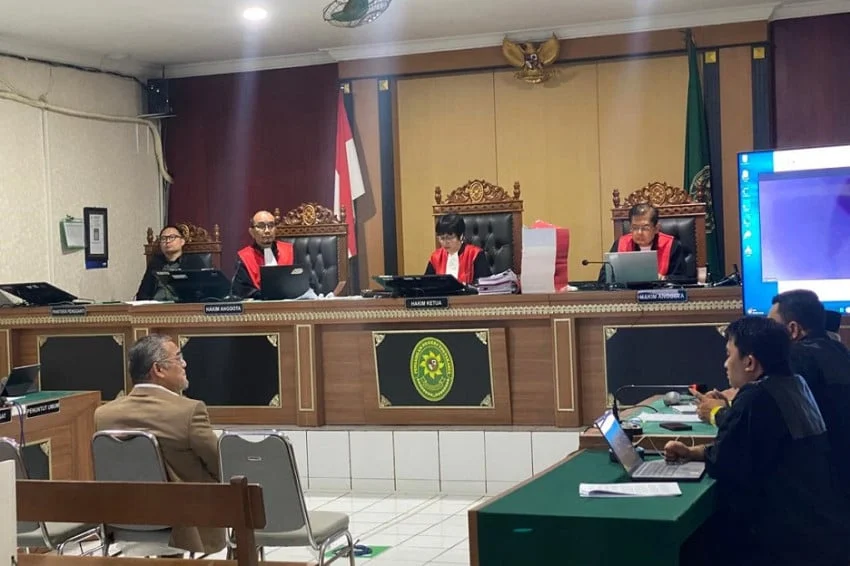
The legal battle between prominent Indonesian celebrities and beauty entrepreneurs reached a critical juncture at the South Jakarta District Court on Wednesday, April 15, 2026, as Dr. Oky Pratama took the stand as a key witness. The proceedings, which stem from a lawsuit filed by actress and social media personality Nikita Mirzani against fellow skincare mogul Reza Gladys, center on allegations of an "Unlawful Act" (Perbuatan Melawan Hukum or PMH). The courtroom was filled with legal representatives and media personnel as Dr. Oky, a well-known figure in the Indonesian aesthetic medicine industry, detailed his involvement in the friction that has captivated the public for several months.

During his testimony, Dr. Oky Pratama, who is the founder of Bening’s Clinic and a close associate of both parties, clarified his role as a self-described "communication bridge" between the plaintiff and the defendant. According to his statement before the panel of judges, the tension between Nikita Mirzani and Reza Gladys escalated significantly during the latter half of 2024, leading to the current litigation. In addition to Dr. Oky, Nikita’s legal team also presented Dhea Hanifa Putri, Nikita’s personal manager, to provide further context regarding the professional and personal fallout resulting from the dispute.

The Testimony of Dr. Oky Pratama: A Bridge Under Pressure

Dr. Oky’s testimony focused primarily on the timeline of communication that occurred between September and October 2024. He revealed that during this period, Reza Gladys repeatedly reached out to him in an attempt to secure a direct meeting with Nikita Mirzani. The witness noted that the frequency of these requests indicated a high level of urgency from the defendant’s side.

"I was contacted continuously by Reza Gladys throughout September and October of 2024," Dr. Oky stated in the courtroom. "She expressed a strong desire to be facilitated in a face-to-face meeting with Nikita. At the time, I perceived my role as a mediator who could perhaps help de-escalate the rising tensions before they reached the legal stage."

The witness explained that while he attempted to convey these requests to Nikita, the atmosphere was already fraught with hostility. The legal team representing Nikita Mirzani questioned Dr. Oky extensively on the nature of these communications, seeking to establish whether the defendant’s actions constituted an admission of wrongdoing or an attempt to suppress information regarding the quality and legality of certain skincare products marketed by Gladys’s brand.

Background and Chronology of the Dispute

The roots of the conflict between Nikita Mirzani and Reza Gladys are deeply intertwined with the competitive and often volatile landscape of the Indonesian skincare industry. While the current trial focuses on the civil aspect of an Unlawful Act (PMH), the friction reportedly began with allegations concerning the safety and licensing of beauty products.

The timeline of the dispute can be traced back to mid-2024:

  1. August 2024: Rumors began circulating on social media regarding the ingredients used in several high-profile local skincare brands. Nikita Mirzani, known for her vocal stance on consumer protection and transparency, began making public statements about "over-claimed" products and brands that allegedly lacked proper BPOM (National Agency of Drug and Food Control) certification.
  2. September 2024: Tensions peaked when Nikita specifically alluded to products associated with Reza Gladys. It was during this month that Dr. Oky Pratama was first pulled into the conflict as a mediator.
  3. October 2024: Despite Dr. Oky’s attempts to facilitate a meeting, the parties failed to reach an amicable resolution. Legal notices were exchanged, and the rhetoric on social platforms intensified.
  4. Late 2024 – Early 2025: Nikita Mirzani officially filed a police report and a subsequent civil lawsuit. The civil lawsuit, which is currently being heard, seeks damages for what the plaintiff describes as a violation of legal norms and ethical standards in business.
  5. April 15, 2026: The South Jakarta District Court convenes for the evidentiary phase, calling upon Dr. Oky Pratama and Dhea Hanifa Putri to testify.

Understanding the Legal Concept of "Perbuatan Melawan Hukum" (PMH)

In the context of Indonesian law, a lawsuit for an Unlawful Act is grounded in Article 1365 of the Indonesian Civil Code (Burgerlijk Wetboek). To succeed in such a claim, the plaintiff must prove several key elements:

  • The existence of an unlawful act: The defendant must have committed an act that violates the law, the legal rights of others, or the principles of decency and professional conduct.
  • Fault or Negligence: There must be a demonstrable error or omission on the part of the defendant.
  • Damages: The plaintiff must have suffered actual loss, whether material (financial) or immaterial (reputational).
  • Causality: There must be a direct link between the unlawful act and the damages suffered.

Nikita Mirzani’s legal team argues that Reza Gladys’s business practices and the subsequent fallout caused significant reputational damage to Nikita, who has built a brand around being a "truth-teller" in the industry. Conversely, the defense argues that the lawsuit is an attempt to stifle competition and that all products were in compliance with existing regulations.

The Role of the Skincare Industry and BPOM Oversight

A significant subtext of this trial is the broader issue of skincare regulation in Indonesia. The Indonesian beauty market has seen exponential growth over the last five years, with hundreds of new local brands entering the fray. However, this growth has been accompanied by concerns regarding "white-labeling"—where entrepreneurs buy generic formulas and rebrand them—and the potential for misleading marketing.

Jadi Saksi Sidang, Dokter Oky Pratama Beberkan Perannya dalam Kasus PMH Nikita Mirzani

The National Agency of Drug and Food Control (BPOM) has been under increasing pressure to tighten its oversight. In previous statements related to this case, Nikita Mirzani hinted that some products under investigation might contain ingredients that, while effective in the short term, do not meet long-term safety standards or were marketed using unauthorized claims.

The testimony of Dhea Hanifa Putri, Nikita’s manager, further supported the claim that the dispute had professional consequences. Dhea testified about the impact the conflict had on Nikita’s endorsement contracts and the mental stress caused by the ongoing legal uncertainty. She emphasized that the decision to pursue a lawsuit was not taken lightly but was seen as a necessary step to protect Nikita’s professional integrity.

Implications for the Beauty Mogul Community

The outcome of this trial is expected to set a significant precedent for the Indonesian beauty industry. For years, the sector has operated in a gray area where celebrity influence often outpaces regulatory scrutiny. A verdict in favor of Nikita Mirzani could signal a new era of accountability, where influencers and entrepreneurs are held to stricter standards regarding the claims they make about their products.

Industry analysts suggest that the "skincare wars" among Indonesian socialites often blur the lines between personal vendettas and genuine consumer advocacy. Dr. Oky Pratama’s involvement is particularly noteworthy because he occupies a unique space as both a medical professional and a commercial entity. His testimony reflects the difficult position many industry insiders find themselves in when two powerful figures clash.

Official Responses and Courtroom Atmosphere

Following the session, Nikita Mirzani’s lead counsel expressed satisfaction with the day’s proceedings. "Dr. Oky’s testimony confirms that there was an active effort from the other side to resolve something that they clearly felt was a problem. It establishes the timeline of events and shows that our client was not the aggressor, but rather someone responding to a situation that had already gone too far," the attorney told reporters outside the courthouse.

On the other side, the legal team for Reza Gladys maintained their client’s innocence. They argued that the desire to meet with Nikita was a gesture of good faith intended to clear up misunderstandings, rather than an admission of any unlawful act. They characterized the lawsuit as an "exaggeration of professional disagreements" and expressed confidence that the evidence would ultimately favor the defendant.

The court has scheduled the next hearing for the following week, where more expert witnesses are expected to be called, including potentially representatives from regulatory bodies or independent dermatologists to discuss the technical aspects of the products in question.

Broader Impact and Public Perception

The public reaction to the trial has been polarized. On social media platforms like Instagram and TikTok, fans of both women have engaged in heated debates. Some view Nikita Mirzani as a crusader for consumer safety, while others see the litigation as an unnecessary escalation of a personal rivalry.

Beyond the gossip, however, the case highlights the maturing of the Indonesian legal system in handling disputes involving digital assets, personal branding, and modern commerce. As the trial continues, it serves as a reminder that in the age of social media, reputation is a valuable commodity, and the law is increasingly being used to define the boundaries of professional conduct in the digital marketplace.

The South Jakarta District Court will continue to deliberate on the evidence presented by Dr. Oky Pratama and other witnesses. As the legal process unfolds, the beauty industry remains on high alert, waiting to see how the court will define "unlawful acts" in the context of one of the country’s most lucrative and competitive sectors. The resolution of this case will likely influence how skincare brands are marketed and how disputes between public figures are managed for years to come.

June 10, 2025 0 comment
0 FacebookTwitterPinterestEmail
Education

LSPR Institute of Communication and Business Students Launch Sapa Lansia Program to Empower Elderly Community in Pondok Bambu Jakarta

by Nana Wu June 9, 2025
written by Nana Wu

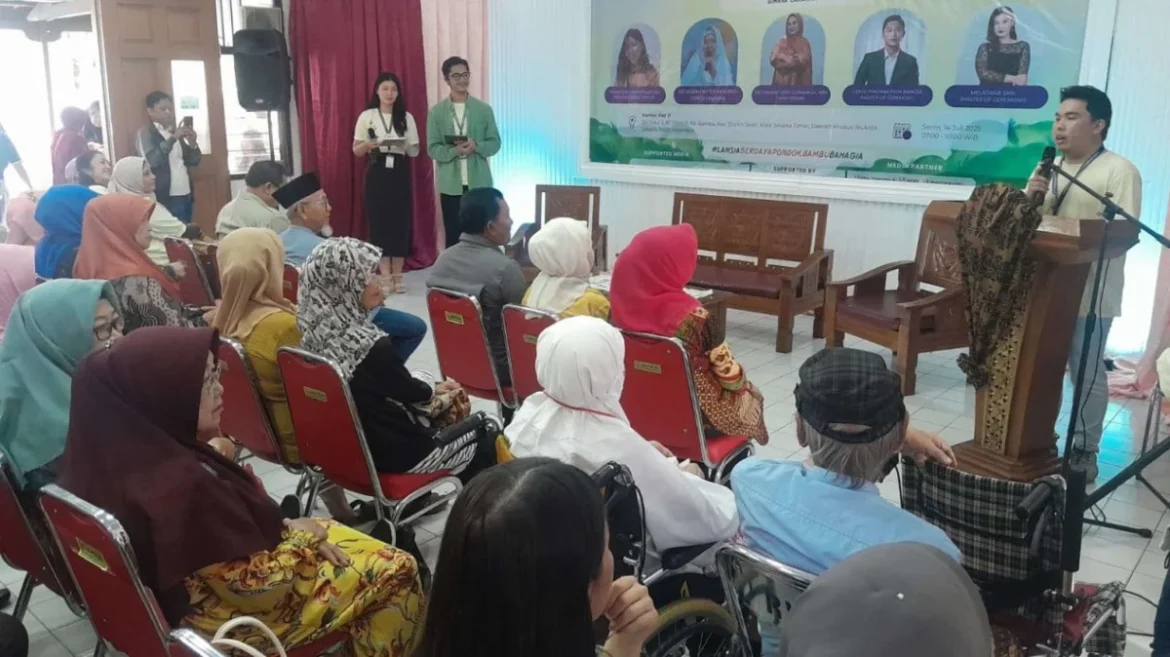
The landscape of urban aging in Indonesia is undergoing a significant transformation, necessitating a shift from passive care to active empowerment. In a proactive response to these shifting demographics, students from the LSPR Institute of Communication and Business, specifically from the PRDC 26-1TP class, have successfully implemented a comprehensive community development initiative titled SAPA LANSIA: "Lansia Berdaya, Pondok Bambu Bahagia." This program, which culminated in a peak celebration on Monday, July 14, 2025, represents a sophisticated fusion of academic Public Relations theory and grassroots social advocacy. Held at the Balai Warga RW 11, Kelurahan Pondok Bambu, Duren Sawit, East Jakarta, the initiative addressed the multifaceted challenges faced by the elderly, ranging from physical health decline to the psychological burdens of social isolation and the loss of post-retirement identity.

Addressing the Societal Challenges of an Aging Population

As Indonesia moves toward becoming an "aging society," the challenges associated with elderly welfare have become increasingly complex. Data from the Indonesian Central Bureau of Statistics (BPS) indicates that the percentage of the elderly population in Indonesia has more than doubled over the past few decades, reaching approximately 11.75% in 2023, with projections suggesting that this figure will continue to rise. This demographic shift brings to the forefront issues of geriatric health, financial security, and social inclusion.

For many seniors in urban centers like Jakarta, the transition into old age is often marked by a sudden cessation of professional activity, leading to a diminished sense of purpose. This "role loss" can trigger a cascade of mental health issues, including chronic loneliness, depression, and anxiety. The SAPA LANSIA program was conceptualized specifically to counter these trends by fostering an environment where seniors are not merely recipients of care, but active participants in their community. By focusing on the RW 11 area of Pondok Bambu—a region with a dense elderly population of over 400 individuals aged 55 to 80—the LSPR students targeted a demographic in need of structured social engagement and health literacy.

Chronology and Strategic Implementation of the Sapa Lansia Initiative

The SAPA LANSIA program was not a singular event but a sustained month-long intervention that began in June 2025. The students of LSPR Institute of Communication and Business adopted a phased approach to community engagement, ensuring that the activities were sustainable and culturally resonant with the local population.

The first phase focused on physical wellness through "Senam Lansia" (Elderly Gymnastics). These sessions were designed to address the prevalence of degenerative diseases such as hypertension, diabetes, and osteoarthritis, which frequently affect the 55-80 age bracket. By promoting regular physical activity, the program aimed to improve cardiovascular health and mobility while simultaneously providing a regular social gathering point for the residents.

The second phase introduced the concept of TOGA (Tanaman Obat Keluarga) or Family Medicinal Plants. This initiative involved the collaborative planting of herbal species such as ginger (jahe), turmeric (kunyit), lemongrass (sereh), and Javanese turmeric (temulawak). This component served a dual purpose: it encouraged environmental stewardship and provided the community with a sustainable source of natural remedies. In an era where healthcare costs can be a burden, the ability to cultivate and utilize traditional medicine offers both economic and health autonomy.

The third phase centered on cognitive stimulation and motor skill retention through the creation of "prakarya" or simple handicrafts. These activities were strategically chosen to stimulate the brain’s neuroplasticity and maintain manual dexterity, which often declines with age. The creative process also provided a vital outlet for self-expression, allowing participants to reclaim a sense of agency and accomplishment.

Academic Integration and the Role of Public Relations

The program served as a practical application of the "Projects – PR Programs & Evaluation" course, supervised by Sophia Bernadette, S.E., M.I.Kom. From an academic perspective, the initiative demonstrated how Public Relations has evolved beyond corporate reputation management into the realm of social engineering and community relations.

Sophia Bernadette emphasized the importance of the TOGA initiative as a pillar of the program. "TOGA represents the utilization of household land for the cultivation of herbal plants that possess natural healing properties and are easily accessible," she noted. This reflects a strategic communication goal: educating the public on sustainable health practices while fostering community bonds through shared labor. The students were tasked with not only organizing the events but also evaluating their impact, ensuring that the communication strategies used were effective in mobilizing a demographic that is often difficult to reach through digital-only channels.

Surya Ananda Saputra, the chairman of the organizing committee, highlighted that the primary objective was to rejuvenate the "spirit of life" among the elderly. "The Sapa Lansia program was born to increase the productivity and zest for life of the elderly through a series of structured activities," Saputra explained. His statement underscores the shift from a "charity" mindset to an "empowerment" mindset, which is a hallmark of modern social PR.

Peak Celebration: A Confluence of Inspiration and Advocacy

The climax of the program on July 14, 2025, served as a celebratory milestone for the participants of RW 11. The event was designed to be both an exhibition of the work accomplished over the previous weeks and a forum for deep intellectual and emotional exchange. The Balai Warga was transformed into a gallery displaying the handicrafts made by the seniors and the thriving TOGA garden they had cultivated.

A central highlight of the peak event was a talkshow featuring psychologists, religious figures, and the legendary Indonesian actress Yasmine Yessy Gusman. Known for her enduring career and her advocacy for literacy and education, Yessy Gusman served as a living example of "active aging." Her presence was intended to inspire the participants to view age not as a period of decline, but as a different chapter of productivity. By sharing her personal journey, she reinforced the message that intellectual and creative pursuits can continue indefinitely.

The inclusion of psychologists and religious leaders provided a holistic approach to the talkshow. While the psychologists addressed the cognitive and emotional hurdles of aging—such as dealing with grief or the "empty nest" syndrome—the religious figures provided spiritual solace and a framework for finding peace in the later stages of life. This multi-disciplinary approach ensured that the needs of the "whole person" were addressed.

Community Response and Local Leadership

The success of the program was heavily dependent on the cooperation of local leadership. Pak Indro, the Head of RW 11 in Pondok Bambu, expressed his profound appreciation for the students’ initiative. He noted that while the elderly population in his area is significant, they often lack organized outlets for social and physical development.

"This talkshow and the preceding activities are expected to open a space for honest and open dialogue regarding various challenges that are often not discussed openly by the elderly," Pak Indro stated. He highlighted that the program helped break the stigma surrounding the "vulnerabilities" of old age, replacing it with a narrative of resilience and community contribution. The local administration noted a marked increase in the morale of the residents, with many expressing a desire for the "Sapa Lansia" activities to become a permanent fixture in the neighborhood’s social calendar.

Analysis of Broader Implications and Future Outlook

The "Sapa Lansia" program by LSPR students carries implications that extend far beyond the borders of Pondok Bambu. It serves as a model for intergenerational collaboration in urban environments. In a rapidly modernizing society, the gap between the youth (Gen Z and Millennials) and the elderly (Baby Boomers and the Silent Generation) can often lead to a loss of traditional wisdom and a lack of empathy. By engaging directly with the seniors, the students gained invaluable insights into the lived experiences of an older generation, while the seniors benefited from the energy, technological literacy, and organizational skills of the youth.

Furthermore, the focus on "Berdaya" (Empowered) rather than just "Bahagia" (Happy) aligns with global trends in geriatric care. The World Health Organization (WHO) promotes the concept of "Active Ageing," which is the process of optimizing opportunities for health, participation, and security in order to enhance quality of life as people age. Programs like SAPA LANSIA operationalize these global goals at a local level, proving that small-scale, student-led initiatives can contribute significantly to national health and social welfare objectives.

From a Public Relations standpoint, this project illustrates the power of "Social PR" in building social capital. The students successfully managed stakeholder relations—including local government, celebrity influencers, and community members—to create a cohesive social ecosystem. The data gathered from the evaluation phase of this project will likely provide a blueprint for future classes and other institutions looking to implement similar community development programs.

As the program concludes, the legacy of the TOGA gardens and the renewed social ties in RW 11 Pondok Bambu stand as a testament to the impact of the initiative. The challenge moving forward will be the sustainability of these efforts. However, by equipping the seniors with the tools for self-sufficiency—both through the medicinal plants and the creative skills—the LSPR students have ensured that the seeds of empowerment have been firmly planted in the heart of East Jakarta.

June 9, 2025 0 comment
0 FacebookTwitterPinterestEmail
Education

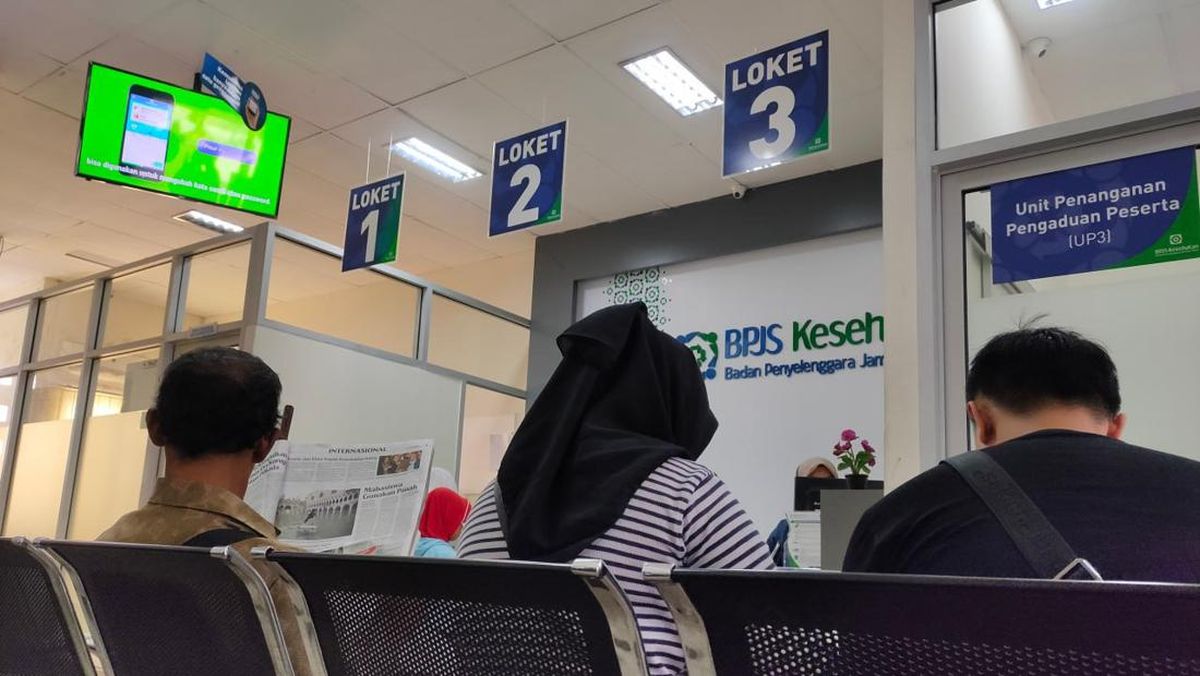
How to Check BPJS Kesehatan Membership Status via Mobile Phone: A Complete Guide to Online Verification Methods

by Pevita Pearce June 9, 2025
written by Pevita Pearce

The Social Security Administrative Body for Health, widely known as BPJS Kesehatan, has significantly modernized its service delivery to accommodate the growing digital needs of the Indonesian population. As the backbone of the National Health Insurance (JKN) program, BPJS Kesehatan now provides multiple streamlined channels for participants to verify their membership status without the necessity of visiting a physical branch office. This digital transformation is a pivotal component of the government’s broader strategy to achieve Universal Health Coverage (UHC) while ensuring that administrative hurdles do not impede access to essential medical services. For the millions of Indonesians enrolled in the program, maintaining an active status is critical, as any lapse in membership can lead to the suspension of benefits at the point of care, potentially resulting in significant out-of-pocket expenses during medical emergencies.

The Strategic Importance of Membership Verification

Understanding one’s BPJS Kesehatan status is more than a mere administrative formality; it is a vital step in ensuring healthcare security. The JKN-KIS (National Health Insurance-Healthy Indonesia Card) system operates on a contributory principle, where active status is maintained through regular premium payments or government subsidies for the underprivileged (PBI). When a participant’s status becomes inactive—often due to payment arrears, data discrepancies, or changes in employment—they lose immediate access to subsidized outpatient and inpatient services at primary health facilities (Puskesmas) and referral hospitals.

In recent years, BPJS Kesehatan has integrated its database with the Ministry of Home Affairs’ Directorate General of Population and Civil Registration (Dukcapil). This integration allows the National Identity Number (NIK) found on the KTP (Resident Identity Card) to serve as the primary identifier for all health services. Consequently, checking membership status has become more accessible, requiring only a smartphone and a stable internet connection.

Detailed Methods for Checking BPJS Status via Mobile Devices

To ensure maximum inclusivity, BPJS Kesehatan offers three primary digital channels: the Mobile JKN application, the WhatsApp-based PandaWA service, and the 24-hour Care Center 165. Each method is designed to cater to different levels of digital literacy and connectivity.

1. The Mobile JKN Application: A Comprehensive Digital Hub

The Mobile JKN app is the flagship digital product of BPJS Kesehatan. It is designed to be a "one-stop-shop" for all participant needs, ranging from status checks to changing primary care providers.

  • Procedure: After downloading the application from the Google Play Store or Apple App Store, users must register using their NIK or BPJS card number. Once logged in, the "Participant Info" (Info Peserta) menu provides a real-time snapshot of the user’s status. A green indicator typically signifies an active status, while red or yellow indicates issues that require attention.
  • Benefits: Beyond status checks, the app allows users to display a digital KIS card, which is legally recognized at all healthcare facilities. It also features an online queuing system to reduce wait times at hospitals and clinics.
  • Data Integration: The app provides a detailed breakdown of all family members registered under a single family card (Kartu Keluarga), allowing a head of household to monitor the insurance health of the entire family simultaneously.

2. PandaWA: Administrative Services via WhatsApp

Recognizing the ubiquity of WhatsApp in Indonesia, BPJS Kesehatan launched PandaWA (Pelayanan Administrasi Melalui WhatsApp). This service is particularly effective for users who may find dedicated applications cumbersome but are comfortable with instant messaging.

  • Operational Details: The service is accessible via the single national number 0811-8-165-165. Unlike automated bots, PandaWA often facilitates interactions with administrative officers during specific hours, typically Monday through Friday, from 08:00 to 16:00 local time.
  • The Process: Upon messaging the number, participants are presented with a menu of options. By selecting the status check option and providing their NIK and date of birth, the system retrieves and displays the current membership standing.
  • Evolution of the Service: Previously, PandaWA numbers varied by region, which created confusion. The centralization into a single national number in recent years has streamlined the process, making it a reliable tool for participants across the archipelago, from Aceh to Papua.

3. BPJS Kesehatan Care Center 165: 24/7 Voice Support

For individuals who prefer verbal communication or those residing in areas with intermittent data services, the Care Center 165 remains a vital resource.

  • Accessibility: Accessible via both landlines and mobile phones, this service operates 24 hours a day, seven days a week. This is particularly crucial for weekend emergencies when administrative offices are closed.
  • Expanded Functions: In addition to status verification, agents at the 165 center can assist with reporting lost cards, updating personal data, and providing information regarding the nearest healthcare facilities. It serves as a bridge for the elderly population who may not be "tech-savvy" but require immediate information regarding their insurance coverage.

Background and Evolution of Digital Health Governance

The push for digital verification tools is rooted in the rapid expansion of the JKN program. Since its inception in 2014, BPJS Kesehatan has grown into one of the largest single-payer healthcare systems in the world. As of 2024, membership has surpassed 267 million people, covering over 95% of Indonesia’s population. Managing such a vast database manually became unsustainable, leading to the "Digital First" initiative.

Cek Status Kepesertaan BPJS Aktif atau Tidak, Begini Caranya

The timeline of this evolution shows a clear trajectory toward decentralization of information:

  • 2014-2017: Emphasis on physical cards and in-person verification at branch offices.
  • 2017-2020: Introduction of the Mobile JKN app and initial integration with Dukcapil.
  • 2021-Present: Launch of PandaWA and the consolidation of the 165 Care Center to handle the surge in digital inquiries during and after the COVID-19 pandemic.

Supporting Data and Socio-Economic Implications

Recent data from BPJS Kesehatan indicates that digital interactions now account for over 60% of all administrative inquiries. This shift has significantly reduced the operational burden on physical branch offices, allowing staff to focus on complex cases and dispute resolutions. Furthermore, the accuracy of the "NIK-as-BPJS-ID" system has reduced instances of identity fraud and double-registration, which previously drained the national health fund.

From an economic perspective, the ability to check status via mobile phone saves participants an estimated average of 3 to 5 hours of productive time that would otherwise be spent traveling to and waiting at branch offices. For those in rural areas, where the nearest BPJS office might be hours away, these digital tools are not just a convenience—they are a necessity for financial and health planning.

Official Responses and Future Outlook

Official statements from BPJS Kesehatan leadership emphasize that the goal of these digital tools is "meaningful access." Ali Ghufron Mukti, the President Director of BPJS Kesehatan, has frequently noted in public forums that the organization’s priority is to eliminate "administrative pain" for participants. The focus is shifting toward "Health Tech" integration, where the active status check is just the first step in a seamless digital journey that includes electronic medical records and telemedicine.

However, challenges remain. The "digital divide" in Indonesia—where internet penetration is high in Java but lower in remote islands—means that the 165 Care Center and traditional offices cannot be phased out entirely. Analysts suggest that the next phase of development will likely involve "offline-sync" features for the Mobile JKN app to assist users in low-connectivity zones.

Analysis of Implications for the Healthcare Ecosystem

The transparency provided by instant status checks has a ripple effect on the entire healthcare ecosystem. When patients arrive at a hospital with pre-verified active status, the admission process is accelerated. This efficiency reduces the administrative load on hospital staff and minimizes the friction between healthcare providers and the insurer.

Furthermore, these tools empower citizens to take ownership of their health insurance. By being able to see their payment history and status instantly, participants are more likely to remain compliant with premium payments, thereby contributing to the financial sustainability of the JKN program. In the broader context of Indonesia’s "Golden Indonesia 2045" vision, a digitally literate and health-insured population is considered a foundational requirement for sustainable economic growth.

In conclusion, the various mobile-based methods to check BPJS Kesehatan status represent a successful marriage of technology and public service. Whether through a sophisticated app, a simple WhatsApp message, or a traditional phone call, the Indonesian government has ensured that the status of one’s health safety net is always within reach. As the system continues to evolve, the emphasis will remain on ensuring that no citizen is left behind due to administrative or technological barriers.

June 9, 2025 0 comment
0 FacebookTwitterPinterestEmail
Education

Secretary General of Peradi Profesional Yuhelson Inaugurated as Honorary Professor of Bankruptcy Law at Jayabaya University

by Neng Nana June 8, 2025
written by Neng Nana

Secretary General of Peradi Profesional Yuhelson was officially inaugurated as an Honorary Professor in the field of bankruptcy law at Jayabaya University, marking a historic milestone as the first secretary general of an Indonesian advocate organization to achieve a professorship with this specific specialization. The inauguration ceremony, held on Wednesday, April 15, 2026, at the Auditorium Prof. Dr. H. Moeslim Taher in Jakarta, was attended by a distinguished assembly of state officials, leaders of the House of Representatives (DPR RI), legal scholars, and prominent members of the Indonesian bar. This academic recognition underscores the growing synergy between professional legal practice and rigorous academic scholarship in Indonesia’s evolving judicial landscape.

The appointment of Yuhelson to the rank of Honorary Professor is regarded by the academic community as a significant validation of his long-standing expertise and practical contributions to the field of commercial law. Professor Harris Arthur Hedar, the Vice Rector IV of Jayabaya University, expressed profound pride in the achievement, noting that the recognition is not merely a personal accolade but a major advancement for the national legal profession. According to Harris, the rarity of a high-ranking executive within an advocate organization holding a professorship in bankruptcy law highlights a unique bridge between the courtroom and the classroom. He emphasized that this achievement sets a new benchmark for legal practitioners across the country, encouraging them to contribute more deeply to the theoretical foundations of the law they practice daily.

The ceremony was presided over by the Rector of Jayabaya University, Professor Fauzie Yusuf Hasibuan, who emphasized the weight of the responsibility that accompanies such a title. In his address, Fauzie noted that an honorary professorship is an "amanah" or a sacred trust, requiring the recipient to continue advancing the frontiers of legal knowledge. He stressed that the title carries a mandate to provide meaningful contributions to society, the nation, and the state, particularly in refining the legal frameworks that govern Indonesia’s economic stability.

A Paradigm Shift: From Liquidation to Corporate Rescue

The centerpiece of the inauguration was Yuhelson’s scientific oration, which challenged the traditional foundations of Indonesian bankruptcy law. In his address, Yuhelson critiqued the current legal climate, which he argued remains overly focused on the liquidation of assets rather than the preservation of viable businesses. He proposed a significant shift toward a "corporate rescue" orientation, grounded in the philosophical concept of Summum Bonum—the highest good.

Yuhelson argued that the Indonesian legal system, specifically Law No. 37 of 2004 concerning Bankruptcy and Suspension of Debt Payment Obligations (PKPU), often operates with a rigidity that prioritizes the immediate settlement of debts over the long-term economic health of the company and its stakeholders. He invoked the Latin maxim Summum Ius Summa Iniuria—the more law, the less justice—to illustrate how a strict, literal application of bankruptcy statutes can lead to outcomes that are fundamentally unjust. When a court orders the liquidation of a company that could otherwise be restructured, the law inadvertently causes collateral damage, including the loss of jobs, the disruption of supply chains, and a decrease in national productivity.

The "Summum Bonum" approach advocated by Yuhelson suggests that the primary objective of bankruptcy proceedings should be the achievement of a "peaceful settlement" or a composition plan that allows a business to continue its operations. By focusing on restructuring and rehabilitation, the legal system can fulfill a more substantive form of justice that benefits the broader community. This perspective aligns with international trends in insolvency law, such as Chapter 11 in the United States or the corporate insolvency reforms in the United Kingdom, which prioritize keeping companies afloat as "going concerns" to maximize value for all creditors and employees.

Background and Context of Bankruptcy Law in Indonesia

The elevation of a bankruptcy expert to the rank of professor comes at a critical time for the Indonesian economy. Since the 1998 financial crisis, which led to the overhaul of Indonesia’s insolvency regulations, the role of the Commercial Court (Pengadilan Niaga) has become increasingly central to the nation’s investment climate. Foreign and domestic investors alike view a fair and predictable bankruptcy system as a cornerstone of "Ease of Doing Business."

Data from the Supreme Court’s Case Tracking Information System (SIPP) has shown a steady increase in the number of PKPU and bankruptcy petitions filed in Indonesia’s major commercial hubs, such as Jakarta, Surabaya, and Medan, over the last several years. The economic volatility of the mid-2020s has further pressured companies across the manufacturing, retail, and real estate sectors. In this context, the legal profession has faced mounting pressure to provide sophisticated restructuring solutions that prevent mass bankruptcies.

Yuhelson’s tenure as Secretary General of Peradi Profesional has been characterized by an emphasis on the "professionalization" of advocates, ensuring that lawyers are not merely litigators but also strategic advisors capable of navigating complex financial crises. His academic recognition reflects a broader institutional effort within Peradi Profesional to elevate the intellectual standards of the Indonesian bar. By specializing in bankruptcy, Yuhelson addresses a niche but vital area of law that directly impacts national economic resilience.

Chronology of the Inauguration Event

The inauguration followed a rigorous internal review process by the Jayabaya University Senate. The process for awarding an Honorary Professor title in Indonesia is governed by strict regulations from the Ministry of Education, Culture, Research, and Technology, requiring candidates to demonstrate "extraordinary knowledge" or "tacit knowledge" that has been successfully applied for the benefit of society.

The event commenced at 09:00 AM with the academic procession of the Jayabaya University Senate. Following the national anthem and the university hymn, Rector Fauzie Yusuf Hasibuan opened the session. The citation for Yuhelson’s honorary degree highlighted his decades of experience in the legal field, his leadership within Peradi Profesional, and his consistent efforts to bridge the gap between legal theory and the practical realities of the Indonesian business world.

Following the scientific oration, a symbolic pinning of the professor’s insignia took place. The event concluded with a series of congratulatory remarks from high-ranking officials. Among the attendees were members of the DPR RI Commission III (which oversees legal affairs), who noted that Yuhelson’s insights into "corporate rescue" could serve as a valuable reference for upcoming legislative reviews of the Bankruptcy Law.

Official Responses and Stakeholder Reactions

The legal community has reacted positively to the news. Leaders from various branches of the Indonesian Advocates Association noted that Yuhelson’s achievement elevates the prestige of the entire profession. "This is a testament to the fact that our leaders are not just administrators but also thinkers," said a senior member of the Peradi Profesional executive board. "It sends a message to young advocates that they should strive for academic excellence alongside their professional practice."

Observers from the business sector also welcomed the focus on business preservation. Representatives from the Indonesian Chamber of Commerce and Industry (KADIN) remarked that a legal philosophy favoring "rescue over ruin" is exactly what the private sector needs to navigate periods of high interest rates and global market shifts. They highlighted that the fear of "predatory" bankruptcy filings has long been a concern for Indonesian entrepreneurs, and the move toward a more restorative justice model in commercial law is a positive signal for the market.

Professor Harris Arthur Hedar added that the university intends to integrate Yuhelson’s "Summum Bonum" concept into its postgraduate law curriculum. "We want our students to understand that the law is a tool for social and economic welfare, not just a set of rules for punishment or liquidation," Harris stated.

Broader Implications for the Legal System

The recognition of Yuhelson as a professor of bankruptcy law is expected to have several long-term implications for the Indonesian legal system:

  1. Legislative Reform Influence: As a recognized academic authority, Yuhelson is likely to play a more prominent role in advising the government and the DPR RI on amendments to Law No. 37 of 2004. His focus on corporate rescue may lead to more robust mechanisms for mediation and debt restructuring within the legal framework.
  2. Standardization of Practice: With a professor at the helm of Peradi Profesional, there is an expected push for higher standards in the certification of bankruptcy curators and administrators. This could lead to a more ethical and efficient bankruptcy process, reducing the potential for corruption and malpractice.
  3. Academic-Practitioner Synergy: The appointment reinforces a trend where seasoned practitioners are brought into academia to share real-world insights. This "clinical" approach to legal education ensures that law graduates are better prepared for the complexities of modern commercial disputes.
  4. International Competitiveness: By aligning Indonesian bankruptcy philosophy with international standards of restructuring, the country becomes a more attractive destination for foreign direct investment. Investors are more likely to commit capital when they know that the legal system seeks to protect the value of a business rather than simply dismantling it upon the first sign of insolvency.

In conclusion, the inauguration of Prof. Yuhelson represents more than just an individual achievement. It is a symbolic and functional advancement for Indonesia’s legal and academic institutions. By championing the concept of Summum Bonum in bankruptcy law, Yuhelson has set the stage for a more compassionate, economically sound, and justice-oriented approach to handling corporate distress. As the nation moves forward, the integration of such philosophies into the judicial process will be essential for maintaining both the rule of law and the vitality of the national economy.

June 8, 2025 0 comment
0 FacebookTwitterPinterestEmail
Health

Legal Expert Questions Basis of Tourism Grant Corruption Case Against Sri Purnomo Amidst Constitutional Court Ruling

by Evan Lee Salim June 7, 2025
written by Evan Lee Salim

The legal proceedings surrounding alleged corruption in tourism grant funds, with Sri Purnomo as the defendant, have entered a critical new phase. The focus has sharpened on the validity of state loss calculations and the absence of criminal intent, particularly in light of a significant Constitutional Court ruling. Chairul Huda, a legal expert and advisor to the National Police Chief, has cast doubt on the foundation of the case, asserting that evidence linking the tourism grant policy to violations during the 2020 Sleman Regional Election remains elusive. His testimony, delivered as an expert witness at the Yogyakarta District Court, emphasized the lack of any indication of fund diversion or personal gain by the accused.

Scrutiny Over Criminal Intent and State Loss Calculation

At the heart of the current legal debate is the fundamental question of mens rea, or criminal intent. Huda, in his capacity as an expert witness, articulated a core tenet of criminal law: an individual cannot be deemed guilty of a crime without demonstrable intent. He stated unequivocally, "How can someone be said to have committed a crime if they have no motive? So far, no such motive has been found; there is no mens rea." This assertion directly challenges the prosecution’s narrative, suggesting a potential deficiency in establishing the necessary psychological element for a criminal conviction.

Furthermore, the calculation of state losses, a crucial component in corruption cases, has come under significant scrutiny. While the original article does not detail the specific figures or methodologies used, the expert’s questioning implies that these calculations may be flawed or unsubstantiated. In corruption cases, the precise quantification of financial harm to the state is paramount. If this calculation is found to be inaccurate or based on incorrect premises, it could fundamentally weaken the prosecution’s case. Legal experts often point to cases where overly broad interpretations of financial impropriety or speculative loss estimations have been overturned on appeal. The integrity of these calculations is therefore a linchpin for the prosecution.

The Constitutional Court’s Influence and Neutrality Allegations

The proceedings are also being viewed through the lens of Constitutional Court (MK) Decision Number 28/PUU-XXIV/2026. While the original article does not elaborate on the specifics of this ruling, its mention suggests a potential legal precedent or interpretation that could impact the case. Constitutional Court decisions often clarify ambiguities in existing laws or establish new legal principles. If this ruling pertains to the interpretation of governmental authority, the use of public funds, or the definition of neutrality for regional heads during elections, it could have direct implications for Sri Purnomo’s defense.

A significant aspect of the allegations, as alluded to by Huda, revolves around the supposed violation of neutrality by the regional head during the 2020 Sleman Regional Election. Huda’s testimony, however, directly refutes this, stating that no evidence has emerged to connect the tourism grant policy to electoral misconduct. He further stressed that if any violations of regional head neutrality had occurred, they should have been definitively established by the appropriate authorities. These include the Election Supervisory Agency (Bawaslu), the Integrated Law Enforcement Team (Gakkumdu), or the Constitutional Court itself, which adjudicates election disputes. The absence of any such pronouncements from these bodies, according to Huda, further undermines the basis of the current charges.

Background: Tourism Grants and Sleman’s Development

To understand the context of this case, it is essential to examine the broader landscape of tourism grants in Indonesia and specifically in Sleman Regency. Tourism grants are often disbursed by central or regional governments to support local tourism initiatives, infrastructure development, promotion, and community empowerment programs aimed at boosting the sector. These funds are intended to stimulate economic growth, create employment, and enhance the appeal of tourist destinations.

Sleman Regency, located in the Special Region of Yogyakarta, is a region rich in cultural heritage and natural attractions, including historical sites like Borobudur Temple (though technically in neighboring Magelang, its influence extends to the region) and Prambanan Temple, as well as natural landscapes like Mount Merapi. The tourism sector is a significant contributor to the local economy. Therefore, the allocation and utilization of tourism grants are typically viewed as crucial for the region’s development.

The 2020 Sleman Regional Election was a period of heightened political activity. Allegations of misuse of public funds or abuse of power for electoral advantage are not uncommon in such contexts. However, the specific nature of the alleged corruption in this case, linked to tourism grants, raises questions about whether the funds were indeed diverted for political purposes or if the disbursement process itself was manipulated.

Chronology of the Case (Inferred and General)

While a precise timeline is not provided in the original text, a typical corruption case involving a regional official would generally follow a sequence of events:

  • Initial Allegations: Reports or whistleblowers might surface regarding irregularities in the disbursement or utilization of tourism grant funds.
  • Investigation: Law enforcement agencies, such as the Corruption Eradication Commission (KPK) or the National Police, would initiate an investigation. This would involve gathering evidence, interviewing witnesses, and potentially conducting forensic accounting.
  • Evidence Gathering and Analysis: Investigators would meticulously examine financial records, project documents, and correspondence related to the grants. This is where the calculation of state losses would be meticulously undertaken.
  • Indictment: If sufficient evidence is found to establish probable cause, the suspect would be formally charged and indicted.
  • Trial Proceedings: The case would proceed to trial, where the prosecution presents its evidence and arguments, and the defense has the opportunity to challenge the evidence and present its own case. Expert witnesses, like Chairul Huda, are often called during this phase.
  • Verdict and Sentencing: The court would deliver a verdict based on the evidence presented and legal arguments. If found guilty, the defendant would be sentenced.

The current stage, with an expert legal witness challenging the core tenets of the case, indicates that the trial is likely well underway, and the defense is actively presenting its counter-arguments.

Expert Testimony and the "Forced Case" Accusation

Chairul Huda’s strong assertion that the case is "forced" is a significant statement. This implies that he believes the prosecution is attempting to build a case where the evidence does not naturally support a criminal charge. His reasoning is multifaceted:

  • No Personal Benefit: He explicitly stated that there is no evidence of the accused receiving personal financial gain from the grant funds. This is a critical distinction. Corruption charges often hinge on proving that public funds were misappropriated for personal enrichment.
  • Community Beneficiary: Huda pointed out that the grant funds were ultimately received by the community. This suggests that the projects or initiatives funded by the grants were implemented and, presumably, benefited the intended recipients. If the funds were disbursed and used for their stated purpose, even if there were procedural irregularities, it complicates the argument for criminal corruption.
  • Inappropriate Criminalization: He views the escalation of the matter to a criminal domain as an inappropriate response, particularly if the alleged wrongdoing could be addressed through administrative or civil means. This suggests a belief that the case is being pursued with undue severity.

Broader Implications for Governance and Public Trust

The implications of this case, and particularly the expert’s critique, extend beyond the immediate legal battle.

  • Due Process and Presumption of Innocence: The case highlights the importance of due process and the presumption of innocence. The defense’s strategy, as evidenced by Huda’s testimony, is to rigorously question the evidence and the legal basis for the charges. This is a fundamental aspect of a fair trial.
  • Clarity in Grant Disbursement: If the case indeed stems from procedural issues rather than deliberate corruption, it underscores the need for clear, transparent, and robust guidelines for the disbursement and oversight of public grants. Ambiguities in regulations can inadvertently create opportunities for accusations of impropriety, even when no criminal intent exists.
  • Impact on Public Service: Cases like this can have a chilling effect on public officials. Fear of baseless accusations or overly aggressive prosecution could deter individuals from taking on leadership roles or from making decisions that involve public funds, even when acting with good intentions. This can ultimately hinder effective governance and public service delivery.
  • Public Trust: The manner in which such cases are handled significantly impacts public trust in the justice system and in government institutions. A perceived "forced case" or a miscarriage of justice can erode public confidence. Conversely, a rigorous and fair process that upholds legal principles, regardless of the outcome, can help maintain that trust.

Need for Definitive Proof

The legal system is designed to operate on proof beyond a reasonable doubt. For Sri Purnomo to be convicted, the prosecution must demonstrably prove not only that irregularities occurred but also that these irregularities constituted criminal corruption, including the essential element of criminal intent. Chairul Huda’s testimony serves as a significant challenge to the prosecution’s ability to meet this burden of proof. The coming proceedings will likely focus on whether the prosecution can present irrefutable evidence that overcomes these fundamental legal questions, particularly regarding the absence of mens rea and the validity of the state loss calculation in the context of the Constitutional Court’s pronouncements. The outcome of this case could set an important precedent for how allegations of corruption involving public grants are investigated and prosecuted in Indonesia.

June 7, 2025 0 comment
0 FacebookTwitterPinterestEmail
Health

Singapore Changi Airport Ranks Second Globally for Family-Friendliness in Skytrax 2026 World Airport Awards

by Dwi Wanna June 7, 2025
written by Dwi Wanna

Singapore, April 15, 2026 – Singapore Changi Airport has once again solidified its reputation as a premier travel hub, securing the second position globally in the prestigious Skytrax World Airport Awards 2026 for the World’s Most Family-Friendly Airport. This distinguished accolade places Changi as the sole representative from Southeast Asia in this highly competitive category, underscoring its unwavering commitment to creating an exceptional experience for travelers of all ages.

The top honor in the World’s Most Family-Friendly Airport category was awarded to Incheon International Airport in South Korea. However, Changi’s consistent high performance and innovative approach to family travel have earned it a remarkable second place, highlighting the depth and quality of its family-centric initiatives. This ranking is a testament to Changi’s strategic vision to cater not just to transit passengers, but to create a destination in itself, particularly for families navigating the complexities of air travel with children.

The Skytrax World Airport Awards, a globally recognized benchmark for airport excellence, bases its rankings on extensive passenger surveys conducted across more than 500 airports worldwide. For the "Most Family-Friendly Airport" category, Skytrax meticulously evaluates a wide array of factors, including the safety and accessibility of family facilities, the efficiency of check-in and immigration processes for families, the quality and appeal of play areas, the availability and convenience of baby care rooms, and the provision of childcare services. Changi Airport’s consistent presence at the top of these rankings reflects its deep understanding of the unique needs and desires of traveling families.

A Legacy of Family-Focused Innovation

Changi Airport’s journey to becoming a global leader in family-friendliness is built upon a sustained investment in diverse and engaging amenities. The airport seamlessly integrates a spectrum of facilities, ranging from complimentary services to premium offerings, all designed with the comfort and enjoyment of children and their guardians in mind. This philosophy ensures that a layover at Changi is not merely a waiting period but an integral part of the travel adventure.

Among the standout features that have garnered particular praise from Skytrax and travelers alike are the airport’s imaginative play zones. The indoor playgrounds offer a safe and stimulating environment for children to expend energy, while the awe-inspiring four-story slide provides an exhilarating experience for both younger and older visitors. Further enhancing the appeal for families, Changi boasts a rooftop swimming pool nestled within a lush butterfly garden, offering a unique oasis of relaxation and discovery high above the bustling terminals. For those seeking entertainment, a complimentary cinema provides a welcome respite, showcasing a selection of family-friendly films.

Beyond these headline attractions, Changi Airport excels in providing practical conveniences that significantly ease the burden of traveling with young children. Discreetly located nap areas offer parents a chance to rest, while well-equipped baby care rooms provide essential facilities for feeding and changing. These thoughtful amenities are strategically positioned throughout the airport, ensuring easy access for families regardless of their location within the terminals.

The airport’s commitment to creating immersive experiences extends to its themed play zones, inspired by beloved characters such as Pororo the Little Penguin and Pinkfong. These zones transform transit into a delightful adventure, making Changi feel less like a transit point and more like an extension of a family vacation. Such innovative approaches demonstrate Changi’s proactive stance in redefining the airport experience, moving beyond mere functionality to embrace experiential travel.

The Skytrax Awards: A Benchmark of Global Airport Performance

The Skytrax World Airport Awards, established in 1999, are highly anticipated within the aviation industry. They are considered a definitive mark of quality and excellence for airports worldwide. The awards are based on passenger satisfaction surveys, which are conducted annually and cover a comprehensive range of airport services and facilities. This direct feedback from travelers ensures that the awards reflect genuine passenger experiences and preferences.

Changi Singapura Urutan Kedua di Dunia Bandara Paling Ramah Keluarga

The "Most Family-Friendly Airport" category specifically targets the unique requirements of families, recognizing that a positive airport experience for children can significantly contribute to overall travel satisfaction and reduce stress for parents. Airports are assessed on criteria such as:

  • Family Facilities: Availability and quality of play areas, dedicated family lounges, and amenities for toddlers.
  • Ease of Travel: Efficient and family-friendly check-in, security, and immigration processes.
  • Baby Care Facilities: Clean, well-equipped, and accessible nursing rooms and changing stations.
  • Childcare Services: Availability of supervised play areas or short-term childcare options.
  • Entertainment and Dining: Family-oriented dining options and engaging entertainment for children.
  • Comfort and Convenience: Availability of quiet zones, family restrooms, and easy navigation.

Changi Airport’s consistent high ranking in this category is not a recent development. The airport has been a strong contender for years, often featuring in the top ranks of global airport awards, including the overall "World’s Best Airport" title, which it has held multiple times. This sustained excellence points to a deeply ingrained culture of customer service and continuous improvement within the airport’s operations.

Broader Implications and Future Outlook

Changi Airport’s success in the "Most Family-Friendly Airport" category has significant implications for the aviation industry and tourism in the region. It sets a benchmark for other airports, encouraging them to invest in similar family-centric infrastructure and services. For Singapore, it reinforces its position as a preferred family travel destination, potentially boosting tourism arrivals and revenue.

The emphasis on family-friendliness aligns with global travel trends, where an increasing number of people are choosing to travel with their children. Airports that cater effectively to this demographic are likely to see higher passenger satisfaction, repeat visits, and positive word-of-mouth referrals. This can translate into greater passenger loyalty and a stronger competitive advantage.

Furthermore, the recognition for Changi highlights the importance of creating a holistic travel experience. In an era where travel is increasingly about more than just reaching a destination, airports are evolving into destinations in their own right. By offering amenities that rival those of theme parks and entertainment complexes, Changi is demonstrating a forward-thinking approach that prioritizes passenger well-being and enjoyment throughout their journey.

The strategic placement of facilities like the indoor playgrounds, swimming pool, and themed zones also serves to encourage longer layovers. This can benefit airlines through increased passenger bookings for extended stops and provide a boost to local businesses through passenger spending within the airport and potentially in the city.

Looking Ahead: Continued Commitment to Excellence

While Incheon International Airport takes the top spot this year, Changi Airport’s second-place finish is a clear indicator of its enduring commitment to families. The airport’s management has consistently shown an eagerness to innovate and adapt to the evolving needs of its passengers. It is highly probable that Changi will continue to invest in new attractions and services to further enhance its family-friendly offerings.

The competition for global airport accolades is fierce, with airports constantly striving to improve their facilities and services. However, Changi’s consistent performance suggests a robust operational framework and a dedicated team focused on delivering an unparalleled travel experience. The ability to balance operational efficiency with engaging passenger amenities is a delicate act, and Changi appears to have mastered it.

For travelers planning their next family vacation, Singapore Changi Airport stands out as a compelling choice, not just as a gateway, but as an integral part of the holiday experience. Its recognition as the second most family-friendly airport in the world is a well-deserved honor, reflecting years of dedication to making air travel a joyous and stress-free occasion for every member of the family. The airport’s success serves as a powerful example of how prioritizing passenger comfort and engagement can lead to global acclaim and sustained success in the competitive aviation landscape.

June 7, 2025 0 comment
0 FacebookTwitterPinterestEmail
Newer Posts
Older Posts

Recent Posts

  • Pressure on Indonesia’s Middle Class Intensifies Amid Shifting Economic Dynamics and National Development Goals
  • Brigitte Bardot, Iconic French Actress and Devoted Animal Rights Activist, Passes Away at 91
  • Golkar Chairman Bahlil Lahadalia Calls for Unwavering Internal Unity to Strengthen Party’s Future Stance
  • High-Stakes Surveillance: Alleged Densus 88 Shadowing of Jampidsus Rocks Indonesian Justice System
  • Sari Yuliati Assumes Key Role as Secretary of Golkar Faction in DPR RI Amidst Strategic Political Shifts

Recent Comments

No comments to show.
  • Facebook
  • Twitter

@2021 - All Right Reserved. Designed and Developed by PenciDesign


Back To Top
GKF Media
  • Home