• Home
GKF Media
keep your memories alive
Education

Strategic Data Analysis and Predictive Modeling: Quipper School Premium Launches SNBP 2026 Readiness Report for Partner Schools

by Layla Zulfa May 9, 2025
written by Layla Zulfa

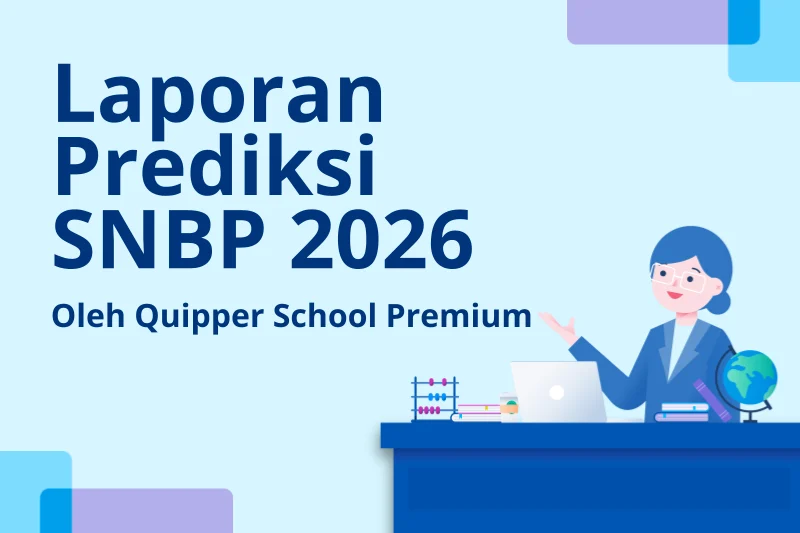
The landscape of Indonesian higher education admissions has undergone a paradigm shift, moving away from a pure focus on academic scores toward a more holistic, data-driven assessment of student potential. In response to this evolution, Quipper School Premium has officially launched its SNBP 2026 Prediction Report, a comprehensive analytical tool designed to assist partner schools in navigating the complexities of the Seleksi Nasional Berdasarkan Prestasi (National Selection Based on Merit). This initiative aims to bridge the gap between student aspirations and the rigorous reality of state university (PTN) admissions by providing educators with objective, data-backed insights into student competitiveness.

The Evolution of University Admissions: Understanding the SNBP Framework

The transition from the previous SNMPTN system to the current SNBP framework was codified under the Ministry of Education, Culture, Research, and Technology Regulation (Permendikbudristek) No. 48 of 2022. This regulation fundamentally altered how students are evaluated for admission into top-tier public universities. Unlike previous iterations that relied heavily on overall school rankings, the current system emphasizes a balance between general academic excellence and specific subject mastery relevant to a student’s chosen major.

Under these regulations, the SNBP score is typically calculated using two primary components. The first is a minimum 50% weight on the average of all report card grades across five semesters. The second component, making up the remaining percentage, focuses on "supporting subjects" or specific achievements that align with the student’s intended field of study. This shift has created a significant challenge for schools and career counselors (Guru BK), who must now calculate complex weightings for hundreds of students across various disciplines.

The Quipper School Premium SNBP 2026 Prediction Report is positioned as a strategic solution to this administrative and analytical burden. By automating the data processing and applying predictive algorithms, the tool allows schools to map out student opportunities with a level of precision that was previously unattainable through manual methods.

Strategic Implementation and the Critical Role of Data Accuracy

The effectiveness of any predictive model is inherently tied to the quality and breadth of the input data. For the 2026 cycle, Quipper has outlined a rigorous data collection protocol that schools must follow to ensure the accuracy of the generated reports. The required data points include National Student Identification Numbers (NISN), comprehensive report card grades from semesters one through five, and verified records of non-academic achievements.

The inclusion of non-academic achievements—ranging from international science olympiads to regional sports competitions—is a critical factor in the SNBP process. Under the current national guidelines, these achievements act as "multipliers" or "tie-breakers" in highly competitive majors. Quipper’s reporting system categorizes these achievements by scale (International, National, Provincial, and Regional) and validates their relevance to the student’s chosen major. For instance, a provincial-level debate award would carry significant weight for a Law major but might have less impact for a student applying to Medicine.

To maximize the utility of this data, Quipper has set a firm deadline for data submission: January 16, 2026. This timeline is strategically aligned with the national SNPMB (National Selection for New Student Admissions) calendar. By finalizing data by mid-January, schools are granted a crucial window of time—roughly four to six weeks—to conduct intensive counseling sessions with students before the official registration portal opens. Data submitted after this deadline will still be processed, but the window for strategic adjustment and "rationalization" sessions between teachers and students will be significantly compressed.

The Methodology of Rationalization and Predictive Predicates

The core of the Quipper report lies in its "Rationalization" feature. This process involves comparing a student’s academic profile against historical data, current competition trends, and the specific admission quotas of various state universities. The report does not merely provide a "pass/fail" outlook; instead, it utilizes a percentile-based system to categorize students into five distinct predictive predicates:

  1. Highly Recommended: The student’s profile exceeds the typical threshold for the chosen major and university, placing them in the top percentile of applicants.
  2. Recommended: The student has a strong competitive standing, with grades and achievements that align well with historical admission patterns.
  3. Consider Other Majors: The student is competitive, but the specific major chosen has a density of applicants that may put the student at risk.
  4. Consider Other Universities: The student’s scores are high, but the target university’s historical "track record" with the school suggests a lower probability of acceptance.
  5. Not Recommended: The current data suggests a significant gap between the student’s performance and the requirements of the target program.

These predicates are derived from a simulation that mimics the official SNBP scoring mechanism. It considers the school’s accreditation (which determines the "Eligible" student quota—40% for A-accredited, 25% for B-accredited, and 5% for others) and the specific weighting preferences often utilized by different PTNs.

Enhancing School Strategy through Simulation Tools

Beyond individual student reports, Quipper School Premium provides partner schools with a "Simulation Sheet." This is a dynamic tool that allows career counselors to test various "what-if" scenarios. For example, if a student is on the borderline for a highly competitive major like Civil Engineering at the University of Indonesia (UI), the counselor can use the simulation tool to see how their chances might improve if they opted for a similar major at a different university or a different major within the same faculty.

This level of flexibility is vital for school reputation management. In the Indonesian system, a school’s "track record" at a specific university can be negatively impacted if a student is accepted through the merit path but fails to enroll. Therefore, schools have a vested interest in ensuring that students only apply for programs where they have a high probability of success and a genuine intent to attend. The Simulation Sheet helps schools minimize the risk of "wasted" slots and maximizes the total number of students accepted into state universities.

Institutional Reactions and the Broader Impact on Education

Educators and school administrators have noted that the move toward data-driven counseling is no longer optional. "The era of choosing majors based on ‘feeling’ or ‘prestige’ is over," says a senior counselor from a partner school in West Java. "With the SNBP 2026 Prediction Report, we can have honest, evidence-based conversations with parents and students. It removes the emotional bias from the decision-making process."

From a broader perspective, this initiative reflects the increasing role of Educational Technology (EdTech) in systemic academic planning. By providing a centralized platform for data analysis, Quipper is essentially democratizing access to high-level admissions strategy, which was previously the domain of expensive private tutoring centers. This allows schools in various regions—not just those in major urban hubs—to compete on a more level playing field.

The implications for the 2026 cohort are significant. As competition for state university seats continues to intensify—with hundreds of thousands of students vying for a limited number of spots—the ability to "rationalize" choices early can be the difference between a successful placement and a missed opportunity.

Conclusion: A Roadmap for the 2026 Admissions Cycle

As the January 16 deadline approaches, Quipper School Premium continues to emphasize that the Prediction Report is a tool for empowerment, not a final verdict. The report serves as a roadmap, highlighting potential obstacles and identifying the most viable paths to success. It allows schools to fulfill their role not just as providers of education, but as strategic partners in their students’ future careers.

By integrating report card analysis, achievement weighting, and university-specific simulations, the SNBP 2026 Prediction Report stands as the most comprehensive readiness tool available to Indonesian schools today. It ensures that when the official SNBP registration begins, every student and every teacher can move forward with a strategy built on data, clarity, and confidence. For further information or support, partner schools are encouraged to coordinate with their dedicated Quipper School Premium support teams to finalize their data submissions before the mid-January cutoff.
May 9, 2025 0 comment
0 FacebookTwitterPinterestEmail
Education

Gaza Health Officials Condemn Systematic Obstruction of Essential Medical Supplies Amid Influx of Non-Essential Goods

by Iffa Jayyana May 8, 2025
written by Iffa Jayyana

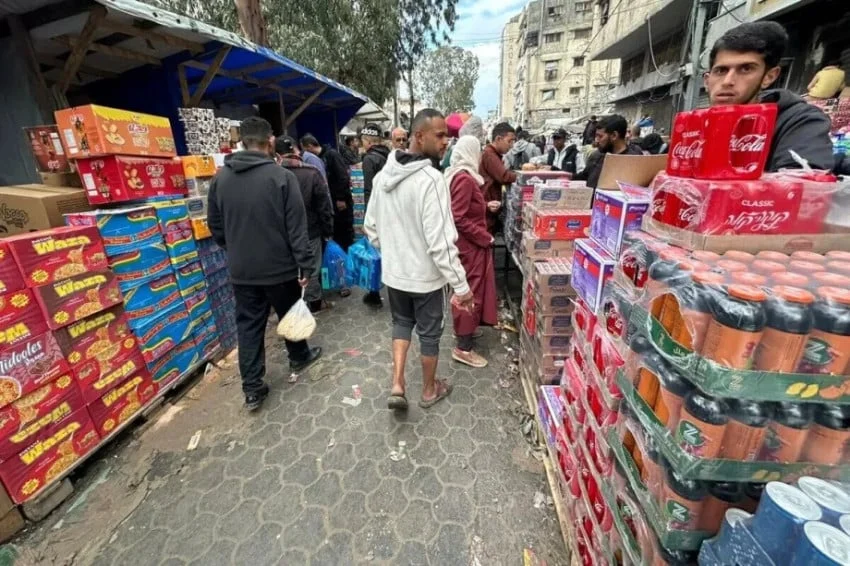
The humanitarian landscape in the Gaza Strip has reached a point of unprecedented paradox, according to high-ranking health officials in the besieged enclave. Dr. Munir Al-Barsh, the Director General of the Ministry of Health in Gaza, has issued a dire warning regarding what he describes as the "deliberate manipulation" of humanitarian aid. While essential life-saving materials, including fuel, specialized medicine, and basic nutritional staples, remain blocked or severely restricted at border crossings, the local markets are reportedly seeing an influx of non-essential items such as chocolate, soda, and jelly. This disparity, Al-Barsh argues, is not a logistical oversight but a calculated strategy that masks the ongoing starvation and medical collapse facing the Palestinian population.

The situation inside the remaining functional wards of the Al-Shifa Hospital complex and other medical facilities across the Strip has been described as catastrophic. Within these corridors, the rhythmic hum of medical machinery—once a sign of stability—is now a source of constant anxiety for healthcare providers. Doctors are forced to operate in a reality where the survival of infants in neonatal intensive care units (NICUs) depends entirely on a dwindling supply of fuel for generators. Despite international calls for a sustained humanitarian corridor, the specific resources required to keep incubators running and oxygen concentrators functional are frequently denied entry, even as trucks carrying confectionery products are permitted to pass through.

The Irony of Aid: Luxury Goods Amidst Medical Despair

Dr. Al-Barsh’s testimony highlights a grim irony that has come to define the current phase of the conflict. "What is entering Gaza today is not humanitarian aid; it is a cruel mockery of death," he stated in a recent briefing. He detailed how shipments of jelly, chocolates, and various soft drinks have been documented entering the territory, creating a superficial appearance of commerce and aid flow. However, these items provide no nutritional value to a population facing acute food insecurity and do nothing to address the critical shortages in the healthcare sector.

The lack of fuel remains the most significant hurdle for the Gaza Ministry of Health. Without diesel to power hospital generators, the healthcare system is effectively paralyzed. This affects not only the incubators for premature babies but also hemodialysis machines for patients with kidney failure, ventilators in intensive care units, and the refrigeration systems required to preserve blood supplies and vaccines. Al-Barsh emphasized that the arrival of "luxury" items while life-saving fuel is prohibited serves to obfuscate the reality of the siege to the international community.

Contextualizing the Blockade and Inspection Protocols

The restriction of goods into the Gaza Strip is managed primarily through the Coordination of Government Activities in the Territories (COGAT), the Israeli body responsible for implementing civilian policy in the Palestinian territories. Since the escalation of hostilities in October 2023, the inspection process has been rigorous and, according to various international NGOs, often arbitrary. Israel maintains a "dual-use" list of items that it claims could be repurposed for military use by Hamas. This list historically includes construction materials, certain chemicals, and electronic equipment.

However, humanitarian agencies such as UNRWA and the World Health Organization (WHO) have reported that the definition of "dual-use" has expanded in practice to include essential medical kits, green-tinted oxygen cylinders, and even certain types of surgical anesthetics. The result is a bottleneck where trucks are turned back if a single "prohibited" item is found during inspection, leading to weeks of delays for entire shipments of food and medicine. The entry of soda and chocolate, which do not fall under the "dual-use" category, is seen by local officials as a way to maintain a minimum truck count for international reporting without addressing the core humanitarian needs.

Chronology of the Humanitarian Decline

The current crisis is the result of a cumulative decline in humanitarian access over several months. To understand the gravity of Dr. Al-Barsh’s claims, one must look at the timeline of the blockade’s evolution:

  • October 2023: A "complete siege" was initially announced, cutting off all electricity, water, food, and fuel.
  • November 2023: Following international pressure, limited aid began entering through the Rafah crossing, though fuel remained almost entirely banned.
  • January-March 2024: Reports from the Integrated Food Security Phase Classification (IPC) warned of imminent famine in northern Gaza. During this period, the disparity between requested medical supplies and permitted goods began to widen significantly.
  • May 2024: The closure of the Rafah crossing following military operations in the area further constricted the flow of aid, shifting reliance to the Kerem Shalom crossing, where inspection backlogs grew.
  • Present Day: While the number of trucks entering has fluctuated, the composition of the aid has shifted toward the non-essential items described by Dr. Al-Barsh, while the medical sector faces its most acute shortage of anesthetics and sterile equipment to date.

Statistical Overview of the Crisis

Data from the World Health Organization and the United Nations Office for the Coordination of Humanitarian Affairs (OCHA) provides a quantitative look at the health crisis. As of late 2024, only a fraction of Gaza’s 36 hospitals remain even partially functional. The occupancy rate in active hospitals often exceeds 200%, with patients being treated in hallways.

In terms of food security, the UN has reported that nearly the entire population of 2.3 million people is experiencing "crisis" levels of hunger. Acute malnutrition among children under five has reached record levels, particularly in the northern governorates. The Ministry of Health reports that dozens of children have already died from dehydration and malnutrition—a statistic that Al-Barsh links directly to the policy of allowing "junk food" while blocking nutrient-dense staples and therapeutic milk for infants.

Furthermore, the fuel requirement for Gaza’s basic humanitarian operations is estimated at roughly 400,000 liters per day. Current deliveries often fall below 20% of this requirement, forcing hospitals to prioritize which wards receive power and for how many hours a day.

International Reactions and Legal Implications

The international community has reacted with increasing alarm to reports of aid manipulation. Human rights organizations, including Amnesty International and Human Rights Watch, have argued that the restriction of essential supplies constitutes a violation of international humanitarian law. Under the Geneva Conventions, an occupying power—or a party to a conflict exercising effective control—has a legal obligation to ensure the civilian population has access to food, medical supplies, and other necessities.

The International Court of Justice (ICJ), in its provisional measures regarding the situation in Gaza, explicitly ordered the unhindered provision of urgently needed basic services and humanitarian assistance. Critics argue that the prioritization of non-essential goods over medical supplies and fuel flies in the face of these legal mandates.

Conversely, Israeli officials have frequently stated that there is "no limit" to the amount of aid that can enter Gaza. COGAT often points to the total number of trucks as evidence of their cooperation, frequently blaming UN agencies for "logistical failures" in distributing the aid once it crosses the border. The discrepancy between the "number of trucks" and the "utility of the contents" remains the central point of contention between the Gaza Health Ministry and the coordinating authorities.

Broader Implications for Public Health and Stability

The long-term implications of this aid disparity are profound. Beyond the immediate risk of death for those in incubators or on dialysis, the lack of proper nutrition and medicine is creating a generation of children with stunted growth and chronic health conditions. The "mockery of aid" described by Dr. Al-Barsh suggests a breakdown in the fundamental principles of humanitarianism, where the appearance of assistance is prioritized over the actual preservation of life.

The psychological impact on the population cannot be overstated. When a parent cannot find bread or clean water for their child but sees shelves stocked with imported soda and chocolate, it fosters a sense of profound injustice and despair. This environment complicates any future efforts at stabilization or reconstruction.

As the conflict continues, the calls from medical professionals like Dr. Al-Barsh serve as a grim reminder that humanitarian aid is not a monolithic category. The effectiveness of aid is measured not by the volume of trucks, but by the lives saved through the delivery of specific, critical resources. Without an immediate shift in policy to prioritize fuel and medicine over non-essential goods, the "catastrophic situation" in Gaza’s hospitals is expected to claim more lives than the hostilities themselves.

May 8, 2025 0 comment
0 FacebookTwitterPinterestEmail
Education

Askrindo Enhances Educational Support in Gunungsitoli through Comprehensive Social Return on Investment Measurement of PKBM ZIONA Program

by Lina Irawan May 8, 2025
written by Lina Irawan

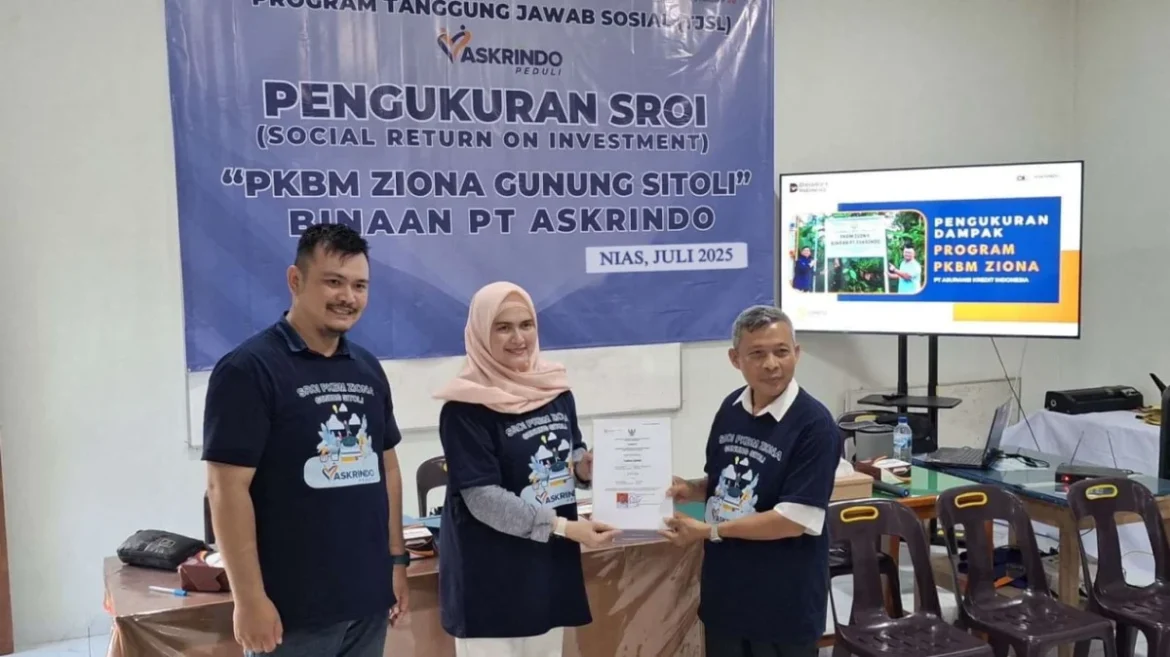
In a significant move to validate the efficacy of its corporate social responsibility initiatives, PT Asuransi Kredit Indonesia, popularly known as Askrindo, has undertaken a rigorous Social Return on Investment (SROI) measurement for its ongoing partnership with the Pusat Kegiatan Belajar Masyarakat (PKBM) ZIONA in Gunungsitoli, North Sumatra. This initiative, conducted in mid-July 2025, represents a sophisticated approach to corporate philanthropy, moving beyond traditional charity toward a data-driven model of social impact and sustainable development. By assessing the tangible and intangible benefits of its educational interventions, Askrindo aims to ensure that every rupiah invested in the community yields maximum social value, particularly in the underdeveloped regions of the Nias Islands.

The evaluation process is a cornerstone of Askrindo’s Tanggung Jawab Sosial dan Lingkungan (TJSL) framework, which seeks to align corporate activities with the United Nations’ Sustainable Development Goals (SDGs). Under the leadership of President Director M Fankar Umran, the company has increasingly focused on the qualitative and quantitative outcomes of its community programs. The decision to focus on PKBM ZIONA highlights the critical role of non-formal education in bridging the gap for marginalized populations who have been excluded from the formal schooling system.

The Strategic Importance of SROI in Corporate Governance

Social Return on Investment (SROI) is an internationally recognized framework for measuring and accounting for a much broader concept of value than traditional financial metrics. It seeks to reduce social and environmental outcomes to a monetary value, allowing organizations to compare the "social profit" generated against the financial investment required. For a state-owned enterprise like Askrindo, which operates under the umbrella of the Indonesia Financial Group (IFG), SROI serves as a vital tool for transparency and accountability to both the government and the public.

M Fankar Umran emphasized that the SROI measurement is not merely a bureaucratic exercise but a strategic necessity. By quantifying the impact on literacy, employability, and local economic growth, Askrindo can refine its programs to be more effective and efficient. "Through this TJSL program, we are committed to empowering the community, increasing financial literacy, and opening wider opportunities for the younger generation in areas such as Gunungsitoli," Umran stated. He further noted that the measurement helps the company control the use of resources, ensuring that they are utilized in a way that promotes long-term sustainability rather than temporary relief.

The methodology employed in Gunungsitoli involved a collaborative and structured approach. Data collection included deep-dive interviews with various stakeholders, including current students, alumni, tutors, and the management of PKBM ZIONA. By analyzing these diverse perspectives, Askrindo was able to map the "change journey" of the participants—from the acquisition of basic literacy to the development of vocational skills and, eventually, to economic independence.

Empowering the Nias Community through PKBM ZIONA

PKBM ZIONA has emerged as a vital institution in Gunungsitoli, providing "Paket A" (elementary equivalent), "Paket B" (junior high equivalent), and "Paket C" (senior high equivalent) education. In many parts of North Sumatra, particularly in the Nias archipelago, economic hardship and geographical isolation often force children to drop out of formal schools. PKBMs provide a second chance for these individuals to earn their diplomas, which are essential for securing formal employment or pursuing higher education.

The recent event in Gunungsitoli was marked by the graduation ceremony for the 2024/2025 academic year. Askrindo’s involvement went beyond financial sponsorship; the company participated in the distribution of certificates and the implementation of modern educational administrative tools. Rido Favorit S. Waruwu, the Head of PKBM ZIONA, highlighted the introduction of e-certificates and transparent transcript systems, which facilitate easier verification for graduates when they apply for jobs or further studies.

"The impact of this program on the lives of our students is profound," Waruwu explained. "Many of our alumni have already transitioned into the workforce or started their own micro-enterprises. Specifically, we have seen a rise in graduates entering the creative economy, focusing on services like graphic design and video editing." This shift toward digital skills is particularly significant in a region like Gunungsitoli, as it allows young people to participate in the national digital economy without needing to migrate to major urban centers like Medan or Jakarta.

Alignment with Sustainable Development Goals

Askrindo’s intervention in Gunungsitoli is designed to address several key pillars of the Sustainable Development Goals (SDGs). By supporting PKBM ZIONA, the company directly contributes to SDG 4 (Quality Education) by providing inclusive and equitable learning opportunities. Education is widely regarded as the most effective "social equalizer," capable of breaking the cycle of intergenerational poverty.

Furthermore, the program aligns with SDG 8 (Decent Work and Economic Growth). By equipping students with vocational skills such as design and multimedia, the program fosters entrepreneurship and enhances the local labor pool’s competitiveness. The transition of alumni from students to business owners in Gunungsitoli provides a direct boost to the local economy, creating a multiplier effect where one successful graduate can provide employment for others in their community.

Finally, the initiative addresses SDG 10 (Reduced Inequalities). Remote regions like Nias often lag behind Java and other central hubs in terms of educational infrastructure and economic investment. Askrindo’s targeted focus on this region demonstrates a commitment to "Indonesia-centric" development, ensuring that the benefits of national economic growth are distributed to the country’s outer reaches.

Integrating Financial Literacy and Insurance Products

As a leading credit insurance provider, Askrindo recognizes that education and financial security are deeply intertwined. During the evaluation and graduation event, the company also conducted educational sessions on financial literacy and the importance of risk management. For many in Gunungsitoli, the concept of insurance is still relatively new or perceived as a luxury for the wealthy.

Askrindo used the platform to introduce accessible insurance products, specifically fire insurance and personal accident insurance. These products are particularly relevant for small business owners and families in rural areas, where a single unforeseen disaster—such as a house fire or a medical emergency—can lead to total financial ruin. By integrating these products into the PKBM ZIONA ecosystem, Askrindo is helping to build a more resilient community.

"Investment in education is the best investment for the future of the nation," Umran added. "However, that investment must be protected. By introducing insurance literacy, we are teaching the community how to safeguard their hard-earned progress." The interactive sessions included testimonials from alumni who have benefited from the program, creating a peer-to-peer learning environment that demystifies financial services.

Chronology and Future Implications

The SROI measurement in Gunungsitoli was the culmination of a multi-month assessment period. It began with the identification of key performance indicators (KPIs) relevant to the local context of North Sumatra. Following the data collection phase in early 2025, the team moved toward the valuation of outcomes, where they assigned "proxy values" to social changes, such as the increased earning potential of a Paket C graduate compared to someone without a high school diploma.

The event on July 14, 2025, served as both a reporting milestone and a celebration of achievement. The presence of Askrindo’s top management in Gunungsitoli sent a strong signal to local government officials and stakeholders that the company’s commitment to the region is long-term.

The implications of this SROI study are expected to influence Askrindo’s nationwide TJSL strategy. If the Gunungsitoli model proves to have a high SROI ratio—meaning the social value generated significantly outweighs the capital invested—Askrindo is likely to replicate this vocational-based PKBM support in other "Frontier, Outermost, and Remote" (3T) regions of Indonesia.

Moreover, this data-driven approach sets a benchmark for other state-owned enterprises (BUMN). As the Ministry of BUMN continues to push for more impactful and transparent CSR activities, Askrindo’s use of SROI provides a blueprint for how companies can move away from "transactional" CSR (one-time donations) toward "transformational" CSR (long-term empowerment).

Conclusion: A Vision for Sustainable Empowerment

The partnership between Askrindo and PKBM ZIONA is a testament to the power of collaborative development. By focusing on education, vocational training, and financial literacy, Askrindo is addressing the root causes of economic stagnation in Gunungsitoli. The SROI measurement ensures that this is not just a feel-good story but a verified success that provides real, lasting value to the people of North Sumatra.

As the graduates of PKBM ZIONA step into the world with their new diplomas and skills, they carry with them the hope of a community that is slowly but surely closing the gap with the rest of the country. For Askrindo, the journey does not end with a graduation ceremony; it continues through the ongoing monitoring of these alumni and the constant refinement of their social programs. In the landscape of Indonesian corporate responsibility, the Gunungsitoli initiative stands out as a model of how financial institutions can act as catalysts for profound social change. Through rigorous evaluation and a heart for the community, Askrindo is proving that the return on investment for social good is perhaps the most valuable dividend a company can ever pay.

May 8, 2025 0 comment
0 FacebookTwitterPinterestEmail
Education

Essential Health Guidelines and Strategic Preparations for Hajj 2026 Ensuring Physical and Mental Readiness for the Sacred Pilgrimage

by Azzam Bilal Chamdy May 7, 2025
written by Azzam Bilal Chamdy

The annual Hajj pilgrimage stands as one of the five pillars of Islam, representing a spiritual pinnacle for millions of Muslims worldwide who are required to perform the journey at least once in their lifetime, provided they possess the physical and financial means. As the 2026 Hajj season approaches, the Indonesian government and the Kingdom of Saudi Arabia have signaled a paradigm shift in how pilgrim health is managed, placing "istitha’ah" or health capability at the absolute forefront of the selection process. This emphasis on physical readiness is not merely a suggestion but a mandatory prerequisite that determines whether a prospective pilgrim is permitted to proceed with their departure. With the environmental challenges of the Arabian Peninsula and the rigorous physical demands of the rituals, maintaining peak health condition months before departure has become the most critical element of the pre-departure phase.

The Saudi Arabian Ministry of Hajj and Umrah has recently underscored this commitment to health safety by announcing more stringent enforcement of medical standards. According to official statements, the Saudi authorities will implement random health screenings upon arrival, and any pilgrim found to be significantly below the required health threshold—potentially endangering themselves or others—could face immediate repatriation. This policy shift underscores the gravity of the "istitha’ah" status, which must now be secured by Indonesian pilgrims before they are even allowed to settle their remaining pilgrimage fees. By making health clearance a "gateway" to payment, the government aims to ensure that every individual who steps onto the plane is physically capable of enduring the heat, the crowds, and the miles of walking required in the holy cities of Mecca and Medina.

The physical demands of Hajj are often underestimated by those who have not yet performed the journey. The core rituals, including the Tawaf (circumambulating the Kaaba seven times) and the Sa’i (walking seven times between the hills of Safa and Marwa), require several kilometers of walking in high-density crowds. Furthermore, the standing at Arafat and the stoning of the Jamarat involve long periods of exposure to the elements and significant physical exertion. Historically, data from the Indonesian Ministry of Health indicates that a significant percentage of pilgrim deaths and hospitalizations are linked to cardiovascular issues and respiratory infections, often exacerbated by pre-existing conditions and the exhaustion of the journey. In response, health authorities have compiled a comprehensive set of guidelines designed to prepare the body and mind for these challenges.

The Seven Pillars of Pre-Hajj Health Preparation

To mitigate risks and ensure a smooth spiritual experience, medical experts and the Ministry of Religious Affairs have outlined seven essential health tips that every prospective pilgrim should integrate into their daily routine months before their flight.

1. Rigorous and Periodic Medical Screenings

The first step in any successful Hajj preparation is a thorough medical evaluation. Pilgrims are advised to undergo a series of checkups to identify any underlying conditions such as hypertension, diabetes, or heart disease. Early detection allows for the stabilization of these conditions through medication or lifestyle changes. Under the new 2026 regulations, these screenings are more than just a formality; they are the basis for the "istitha’ah" certification. Consultation with specialists is encouraged to ensure that chronic illnesses are well-managed and that the pilgrim understands how their body might react to the extreme climate of Saudi Arabia.

2. Disciplined Physical Conditioning and Daily Exercise

Stamina is the currency of the Hajj. Experts recommend that pilgrims begin a regimen of walking at least 30 minutes every day. This simple activity serves two purposes: it strengthens the cardiovascular system and prepares the muscles for the miles of walking inherent in the pilgrimage rituals. For those who are less active, starting with shorter walks and gradually increasing the duration and intensity is recommended. Latihan fisik, or physical training, should also include light stretching to improve flexibility, which can help prevent muscle cramps and joint pain during the long hours of standing and walking in Mecca.

3. Prioritizing Rest and Sleep Hygiene

While spiritual preparation often involves late-night prayers and vigils, physical preparation requires disciplined rest. Maintaining a sleep schedule of 6 to 8 hours per day is vital for the immune system. Lack of sleep triggers the release of stress hormones and weakens the body’s ability to fight off viruses, which is particularly dangerous in the "melting pot" environment of Hajj where pilgrims from all corners of the globe share close quarters. Establishing a healthy sleep pattern at home helps the body recover from daily stressors and builds a "reserve" of energy for the journey ahead.

4. Nutritional Balance and Hydration

A diet rich in complex carbohydrates, lean proteins, vitamins, and minerals is essential for building the physical resilience needed for Hajj. Pilgrims are urged to move away from processed foods and high-sugar snacks, focusing instead on nutrient-dense meals that provide sustained energy. Furthermore, hydration is a critical factor. The arid climate of Saudi Arabia can lead to rapid dehydration, often before a person even feels thirsty. Training the body to consume adequate amounts of water daily—and avoiding excessive caffeine which can act as a diuretic—is a necessary habit for survival in the desert heat.

5. Total Cessation of Smoking

Tobacco use is one of the most significant risk factors for pilgrims. Smoking impairs lung function and reduces oxygen saturation in the blood, making physical exertion significantly more difficult. In the crowded conditions of the Mina tents or during the Tawaf, diminished lung capacity can lead to severe shortness of breath or respiratory failure. Quitting smoking months before the journey allows the lungs to begin the healing process, significantly increasing the pilgrim’s stamina and reducing the risk of contracting the "Hajj cough" or more severe pneumonia.

Jemaah Perhatikan, Ini 7 Tips Menjaga Kesehatan Sebelum Berangkat Haji

6. Strict Adherence to Medication Protocols

For pilgrims with pre-existing conditions, medication management is a life-saving necessity. It is imperative that patients do not alter their dosages or stop taking prescribed medications without a doctor’s supervision. The Ministry of Health recommends that pilgrims carry a sufficient supply of their regular medications, along with a doctor’s note and a copy of their prescription. Being diligent about taking medication at the same time every day while still at home helps create a routine that will be easier to maintain despite the time zone shifts and hectic schedule of the pilgrimage.

7. Mental Health and Stress Management

The spiritual rewards of Hajj are immense, but the journey can be mentally taxing. Crowds, noise, heat, and the pressure of performing rituals correctly can lead to high levels of stress and anxiety. Maintaining a positive mindset and practicing patience is a core part of the Hajj experience. Psychological readiness involves managing expectations and learning relaxation techniques. A calm mind supports a healthy body; stress has been shown to manifest in physical ailments, such as digestive issues or tension headaches, which can detract from the spiritual focus of the mission.

Background and Chronology of the 2026 Health Policy

The move toward stricter health requirements is the result of several years of data analysis by the Saudi Ministry of Hajj and Umrah and the Indonesian Ministry of Health. In previous years, the policy allowed pilgrims to pay for their Hajj slots before their final health clearance was issued. This often created difficult situations where individuals who had already paid and prepared emotionally were found to be unfit for travel at the last minute, leading to heartbreak and administrative complications.

In late 2025, a series of bilateral meetings between Indonesian officials and Saudi authorities concluded that the "Health First" approach was the only sustainable way to manage the increasing number of elderly pilgrims. The timeline for the 2026 Hajj season was subsequently adjusted. By January 2026, the preliminary health screening phase was launched across Indonesia. Pilgrims were required to visit designated health centers (Puskesmas) or hospitals to undergo a standardized "istitha’ah" check. Only those who received a "fit" or "fit with conditions" status were permitted to proceed to the next stage of the administrative process.

This chronology reflects a proactive stance. By April 2026, as the first batches of pilgrims prepare for their departures, the focus has shifted from administrative clearance to physical maintenance. The government has deployed health ambassadors and used social media platforms—such as the @kemenhaj.ri Instagram account—to provide daily reminders and tips, ensuring that the health of the pilgrims remains a top priority until the moment they board their flights.

Official Responses and Institutional Support

The Indonesian Minister of Religious Affairs has been vocal about the necessity of these measures, stating that "there should be no party that forces the departure of a pilgrim who is medically unfit." This sentiment is echoed by the Saudi Minister of Hajj and Umrah, who emphasized that the Kingdom’s primary goal is the safety and well-being of all guests of Allah. The Saudi government has invested heavily in healthcare infrastructure within the holy sites, but they reiterate that these facilities are intended for emergencies, not for managing chronic conditions that should have been addressed before departure.

Institutional support in Indonesia has also expanded. The Ministry of Health has integrated the Hajj health records into a digital system, allowing medical personnel in Saudi Arabia to access a pilgrim’s medical history instantly in case of an emergency. This level of coordination between the two nations highlights the global effort required to manage an event of this magnitude safely.

Analysis of Implications and Broader Impact

The shift toward stringent health requirements has significant implications for the future of Hajj management. Firstly, it places a greater burden of responsibility on the individual pilgrim. The journey is no longer seen as a passive experience but one that requires active physical preparation. This could lead to a healthier aging population in Indonesia, as prospective pilgrims adopt better lifestyle habits years in advance to ensure they meet the Hajj criteria.

Secondly, there is an economic and logistical impact. By ensuring that only healthy pilgrims travel, the government reduces the costs associated with emergency medical repatriations and intensive care treatments abroad. However, this policy also necessitates a more robust domestic health screening infrastructure, requiring significant investment in medical training and diagnostic tools at the local level.

Finally, the emphasis on health serves to protect the sanctity of the ritual. When pilgrims are physically capable, they can focus entirely on their prayers and their connection with the Divine, rather than being distracted by physical pain or illness. The 2026 Hajj season serves as a landmark year where the concept of "capability" is being redefined to include not just the wallet, but the heart, the lungs, and the overall vitality of the believer. As the departure dates draw near, the success of this year’s Hajj will likely be measured not just by the number of pilgrims, but by the health and safety of every individual who returns home.

May 7, 2025 0 comment
0 FacebookTwitterPinterestEmail
Education

The Evolution of Artificial Intelligence in the Global Workforce and the Paradigm Shift Toward Human-AI Synergy in the Digital Era

by Muslim May 6, 2025
written by Muslim

The rapid advancement of Artificial Intelligence (AI) has ignited a profound debate within the global community regarding the future of labor: is technology destined to replace human workers, or is it a catalyst for a more sophisticated era of professional evolution? As AI integration becomes a standard across diverse industries, the anxiety surrounding potential job displacement has transitioned from science fiction to a central topic of economic discourse. However, a deeper examination suggests that the narrative is not one of total replacement, but rather a fundamental transformation in how humanity conceptualizes productivity, strategy, and creative problem-solving. Understanding the mechanics of AI and its current trajectory is essential for stakeholders to navigate the anxieties of the present and capitalize on the unprecedented opportunities of the future.

The Technological Landscape: Understanding AI and Its Role in Industry

Artificial Intelligence, at its core, refers to the development of computer systems capable of performing tasks that traditionally required human intelligence. These include learning from vast datasets, recognizing complex patterns, and making autonomous decisions based on algorithmic logic. In the last decade, the transition from "Narrow AI"—designed for specific tasks—to more generative and predictive models has revolutionized sectors ranging from healthcare and finance to the creative arts.

In the professional sphere, AI’s primary value proposition lies in its ability to handle "3D" tasks: those that are dull, dirty, or dangerous. By automating repetitive, high-volume activities, AI allows organizations to achieve levels of efficiency and accuracy that are physically impossible for human workers. For instance, in customer service, AI-driven chatbots handle thousands of simultaneous inquiries with zero fatigue. In the financial sector, AI systems analyze millions of transactions in real-time to detect fraudulent patterns, a feat that would take human auditors weeks to accomplish. By reducing the margin for human error and accelerating output, AI has become an indispensable tool for modern enterprise.

A Chronological Shift: From Automation to Augmentation

The journey of AI in the workplace can be viewed through a chronological lens of technological maturity. In the early 2000s, automation was largely mechanical, confined to assembly lines and basic software scripts. By the mid-2010s, the "Big Data" era enabled machine learning models to provide descriptive analytics, telling businesses what had happened in their past operations.

Today, we are in the era of Generative AI and Prescriptive Analytics. Technology no longer just reports data; it suggests strategies and creates content. This shift marks the transition from "automation," where a machine replaces a manual task, to "augmentation," where a machine enhances a human’s cognitive capabilities. This evolution has forced a re-evaluation of the professional hierarchy, moving the human role from "doer" to "editor" and "strategist."

Supporting Data: The Economic Reality of the AI Revolution

Data from global economic forums provides a balanced perspective on the displacement vs. creation argument. According to the World Economic Forum’s (WEF) "Future of Jobs Report," while AI is expected to displace approximately 85 million jobs by 2025, it is simultaneously projected to create 97 million new roles. These new positions are expected to be more adapted to the new division of labor between humans, machines, and algorithms.

Furthermore, a study by the McKinsey Global Institute estimates that AI could deliver an additional global economic output of around $13 trillion by 2030, boosting global GDP by about 1.2% annually. This growth is driven by increased labor productivity and the consumption of AI-enhanced products and services. However, the data also highlights a significant "skills gap." While the jobs are being created, the current workforce often lacks the technical literacy—such as data analysis, AI prompting, and software management—required to fill them.

The Human Advantage: Why Total Replacement Remains Unlikely

Despite the computational prowess of AI, there are fundamental human traits that remain beyond the reach of current and foreseeable technology. Professionalism is built on a foundation of more than just data processing; it requires empathy, ethical judgment, and complex social negotiation.

  1. Emotional Intelligence and Empathy: In fields such as nursing, social work, and high-level leadership, the ability to understand and respond to human emotions is critical. AI can simulate empathy, but it cannot truly feel or provide the authentic human connection that is essential for trust and healing.
  2. Creative Innovation: While AI can generate art or text based on existing patterns, true "out-of-the-box" thinking—the kind that disrupts industries or creates entirely new genres of thought—remains a human hallmark. AI is iterative, whereas humans are capable of original synthesis.
  3. Ethical and Value-Based Decision Making: Decisions in law, governance, and corporate ethics often require a nuanced understanding of cultural context and moral philosophy. AI operates on logic and probability; it lacks the "moral compass" required to navigate the grey areas of human society.

Therefore, the emerging consensus among industry experts is a model of "Hybrid Intelligence," where the speed of AI is paired with the wisdom and oversight of human professionals.

Institutional Responses: The Role of Higher Education in Indonesia

As the global landscape shifts, educational institutions are being forced to pivot. In Indonesia, the push toward "Golden Indonesia 2045"—a vision of a digitally sovereign and economically prosperous nation—depends heavily on how the next generation is trained. One of the primary responders to this need is the University of Cyber Indonesia, popularly known as Cyber University.

Recognizing that the traditional educational model is insufficient for the AI era, Cyber University has positioned itself as "The First Fintech University in Indonesia." The institution has integrated AI, data science, and software development into its core curriculum, ensuring that students are not just passive users of technology but active creators and managers of it.

By fostering a curriculum rooted in industrial collaboration and practical application, Cyber University aims to produce graduates who are "AI-literate." This means they possess the technical skills to build and maintain systems, as well as the critical thinking skills to oversee the ethical implications of technology. The university’s commitment reflects a broader national strategy to ensure that the Indonesian workforce remains competitive in an increasingly automated global market.

Broader Impact and Implications: The Socio-Economic Shift

The widespread adoption of AI carries significant implications for the socio-economic structure of society. One of the primary concerns is the potential for increased wealth inequality. If the benefits of AI productivity are concentrated only among those who own the technology or possess high-level technical skills, the "digital divide" could widen.

To mitigate this, governments and private sectors are being urged to invest in massive "reskilling" and "upskilling" initiatives. The goal is to transition workers from declining sectors (such as manual data entry or basic manufacturing) into growth sectors (such as renewable energy management, AI ethics auditing, and the care economy).

Furthermore, the "gig economy" is expected to evolve. AI tools are enabling freelancers and small business owners to operate with the efficiency of large corporations. A single graphic designer using AI can now produce the volume of work that previously required a whole agency, effectively democratizing the means of production.

Analysis: Navigating the Transition

The integration of AI into the workforce is an inevitability, not an option. For businesses, the challenge lies in ethical implementation—ensuring that AI is used to empower employees rather than simply slash overhead costs. For individuals, the challenge is adaptability. The concept of a "job for life" is being replaced by a model of "lifelong learning," where professionals must continuously update their skill sets to remain relevant.

The analysis of current trends suggests that the most successful professionals of the next decade will not be those who try to compete with AI, but those who learn to "orchestrate" it. Just as the introduction of the computer did not eliminate the office worker but changed the tools they used, AI will redefine the professional toolkit.

Conclusion: Embracing the Augmented Future

In summary, while the rise of Artificial Intelligence presents a significant disruption to traditional employment models, it does not signal the end of human labor. Instead, it marks the beginning of a more efficient, creative, and strategic era of work. The transition will undoubtedly be challenging, requiring proactive intervention from educational institutions like Cyber University and strategic policy-making from governments.

By focusing on the unique strengths of the human spirit—creativity, empathy, and ethical leadership—and combining them with the analytical power of AI, society can unlock new levels of prosperity. The question is no longer whether AI will replace humans, but how humans will use AI to redefine what is possible. Staying relevant in this new era requires a commitment to innovation, a willingness to adapt, and a deep understanding of the symbiotic relationship between man and machine. In the final analysis, AI is a tool created by humans, for humans, and its ultimate impact will be determined by how wisely we choose to wield it.

May 6, 2025 0 comment
0 FacebookTwitterPinterestEmail
Health

Indonesia’s Attorney General’s Office Accelerates Auction of Seized Iranian Oil Tanker and Cargo Valued at Over $70 Million

by Dwi Wanna May 6, 2025
written by Dwi Wanna

JAKARTA – The Attorney General’s Office (AGO), through its Asset Recovery Directorate (ARD), is set to expedite the auction of state confiscated assets, specifically the MT Arman 114 tanker, a vessel flying the Iranian flag, and its cargo of light crude oil. The auction’s minimum bid has been set at Rp1.17 trillion, with a security deposit of Rp118 billion. This move has garnered significant praise from the Deputy Speaker of Commission III of the House of Representatives (DPR RI), Ahmad Sahroni, who views it as a tangible demonstration of the recovery of state losses.

The decision by the AGO to conduct an open auction for these significant assets underscores a proactive approach to asset recovery, a priority for the Indonesian government. The scale of the confiscated goods, particularly the value of the oil cargo and the vessel itself, highlights the potential for substantial financial gains that can be repatriated for national benefit.

Background of the Seizure and Legal Proceedings

The seizure of the MT Arman 114 and its crude oil cargo is part of a broader international effort to combat illicit maritime activities and enforce sanctions. While specific details surrounding the initial seizure of the MT Arman 114 by Indonesian authorities are not elaborated upon in the provided text, such actions typically stem from violations of international maritime law, sanctions regimes, or environmental regulations. Vessels carrying oil, especially those with ambiguous ownership or registration, are often subject to scrutiny due to their potential involvement in smuggling, environmental damage, or circumvention of trade restrictions.

The involvement of an Iranian-flagged vessel and crude oil suggests a potential connection to international sanctions that may be in place against Iran. Indonesia, as a member of the international community, adheres to and enforces various international sanctions regimes. The AGO’s role in this instance is to legally process the confiscated assets, ensuring that they are handled in accordance with Indonesian law and international agreements. The "barang rampasan negara" (state confiscated goods) designation signifies that these assets have been legally forfeited to the state following a judicial or administrative process.

The establishment of an auction process, particularly an open and transparent one, is a critical step in liquidating these assets. The process aims to achieve the highest possible market value for the confiscated items, thereby maximizing the recovery of funds for the state. The significant valuation of Rp1.17 trillion (approximately $72 million USD, using an exchange rate of Rp16,200 to $1 USD) for the tanker and its cargo indicates the substantial nature of the illicit trade or activity that led to the seizure.

Official Statements and Support

Ahmad Sahroni, Deputy Speaker of Commission III of the DPR RI, which oversees legal affairs, security, and human rights, has publicly endorsed the AGO’s initiative. His statement emphasizes the transparency and tangible nature of the asset recovery process. "The AGO’s step is commendable. The public can clearly see how law enforcement works to recover state losses in a real and transparent manner. Moreover, the value reaches more than Rp1 trillion, which is not a small figure and is very meaningful for state asset recovery efforts," Sahroni stated.

This affirmation from a senior legislative figure is crucial. It signals parliamentary support for the AGO’s actions and reinforces the importance of asset recovery as a national priority. Sahroni’s emphasis on transparency is particularly noteworthy, as it addresses potential public concerns about the handling of seized assets and aims to build confidence in the legal system’s ability to manage such sensitive operations effectively.

Sahroni further connected the AGO’s current efforts with the broader agenda of President Prabowo Subianto, who has reportedly placed a significant focus on recovering state losses stemming from various criminal activities. "Moreover, President Prabowo is currently placing a major focus on asset recovery from various crimes that harm the state. This approach to law enforcement must continue to be prioritized," he added. This linkage suggests a coordinated national strategy where law enforcement agencies are empowered and encouraged to pursue asset recovery vigorously.

The Deputy Speaker’s concluding remarks underscore the commitment of Commission III to this cause: "Ensure that the entire process runs openly, accountably, and that the results truly return for the benefit of the state. Commission III clearly supports this." This statement signifies a strong legislative backing for the AGO’s actions, providing them with the political capital to proceed with confidence.

The Auction Process and its Implications

The auction of the MT Arman 114 and its cargo represents more than just a financial transaction; it is a critical component of the rule of law and a deterrent against future illicit activities. The open auction format is designed to attract a wide range of potential bidders, thereby fostering competition and driving up the final sale price. This transparency also helps to mitigate concerns about corruption or favoritheid in the disposal of state assets.

The details of the auction, including the minimum bid of Rp1.17 trillion and the security deposit of Rp118 billion, provide insight into the perceived market value of the seized assets. The security deposit, a standard practice in auctions, ensures that only serious buyers participate and protects the seller from frivolous bids. The substantial amount required for the deposit further indicates the high value of the assets on offer.

Broader Context of Asset Recovery in Indonesia

Asset recovery has become an increasingly vital tool in Indonesia’s fight against corruption and other economic crimes. The Proceeds of Crime (Prevention and Disposal) Law, for instance, provides a legal framework for the confiscation and disposal of assets derived from criminal activities. The AGO, through its specialized units like the ARD, plays a pivotal role in identifying, freezing, and ultimately recovering these assets.

The success of asset recovery efforts has direct implications for the state’s finances. Funds recovered through auctions and other disposal mechanisms can be channeled back into public services, infrastructure development, or the state budget, effectively offsetting losses incurred due to criminal activities. Furthermore, a robust asset recovery system acts as a deterrent, making criminal enterprises less attractive by reducing their ability to profit from their illegal endeavors.

Supporting Data and Trends

Globally, asset recovery has gained prominence as a key strategy in combating transnational organized crime, corruption, and terrorism financing. International bodies like the United Nations Office on Drugs and Crime (UNODC) and the Financial Action Task Force (FATF) promote best practices and provide frameworks for effective asset recovery.

In Indonesia, the volume of assets recovered has seen fluctuations over the years, often influenced by the intensity of law enforcement efforts and the complexity of the cases. However, there has been a discernible trend towards greater emphasis on asset recovery as a punitive and compensatory measure. Reports from the AGO and other relevant agencies often highlight significant sums recovered from various cases, including corruption, narcotics trafficking, and environmental crimes.

For example, in previous years, the AGO has reported successful auctions of seized luxury vehicles, real estate, and other valuable items, contributing to the state treasury. The current auction of the MT Arman 114 represents one of the largest single asset disposals in recent memory, given the scale of the vessel and its valuable cargo.

Analysis of Implications

The acceleration of the auction process for the MT Arman 114 and its cargo carries several significant implications:

  • Enhanced State Revenue: The successful auction will directly contribute a substantial amount to the Indonesian state treasury, bolstering financial resources that can be allocated to national development priorities.
  • Deterrent Effect: The visible and efficient recovery of assets from illicit activities serves as a strong deterrent to potential perpetrators. It signals that criminal gains will not be allowed to remain in the hands of offenders and that law enforcement is capable of seizing and liquidating such assets.
  • Strengthened Rule of Law: The transparent and accountable handling of seized assets reinforces the credibility of the Indonesian legal system. It demonstrates the government’s commitment to upholding the rule of law and ensuring that justice is not only served but also seen to be served.
  • International Cooperation: The seizure and auction of an Iranian-flagged vessel might also involve or signal cooperation with international partners in enforcing sanctions or combating maritime crime. This can enhance Indonesia’s standing in international efforts against illegal activities.
  • Economic Impact: The crude oil cargo, once auctioned, will enter the legitimate market, potentially impacting supply and demand dynamics, albeit on a smaller scale compared to major oil producers. The tanker itself, upon sale, will likely be refurbished or continue its service under new ownership.

Future Outlook and Challenges

The success of this auction, while anticipated to be positive, will depend on several factors, including the interest of potential buyers and the market conditions for crude oil at the time of the sale. Challenges in asset recovery can include legal complexities, the need for international cooperation in tracing and repatriating assets, and ensuring the physical security and maintenance of seized goods before disposal.

However, the proactive stance taken by the AGO, coupled with the strong support from the legislative branch as articulated by Ahmad Sahroni, suggests a determined effort to overcome these challenges. The emphasis on transparency and accountability is paramount to ensuring public trust and maximizing the benefits of these recovery efforts for the Indonesian people. The commitment to prioritizing asset recovery under President Prabowo’s administration indicates that such high-value auctions are likely to become more frequent as law enforcement agencies continue to target illicit gains.

May 6, 2025 0 comment
0 FacebookTwitterPinterestEmail
Health

One in Five Indonesian Children Experience Stunting and Anemia, Directly Linked to Cognitive Decline, New Study Reveals

by Azzam Bilal Chamdy May 5, 2025
written by Azzam Bilal Chamdy

A groundbreaking study from the Indonesia Health Development Center (IHDC) has unveiled a stark reality: one in five children in Indonesia suffers from stunting and anemia, conditions that are directly impacting their cognitive abilities, including crucial working memory. This finding underscores a critical, yet often overlooked, dimension of malnutrition in Indonesia, extending beyond physical growth to affect the intellectual potential of its youngest generation. The implications are profound, signaling a potential long-term drag on the nation’s human capital development and overall progress.

The study, presented in Jakarta on Wednesday, April 15, 2026, by IHDC, highlights that despite improvements in human development indicators, the persistent challenge of malnutrition, particularly among children, poses a significant threat to their future cognitive capacity. Nila Djuwita Moeloek, the Chairperson of IHDC’s Advisory Board, emphasized that this issue remains a substantial homework assignment for Indonesia, even as the nation strives for broader development.

"Indonesia still has stunting. One in five Indonesian children are stunted, still 20 percent," Moeloek stated during the study’s dissemination. This statistic, representing a substantial portion of the nation’s children, points to a deeply entrenched problem that requires urgent and comprehensive intervention. The IHDC’s research moves beyond the commonly understood effects of stunting on physical stature, delving into its insidious impact on brain development and academic performance.

Beyond Physical Stature: The Brain’s Vulnerability

Historically, stunting has been primarily viewed as a problem of stunted physical growth, often characterized by short stature for age. However, the IHDC’s research unequivocally demonstrates that the ramifications extend far deeper, affecting the very architecture of a child’s developing brain. Children experiencing stunting and anemia are demonstrably more likely to exhibit lower academic capabilities and impaired brain development compared to their well-nourished peers.

The study’s findings are particularly concerning regarding the magnitude of this cognitive deficit. Children affected by stunting and anemia can experience a multi-fold decrease in their cognitive abilities. Moeloek elaborated on this critical point, stating, "With stunting, the academic ability or brain development is five times lower. This means their comprehension is not the same as normal children." This significant reduction in comprehension and learning capacity can create an insurmountable gap in educational attainment, setting these children on a trajectory of academic struggle.

Furthermore, the study places a spotlight on the significant role of anemia, specifically iron deficiency, in this cognitive impairment. Low hemoglobin levels, a hallmark of anemia, have been directly correlated with deficits in working memory. Working memory is a vital cognitive function responsible for temporarily storing and manipulating information, which is fundamental for learning, problem-solving, and complex reasoning.

1 dari 5 Anak RI Alami Stunting-Anemia, Studi Temukan Efeknya ke IQ

"Low hemoglobin correlates with comprehension or working memory. The operation is almost 4, around 3.08," Moeloek explained, quantifying the impact of iron deficiency on this critical cognitive function. This suggests that children with anemia struggle to hold and process information simultaneously, directly hindering their ability to engage with educational material and complex tasks.

The IHDC’s research further identified that one in five children exhibits a deficit in working memory, with this deficiency being particularly pronounced among children who are stunted, anemic, and have inadequate intake of protein and calories. This convergence of nutritional deficiencies paints a grim picture of the challenges faced by a significant segment of Indonesia’s child population.

A Complex Web of Nutritional Deficiencies

The IHDC’s study, conducted on primary school students in Jakarta, revealed a widespread deficiency in essential nutrients, including protein, calories, and iron. These nutrients are not merely building blocks for physical growth; they are indispensable for optimal brain development and a child’s readiness to learn.

The consequences of this nutritional deficit are palpable in the classroom. Children suffering from malnutrition often struggle with focus and concentration, exhibit slower comprehension of lessons, and are at a heightened risk of falling behind academically. This creates a vicious cycle where poor nutrition leads to poor academic performance, which can, in turn, limit future educational and economic opportunities.

Moeloek stressed that the problem of childhood malnutrition in Indonesia is not an isolated issue but rather a complex interplay of various factors. These include access to nutritious food, adequate sanitation, and effective parenting practices. Addressing this multifaceted challenge requires a holistic approach that tackles these interconnected determinants.

The Critical Window: The First 1,000 Days of Life

A central tenet of the IHDC’s findings is the paramount importance of early intervention. Moeloek strongly emphasized that nutritional interventions cannot be delayed until children are older. The most critical period for intervention is from conception through a child’s second year of life, a period commonly referred to as the "1,000 days of life."

"This is needed from the early age, especially within the first thousand days of life, meaning during pregnancy and up to two years of age," she explained. This critical window of development offers a unique opportunity to shape a child’s cognitive and physical trajectory. Interventions during this period can lay the foundation for healthy brain development and prevent irreversible damage caused by malnutrition.

1 dari 5 Anak RI Alami Stunting-Anemia, Studi Temukan Efeknya ke IQ

Furthermore, Moeloek highlighted the crucial role of maternal preparedness before pregnancy, particularly concerning the mother’s health and nutritional status. The health and nutritional status of the mother directly influence the developing fetus. Interventions after the age of two years, while still potentially beneficial, are significantly less optimal in their impact.

"We once tried to give good food to stunted children, and their IQ only increased by about 15 percent, so it wasn’t truly significant," Moeloek shared, illustrating the diminishing returns of late interventions. While some improvements may be observed, the potential for full recovery of cognitive function is significantly curtailed if critical nutritional needs are not met during the early stages of development.

Implications for Human Capital and National Development

The persistent issue of child malnutrition and its impact on cognitive development has direct and far-reaching implications for Indonesia’s future human capital and its overall competitiveness on the global stage. Moeloek alluded to the nation’s average IQ as a continuing challenge, suggesting that improved cognitive capacity among its population is essential for national progress.

She asserted that an increase in the Human Development Index (HDI) alone is insufficient if not accompanied by equitable improvements in nutrition and health quality. The IHDC advocates for comprehensive interventions that extend beyond mere food provision to encompass education, sanitation, and improved parenting practices.

"If our country wants to have good, quality human resources, the beginning is to provide them with the right food, good conditions, and of course, quality parenting or education," Moeloek stated. This integrated approach recognizes that a child’s development is influenced by a multitude of environmental and social factors.

Key Interventions Identified by IHDC:

  • Ensuring Adequate Intake: Prioritizing sufficient consumption of protein, calories, and iron for children, particularly during the critical early years. This involves promoting diverse diets and addressing affordability and accessibility of nutritious foods.
  • Improving Water and Sanitation: Enhancing access to clean water and adequate sanitation facilities is crucial to prevent infections that can exacerbate malnutrition and hinder nutrient absorption.
  • Elevating Parenting and Education Quality: Investing in programs that educate parents on optimal childcare practices, nutrition, and early childhood development is vital. This includes promoting responsive parenting and creating stimulating learning environments.

The IHDC’s findings serve as a potent reminder that the issue of child malnutrition transcends a mere health concern; it is intrinsically linked to the future of generations and the nation’s potential. Without timely and effective interventions, the long-term consequences—stunted cognitive abilities, reduced productivity, and diminished national competitiveness—will continue to cast a shadow over Indonesia’s aspirations for progress and prosperity. The study’s call to action is clear: a concerted, multi-sectoral effort is required to ensure that every Indonesian child has the opportunity to reach their full intellectual and developmental potential.

May 5, 2025 0 comment
0 FacebookTwitterPinterestEmail
Entertainment

William Heinrich Optimistic that Government-Entrepreneur Collaboration is Key to Realizing the Vision of Golden Indonesia

by Neng Nana May 4, 2025
written by Neng Nana

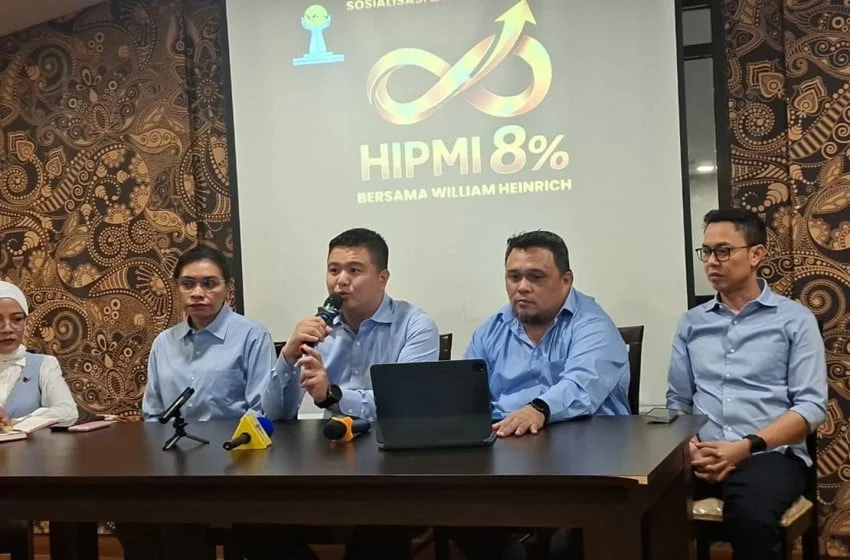
JAKARTA – William Heinrich, a candidate for the General Chairperson of the Central Executive Board (BPP) of the Indonesian Young Entrepreneurs Association (HIPMI), expressed strong optimism that a robust collaboration between the government and the business community will be the pivotal element in achieving the nation’s "Golden Indonesia" vision. Heinrich articulated this perspective during a press conference held at SCBD, South Jakarta, on Wednesday, April 15, 2026.

The press conference served as a platform for Heinrich to introduce his strategic initiative, dubbed "HIPMI 8%." This program is presented as a tangible contribution aimed at strengthening the national economy, aligning with the policy direction advocated by President-elect Prabowo Subianto. In his detailed presentation, Heinrich underscored the urgent necessity of achieving an 8% economic growth rate, positing it as a critical benchmark for Indonesia to successfully navigate and escape the "middle-income trap."

He emphasized the imperative of maximizing the current demographic bonus, a period characterized by a large, working-age population. Heinrich asserted that this demographic dividend can only be fully leveraged through a synergistic partnership between the state and the private sector, with a particular focus on empowering young entrepreneurs. He highlighted the limitations of the government’s fiscal capacity, suggesting that this necessitates a more substantial role and contribution from the real economy.

The "HIPMI 8%" Initiative: A Strategic Framework for Growth

The "HIPMI 8%" initiative, as presented by William Heinrich, is more than just a target; it represents a comprehensive framework designed to stimulate economic dynamism. The proposed 8% economic growth rate is not arbitrary but is informed by global economic trends and Indonesia’s specific development trajectory. Historical data indicates that economies transitioning from middle-income to high-income status often require sustained periods of high growth, typically exceeding 7-8%, to bridge the gap. Countries like South Korea and Taiwan in the latter half of the 20th century are often cited as examples where sustained high growth, coupled with strategic industrial policies and entrepreneurial dynamism, facilitated their ascent.

Heinrich’s proposal implicitly acknowledges that Indonesia, despite its considerable progress, remains susceptible to the middle-income trap – a phenomenon where a country’s economic growth stagnates after reaching a certain level of development, often due to challenges in moving up the value chain, increasing productivity, and fostering innovation. Achieving 8% growth is seen as a crucial step in overcoming these hurdles and ensuring Indonesia’s trajectory towards becoming a developed nation by 2045, the centenary of its independence.

The emphasis on the demographic bonus is another cornerstone of Heinrich’s strategy. Indonesia is currently experiencing a "demographic dividend," with a substantial proportion of its population in the productive age group. This presents a unique opportunity for accelerated economic development, provided that this large workforce is well-educated, skilled, and productively employed. Without effective strategies to harness this potential, the demographic bonus could instead become a demographic burden, characterized by high unemployment and social instability. Heinrich’s call for synergy with the private sector is therefore a direct response to this challenge, recognizing that the government alone cannot create the necessary jobs and economic opportunities for millions of young Indonesians entering the workforce each year.

Government-Entrepreneur Synergy: Addressing Fiscal Constraints

William Heinrich’s assertion that the government’s fiscal limitations demand a greater role from the private sector is a pragmatic observation. Indonesia’s national budget, while substantial, faces competing demands from various sectors, including infrastructure development, social welfare programs, education, and healthcare. Relying solely on government spending to drive an ambitious 8% growth rate would place an unsustainable burden on public finances.

The private sector, particularly a vibrant and innovative entrepreneurial community, can act as a powerful engine for economic growth through investment, job creation, and innovation. Heinrich’s "HIPMI 8%" initiative seeks to foster an environment where entrepreneurs are empowered and incentivized to invest, expand their businesses, and contribute to the national economy. This could involve a range of policy measures, such as:

  • Streamlining Regulations: Reducing bureaucratic hurdles and simplifying licensing procedures to make it easier for businesses to operate and grow.
  • Improving Access to Finance: Facilitating access to affordable capital for small and medium-sized enterprises (SMEs) and startups, which are often the backbone of job creation.
  • Incentivizing Investment: Offering tax incentives and other forms of support for businesses that invest in key sectors, create jobs, and adopt new technologies.
  • Promoting Innovation and R&D: Encouraging investment in research and development to foster innovation and help Indonesian businesses move up the global value chain.

The collaboration envisioned by Heinrich extends beyond mere financial investment. It implies a partnership in policy formulation, where entrepreneurs provide valuable insights and feedback to inform government economic strategies. This co-creation process can lead to more effective and targeted policies that address the real needs of the business community and the economy.

Context of the HIPMI Leadership Race

The press conference by William Heinrich takes place against the backdrop of the upcoming leadership elections for BPP HIPMI. HIPMI, as an organization representing young entrepreneurs, plays a significant role in advocating for the interests of its members and contributing to national economic development discourse. The selection of its next leader is therefore a matter of considerable interest, as the new chairperson will have the mandate to shape the organization’s agenda and its engagement with the government and other stakeholders.

Heinrich’s proactive approach, by presenting a clear strategic vision and initiative like "HIPMI 8%" well in advance of the election, signals his ambition and preparedness to lead. His focus on a collaborative model and a specific economic growth target suggests a departure from purely reactive advocacy towards a more proactive, solution-oriented approach. Other candidates for the leadership position will likely need to articulate their own distinct visions and strategies to resonate with HIPMI members and the broader business community.

The timing of his announcement also aligns with the broader national political landscape, particularly the transition and policy agenda of the incoming Prabowo Subianto administration. By explicitly linking his "HIPMI 8%" initiative to the President-elect’s policy direction, Heinrich seeks to position himself and HIPMI as key partners in realizing the national development agenda. This strategic alignment could enhance his credibility and influence should he be elected to lead HIPMI.

Supporting Data and Economic Indicators

To underscore the urgency and feasibility of his proposal, Heinrich’s advocacy for an 8% economic growth rate can be contextualized with relevant economic data and projections:

  • Historical Growth Trends: Indonesia’s economic growth has averaged around 5% in recent years, with fluctuations due to global economic conditions. Achieving a sustained 8% growth would represent a significant acceleration, requiring a concerted effort from all economic actors. For instance, between 2004 and 2007, Indonesia experienced a period of growth above 6%, demonstrating the potential for higher growth rates.
  • Demographic Dividend Projections: The Indonesian workforce is projected to peak in the coming years. The National Development Planning Agency (Bappenas) has highlighted the importance of job creation to absorb this growing labor force. Without sufficient job opportunities, the demographic dividend could turn into a demographic curse.
  • Middle-Income Trap Benchmarks: Many East Asian economies that successfully transitioned to high-income status achieved this through sustained growth rates of 7-8% for extended periods, often accompanied by significant structural reforms and industrial upgrading.
  • Investment Needs: To achieve higher growth rates, Indonesia requires substantial increases in investment, both domestic and foreign. The Investment Coordinating Board (BKPM) regularly reports on investment realization, and there is a continuous need to attract more capital into productive sectors.

Heinrich’s "HIPMI 8%" proposal implicitly calls for policies that can attract and channel investment effectively, coupled with measures to enhance productivity and competitiveness across various industries.

Potential Reactions and Broader Implications

William Heinrich’s optimistic outlook and strategic proposal are likely to elicit varied responses from different stakeholders:

  • Government: The incoming administration, led by President-elect Prabowo Subianto, is expected to welcome initiatives that align with its economic agenda. The emphasis on private sector involvement and achieving high growth rates resonates with stated policy goals. Officials may look to engage with HIPMI and Heinrich’s initiative to explore concrete implementation mechanisms.
  • Business Community: Other business organizations and individual entrepreneurs may view Heinrich’s proposal positively, seeing it as a potential catalyst for growth and a voice for their concerns. However, there may also be questions regarding the specific details of the "HIPMI 8%" plan and how it will be implemented in practice.
  • Economic Analysts: Economists will likely analyze the feasibility of an 8% growth target, considering the prevailing global economic conditions, domestic structural challenges, and the potential impact of proposed policies. They might offer insights into the necessary reforms and investments required to achieve such an ambitious goal.
  • HIPMI Members: The ultimate success of Heinrich’s proposal will depend on its reception among the members of HIPMI. His ability to articulate a compelling vision and demonstrate its practical benefits will be crucial in securing their support, especially in the context of the leadership race.

The broader implications of Heinrich’s proposal are significant. If successfully implemented, a sustained period of 8% economic growth, driven by government-entrepreneur collaboration and a maximized demographic dividend, could accelerate Indonesia’s journey towards becoming a developed nation. This would translate into higher living standards, increased employment opportunities, and a stronger global economic standing. Conversely, failure to achieve such growth could prolong Indonesia’s stay in the middle-income trap, with potential long-term consequences for social stability and national development.

Heinrich’s call for synergy underscores a fundamental truth in modern economic development: no single entity, be it the government or the private sector, can achieve ambitious national goals in isolation. The path to "Golden Indonesia" is paved with shared responsibility, strategic partnerships, and a collective commitment to innovation and progress. The "HIPMI 8%" initiative, if translated into actionable policies and embraced by all stakeholders, could indeed be a significant stride towards that vision.

May 4, 2025 0 comment
0 FacebookTwitterPinterestEmail
Entertainment

Lisa Mariana’s Dramatic Weight Loss Sparks Social Media Frenzy and Public Scrutiny

by Asro May 3, 2025
written by Asro

Jakarta, VIVA – April 15, 2026, 16:00 WIB – Social media platforms are abuzz once again with the striking physical transformation of Lisa Mariana. Previously a subject of intense public commentary and criticism regarding her body shape, Mariana has now emerged with a significantly leaner physique. This dramatic shift has surprised many, particularly given the noticeable and substantial changes observed in a relatively short period.

Mariana herself has been actively showcasing her altered appearance through various posts on her personal Instagram account, @lisamarianaaa. The images depict a newfound confidence as she displays her slimmer figure, a stark contrast to past public appearances that unfortunately led to her becoming the target of harsh online criticism. Many netizens have expressed their astonishment at the transformation, recalling the era when she frequently endured disparaging remarks about her body.

In a direct and defiant post on her Instagram, quoted on Wednesday, April 15, 2026, Mariana seemed to address her past detractors, stating, "Where are those who called me a dugong yesterday?" This statement directly references the derogatory nicknames she faced previously.

The renewed public attention on Mariana’s appearance comes on the heels of a period where her name was prominently featured in public discourse due to controversial statements allegedly implicating Ridwan Kamil, the former Governor of West Java. These past allegations had already propelled her into the spotlight across various digital platforms, making her a recurring topic of online discussion.

It was during this prior period of heightened scrutiny that her physical appearance also became a focal point for online commentary. A segment of netizens resorted to using offensive nicknames such as "dugong" (a large marine mammal) and "toren pink" (pink water tank) to describe her. These comments circulated widely, generating significant debate and varied reactions across social media landscapes.

However, Mariana’s current public display of a significantly reduced weight, reportedly achieved through a dedicated diet program, signals a shift in her public persona. She now appears to exude a renewed sense of self-assurance, presenting herself with a vitality that resonates in her recent online content. Her current physique is described as nearing her desired ideal form, contributing to a refreshed and energetic impression.

The immediate aftermath of Mariana’s latest posts has seen a deluge of diverse reactions from the online community. Alongside widespread commendations for her weight loss success, the comment sections have also been punctuated by a range of humorous and attention-grabbing remarks.

One notable comment, reflecting a blend of amusement and perhaps a hint of caution, read, "Wives of officials, be careful, she’s making a comeback." This sentiment appears to allude to the previous controversy involving public figures, suggesting a playful warning that Mariana’s return to public life in a new guise might stir up past discussions or dynamics.

Transformasi Penampilan Lisa Mariana: Dulu Dipanggil Dugong, Kini Sudah Kurus Lagi

Another user offered advice, urging, "Don’t repeat past mistakes, Lis. Be an elegant, respectful, and classy woman." This comment suggests a desire for Mariana to maintain a more refined public image moving forward, perhaps acknowledging the impact of past controversies on her reputation.

A third comment expressed a relatable struggle with weight management: "She lost weight so quickly. I find it so difficult to lose even 4 kilos." This highlights the perceived swiftness of Mariana’s transformation, contrasting it with the common challenges many individuals face in their own weight loss journeys.

Finally, a lighthearted query asked, "If you’re slim again, can we still call you ‘lisdut’?" This playfully references another past nickname, indicating that even amidst the admiration, some netizens retain a sense of familiarity and humor regarding her public persona.

The Chronology of Public Perception and Physical Transformation

The narrative surrounding Lisa Mariana’s public image has been marked by distinct phases, heavily influenced by her physical appearance and the controversies she has been involved in.

Phase 1: Pre-Controversy and Initial Public Awareness
Prior to the controversies that brought her significant media attention, Lisa Mariana was likely known to a smaller audience. Information from this period is scarce, but it’s reasonable to assume her initial public presence did not involve the intense scrutiny she later faced.

Phase 2: The Ridwan Kamil Controversy and Heightened Scrutiny (Estimated late 2025 – early 2026)
This period marked a significant turning point. Allegations or statements made by Mariana involving Ridwan Kamil, a prominent political figure, thrust her into the national spotlight. During this time, her physical appearance became a subject of widespread discussion and, unfortunately, negative commentary. The nicknames "dugong" and "toren pink" emerged during this phase, reflecting a public discourse that was often harsh and body-shaming. The intensity of this scrutiny was amplified by the viral nature of social media, making her a constant topic of online conversation.

Phase 3: The Diet and Transformation (Early 2026)
Following the peak of the controversy, Mariana seemingly retreated from the most intense public glare, dedicating herself to a personal transformation. This period, leading up to April 2026, was likely characterized by a disciplined approach to diet and fitness. The success of this endeavor is evident in her current appearance.

Phase 4: The "Comeback" and Social Media Buzz (April 2026)
Mariana’s recent social media activity, showcasing her significantly slimmer physique, marks her re-emergence into the public consciousness. This has triggered a new wave of reactions, a mix of admiration for her personal achievement and a continuation of the somewhat irreverent online commentary that has come to define her public reception. The "hati-hati istri para pejabat" comment is a direct echo of the underlying public sentiment that her past controversies, however resolved, are not entirely forgotten.

Supporting Data and Context

While specific scientific data on Lisa Mariana’s weight loss journey is not publicly available, the general impact of significant weight loss on an individual’s well-being and public perception can be analyzed.

Transformasi Penampilan Lisa Mariana: Dulu Dipanggil Dugong, Kini Sudah Kurus Lagi
  • Psychological Impact: Successful weight loss is often associated with increased self-esteem, confidence, and a greater sense of control over one’s life. Mariana’s reported increase in confidence aligns with these psychological benefits. The shift from enduring negative comments to actively showcasing her new physique suggests a reclamation of her public image and a positive internal shift.
  • Social Media Dynamics: The rapid spread of information and opinion on social media means that transformations like Mariana’s can gain traction almost instantaneously. The algorithms that favor engagement often amplify such visually striking changes, leading to widespread discussion. The polarized nature of online comments—ranging from genuine support to sarcastic remarks—is a characteristic feature of how public figures are often treated in the digital age.
  • Cultural Perceptions of Body Image: Indonesian society, like many others globally, is influenced by prevailing beauty standards. While there is a growing movement promoting body positivity, mainstream media and online discourse often still favor leaner physiques. Mariana’s transformation aligns with these prevailing aesthetic preferences, which likely contributes to the positive reception of her current appearance.

Broader Implications and Analysis

Lisa Mariana’s recent physical transformation, while a personal achievement, also reflects broader societal trends and the complex relationship between public figures, media, and online discourse.

1. The Power of Social Media in Shaping Narratives: Mariana’s story highlights how social media platforms have become powerful arenas for both the construction and deconstruction of public image. Her ability to directly address her past critics and showcase her transformation on her own terms demonstrates the agency individuals can wield online. However, it also underscores the vulnerability of public figures to relentless online commentary, which can be both constructive and deeply damaging.

2. The Cycle of Scrutiny and Resilience: Mariana has demonstrated a degree of resilience in navigating public scrutiny. The fact that she has reappeared with a visibly changed appearance suggests a personal drive to overcome negative perceptions. Her ability to leverage this transformation for renewed public attention, albeit with mixed reactions, indicates a strategic understanding of media cycles.

3. The Lingering Shadow of Past Controversies: The persistent references to past controversies, even in the context of celebrating her physical change, point to the long-lasting impact of public scandals. The comment about "wives of officials" is particularly telling, suggesting that while her appearance has changed, the public memory of her past associations and alleged involvements remains a significant factor in how she is perceived. This highlights the difficulty of completely shedding a controversial past, regardless of personal evolution.

4. The Evolving Nature of Celebrity and Influence: In the current media landscape, individuals can achieve and maintain a level of celebrity status through consistent online presence and engaging content, even without traditional avenues of fame. Mariana’s ability to generate significant buzz solely through her social media posts and physical transformations positions her as a figure who understands and effectively utilizes these modern pathways to influence and public recognition.

5. A Call for Constructive Discourse: While the internet allows for immediate reactions and diverse opinions, the nature of comments directed at Mariana, both past and present, raises questions about the civility of online discussions. The shift from outright derogatory remarks to a mix of admiration and teasing suggests a potential evolution, but the underlying tendency to scrutinize personal lives, especially those of public figures, remains a salient feature of online culture. This situation implicitly calls for a more empathetic and constructive approach to public discourse, focusing on personal achievements rather than dwelling on past transgressions or making unsolicited judgments.

In conclusion, Lisa Mariana’s dramatic weight loss has reignited public interest, showcasing her personal journey of transformation while simultaneously serving as a microcosm of the broader dynamics of social media, public scrutiny, and the enduring impact of past controversies on an individual’s public narrative. Her return to the spotlight, marked by a visibly altered physique and a confident online presence, continues to be a subject of fascination and varied commentary among netizens.

May 3, 2025 0 comment
0 FacebookTwitterPinterestEmail
Entertainment

Moon Chae-won Announces June 2026 Wedding to Non-Celebrity Partner

by Nana Wu May 3, 2025
written by Nana Wu

South Korean actress Moon Chae-won has officially announced her upcoming marriage, set to take place in June 2026. The heartwarming news was shared directly with her fans through a personal handwritten letter posted on her official Instagram account on Wednesday, April 15, 2026. The actress expressed her desire for her devoted fanbase to receive this significant life update directly from her, underscoring the deep connection she shares with those who have supported her career since her debut.

A Personal Announcement to a Cherished Audience

In her poignant handwritten message, Moon Chae-won conveyed her emotions, stating, "I want to share this news directly with you who have shown warm attention and support to me since my debut." She admitted to feeling a mix of nervousness and excitement as she contemplates the profound step of building and nurturing a family. The letter, shared across social media platforms, immediately generated a wave of congratulatory messages from fans worldwide, eager to celebrate this new chapter in the beloved actress’s life.

"I feel a little nervous and excited imagining building and nurturing a family," Chae-won wrote, her words reflecting a genuine sense of anticipation for her future. The announcement, while personal, also carries the weight of her established public persona, making the direct communication to fans a significant gesture.

Career Trajectory and Future Commitments

Despite embarking on this new personal journey, Moon Chae-won has reassured her supporters that her professional aspirations remain undiminished. She explicitly stated her intention to continue her acting career and even hinted at expanding her professional activities into more diverse areas. This commitment is a testament to her dedication to her craft and her understanding of the expectations of her fanbase, who have followed her diverse roles with great interest.

Her message concluded with heartfelt gratitude towards her fans, expressing wishes for their happiness. "I pray that many happy days filled with laughter accompany you all. May you be happy on this warm spring day. Thank you," she penned, her words radiating warmth and appreciation.

Confirmation and Details from Blitzway Entertainment

The personal announcement was promptly corroborated by Blitzway Entertainment, the agency representing the 39-year-old actress. In a formal statement, the agency confirmed that Moon Chae-won had found a "precious partner" and that the wedding would indeed occur in June. Notably, the agency revealed that her fiancé is not a public figure within the entertainment industry.

"Moon Chae-won has found a precious partner and will be getting married in June," stated Blitzway Entertainment, as reported by MHN Sports via Naver on Wednesday, April 15. "The groom-to-be is not a celebrity, and the wedding will be held privately, attended by family and close relatives." This detail emphasizes the couple’s desire for a low-profile ceremony, respecting their privacy and that of their families.

Blitzway Entertainment further elaborated on their inability to disclose specific details regarding the wedding arrangements, citing a need to respect the privacy of both families involved. "We ask for your understanding that we cannot reveal specific details out of respect for both families," the agency clarified. They concluded their statement by requesting continued support and well wishes for Moon Chae-won as she embarks on this new phase of her life. "We would be very grateful if you could send your prayers and good wishes to Moon Chae-won as she begins a new chapter in her life."

Moon Chae-won Umumkan Bakal Nikah Juni 2026

A Look Back at Moon Chae-won’s Esteemed Career

Moon Chae-won’s journey in the entertainment industry began in 2007 with her role in the drama "Mackerel Run." Over the years, she has solidified her reputation as a versatile and compelling actress, captivating audiences with her performances in a string of successful dramas. Her breakthrough roles include her acclaimed performances in "Flower of Evil," "Goodbye Mr. Black," "The Innocent Man," "Good Doctor," and "Moon of the Day," among others. Her ability to portray complex characters with depth and nuance has earned her numerous accolades and a dedicated following.

At 39 years old, her decision to marry marks a significant personal milestone. Her career, which has spanned nearly two decades, has seen her evolve from promising newcomer to a respected leading lady. The timing of her marriage, juxtaposed with her continued commitment to her acting career, highlights a balanced approach to her personal and professional life.

Broader Context: Celebrity Marriages in South Korea

The announcement of Moon Chae-won’s marriage fits into a broader cultural context of celebrity relationships and marriages in South Korea. Public figures often face intense scrutiny regarding their personal lives, and their romantic relationships and eventual marriages are frequently subjects of significant media attention and public interest. However, there has also been a growing trend towards more private ceremonies, particularly when one or both partners are not public figures. This allows couples to celebrate their union with a focus on personal significance rather than public spectacle.

The decision by Moon Chae-won and her agency to emphasize the private nature of the wedding and the non-celebrity status of her fiancé reflects a desire to protect their intimacy and ensure a grounded start to their married life. This approach is often appreciated by fans who, while supportive, also respect the need for personal boundaries for their idols.

Implications for Moon Chae-won’s Career and Fanbase

The news of Moon Chae-won’s impending marriage is likely to be met with widespread support from her fanbase. Her consistent performance and dedication to her roles have cultivated a loyal following who are invested in her well-being and happiness. The assurance that she will continue her acting career is particularly important, as fans will eagerly anticipate her future projects.

The "Flower of Evil" star’s ability to balance a demanding career with her personal life is a narrative that resonates with many. As she enters married life, her fans will likely view her with renewed admiration for her ability to navigate these significant life changes with grace and professionalism. The experience of marriage could potentially bring new depth and perspective to her future acting roles, further enriching her artistic repertoire.

Furthermore, her decision to marry a non-celebrity might also offer her a greater degree of personal stability and a buffer from the intense spotlight that often accompanies celebrity marriages where both partners are in the public eye. This could, in turn, contribute to a more focused and fulfilling personal life, which often translates positively into professional endeavors.

Looking Ahead: A New Chapter for the Acclaimed Actress

As June 2026 approaches, the entertainment industry and Moon Chae-won’s fans will undoubtedly be looking forward to further updates, albeit with an understanding of the couple’s preference for privacy. Her wedding will mark a significant personal milestone, and her continued commitment to her acting career promises to deliver more compelling performances for years to come. The news serves as a reminder of the personal journeys that accompany public careers, and the importance of celebrating these milestones with genuine warmth and support. Moon Chae-won’s announcement is a testament to her thoughtful approach to sharing significant life events, reinforcing the strong bond she shares with her dedicated audience.

May 3, 2025 0 comment
0 FacebookTwitterPinterestEmail
Newer Posts
Older Posts

Recent Posts

  • Pressure on Indonesia’s Middle Class Intensifies Amid Shifting Economic Dynamics and National Development Goals
  • Brigitte Bardot, Iconic French Actress and Devoted Animal Rights Activist, Passes Away at 91
  • Golkar Chairman Bahlil Lahadalia Calls for Unwavering Internal Unity to Strengthen Party’s Future Stance
  • High-Stakes Surveillance: Alleged Densus 88 Shadowing of Jampidsus Rocks Indonesian Justice System
  • Sari Yuliati Assumes Key Role as Secretary of Golkar Faction in DPR RI Amidst Strategic Political Shifts

Recent Comments

No comments to show.
  • Facebook
  • Twitter

@2021 - All Right Reserved. Designed and Developed by PenciDesign


Back To Top
GKF Media
  • Home