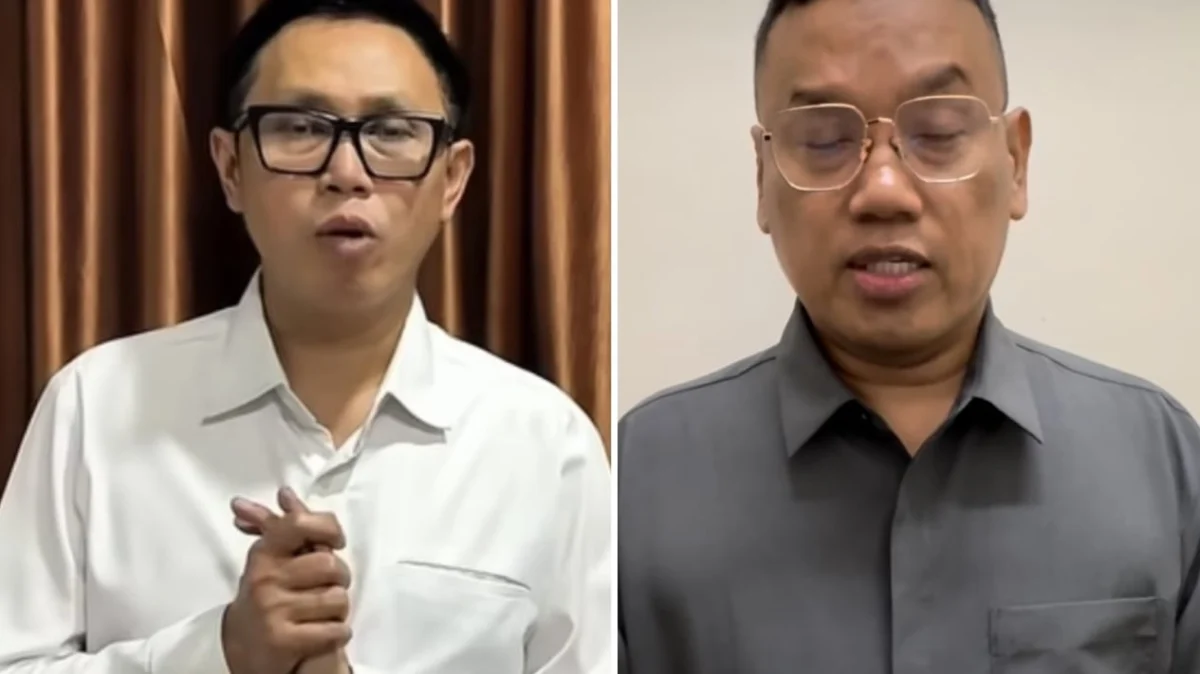
Jakarta, VIVA – The political futures of two prominent figures, Eko Hendro Purnomo, widely known as Eko Patrio, and Surya Utama, or Uya Kuya, both members of the House of Representatives (DPR RI) from the National Mandate Party (PAN), continue to hang in a state of limbo. Their non-active status from the legislative body, first announced in late August 2025, was reiterated and confirmed by the party’s Deputy Chairman, Eddy Soeparno, on Wednesday, October 22, 2025. This latest update underscores the ongoing internal deliberations within PAN and highlights the significant authority vested in party leadership regarding the mandate of its parliamentary representatives.
Eddy Soeparno, who also serves as Deputy Chairman of the People’s Consultative Assembly (MPR RI), affirmed that the status of both Eko Patrio and Uya Kuya remains unchanged. "As of now, the DPP PAN (Central Executive Board of PAN) maintains their status as non-active members," Soeparno stated to reporters. He further elaborated that any progression or resolution concerning their situation rests squarely with the Party Chairman, Zulkifli Hasan, and would subsequently be communicated to the leadership of PAN’s faction in the DPR RI. This hierarchical decision-making process is a standard feature of Indonesian political parties, where the party chairman often holds ultimate sway over significant internal matters, including the standing of its elected representatives. The absence of specific public reasons for their initial non-activation continues to fuel speculation within political circles and among the public.
Background of the Figures
Eko Hendro Purnomo, better known as Eko Patrio, has been a household name in Indonesia for decades, primarily as a comedian, television personality, and producer. His transition into politics began in 2009 when he was elected as a member of the DPR RI representing the East Java VIII electoral district. Known for his charisma and public appeal, Eko Patrio successfully secured multiple terms in the legislature, demonstrating a sustained ability to connect with voters beyond his entertainment background. His tenure in the DPR saw him involved in various commissions, often focusing on areas related to creative industries, education, and culture, aligning with his public persona.
Similarly, Surya Utama, or Uya Kuya, carved out a successful career as a magician, presenter, and television personality before venturing into the political arena. His entry into the DPR RI, also under the banner of PAN, marked another instance of a popular entertainer leveraging their public recognition for political office. Uya Kuya’s unique style and strong social media presence provided him with a distinct platform, which he utilized effectively during his campaign. His presence, alongside Eko Patrio, represented a growing trend in Indonesian politics where celebrities often find success in elections due to their high visibility and pre-existing fan bases. Both individuals brought a certain level of public engagement and media savvy to their roles as legislators.
Chronology of Non-Activation
The decision to declare Eko Patrio and Uya Kuya non-active from their DPR RI duties first came to light through a press release issued by the DPP PAN on Sunday, August 31, 2025. The statement, which was signed by PAN Chairman Zulkifli Hasan and Deputy Chairman Viva Yoga Mauladi, stipulated that their non-active status would officially commence on Monday, September 1, 2025.
The press release cited "observing current dynamics and developments" as the primary rationale behind the party’s decision. This broad statement, while offering little in the way of specific details, suggested that the move was part of a broader strategic or disciplinary consideration within the party. Furthermore, the announcement included a call for public calm and urged trust in the administration of President Prabowo Subianto, with PAN reaffirming its commitment to support the government and prioritize the welfare of the people. This particular phrasing hinted at a potential connection between the non-activation and the party’s alignment with the national political agenda, possibly indicating a need for internal consolidation or a unified front in support of the new government’s policies.
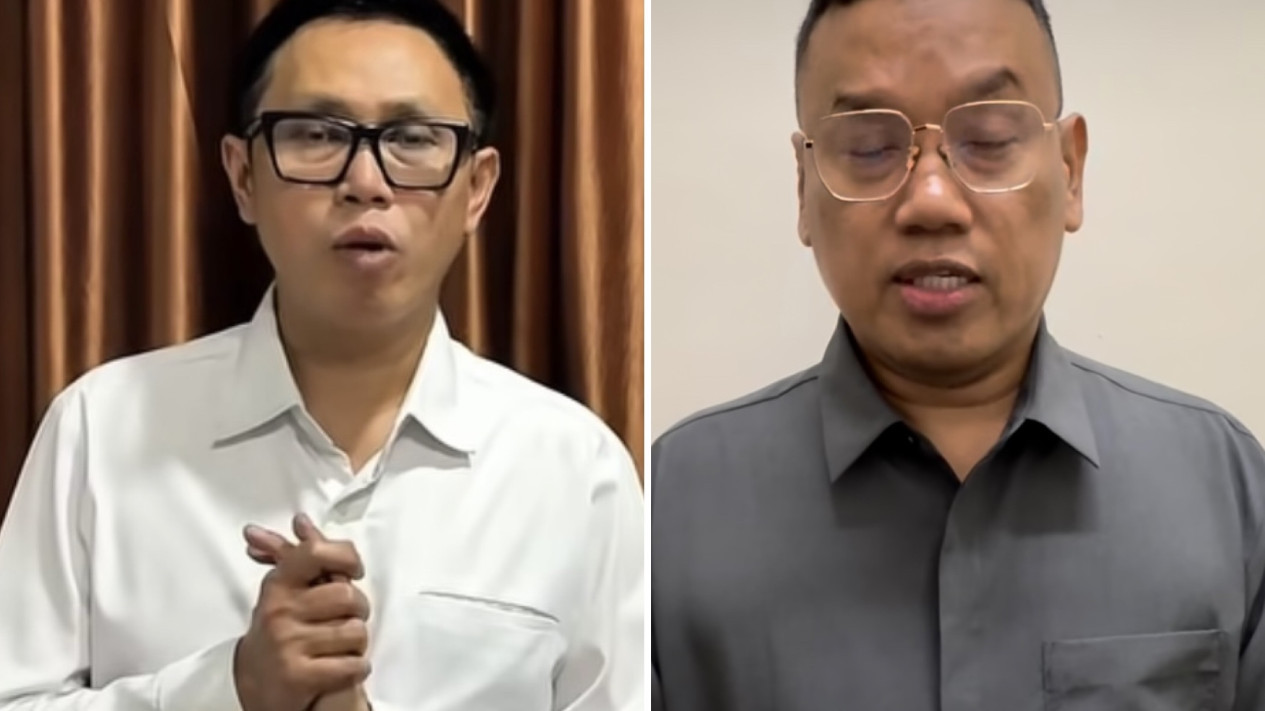
The October 22, 2025, update from Eddy Soeparno thus confirms that nearly two months after the initial announcement, the status of Eko Patrio and Uya Kuya remains in flux, with no clear resolution yet reached or publicly communicated regarding their return to active parliamentary duties or any alternative disciplinary actions.
PAN’s Internal Dynamics and Authority
The National Mandate Party (PAN) is a significant player in Indonesia’s multi-party democratic system. As a member of the ruling coalition supporting President Prabowo Subianto’s administration, PAN’s internal cohesion and discipline are crucial for maintaining parliamentary stability and effectively contributing to the government’s legislative agenda. The decision to render two of its prominent DPR members non-active, particularly those with high public profiles, reflects the strong hierarchical structure within Indonesian political parties.
Eddy Soeparno’s statement underscores that the ultimate authority on such matters rests with the party’s highest leadership, specifically Chairman Zulkifli Hasan. This centralized power is characteristic of many political parties globally, but in Indonesia, party chairmen often wield considerable influence over nominations, appointments, and the overall trajectory of their party members, even elected ones. The process involves direct communication and directives from the chairman, which are then relayed and implemented through the party’s faction leadership in the DPR. This mechanism ensures that party lines are maintained and that individual legislative actions align with the party’s broader strategy and directives.
The lack of public disclosure regarding the specific reasons for non-activation is also a common feature in such internal party matters. Parties often prefer to handle disciplinary actions or strategic reconfigurations discreetly to avoid public controversy or to prevent internal disagreements from spilling over into the media. However, this also leaves room for speculation about potential breaches of party discipline, strategic realignments, or other undisclosed factors that led to the decision.
Implications for DPR Membership and Party Discipline
The House of Representatives (DPR RI) serves as Indonesia’s primary legislative body, tasked with creating laws, overseeing the government’s performance, and approving the national budget. Members are elected through a proportional representation system, but once in office, their mandate is often intertwined with their political party’s agenda. Party discipline is a critical component of parliamentary functionality in Indonesia. Parties expect their members to adhere to party lines, especially on crucial votes and policy stances. Deviations can lead to sanctions, which can range from warnings to non-active status, or even a full recall (Pergantian Antar Waktu – PAW).
Non-active status, while not a full recall, effectively sidelines the legislator from their duties, stripping them of their ability to participate in committee meetings, plenary sessions, and other parliamentary activities. This can significantly impact their influence and effectiveness as representatives. For Eko Patrio and Uya Kuya, this means a temporary cessation of their legislative functions, potentially affecting their constituents’ representation and their own political capital.
The phrase "observing current dynamics and developments" could allude to a variety of factors. It might suggest a need for the party to consolidate its position within the ruling coalition, ensuring all its members are fully aligned with the government’s policy direction, particularly in the early stages of President Prabowo’s term. It could also relate to internal party reforms, a push for greater discipline, or even strategic positioning for future elections. Given the high profile of the individuals involved, the decision also sends a strong message to other party members about the importance of adhering to party directives and the potential consequences of not doing so.

Broader Political and Public Implications
The ongoing non-active status of Eko Patrio and Uya Kuya has several broader implications for Indonesian politics and the public’s perception of celebrity politicians.
Firstly, for the individuals themselves, this situation casts a shadow over their political careers. While they retain their public profiles, their effectiveness as political figures is currently diminished. Their options might include accepting the party’s decision and hoping for reinstatement, or, if the situation remains unresolved, potentially exploring other political avenues or returning full-time to their entertainment careers. The indefinite nature of their non-active status adds an element of uncertainty to their future political endeavors.
Secondly, for PAN, this move demonstrates the party’s resolve in enforcing internal discipline and its commitment to aligning its parliamentary actions with its broader political strategy. It projects an image of a party that is willing to make tough decisions, even involving popular figures, to maintain cohesion and achieve its objectives. This could be seen as a strength in terms of party management, but it also raises questions about transparency if the specific reasons for such actions are not disclosed.
Thirdly, the case contributes to the ongoing discourse about the role of celebrity politicians in Indonesia. While their popularity can be a significant asset in winning elections, their ability to navigate the complexities of party politics and parliamentary duties is often scrutinized. This incident serves as a reminder that even highly popular figures are ultimately subject to party directives and internal mechanisms. It may lead to further discussions about the balance between individual mandate and party loyalty in the Indonesian legislative system.
Finally, in the context of the newly formed government under President Prabowo Subianto, this action by PAN, a key coalition member, could be interpreted as part of a broader effort by the ruling coalition to ensure unified support and minimize internal dissent as it begins to implement its agenda. A disciplined parliamentary bloc is vital for any government seeking to pass legislation and effectively govern.
As the situation remains unresolved, the political spotlight will continue to be on PAN Chairman Zulkifli Hasan for his eventual decision regarding Eko Patrio and Uya Kuya. The outcome will not only determine the political fate of these two prominent figures but also provide further insights into the intricate dynamics of party power, discipline, and the evolving landscape of Indonesian parliamentary politics. The coming weeks and months will undoubtedly be critical in shaping the next chapter of this unfolding political narrative.