The 98th anniversary of the Youth Pledge, or Sumpah Pemuda, served as a pivotal moment for reflection and action in the southern region of Papua. On Wednesday, October 28, 2026, David B. Kainakaimu, Chairman of the Indonesian National Youth Committee (KNPI) in Merauke, issued a clarion call to the youth of South Papua. He urged them to transform the historical spirit of the 1928 Youth Pledge into tangible contributions, emphasizing that the modern-day interpretation of national unity lies in active participation in local governance and regional development.
A Call for Youth Agency in South Papua
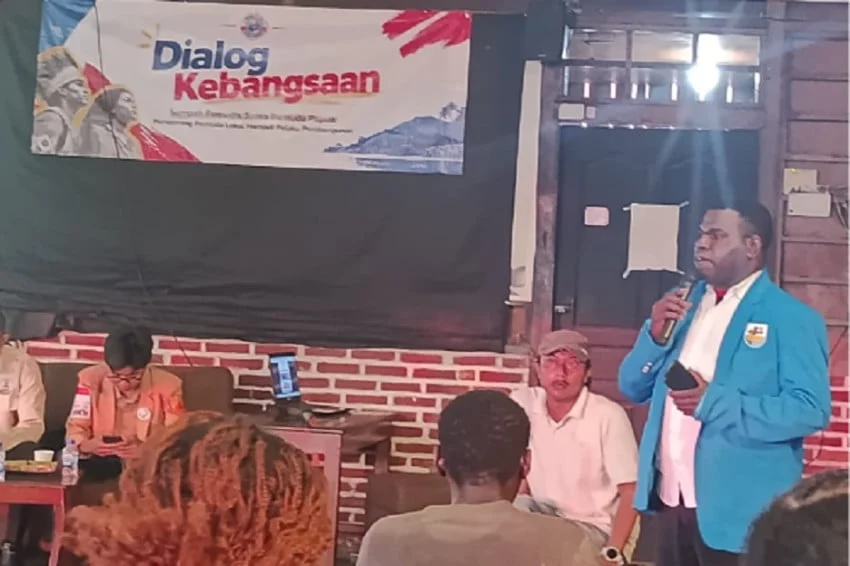
During a dynamic "National Dialogue" event hosted at the RKD Coffee venue in Merauke, David B. Kainakaimu led a solemn recitation of the Youth Pledge. The event, held under the theme "Youth Pledge, The Voice of Papuan Youth: Empowering Local Youth to Become Actors of Development," attracted a diverse audience of students, young entrepreneurs, and community activists.
The core message delivered by the KNPI leadership was clear: the era of passive observation has ended. Kainakaimu stressed that the legacy of the 1928 pioneers—who transcended ethnic, religious, and linguistic barriers to forge a singular national identity—must now be translated into professional and socio-economic contributions. In the context of South Papua, a relatively young province, the youth are uniquely positioned to serve as the architects of regional stability and economic growth.
The Historical Significance of the Youth Pledge
To understand the gravity of Kainakaimu’s message, one must look back at the historical framework of the original Sumpah Pemuda. On October 28, 1928, in Batavia (now Jakarta), a group of young intellectuals from various islands across the Dutch East Indies gathered to declare three fundamental ideals: one motherland, one nation, and one language. This event was the catalyst for the Indonesian nationalist movement, bridging the gap between fragmented regional identities.
In 2026, as Indonesia commemorates the 98th year of this landmark event, the focus has shifted from the struggle for independence to the struggle for sustainable development. For a province like South Papua, which is currently undergoing significant administrative and infrastructural transitions, the role of youth is critical. The "National Dialogue" aimed to move beyond symbolic celebrations, providing a platform for young people to discuss the specific challenges they face, ranging from digital literacy gaps to the need for modernized agricultural practices in the Merauke region.
The Role of MPSI and Collaborative Efforts
The event was organized by the Merah Pusaka Stratejik Indonesia (MPSI), an organization dedicated to fostering strategic dialogue among the nation’s youth. By facilitating this conversation, MPSI sought to bridge the gap between policy makers and the grassroots youth movement.
The dialogue featured multiple sessions aimed at identifying barriers to youth employment and entrepreneurship. Local experts noted that the demographic bonus—where a significant portion of the population is of working age—presents a double-edged sword. If properly harnessed through education and vocational training, it could propel South Papua into a regional economic hub. Conversely, failure to engage this demographic could lead to social instability. Kainakaimu’s intervention was precisely aimed at directing this youthful energy toward constructive, community-oriented goals.
Data and Demographic Context
According to recent projections by the National Statistics Agency (BPS), the youth demographic in the Eastern Indonesian regions is growing at a faster rate than the national average. In South Papua, a significant percentage of the population is under the age of 30, making the youth the most vital stakeholder in the province’s long-term success.

Furthermore, economic data suggests that the Merauke region has immense potential in the agriculture and maritime sectors. The challenge, as highlighted during the dialogue, is the migration of skilled youth to urban centers outside of Papua. Kainakaimu argued that the "Youth Pledge" spirit should act as a tether, encouraging young Papuans to apply their skills locally. By investing in local enterprises and advocating for better education, the youth can ensure that the benefits of regional development remain within the community.
Official Responses and Broader Implications
While the KNPI chair led the call, the sentiment was echoed by various attendees. Several participants pointed out that the government’s role should be to provide the infrastructure and regulatory environment that allows youth-led initiatives to thrive. This includes easier access to micro-financing for startups and the integration of traditional knowledge with modern technological practices.
The implications of this discourse are significant for national policy. If local youth committees across the archipelago adopt the same mindset as the Merauke KNPI, the national strategy for development will become increasingly decentralized. Instead of relying on top-down government mandates, regional progress could be driven by a grassroots movement of empowered young citizens who understand the nuances of their specific environments.
The Chronology of Regional Youth Empowerment
- Early 20th Century (1928): The foundational Sumpah Pemuda provides the conceptual framework for national unity.
- Early 2020s: South Papua is established as a new province, shifting the administrative landscape and creating a need for a new generation of local leaders.
- 2026 (October): The 98th commemoration of Sumpah Pemuda highlights the urgency of youth participation in the new province’s development.
- Future Outlook: The focus is now on the 100th anniversary (2028), with local youth groups setting milestones for increased economic and social influence by that date.
Analysis: Bridging the Gap Between Rhetoric and Reality
The challenge facing the youth of Merauke, and indeed all of Indonesia, is the translation of patriotic rhetoric into institutional change. Analyzing the event, it is evident that the "National Dialogue" was a successful mechanism for consolidating youth opinion. However, the true test lies in the follow-through.
Experts observing the event noted that the emphasis on "becoming actors of development" signifies a shift in the youth movement’s psychology. Rather than being passive recipients of government aid, the youth are signaling an intent to own the development process. This is a crucial maturation of the youth movement. If Kainakaimu’s vision is realized, the youth of Merauke will move from being participants in protests or commemorations to being partners in policy design and implementation.
Conclusion: A New Era for South Papua
As the 98th anniversary concluded, the message from Merauke resonated as a template for other regions. The youth are not merely the future of the nation; they are the architects of the present. By grounding their aspirations in the historical weight of the Sumpah Pemuda, the young generation in South Papua is attempting to define a unique path that honors national identity while addressing the specific, evolving needs of their province.
The event in RKD Coffee was more than a ceremonial gathering; it was a strategic synchronization of efforts. With the support of organizations like MPSI and the leadership of KNPI, the youth of South Papua appear ready to take their seat at the table of development. As they look toward the centenary of the Sumpah Pemuda in 2028, the actions taken today in Merauke may well serve as a testament to the enduring power of a promise made nearly a century ago.
The task ahead is substantial, requiring sustained effort, transparency, and a commitment to inclusivity. Yet, the energy displayed by the youth in Merauke suggests that the spirit of 1928 is not only alive but is being reinterpreted to suit the complexities of the 21st century. Whether through agricultural innovation, digital connectivity, or local governance, the youth are making it clear that they intend to be the primary drivers of progress in the years to come.