JAKARTA — The Indonesian government is currently navigating a critical operational and structural transition regarding the nation’s oil and gas procurement framework. According to the Coordinating Minister for Downstreaming and Energy Transition, as well as the Minister of Energy and Mineral Resources (ESDM), Bahlil Lahadalia, the management of petroleum imports—traditionally handled primarily by state-owned energy giant PT Pertamina (Persero)—is systematically shifting toward the Lemigas (Research and Development Center for Oil and Gas Technology) framework.
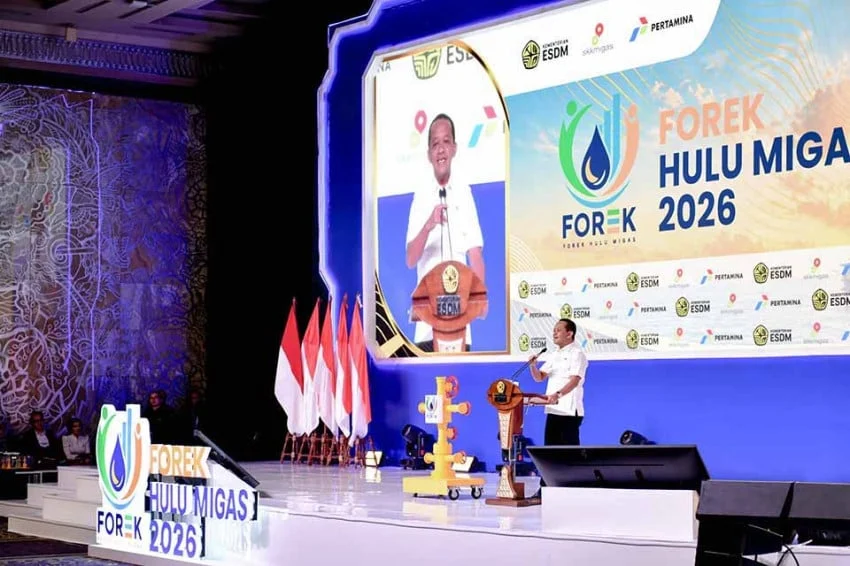
This major policy pivot marks a notable shift in how Indonesia manages its strategic energy supply chains. Speaking on the sidelines of the Forum Kapasitas Nasional (FOREK) Hulu Migas 2026 in Jakarta, Minister Bahlil provided crucial clarifications regarding the funding, scope, and implementation timeline of this sweeping energy policy adjustment.
Addressing reporters, Bahlil firmly asserted that the newly adopted transition scheme will operate independently of the State Budget (APBN). The financial burden of restructuring energy procurement and channeling operations through Lemigas will not rely on public funds, ensuring that fiscal allocations toward national development and public welfare remain unaffected by this structural reorganization.
Background and Context of the Energy Policy Shift
For decades, PT Pertamina (Persero) has held the primary responsibility for procuring crude oil and refined petroleum products to meet domestic energy demands. As Southeast Asia’s largest economy, Indonesia relies heavily on imported crude oil and fuel to bridge the gap between domestic production capacity and surging national consumption.
However, global geopolitical tensions, fluctuating crude prices, supply chain volatilities, and domestic logistical challenges have consistently prompted the Indonesian government to reevaluate its strategic energy architecture. The push toward downstreaming and systemic efficiency has become a cornerstone of the current administration’s economic agenda. By restructuring the pathways of fuel and crude oil imports, the government aims to achieve greater transparency, optimize procurement costs, and enhance overall national energy security.
The involvement of Lemigas—traditionally recognized as a scientific research and technical institution under the Ministry of ESDM—signals a strategic pivot. Rather than functioning solely as an academic and technological testing ground, Lemigas is positioned to play a more central, operational role in overseeing or standardizing state-regulated energy procurement processes, aligning technical expertise directly with state-level energy governance.
Implementation Timeline and the Transition Phase
Although the foundational legal framework supporting this policy has already been established through the issuance of a Presidential Regulation (Perpres), Bahlil emphasized that actual execution cannot happen overnight. The transition requires meticulous coordination, institutional alignment, and administrative synchronization between the Ministry of ESDM and PT Pertamina.
"The transition takes time. Only after we complete our consolidation with Pertamina can we fully implement the scheme. Because it cannot be done instantly," Bahlil explained to the media.
This careful, phased approach is designed to prevent disruptions in the national supply chain. Abruptly altering import channels without adequate groundwork could risk domestic fuel shortages or create operational bottlenecks for refineries and distribution networks. Consequently, inter-agency dialogues remain ongoing to map out clear operational boundaries, reporting lines, and logistical protocols for the transfer of responsibilities.
Scope of the Policy: State Assignments vs. Private Sector Independence
A crucial aspect of the newly introduced procurement framework is its scope of applicability. Minister Bahlil explicitly clarified that the transition mechanism targets procurement activities that have historically been managed by Pertamina, particularly those tied to public service obligations and national energy resilience.
Furthermore, the government intends to utilize this mechanism for future strategic assignments that directly impact the livelihoods of the broader population. By streamlining these processes under a unified state oversight umbrella through Lemigas, the government aims to tighten controls over national petroleum reserves and import expenditures.
At the same time, the administration has moved to reassure the private sector. Private business entities operating within Indonesia’s downstream oil and gas sector will not be compelled to adopt the Lemigas procurement route. Private companies will retain the autonomy to manage their own commercial import activities, supply contracts, and operational logistics based on corporate strategies and market dynamics.
"When it comes to the private sector, absolutely not. Private business is their own affair," Bahlil stated definitively, alleviating concerns over potential state overreach into commercial energy trading.
Implications for the National Energy Landscape
The ongoing transition carries profound implications for Indonesia’s broader macroeconomic stability and energy sector governance. By eliminating the reliance on the State Budget for this structural pivot, the government demonstrates fiscal prudence while attempting to solve long-standing vulnerabilities in fuel procurement.
Recent discussions within the energy sector have underscored the urgency of optimizing fuel imports, especially in light of past challenges surrounding domestic supply vulnerabilities and transparent import auctions. The integration of Lemigas into the procurement oversight ecosystem is envisioned to introduce a higher degree of scientific and technical rigor into import evaluations, ensuring that specifications, pricing, and volume assessments are meticulously scrutinized.
However, industry analysts note that the success of this transition will heavily depend on the seamless execution of the consolidation phase between the Ministry of ESDM and Pertamina. Clear regulatory guidelines, robust IT infrastructure, and transparent communication between state stakeholders will be vital to prevent administrative friction.
As the Ministry of ESDM finalizes the operational details alongside state energy officials, all eyes remain fixed on how the transition period unfolds throughout 2026. If implemented successfully, the policy could redefine Indonesia’s energy import landscape, striking a balance between rigorous state oversight, fiscal independence, and commercial flexibility for private market participants.