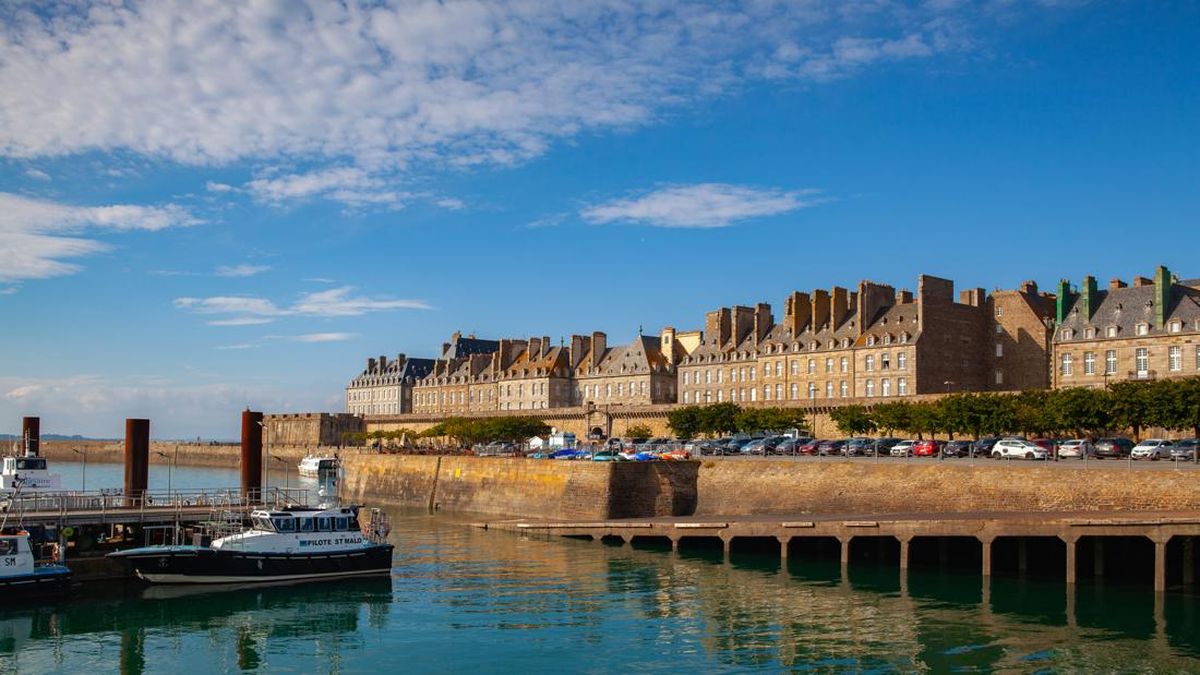
Saint-Malo, a fortified coastal city in the Brittany region of France, stands as a testament to maritime resilience, architectural restoration, and a storied past defined by the audacious activities of privateers. Enclosed by massive granite ramparts that overlook the English Channel, the city serves as a premier destination for those seeking to explore the intersection of European history, naval power, and coastal geography. While modern travelers often recognize Saint-Malo for its picturesque stone streets and sweeping tides, its historical identity is deeply rooted in its status as the home of the "corsairs"—state-sanctioned sailors who played a pivotal role in the geopolitical landscape of the 17th and 18th centuries.
The Historical Significance of the Corsair Era
The term "corsair" (or privateer) is often conflated with piracy, yet in the context of Saint-Malo, it refers to a specific, legal occupation. Unlike pirates who acted for personal gain, corsairs held a lettre de marque (letter of marque) issued by the French monarch, authorizing them to attack and seize enemy merchant vessels during wartime. This legalized naval warfare transformed Saint-Malo into one of France’s wealthiest and most formidable ports.
During the height of the 17th century, the port city flourished as ships laden with spices, silk, and precious metals arrived from distant colonies. The city’s inhabitants, characterized by a fierce sense of autonomy—captured in the local motto "Ni Français, ni Breton, Malouin suis" (Neither French, nor Breton, I am Malouin)—developed a unique culture defined by extreme risk and reward. The wealth generated from these expeditions allowed for the construction of grand mansions, known as hôtels corsaires, which still define the aesthetic of the city’s walled core, the Intra-Muros.
The Evolution of Urban Security: From Mastiffs to Symbolic Tradition
The logistical challenges of the 17th and 18th centuries in Saint-Malo were unique due to the city’s extreme tidal range. When the tide receded, large ships were often left stranded on their sides in the mud, making their cargo vulnerable to theft. To address this, the city implemented an unconventional security protocol. Every night at 10:00 PM, a bell would toll, signaling the curfew for all residents. Following the toll, the chiens du guet—large English Mastiffs—were released onto the streets and harbor areas.
Historical records indicate that these dogs were kept in a state of semi-starvation to ensure their ferocity and vigilance. They acted as a formidable deterrent against any individual attempting to board the grounded vessels or infiltrate the port after dark. As dawn broke, the animals were recalled. While the practice of using live guard dogs ceased in the modern era, the tradition remains an intrinsic part of the city’s folklore. Today, the nightly tolling of the bells continues, serving as a symbolic reminder of the city’s rigorous history of protection and maritime vigilance.
The Destruction and Resurgence of the Second World War
The structural integrity of Saint-Malo today is a result of a massive post-war reconstruction effort. During the Second World War, the city served as a strategic point for German forces, leading to heavy bombardment by Allied troops in August 1944. The battle resulted in the near-total destruction of the Intra-Muros. Nearly 80 percent of the medieval city was reduced to rubble, and the harbor facilities were decimated.
Following the liberation, the French government launched an ambitious restoration project that lasted until the 1960s. Planners made the conscious decision to reconstruct the city using the original blueprints and materials, prioritizing the preservation of the architectural identity of the 17th and 18th centuries. This effort is widely considered one of the most successful urban reconstruction projects in post-war Europe. Buildings such as the Demeure de Corsaire (Hôtel Magon) were among the few structures that survived the bombardment, serving as invaluable references for the authenticity of the surrounding reconstruction.
Exploring the Intra-Muros and Cultural Landmarks
Visitors to the Intra-Muros today experience a seamless blend of history and contemporary commerce. Walking along the ramparts, or Les Remparts, offers an elevated perspective of the city’s defenses and the expansive coastline. Notable landmarks include:
- The Cathedral of Saint-Vincent-de-Saragosse: A site of significant historical importance, this structure houses the tomb of Jacques Cartier, the Malouin explorer who claimed Canada for France in the 16th century.
- Château de Saint-Malo: The former residence of the Dukes of Brittany, this fortress now houses the city’s museum, which provides an in-depth look at the maritime history of the region.
- The Hôtel Magon: This residence, once owned by the wealthy privateer François Auguste Magon de la Lande, remains in the hands of his descendants. It provides a rare, preserved glimpse into the life of the 18th-century merchant elite, featuring hidden passages and architectural secrets.
Geographic and Tidal Phenomena
The physical environment of Saint-Malo is dominated by the tides, which are among the most dramatic in Europe. The water level can fluctuate by as much as 13 meters between high and low tide. This phenomenon not only dictated the historical security of the port but continues to shape local tourism and coastal navigation.
When the tide is at its lowest, vast stretches of seabed are exposed, connecting the mainland to nearby islands like the Grand Bé and Petit Bé. These islands, which feature historical fortifications, become accessible by foot, providing a unique hiking experience. However, the speed at which the tide returns is a subject of constant local warning, as the rapid water level rise can isolate unsuspecting visitors.
Broader Impact and Connectivity
Beyond its historical walls, Saint-Malo serves as a gateway to the wider Normandy and Brittany regions. Its proximity to major landmarks such as the tidal island of Mont Saint-Michel, the oyster-producing region of Cancale, and the D-Day landing beaches of Normandy makes it an ideal base for historical tourism.
Logistically, the city has maintained its status as a vital transit point. The introduction of the TGV InOui high-speed rail service from Paris Montparnasse has significantly boosted accessibility, reducing travel time to approximately two and a half hours. This connectivity has facilitated a steady growth in both domestic and international tourism, contributing to the local economy while posing the ongoing challenge of managing visitor volume in a constrained, historical space.
Analysis of Modern Implications
The preservation of Saint-Malo represents a delicate balance between heritage conservation and modern economic demand. The city authorities have navigated this by enforcing strict zoning laws that protect the aesthetic of the Intra-Muros, ensuring that new businesses maintain the architectural integrity of the district.
Furthermore, the integration of historical narrative into the tourism experience—such as the tours of the Demeure de Corsaire—serves an educational function, grounding the visitor in the complex reality of France’s colonial and maritime past. Rather than romanticizing the corsair era, contemporary exhibits emphasize the economic necessity of the trade and the harsh conditions of life in a fortified maritime city.
As Saint-Malo looks to the future, it faces the challenges common to many coastal European cities: climate change and the rising frequency of extreme weather events. The ramparts, which once protected the city from human invaders, are now the primary line of defense against the encroaching sea. Long-term maintenance of these stone defenses remains a budgetary priority for the municipality, ensuring that the city’s legacy as a maritime bastion continues for future generations. Through a combination of historical stewardship and modern infrastructure development, Saint-Malo persists as a vibrant, living monument to the spirit of Brittany.