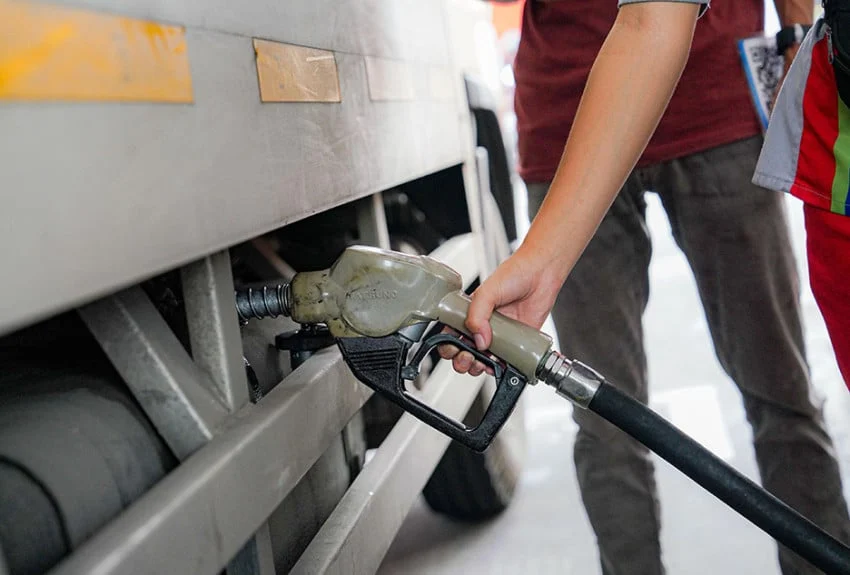
Recent long queues of commercial logistics vehicles and trucks waiting to access subsidized solar (diesel) fuel across various regions in Sumatra and Kalimantan have triggered widespread public concern and speculation regarding national energy security. However, energy analysts and policy experts emphasize that these localized bottlenecks do not automatically reflect a nationwide shortage of petroleum products or a systemic failure in the country’s energy reserves. Instead, industry stakeholders argue that the issue demands a comprehensive, multi-layered evaluation encompassing quota management, regional inventory levels, downstream distribution chains, and the ongoing challenge of illicit fuel diversion in the field.
The phenomenon has reignited debates concerning the efficacy of Indonesia’s energy subsidy distribution framework. As logistics operators face mounting delays, questions regarding the transparency and resilience of the supply chain have taken center stage. To understand the root causes of these recurring queues, energy governance experts suggest looking beyond basic national inventory metrics and examining the operational bottlenecks that frequently occur between regional fuel terminals and local public fueling stations (SPBU).
Deconstructing the Subsidized Diesel Bottleneck
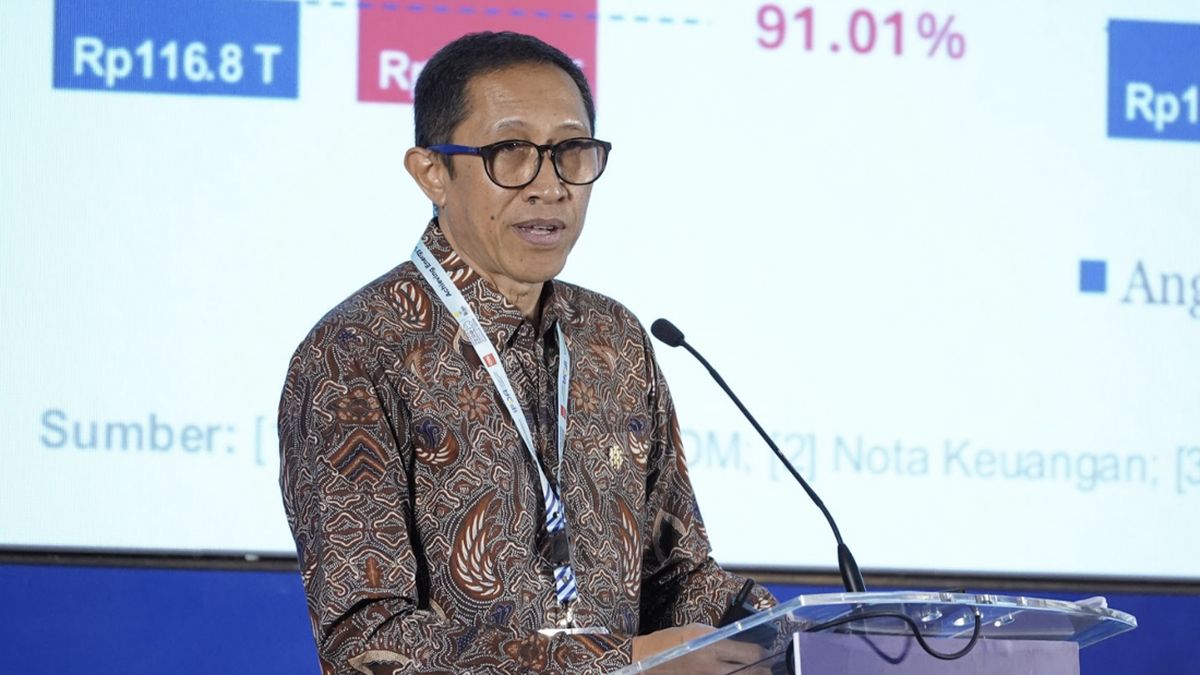
Speaking on the matter, Ali Ahmudi Achyak, Executive Director of the Center for Energy Security Studies (CESS), noted that the Indonesian government maintains a structured, tiered mechanism for managing subsidized fuel quotas. This system operates hierarchically from the national level down to regional offices and individual distribution agencies. Consequently, when congestion and extended wait times materialize at specific fueling stations, authorities must trace the entire supply chain before concluding that a physical shortage of fuel exists within the country.
"When queues occur, we should not immediately jump to the conclusion that our fuel stock is depleted," Achyak stated. "We must examine the inventory comprehensively—starting from national stockpiles and regional reserves, down to fuel terminals and the local storage capacities of gas stations. If the national and regional stock levels are confirmed to be secure and adequate, the critical question shifts to what is happening at the operational level: are there logistical impediments, distribution disruptions, supply chain bottlenecks, or illicit misappropriation?"
Achyak pointed out that distribution vulnerabilities are inherently more pronounced in regions characterized by complex topography, challenging infrastructure, and limited transportation connectivity, such as the vast terrains of Sumatra and Kalimantan. Unlike the island of Java, which benefits from a denser, more diversified network of transportation nodes and multi-modal logistics options, outlying islands often rely heavily on single-route roadways. Consequently, minor disruptions in the logistical chain—ranging from weather-related transit delays to administrative verification hurdles—can instantly cascade into severe supply constraints at the retail level.
"When long queues emerge to the point where they disrupt the daily operations and compromise the safety of transport drivers, the underlying logistics and distribution infrastructure must be thoroughly audited," Achyak added. "Regulators and energy companies cannot simply look at the aggregate quota numbers and assume the system is functioning as intended."
The Complex Mechanics of Quota Allocation and Monitoring
At the heart of the subsidized diesel debate is the delicate balance between annual quota allocations and fluctuating regional demand. Subsidized solar is a tightly regulated commodity managed by downstream oil and gas regulatory agencies (BPH Migas) in coordination with state-owned energy giant PT Pertamina (Persero). Each public fueling station is assigned a specific monthly and annual volume quota designed to meet the estimated needs of authorized commercial and public transport users within its immediate jurisdiction.
However, rapid economic expansion, seasonal spikes in agricultural and mining logistics, and fluctuating commodity prices often create sudden surges in fuel demand that outpace scheduled allocations. When a particular district exhausts its monthly quota prematurely, station operators are forced to ration supplies or halt sales entirely until the next allocation cycle begins, naturally triggering panic buying and long queues.
Furthermore, experts highlight that quota management must be tightly synchronized with rigorous field supervision. Each fuel distributor is legally mandated to ensure that subsidized products are channeled exclusively to designated beneficiaries, such as public transportation networks, small-scale fishermen, and micro-enterprises, as stipulated by prevailing regulations. The persistent risk of misappropriation—where commercial entities or industrial players illegally siphon off subsidized diesel meant for retail consumers—remains a major systemic vulnerability that distorts local market supply.
Regional Disparities and Logistical Realities in Indonesia
The geographic realities of Sumatra and Kalimantan present unique logistical hurdles that differentiate them from Indonesia’s central economic hubs. In many remote and semi-urban districts across these islands, fuel distribution relies heavily on long-distance trucking fleets navigating unpaved or poorly maintained roads. Any disruption caused by torrential seasonal rains, bridge repairs, or localized transport strikes can severely delay fuel tankers dispatched from regional fuel terminals.
Compounding these geographical challenges is the concentration of heavy industries—particularly plantation agriculture, forestry, and coal mining—in these specific regions. These heavy-duty sectors utilize massive fleets of commercial trucks and machinery that heavily depend on diesel fuel. When commodity prices are high, industrial activity surges, driving up the consumption of diesel. If industrial operators or intermediaries circumvent regulations to utilize cheaper subsidized diesel instead of commercial-grade industrial diesel, legitimate transport operators face sudden supply deficits.
This structural mismatch between regulated retail supply and booming industrial demand often manifests as serpentine queues outside rural and semi-urban gas stations. Industry observers note that while national oil reserves held in strategic terminals remain well above the mandatory minimum threshold of 20 days, the "last-mile" delivery mechanism frequently stumbles under the weight of regional demand spikes and infrastructure deficits.
Official Responses and Mitigation Measures
In response to recurring distribution friction and localized congestion at retail outlets across various provinces, downstream energy stakeholders and state logistics providers have intensified monitoring protocols. Similar supply stabilization efforts have been rolled out in response to regional distribution hiccups in other major urban centers, such as recent logistical recoveries managed by Pertamina in Makassar and surrounding South Sulawesi districts.
Pertamina’s downstream distribution subsidiary, Pertamina Patra Niaga, has consistently maintained that national fuel reserves are robustly maintained. The corporation utilizes digital monitoring systems, such as the Digitalization SPBU program and theSubsidi Tepat MyPertamina platform, to track daily fuel throughput, monitor inventory levels in real-time, and verify the identity of consumers purchasing subsidized products.
Through these technological interventions, automated alerts are triggered whenever anomalous purchasing patterns or rapid inventory depletion rates are detected at specific retail stations. This data-driven approach allows logistics coordinators to reroute fuel tankers swiftly, replenish depleted storage tanks, and coordinate with local law enforcement agencies to crack down on illegal hoarding or cross-border fuel smuggling.
Broader Implications for National Energy Security
The ongoing discourse surrounding subsidized fuel queues underscores a fundamental policy challenge for the Indonesian government: balancing fiscal sustainability with equitable energy access. Energy subsidies represent a significant burden on the state budget, necessitating tight controls over total volume allocations. However, overly restrictive quotas or inefficient distribution networks directly impact national logistics, driving up freight costs, delaying the delivery of essential goods, and exerting upward pressure on inflation.
Analysts suggest that resolving these recurring logistical friction points requires a multi-pronged policy approach. First, infrastructure investments in remote and resource-rich islands must be accelerated to ensure year-round reliability for transport fleets. Second, the enforcement of targeted subsidy mechanisms must be rigorously overhauled to ensure that state financial support exclusively benefits vulnerable economic segments rather than commercial industries capable of paying market rates. Finally, regulatory bodies must enhance transparency by regularly publishing regional distribution audits, thereby alleviating public anxiety and deterring speculative panic buying at the pump.
Ultimately, while localized queues will likely continue to surface intermittently due to regional demand surges and infrastructural bottlenecks, experts maintain that addressing the root causes requires meticulous supply-chain optimization rather than panic over national inventory deficits. By strengthening downstream supervision, refining quota flexibility, and cracking down on illicit diversion, authorities can ensure a more stable and equitable energy distribution landscape across the archipelago.