JAKARTA — A recent comprehensive evaluation conducted by the Center of Economic and Law Studies (Celios) has placed Energy and Mineral Resources (ESDM) Minister Bahlil Lahadalia at the bottom of cabinet performance rankings. According to the findings released following a rigorous data collection period, Bahlil received the lowest scores from both general public respondents and a panel of expert judges, sparking widespread discussions regarding the efficacy of key ministerial portfolios under the current administration of President Prabowo Subianto.
The publication of the Celios survey sheds light on public perception and expert assessments concerning the governance, transparency, and operational effectiveness of several high-profile ministries. While various government sectors have pushed forward with ambitious developmental and economic agendas, the findings suggest a significant divergence between policy execution on the ground and the expectations of citizens and policy analysts alike.
Methodology and Scope of the Celios Evaluation
The comprehensive performance evaluation conducted by Celios was designed to measure public sentiment and expert critique regarding cabinet ministers serving in the government. The primary phase of data collection took place between October 2 and October 17, 2025, utilizing a digital polling framework. To ensure a diverse and representative sample, the survey engaged 1,338 respondents from various demographic backgrounds, spanning rural communities, suburban areas, and major metropolitan centers across the archipelago.
The methodology relied heavily on targeted digital advertisements distributed through prominent social media platforms, specifically Facebook and Instagram, enabling researchers to reach a broad cross-section of Indonesian society. In addition to public opinion polling, Celios incorporated an expert judgment assessment, inviting academics, economists, policy researchers, and sector specialists to evaluate the performance of individual ministries based on policy outcomes, responsiveness, and strategic planning.
The quantitative results of this dual evaluation placed Minister Bahlil Lahadalia at a severe disadvantage. In the public perception survey, Bahlil recorded a net score of –1320, reflecting widespread dissatisfaction or critical views regarding the management of the energy and mineral resources sector. Concurrently, the expert judgment panel assigned him a score of –151, cementing his position as the lowest-ranked official in the cabinet according to the metrics applied by the institute.
Details of the Lowest-Performing Ministers
Bahlil Lahadalia was not the only cabinet member to receive negative marks in the Celios evaluation. The survey highlighted several other ministries facing significant public and expert scrutiny regarding their respective policy domains.
Ranking second behind Bahlil in terms of negative public sentiment was Human Rights Minister Natalius Pigai, who recorded a score of –346. The Human Rights Ministry, tasked with safeguarding and advancing civil liberties and addressing historical and contemporary human rights grievances, has faced complex challenges in establishing clear policy milestones during its initial operational phases, contributing to the critical assessment by respondents.

Following closely in third place was Coordinating Minister for Food Zulkifli Hasan, who registered a score of –253. Given the administration’s heavy emphasis on food security, agricultural self-sufficiency, and supply chain stabilization, the coordinating portfolio has been under intense public observation. Persistent concerns regarding commodity price fluctuations and distribution efficiencies likely influenced the critical ratings assigned to this office.
Rounding out the bottom tier of the survey results were Minister of Tourism Widiyanti Putri Wardhana, who obtained a score of –180, and Minister of Culture Fadli Zon, who recorded a score of –170. Both ministries oversee sectors vital to Indonesia’s cultural preservation and economic diversification through tourism, yet respondents expressed notable reservations regarding their strategic direction and immediate visible outcomes.
Ministerial Response and Official Stance
Confronted with the findings of the Celios survey, Minister Bahlil Lahadalia responded with composure when approached by journalists at the headquarters of the Golkar Party DPP in Jakarta on Tuesday, October 21, 2025. Bahlil, who also serves as the General Chairman of the Golkar Party, stated that he had not yet thoroughly examined the detailed report containing the low performance scores attributed to his ministry.
"I haven’t read it yet, let me read it first," Bahlil remarked briefly to the press.
Despite the negative metrics presented by the independent economic think tank, Bahlil maintained an optimistic outlook regarding the trajectory of his leadership and the broader administration. He asserted that his performance, alongside that of the administration over the past year, has remained stable and positive.
"Everything is fine, everything is good," Bahlil stated, dismissing the notion that his ministry’s operations or policy outputs are failing to meet acceptable standards.
Up to this point, other ministers named in the survey, including Natalius Pigai, Zulkifli Hasan, Widiyanti Putri Wardhana, and Fadli Zon, have not issued formal comprehensive statements regarding their respective scores, though administration officials consistently emphasize that independent evaluations serve as constructive input rather than definitive judgments on government efficacy.
Contextualizing the Energy and Mining Portfolio
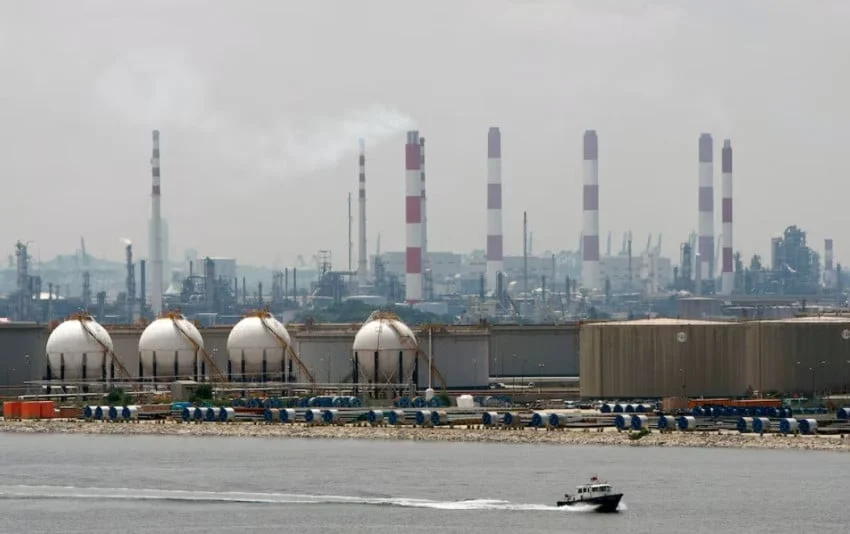
To understand the context behind Bahlil Lahadalia’s ranking, it is essential to examine the immense responsibilities shouldered by the Ministry of Energy and Mineral Resources. As the country pushes toward aggressive industrial downstreaming policies—a cornerstone of recent Indonesian economic strategy—the ESDM ministry plays a pivotal role in regulating nickel, bauxite, coal, and other critical mineral processing sectors.

Furthermore, the ministry is tasked with navigating the delicate transition toward renewable energy sources while balancing the nation’s heavy reliance on fossil fuels for domestic energy security and electrification. Complexities surrounding mining concessions, environmental compliance, local community welfare in resource-rich regions, and the pricing of subsidized fuels frequently place the ESDM minister at the center of intense public debate and stakeholder friction.
Critics and advocacy groups often monitor the ministry closely for transparency in license issuance and the environmental impacts of rapid industrialization. These structural challenges inherently expose leadership figures within the energy sector to heightened scrutiny, which may explain the sharp divergence in performance perceptions captured by public and expert polls.
Implications of Independent Policy Evaluations
The release of the Celios survey underscores a growing trend in Indonesia’s democratic landscape: the active participation of civil society organizations, think tanks, and academic institutions in monitoring and evaluating executive branch performance. Unlike internal government evaluations or legislative oversight hearings, independent institutional assessments provide an alternative perspective grounded in direct citizen feedback and specialized expert analysis.
From a governance perspective, such evaluations carry both analytical and political implications. Analytically, they offer cabinet members a diagnostic tool to identify operational bottlenecks, communication gaps, or areas where policy implementation fails to resonate with the populace. Politically, low public approval scores can exert pressure on public figures to recalibrate their public engagement strategies, accelerate tangible deliverables, and enhance transparency regarding ongoing institutional reforms.
As President Prabowo Subianto’s administration continues to implement its medium-term development roadmap, the pressure on cabinet ministers to demonstrate measurable results remains high. Observers note that while popularity metrics and survey scores do not automatically translate to formal administrative removal, they contribute to the broader narrative surrounding governmental accountability and reform momentum.
Conclusion and Outlook
The Celios survey results placing ESDM Minister Bahlil Lahadalia at the lowest tier of cabinet performance—alongside key figures such as Natalius Pigai, Zulkifli Hasan, Widiyanti Putri Wardhana, and Fadli Zon—highlight the complex expectations placed upon Indonesia’s political leadership. While the affected officials maintain that their administrative duties are proceeding constructively, independent metrics serve as a reminder of the persistent demand for effective governance, clear communication, and visible policy outcomes across all state ministries.
Moving forward, the administration’s ability to address public grievances and translate high-level economic and social strategies into tangible improvements at the grassroots level will likely dictate future performance assessments from both academic institutions and the Indonesian electorate.