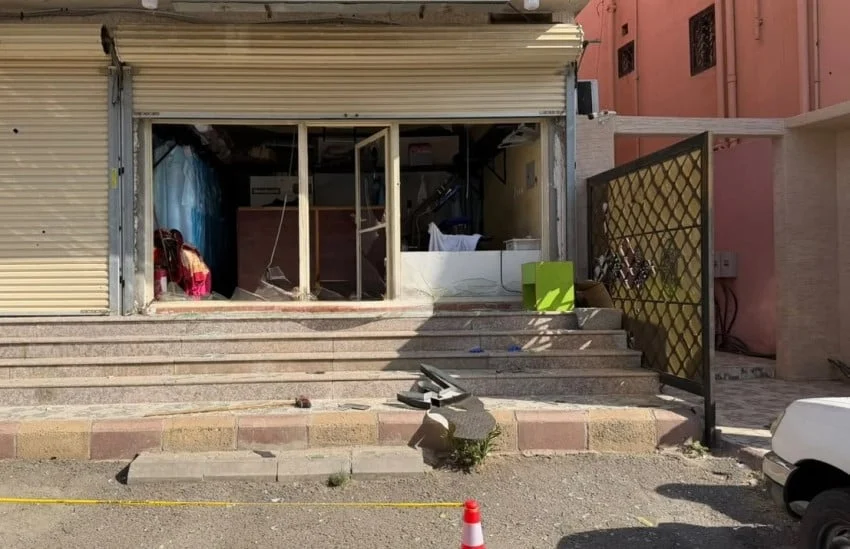
A fatal incident occurred in the Taif region of southwestern Saudi Arabia, where the interception of a hostile drone resulted in the death of one Yemeni national and left two others injured. This event, confirmed by Saudi state television, marks a significant and grim escalation in the ongoing conflict between the Saudi-led coalition and the Houthi movement. As the debris from the neutralized aerial threat impacted the ground, the incident underscored the persistent danger posed by cross-border drone strikes, which have become a hallmark of the multi-year proxy war. This death represents the first confirmed fatality of its kind in the Kingdom this month, serving as a stark reminder of the fragile security environment in the Arabian Peninsula.
Contextualizing the Conflict: The Houthi-Saudi Dynamic
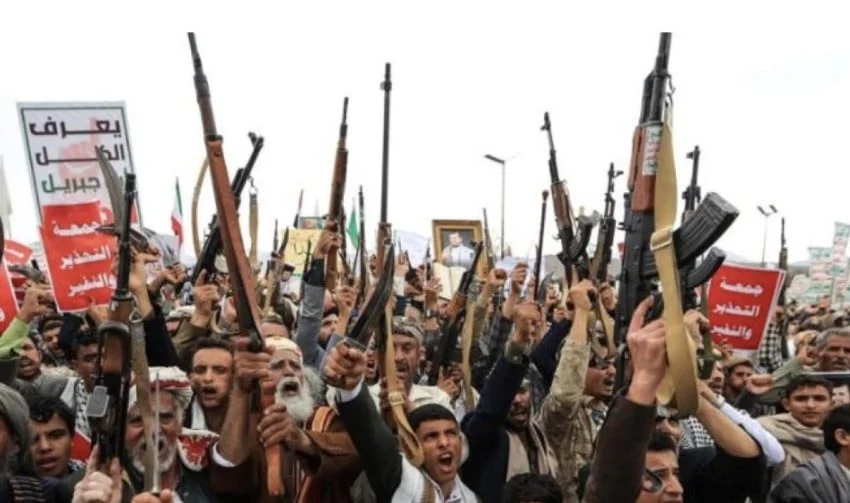
The conflict, which has been raging since 2015, involves the Houthi rebels—an Iran-aligned Zaydi Shia group—and the internationally recognized Yemeni government, supported by a Saudi-led military coalition. The Houthis have frequently utilized sophisticated drone technology and ballistic missiles to target Saudi infrastructure, including oil facilities, airports, and military installations. While the coalition has maintained a robust air defense system, often utilizing Patriot missile batteries to intercept these threats, the debris from destroyed drones frequently poses a significant risk to civilians and infrastructure on the ground.
The Taif region, located in the Makkah Province, is situated deep within Saudi territory, far from the Yemeni border. The ability of Houthi projectiles to reach such locations indicates an advancement in the range and operational capabilities of the group’s unmanned aerial vehicle (UAV) fleet. Analysts suggest that the procurement of components and the technical expertise provided by external regional actors have allowed the Houthis to transform from a local insurgency into a force capable of projecting power across the Red Sea and deep into the heart of the Saudi Kingdom.
Chronology of Escalation
The frequency of these attacks has fluctuated over the last year, often tied to diplomatic efforts or military stalemates on the ground in Yemen. A brief timeline of the recent period of tension includes:
- Early Q1 2024: A period of relative de-escalation followed by sporadic skirmishes along the border.
- Mid-Q2 2024: Houthi leadership explicitly warned of renewed strikes against Saudi targets in retaliation for coalition support of the Yemeni government’s recent offensives.
- Current Month: A measurable uptick in aerial activity, culminating in the fatal incident in Taif.
- The Incident: Saudi air defense systems detected an unidentified drone trajectory. Upon interception, falling debris struck a residential or industrial area near Taif, resulting in the casualty of a Yemeni national and injuries to two others.
Strategic Implications: The Battle for Bab al-Mandeb
Beyond the immediate tragedy in Taif, the Yemeni Ministry of Foreign Affairs—loyal to the coalition-backed government—has issued a stern warning regarding the narrative tactics employed by the Houthis. In a formal statement, the Ministry cautioned the international community against accepting Houthi overtures as genuine gestures of peace.
According to government officials, the Houthi diplomatic messaging is a tactical maneuver designed to secure time for military consolidation. Specifically, the government pointed to the Houthi movement’s aggressive maneuvers toward the strategic Kahbub mountains. Controlling this high ground is essential for the rebels to secure their existing territorial gains and, more importantly, to project power toward the Bab al-Mandeb Strait.
The Bab al-Mandeb Strait is one of the world’s most critical maritime chokepoints, connecting the Red Sea to the Gulf of Aden. Approximately 10% of global seaborne petroleum and a significant portion of international trade pass through these waters daily. Should the Houthis manage to tighten their control over the adjacent coastline and mountainous terrain, they would possess the capability to threaten global energy security and shipping lanes, thereby increasing their leverage in any future peace negotiations.
Regional Analysis and Humanitarian Impact
The reliance on UAVs by the Houthi movement has shifted the tactical landscape of the war. Unlike conventional aircraft, drones are relatively inexpensive to produce and difficult to track via traditional radar, making them an ideal weapon for asymmetric warfare. For the Saudi military, the challenge lies in the cost-to-benefit ratio of interception; the cost of a sophisticated interceptor missile often far outweighs the cost of the drone it destroys.
From a humanitarian perspective, the war in Yemen remains one of the world’s worst crises. Millions have been displaced, and the infrastructure of the country has been decimated. The fact that a Yemeni national was killed in Saudi Arabia highlights the complex nature of this conflict, where Yemeni expatriates often find themselves caught between the warring factions of their homeland and the host nation where they reside.
The Saudi government has consistently asserted its right to defend its sovereign territory against what it characterizes as "terrorist acts" directed by Iranian influence. Conversely, the Houthi movement maintains that its strikes are a legitimate response to the Saudi-led blockade and airstrikes that have characterized the coalition’s intervention. This cycle of retaliation has created a security dilemma where both sides feel compelled to maintain a high-alert military posture, further diminishing the likelihood of a sustainable ceasefire.
Official Responses and International Observation
International bodies, including the United Nations, have repeatedly called for an end to the hostilities. However, the diplomatic deadlock persists. The recent incident in Taif has prompted renewed calls from Riyadh for international condemnation of the Houthi strikes. Saudi authorities argue that the international community’s failure to hold the Houthis accountable for such cross-border violence only emboldens the group to seek further territorial expansion in areas like Kahbub.
In response to the current situation, regional security experts have noted that the Houthis are increasingly utilizing a strategy of "controlled chaos." By launching strikes at intervals, they force the Saudi coalition to remain in a state of high defense spending and political distraction, while simultaneously focusing their ground forces on consolidating control over the Yemeni hinterlands.
Future Projections: Security and Stability
As the situation unfolds, the immediate future of the region remains precarious. Several factors will determine the trajectory of the conflict:
- Diplomatic Pressure: Will the international community impose stricter sanctions on the supply chains supporting Houthi drone production?
- Military Fortification: How will the Saudi-led coalition adapt its air defense architecture to mitigate the risks posed to civilians by falling debris?
- Ground Developments: Can the Yemeni government forces, with coalition support, successfully contest the Houthi advance toward the Bab al-Mandeb, or will the rebels achieve their objective of securing the strategic heights?
The fatality in Taif is not merely a localized tragedy; it is a symptom of a systemic failure to resolve the underlying political and territorial disputes in Yemen. As the Houthi movement continues to refine its aerial tactics and expand its strategic reach, the security of the broader Gulf region will remain under constant threat. For the inhabitants of both Yemen and Saudi Arabia, the absence of a comprehensive peace agreement ensures that the specter of war will continue to loom over the region, with the civilian population bearing the heaviest burden.
Conclusion
The incident in Taif serves as a grim marker of the ongoing instability in the Arabian Peninsula. With one life lost and others scarred by injury, the reality of the Yemen conflict has once again breached the borders of the Kingdom. The warning from the Yemeni government regarding the Houthi movement’s long-term ambitions—specifically regarding the Bab al-Mandeb—adds a layer of geopolitical urgency to what is already a humanitarian catastrophe.
As the international community observes these developments, the path forward appears increasingly narrow. Without a shift from military escalation to genuine, inclusive, and transparent dialogue, the prospect of peace remains distant. The events in Taif are a stark reminder that as long as the conflict remains unresolved, the risk of collateral damage and regional destabilization will only continue to rise, threatening not only the people on the ground but the stability of global trade and international security. The tragedy in Taif, therefore, should be viewed not as an isolated event, but as a critical data point in a conflict that demands renewed, focused, and decisive diplomatic intervention.