The commercial real estate landscape across the Asia-Pacific (APAC) region is currently experiencing a defining period of structural transformation, underpinned by a notable acceleration in prime office rental growth. According to comprehensive market data released for the third quarter of 2026, the APAC region witnessed a quarter-on-quarter rental price increase of 1.0%. This upward trajectory is not merely a transient post-pandemic recovery bounce, but rather a profound recalibration driven by rapid technological integration, corporate shifts toward high-performance workspaces, and a systemic tightening of prime asset availability in key metropolitan gateways.

Major financial and commercial hubs have spearheaded this regional acceleration. Notably, markets such as Hong Kong and Tokyo have posted consecutive quarters of double-digit annual rental growth, signaling robust institutional demand despite macroeconomic headwinds. Meanwhile, secondary and emerging technology clusters, exemplified by Bengaluru in India, have sustained continuous positive growth trajectories for four consecutive quarters. Industry stakeholders note that these trends reflect a fundamental realignment of corporate real estate strategies, where traditional location metrics are increasingly being weighed against a workspace’s ability to foster digital innovation and operational efficiency.
Technological Disruption and Real Estate Scrutiny
At the heart of this market evolution is an unprecedented wave of corporate investment in emerging technologies, particularly artificial intelligence (AI) and enterprise-wide digital transformation. According to Tim Armstrong, Global Head of Occupier Strategy and Solutions at Knight Frank, global institutions are currently executing some of the largest technology investments in corporate history.

This technological pivot has inevitably placed corporate real estate portfolios under unprecedented scrutiny. Occupiers are no longer viewing office leases merely as fixed operational overheads. Instead, executive leadership is critically evaluating how physical workspaces directly contribute to workforce productivity, collaborative innovation, and long-term business performance.
Forward-thinking organizations have recognized that workplace strategy and technological infrastructure are no longer competing budget priorities. Rather, they function as complementary pillars that collectively dictate employee effectiveness and organizational agility. Consequently, demand has concentrated heavily on modern, technologically adaptable environments that can seamlessly integrate advanced hardware, high-speed data architecture, and smart-building capabilities.

Micro-Market Dynamics: The Return of Prime Assets and AI Expansion
A closer examination of individual regional markets reveals distinct drivers of this rental acceleration. In Hong Kong, the prime office market within the Central district has decisively crossed a major inflection point. Driven by an aggressive "flight-to-quality" trend and steady institutional demand from the financial sector, vacancy rates in the district have compressed to their lowest levels in over five years. Concurrently, prime waterfront Class A assets have seen rents surge by 17.1% year-on-year in Q3 2026, quickly outstripping the availability of contiguous prime space.
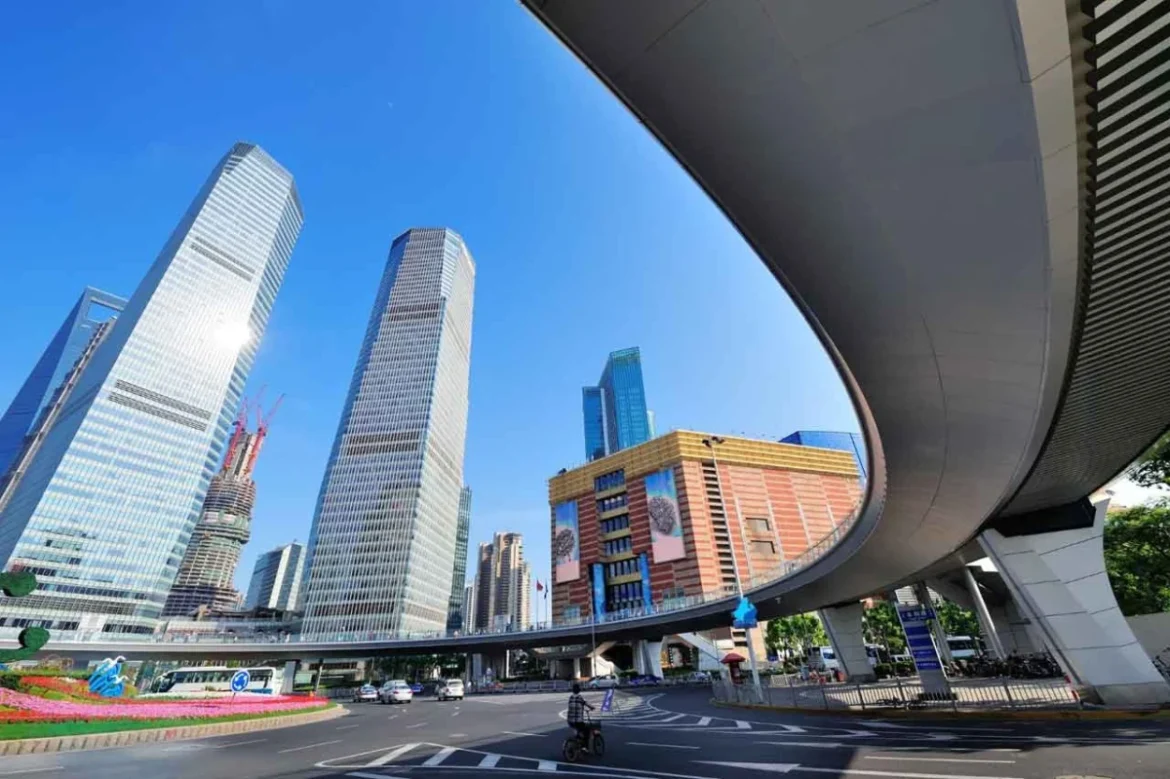
In Southeast Asia, Singapore has emerged as a primary battleground for AI-driven real estate expansion. Throughout the third quarter, prominent artificial intelligence enterprises actively secured expansive operational footprints to accommodate rapid workforce scaling. A similar trend has unfolded in mainland China; Shanghai experienced consecutive quarters of vacancy compression, fueled predominantly by demand from AI developers, intelligent hardware manufacturers, and internet technology firms.

Meanwhile, in South Korea, Seoul’s technology ecosystem continues to mature. The planned relocation of artificial intelligence pioneer Anthropic to the Centerfield complex has further cemented the Gangnam district’s status as the city’s preeminent technology and innovation hub. While many corporate occupiers across the broader market remain preoccupied with portfolio optimization and cost-cutting, AI-driven enterprises have distinctly emerged as the vanguard of expansion-led space absorption.
Supply Constraints and Strategic Trade-Offs for Corporate Occupiers
Looking ahead, market analysts project that vacancy rates across primary APAC gateway cities will remain tight. Future new supply is notably constrained in core central business districts (CBDs), creating a persistent supply-demand imbalance that continues to apply upward pressure on rental rates.

This scarcity is forcing major occupiers to rethink their long-term location strategies. A notable example is professional services giant Deloitte’s strategic relocation in Singapore, which saw the firm move away from traditional core CBD locations in response to tightening availability and evolving workplace paradigms. Such moves illustrate a growing willingness among corporate tenants to explore decentralized or fringe business districts that offer superior capacity for future growth, enhanced connectivity, and elevated experiential workplace environments.
For corporate real estate decision-makers, navigating the current market requires careful compromise. Organizations must increasingly weigh the traditional prestige and accessibility of core CBD properties against the operational flexibility, cost efficiencies, and modern infrastructure offered by emerging business hubs. As workplace strategies continue to evolve in tandem with rapid advancements in artificial intelligence and digital integration, the criteria governing office selection will remain centered on adaptability, sustainability, and long-term business productivity.