Jakarta – Results from the latest public opinion poll released by Poltracking Indonesia on Sunday, October 19, 2025, have shed light on the performance ratings of various ministers serving within the Red and White Cabinet. The comprehensive nationwide survey highlights the highest-performing officials based on public approval ratings, particularly focusing on categories measuring "extreme satisfaction," while also charting general contentment across multiple key ministries. Despite persistent rumors surrounding potential cabinet reshuffles, the data suggests that public confidence in the leadership of President Prabowo Subianto and Vice President Gibran Rakabuming Raka remains remarkably resilient.
According to the findings presented by Poltracking Indonesia researcher Masduri Amrawi during a media briefing in Jakarta, the administration continues to command strong backing from the populace. The survey demonstrates that overall trust in the Prabowo-Gibran government stands at an impressive 81.5 percent, a combined figure reflecting citizens who report being either "very confident" or "quite confident" in the current executive branch’s trajectory. This high level of public trust provides a robust political buffer for the administration as it navigates complex economic and social policies during its ongoing governance cycle.
Top-Tier Ministers in "Extreme Satisfaction" Category
The Poltracking Indonesia survey implemented a granular approach to evaluate public sentiment, notably isolating a category for respondents who expressed "very satisfied" or extremely positive views regarding specific ministerial performances. Five prominent figures within the cabinet emerged at the forefront of this category, capturing the highest percentages of unreserved public approval.
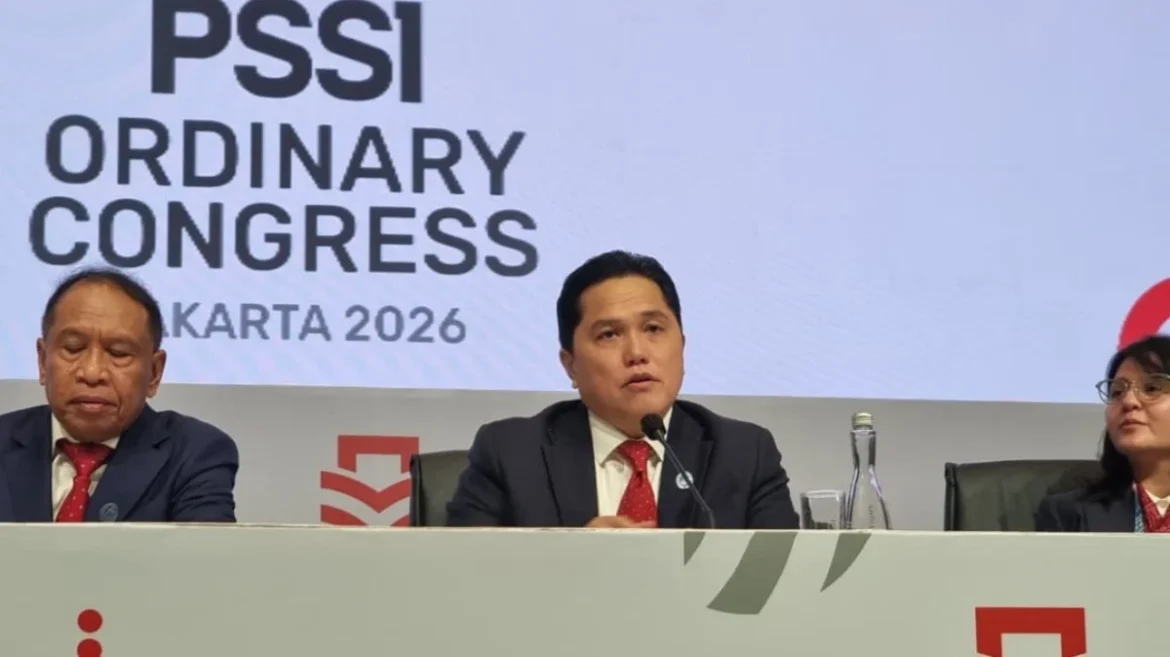
Leading the "very satisfied" cohort is Finance Minister Purbaya Yudhi Sadewa, who secured 11.0 percent of the topmost approval rating. Close behind is Minister of Religious Affairs Nasaruddin Umar, garnering 10.8 percent, followed closely by Minister of Youth and Sports Erick Thohir at 10.2 percent. Rounding out the top tier of extreme satisfaction are Cabinet Secretary Teddy Indra Wijaya, who achieved 7.1 percent, and Minister of Agriculture Andi Amran Sulaiman, who recorded 6.0 percent in this specific metric.
These figures illustrate that certain high-profile portfolios—particularly those managing state finances, religious affairs, youth engagement, and food security—resonate strongly with constituents who hold exceptionally positive views of their execution in office.
Broad Public Satisfaction Across Key Portfolios
Beyond the elite tier of extreme satisfaction, the survey cast a wider net to capture broader public approval regarding the performance of other ministers within the Red and White Cabinet. The results indicate that a majority of surveyed citizens harbor favorable views toward a substantial portion of the ministerial lineup.

Topping the broader satisfaction index is Coordinating Minister for Infrastructure and Regional Development (IPK) Agus Harimurti Yudhoyono, who captured a notable 61 percent approval rating. He is closely followed by Minister of Health Budi Gunadi Sadikin, who registered 58.3 percent, and Coordinating Minister for Food Zulkifli Hasan, who achieved 56.2 percent satisfaction.
Further down the list, Minister of Defense Sjafrie Sjamsoeddin recorded a 55.2 percent satisfaction rate, reflecting continued public confidence in national security leadership. Minister of Home Affairs Tito Karnavian followed with 52.3 percent, while newly prominent cultural and digital portfolios also made strong showings: Minister of Culture Fadli Zon garnered 51.5 percent, and Minister of Communication and Digital Affairs Meutya Hafid reached 50.7 percent.
The survey further detailed approval ratings for other vital administrative posts. Minister of State Secretariat Prasetyo Hadi achieved 50.4 percent satisfaction, closely matched by Minister of Environment Hanif Faisol at 50.3 percent and Minister of Marine Affairs and Fisheries Sakti Wahyu Trenggono at 50.2 percent.
Meanwhile, key economic and investment portfolios also maintained solid standing among the public. Coordinating Minister for Economic Affairs Airlangga Hartarto secured 48.6 percent approval, followed by Minister of Investment Rosan Roeslani at 47.7 percent and Minister of Energy and Mineral Resources (ESDM) Bahlil Lahadalia at 45.5 percent.
Methodology and Survey Demographics
To ensure scientific rigor and statistical validity, Poltracking Indonesia conducted the survey utilizing face-to-face interviews administered directly to respondents across the country. The data collection phase took place from October 3 to October 10, 2025.
The research utilized a sample size of 1,220 respondents selected through a multistage random sampling method, ensuring geographic and demographic representation across Indonesia’s diverse provinces. According to Poltracking’s technical documentation, the survey maintains a margin of error (MoE) of approximately 2.9 percent at a 95 percent confidence level. This methodological framework provides a high degree of statistical reliability, allowing political analysts and policymakers to treat the findings as an accurate reflection of contemporary public opinion.
Contextual Background: Navigating Rumors and Political Stability
The release of these polling figures arrives against the backdrop of recurrent media speculation regarding potential cabinet reshuffles. In Indonesian politics, shifting economic pressures, legislative demands, and political realignments frequently spawn rumors concerning impending structural changes within the executive branch.

However, political observers note that high public trust numbers—such as the 81.5 percent aggregate confidence rating recorded for the Prabowo-Gibran administration—serve to neutralize immediate instability. By demonstrating that broad segments of the population remain satisfied with the performance of individual ministers, the executive branch maintains significant political capital. This capital is crucial for implementing long-term structural reforms, addressing inflation and cost-of-living concerns, and sustaining policy continuity.
The strong showings of specific ministers in areas directly touching daily life—such as agriculture, health, finance, and food coordination—underline the administration’s strategic focus on tangible public goods. The prominence of figures like Finance Minister Purbaya Yudhi Sadewa and Coordinating Minister for Food Zulkifli Hasan emphasizes that public satisfaction is heavily anchored to economic stewardship and basic resource security.
Implications for Future Governance
The findings from Poltracking Indonesia offer critical implications for the trajectory of the Red and White Cabinet as it moves deeper into its governing term. First, the data provides the administration with an empirical roadmap identifying which ministries enjoy robust public backing and which sectors may require strategic adjustments or enhanced communication strategies to bolster public perception.
Second, the high aggregate trust in the presidency itself indicates that despite isolated criticisms or administrative challenges, the foundational mandate of the Prabowo-Gibran ticket remains secure. As the government continues to roll out its national development agenda, maintaining this baseline of public approval will be essential for legislative cooperation and the smooth execution of public policy.
Ultimately, the October 2025 survey underscores a resilient political climate in Indonesia. While public expectations remain high and scrutiny over ministerial performance is intense, the executive branch enters the final quarter of the year backed by a solid majority of citizen confidence, providing a stable foundation for ongoing national administration.