The investigation into the controversial death of Sutrimo, who reportedly served as the Head of Household (Karumga) for former Junior Attorney General for Special Crimes (Jampidsus) Febrie Adriansyah, is reaching a critical juncture. Law enforcement authorities in Indonesia’s capital are preparing to release the definitive findings derived from the exhumation and subsequent re-autopsy of the deceased. This development is expected to shed scientific light on the exact cause of death, addressing months of public speculation and legal maneuvering surrounding the case.
Director of General Criminal Investigations at the Polda Metro Jaya, Senior Commissioner Police Iman Imanuddin, confirmed that the release of the findings is imminent. According to Commissioner Iman, the announcement will be made following the finalization of comprehensive laboratory analyses conducted by the Indonesian National Police’s Forensic Laboratory Center (Puslabfor Polri). The rigorous scientific examination of various biological samples collected during the exhumation process is nearing completion, paving the way for an official, transparent disclosure of the facts.
Rigorous Scientific Process and Forensic Complexity
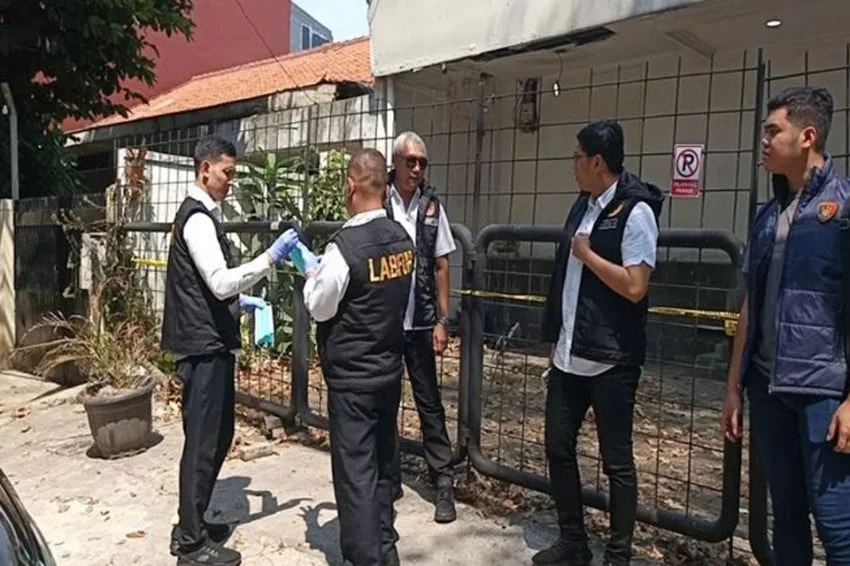
The exhumation of Sutrimo’s remains, which took place on Wednesday, August 12, 2026, was an extensive operation designed to ensure absolute accuracy and legal defensibility. The procedure required more than three hours of meticulous fieldwork, commencing at 09:30 AM and concluding at approximately 1:00 PM Western Indonesia Time (WIB). Given the sensitive nature of the case and the high-profile associations involved, the operation was executed under strict protocols and monitored by multiple independent entities.
Explaining the timeline required to produce the final forensic report, Commissioner Iman emphasized that the complexity of the examination necessitated patience and scientific precision. The extraction of numerous biological samples from the remains meant that forensic pathologists and laboratory specialists had to conduct highly specific, multi-layered tests. Every step of the procedure was subjected to peer review and methodological scrutiny to guarantee that the final conclusions are scientifically robust and capable of withstanding rigorous scrutiny in a court of law.
The multi-agency task force involved in the exhumation and forensic analysis represents a broad coalition of expertise. The operation brought together personnel from the Jakarta Metropolitan Police (Polda Metro Jaya), the Central Java Regional Police (Polda Jawa Tengah), the Indonesian Association of Forensic Doctors (PDFMI), the National Police Forensic Laboratory, and academic institutions. This collaborative approach was deliberately chosen to ensure total transparency, eliminate potential conflicts of interest, and provide an unimpeachable medical-legal assessment of the cause of death.
Chronology of the Investigation and Jurisdictional Shifts
The legal journey leading to the upcoming announcement has been characterized by significant institutional shifts and escalating investigative measures. Initially, inquiries into the circumstances surrounding Sutrimo’s death were handled at lower jurisdictional levels, with initial reports filed at the Criminal Investigation Agency (Bareskrim) of the National Police and the Banyumas Regency Police.
Recognizing the gravity of the case, the broader implications, and the necessity for a centralized, highly specialized investigation, the Polda Metro Jaya formally took over the handling of the case. Following a preliminary case review and initial fact-finding missions, law enforcement authorities elevated the status of the legal proceedings from a preliminary inquiry (penyelidikan) to a full criminal investigation (penyidikan). Despite this significant procedural milestone, law enforcement officials have maintained a cautious approach regarding culpability, confirming that no suspects have been officially named as the investigation continues to compile conclusive evidence.
The decision to escalate the case to the investigative stage underscores the commitment of the police to explore all potential leads. While the primary objective of the current phase is to establish the precise medical cause of death, investigators are simultaneously analyzing surrounding circumstances to determine whether any foul play, negligence, or external factors contributed to the fatal outcome.
Background Context and Public Significance
The intense public interest surrounding Sutrimo’s death is deeply intertwined with his professional affiliation. As the reported Head of Household (Karumga) for Febrie Adriansyah—the high-ranking former Junior Attorney General for Special Crimes who has overseen numerous high-stakes corruption prosecutions—Sutrimo’s sudden and unexplained passing immediately triggered widespread media attention and public concern.
In the realm of high-profile public administration and law enforcement in Indonesia, officials and staff associated with key anti-corruption figures frequently operate in high-pressure environments. Consequently, any unusual incidents involving individuals connected to major judicial institutions tend to attract intense scrutiny from civil society organizations, legal experts, and the general public.
Legal observers and medical experts have consistently underscored the indispensable role of the exhumation in this specific context. In various public statements, forensic and legal analysts noted that when natural causes of death are disputed or when preliminary findings are deemed insufficient by the family and legal counsel, a court-ordered exhumation remains the gold standard for uncovering the truth. Without a scientific, independent autopsy, rumors and conspiracy theories can undermine public trust in both the legal system and law enforcement agencies. By opting for a transparent, multi-institutional exhumation process, the authorities have sought to anchor the investigation firmly in empirical science rather than conjecture.
Broader Implications and Next Steps
The forthcoming announcement by Polda Metro Jaya is expected to carry significant legal, institutional, and social ramifications. From a legal standpoint, the final Puslabfor laboratory report will serve as the foundational bedrock for the next phases of the criminal investigation. If the autopsy results confirm foul play, investigators will be positioned to narrow down potential suspects and issue formal charges. Conversely, if the findings indicate death by natural causes or accidental circumstances, the report will provide closure to the legal proceedings, effectively dispelling ongoing speculations.
Institutionally, the handling of this high-profile case serves as a litmus test for the professionalism, independence, and transparency of the Indonesian National Police. By incorporating academic institutions and independent medical associations such as PDFMI into the forensic process, law enforcement has demonstrated an openness to external oversight—a crucial step in maintaining public confidence in the criminal justice system.
As Jakarta awaits the official press conference from Polda Metro Jaya, legal analysts emphasize that patience is essential to allow due process to unfold correctly. The intersection of high-stakes public service, forensic science, and criminal law in the Sutrimo investigation highlights the ongoing challenges of ensuring accountability and transparency in modern Indonesian governance. Once released, the findings will not only shape the trajectory of the ongoing legal case but will also serve as a definitive record of an event that has captivated the nation’s attention for months.