
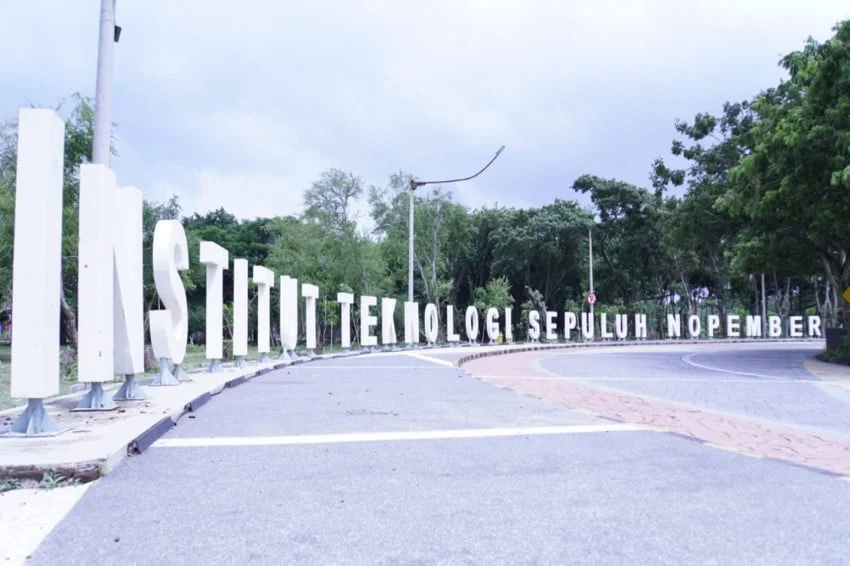
Institut Teknologi Sepuluh Nopember (ITS), one of Indonesia’s premier public technological universities, has officially announced its recruitment drive for prospective educational staff under the Functional Contract Employee (Pegawai Kontrak Fungsional or PKF) scheme for the 2026 fiscal year. This comprehensive recruitment initiative aims to bolster operational efficiency, administrative rigor, and technical support across various faculties, departments, and central working units within the university ecosystem. As higher education institutions in Indonesia face mounting pressures to elevate their global standing, research output, and administrative agility, the strategic strengthening of human capital remains a critical institutional priority.
The formal announcement, published via the integrated recruitment portal MyITS Recruitment, outlines a total of 17 distinct formations. These openings encompass a wide array of professional specializations, ranging from laboratory technicians and internal auditors to administrative specialists. By distributing these positions across diverse academic and operational units, ITS seeks to address targeted talent shortages and support its expanding suite of academic programs, advanced research facilities, and student services.
Comprehensive Breakdown of Available Formations and Faculty Placements
The newly announced formations are strategically distributed across several key academic divisions and administrative directorates within the university. This structural deployment ensures that high-demand areas—particularly those reliant on advanced laboratory infrastructure and specialized technical oversight—receive the necessary workforce to maintain safety, compliance, and academic excellence.
Among the academic divisions participating in this recruitment cycle are the Faculty of Science and Data Analytics (FSAD) and the Faculty of Intelligent Electrical and Informatics Technology (FTEIC). Both faculties serve as technological flagships for the institution, housing intensive computational facilities, engineering laboratories, and data-driven research centers that require dedicated technical personnel to manage sophisticated equipment and ensure safe, continuous operations.
Additional formations have been allocated to the Faculty of Industrial Technology and Systems Engineering (FTIRS), the Faculty of Marine Technology (FMI), and the Faculty of Civil, Planning, and Geo-Engineering (FTSPK). Given the heavy emphasis on physical infrastructure, heavy machinery, maritime testing basins, and civil engineering testing laboratories within these faculties, the demand for skilled laboratory technicians and safety compliance officers is exceptionally high.
Furthermore, openings have been established within the Faculty of Vocational Studies (FV) and the Faculty of Medicine and Health (FKed). The inclusion of the Faculty of Medicine and Health reflects the university’s ongoing expansion into medical sciences and healthcare education, a strategic development that requires specialized administrative frameworks and clinical laboratory support. Beyond the faculties, central units such as the Internal Audit Office (Kantor Audit Internal) and the Directorate of Human Resources and Organization (Direktorat Sumber Daya Manusia dan Organisasi) are seeking qualified professionals to strengthen institutional governance, compliance auditing, and internal personnel management.
Educational Qualifications and General Prerequisites
To ensure that successful candidates possess the requisite theoretical foundation and technical acumen, ITS has established rigorous educational thresholds and competency requirements. The qualifying educational backgrounds span Diploma 3 (D3), Diploma 4 (D4), and Bachelor’s (S1) degrees, aligned strictly with the specific demands of each designated formation.
For technical and laboratory-based roles, candidates must demonstrate hands-on familiarity with specialized scientific apparatus, adherence to Occupational Health and Safety (K3 – Kesehatan dan Keselamatan Kerja) standards, and, where applicable, prior practical experience in relevant industrial or academic settings. Administrative roles require robust proficiency in institutional communication, digital document management, and data processing.
In addition to technical competence, all applicants must satisfy a comprehensive set of general administrative criteria mandated by the university:
- Citizenship: Applicants must be Indonesian citizens (Warga Negara Indonesia – WNI).
- Health and Integrity: Candidates must be physically and mentally fit, and free from any history of narcotics abuse or illicit substance involvement.
- Employment Status: Applicants must not be bound by active employment contracts, civil service obligations, or scholarship bond agreements with other governmental institutions or private entities.
- Age Limits: General applicants must be at least 18 years old and no older than 35 years as of November 1, 2026. However, a stricter age ceiling applies to the Internal Auditor formation, where candidates must not exceed 30 years of age to ensure long-term institutional alignment and career progression pathways within the audit bureau.
- Academic Performance: A minimum Grade Point Average (GPA) of 3.00 on a 4.00 scale is required for general applicants. For the specialized Internal Auditor position, a higher academic standard is enforced, requiring a minimum GPA of 3.25 from an accredited higher education institution with an institutional or program accreditation rating of ‘A’.
Chronology and Recruitment Timeline
The publication of the 2026 formation vacancies marks the official commencement of the talent acquisition lifecycle at ITS. Following the initial online announcements and application submissions through the MyITS Recruitment portal, candidates will undergo a multi-tiered selection process. This rigorous evaluation methodology typically includes administrative screening, competency examinations (covering both general aptitude and technical field tests), psychological assessments, and final panel interviews conducted by university leadership and respective department heads.
Successful candidates who navigate the competitive selection process will be required to formalize their engagement with the university. Selected individuals must sign an initial formal employment contract stipulating a minimum service period of two years. According to the current administrative schedule, newly appointed personnel are projected to formally assume their duties in April 2027, or in accordance with subsequent operational adjustments determined by the university directorate.
Contextual Background: Human Capital Development in Indonesian Higher Education
The recruitment drive by ITS occurs against a broader backdrop of transformation within Indonesia’s higher education sector. Public universities operating under the legal status of State-Owned Legal Entities (Perguruan Tinggi Negeri Badan Hukum – PTN-BH) possess increased autonomy in managing their financial structures, academic programs, and human resource management. This institutional flexibility allows universities like ITS to recruit contract-based professionals—such as functional employees—to bypass rigid bureaucratic bottlenecks traditionally associated with civil servant (PNS) recruitment.
In recent years, Indonesian universities have faced heightened competition on regional and global stages. Rankings such as the QS Asia University Rankings and Times Higher Education place significant weight on faculty-to-student ratios, research output, administrative efficiency, and institutional infrastructure management. By reinforcing its educational and technical workforce, ITS aims to maintain its competitive edge as a leading engineering and technological institution in Southeast Asia. The presence of qualified laboratory technicians directly impacts the safety and accreditation status of engineering laboratories, while professional internal auditors ensure transparent financial governance and compliance with national higher education auditing standards.
Institutional Implications and Strategic Outlook
The addition of 17 targeted formations represents more than routine staff replenishment; it reflects a calculated alignment between workforce capacity and institutional strategic goals. As ITS expands its academic offerings into interdisciplinary fields—exemplified by the establishment of its medical faculty and advanced data science programs—the support systems underpinning these academic units must scale accordingly.
From an economic and operational standpoint, employing contract-based functional personnel (PKF) allows the university to maintain agility in workforce planning. It provides department heads with specialized talent capable of immediate contribution without the prolonged onboarding timelines typical of traditional bureaucratic appointments. Furthermore, the mandatory two-year minimum service commitment ensures continuity in laboratory management and administrative workflows, safeguarding institutional memory and operational stability.
As the application window progresses, university officials anticipate an influx of competitive applicants from across the nation. The stringent academic prerequisites, including the 3.00 and 3.25 GPA floors, underscore ITS’s commitment to institutional quality control. For successful candidates, securing a position within Indonesia’s premier technological institute offers a structured professional pathway, contributing directly to the advancement of national science, technology, and higher education excellence.
