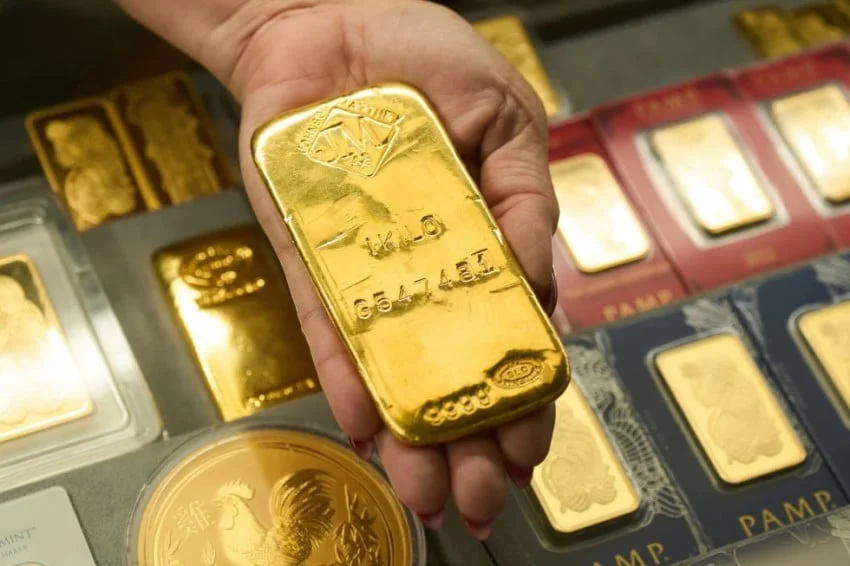
Global gold prices staged a dramatic rally on Thursday, November 5, 2026, piercing the psychologically significant threshold of USD 4,100 per ounce. This milestone marks the highest valuation for the precious metal since late October 2026, reflecting a sharp shift in market sentiment following the conclusion of the United States midterm elections. The surge, which saw prices climb nearly 3.4% in a single session on Wednesday, represents the most substantial daily gain for gold since August 19, 2026, and a remarkable recovery of more than USD 250 from the yearly lows recorded just days earlier on October 30.
The Catalyst: A Shift in Legislative Power
The primary driver of this market turbulence is the outcome of the US midterm elections, which resulted in the Democratic Party securing control over both the House of Representatives and the Senate. Investors have interpreted this legislative swing as a significant check on the fiscal agenda of the Trump administration. Market participants anticipate that a Democratic-led Congress will likely obstruct further aggressive tax cuts and expansive government spending programs that were previously anticipated to stimulate inflationary pressures.
As the political landscape shifts, financial markets have reacted with a decisive reallocation of capital. The immediate fallout included a noticeable retreat in the US Dollar Index, which fell to its lowest point since September 30, 2026. Because gold is denominated in US dollars, a weakening greenback naturally makes the commodity more affordable for holders of foreign currencies, thereby driving up demand. Simultaneously, the yield on long-term US Treasury bonds has declined, reducing the opportunity cost of holding non-yielding assets like gold.
Chronology of the Rally
The current market environment for gold has been characterized by extreme volatility over the past two weeks. To understand the gravity of the recent surge, one must examine the timeline of events leading up to the November 5 milestone:
- October 30, 2026: Gold prices touched a yearly low as investors favored risk-on assets, anticipating a different outcome in the midterm elections.
- November 2-3, 2026: As early exit polls and vote counts began to suggest a potential Democratic sweep, market sentiment began to pivot. Institutional investors started hedging against policy gridlock.
- November 4, 2026: The confirmation of a Democratic-controlled Congress triggered a massive market reaction. Gold prices jumped 3.4% in a single day, signaling a flight to safety.
- November 5, 2026: Momentum carried through to the next session, pushing the price decisively past the USD 4,100 per ounce barrier, a level that many analysts had previously deemed unlikely for the remainder of the fiscal year.
Expert Analysis and Institutional Perspectives
Ole Hansen, Head of Commodity Strategy at Saxo Bank, highlighted the fundamental change in investor behavior. "Logam mulia—precious metals—have emerged as the definitive winners in the aftermath of the US elections," Hansen noted. According to Hansen, the rally is not merely a reflexive reaction to political headlines but a structural realignment of portfolios. "We are seeing a convergence of factors: declining energy prices, a dissipation of immediate inflation fears, and a recalibration of interest rate expectations. These elements have created a ‘perfect storm’ that has forced many short-sellers to cover their positions, further fueling the upward momentum."
Analysts at ANZ Bank have echoed these sentiments, pointing to the correlation between legislative gridlock and the decline in long-term bond yields. By limiting the administration’s ability to engage in deficit-financed stimulus, the market perceives a lower probability of an inflationary overheating of the economy. For gold, which serves as a traditional hedge against economic uncertainty, this scenario is ideal.
Broader Implications for the Global Economy
The surge in gold prices does not occur in a vacuum; it has profound implications for central banks and global monetary policy. As reported recently, central banks worldwide have been aggressive in their accumulation of gold, purchasing 321 tons in the preceding months—a record high in the last two years. This trend suggests that even before the midterm elections, monetary authorities were preparing for a period of geopolitical and economic instability.
The rise in gold prices acts as a barometer for global anxiety. When investors flock to gold, it is often an indicator that they are losing confidence in the ability of traditional fiat currencies or government debt to preserve value. The fact that this rally occurred in the context of a potential shift in US fiscal policy underscores the central role that Washington’s internal politics play in the global financial ecosystem.
Furthermore, the "short squeeze" mentioned by market analysts is a critical component of this rally. Many institutional investors had been betting against gold, anticipating that higher interest rates would render it unattractive. The sudden reversal in the trajectory of Treasury yields left these traders vulnerable, forcing them to purchase gold at rising prices to close out their short positions. This mechanical effect has served as an accelerant, pushing prices higher than they might have reached on fundamental demand alone.
Looking Ahead: Sustainability of the Trend
The question now facing traders and policymakers is whether the USD 4,100 per ounce level is sustainable or merely a temporary peak. Several factors will determine the longevity of this bull run:
- Federal Reserve Policy: While the focus is currently on the midterm elections, the Federal Reserve’s upcoming interest rate decisions remain the ultimate arbiter of gold’s value. If the Fed maintains a dovish stance, the path of least resistance for gold remains upward.
- Fiscal Gridlock: Should the new Congress lead to a prolonged government shutdown or an inability to pass critical budgetary legislation, the resulting uncertainty could provide further support for gold prices.
- Inflationary Data: While current inflation concerns have eased, any resurgence in energy costs or supply chain bottlenecks could reignite interest in gold as a traditional inflation hedge.
The decline in the US Dollar Index is perhaps the most critical technical indicator to monitor. A sustained period of dollar weakness could provide the foundation for gold to test even higher resistance levels. Conversely, if the US economy proves resilient despite the legislative gridlock, the dollar may recover, potentially putting downward pressure on the precious metal.
Conclusion
The breach of the USD 4,100 per ounce level serves as a reminder of the market’s sensitivity to shifts in political power. For the investor, the current environment necessitates a cautious approach. While the momentum is clearly in favor of the bulls, the volatility observed over the last week suggests that the market remains in a state of flux.
The gold market’s response to the midterm elections highlights a broader narrative: that the era of unfettered fiscal expansion in the United States may be facing a period of legislative constraint. Whether this transition will lead to a more stable economic environment or further political volatility remains to be seen. For now, gold stands as the primary asset through which the market is expressing its uncertainty, confirming its enduring status as the ultimate store of value in times of political and economic transition.
As the financial world digests the implications of the midterm results, central banks, institutional investors, and retail traders alike will be watching the price of gold as the primary indicator of the market’s confidence in the future direction of the United States economy. With 321 tons of gold added to central bank reserves recently, the trend of institutional accumulation suggests that smart money is already positioning itself for a long-term hedge against the ongoing fluctuations in the global financial system. The coming weeks will likely see continued high volume in gold trading as the market seeks to establish a new equilibrium in the post-election landscape.