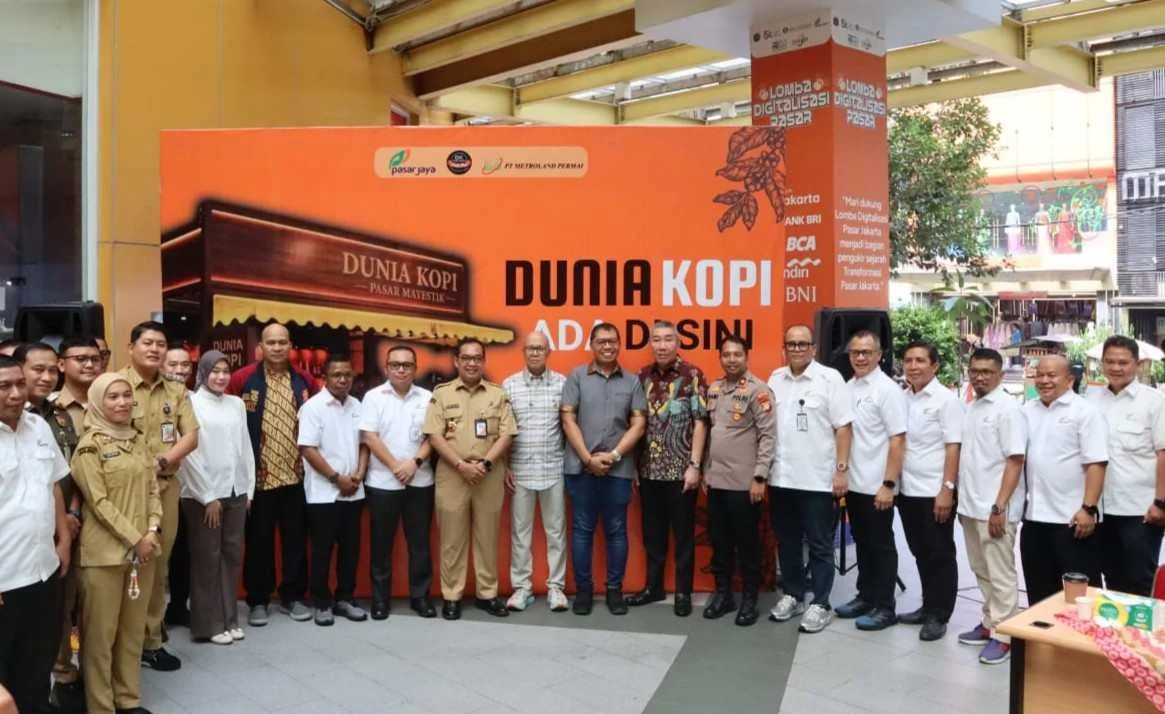
Perumda Pasar Jaya, the state-owned enterprise managing traditional markets in Indonesia’s capital, is aggressively accelerating its strategic modernization blueprint to reposition traditional markets from mere transaction hubs into vibrant, multi-generational community spaces. This progressive transformation underscores a broader urban management trend across Jakarta, shifting away from aging, purely transactional layouts toward dynamic lifestyle ecosystems. The latest milestone in this ongoing revitalization campaign is the grand opening of the popular "Dunia Kopi" specialty beverage outlet at the historic Pasar Mayestik in South Jakarta, a strategic expansion modeled after its wildly successful counterpart in Pasar Santa.

Urban planning experts and municipal analysts note that this shift is critical for the survival of traditional marketplaces in contemporary Southeast Asian megacities. As modern hypermarkets, e-commerce platforms, and upscale lifestyle malls aggressively capture younger consumer demographics, traditional markets face the existential threat of declining foot traffic among millennials and Generation Z. By weaving lifestyle-oriented commercial tenants—such as artisanal coffee shops, creative community hubs, and curated culinary spots—into the traditional retail fabric, Perumda Pasar Jaya is systematically dismantling the outdated perception that public markets are dingy, disorganized, and strictly utilitarian.
Strategic Expansion and the Evolution of Pasar Mayestik
The introduction of Dunia Kopi to Pasar Mayestik is far more than a simple leasing agreement; it is a calculated masterstroke designed to cross-pollinate customer bases. Pasar Mayestik has long held a legendary status in South Jakarta as a premier textile, tailoring, and household goods destination, drawing steady streams of loyal shoppers for decades. However, integrating a celebrated specialty coffee institution introduces a fresh demographic of younger, lifestyle-conscious consumers who view shopping as an experiential leisure activity rather than a mere household chore.

According to Raja Malem Tarigan, Director of Properties and Markets at Perumda Pasar Jaya, the core objective of modernizing Jakarta’s public markets extends well beyond physical structural revamps, such as improved ventilation, cleaner sanitation facilities, and organized zoning. The physical infrastructure is merely the canvas; the true value lies in engineering a diverse, multi-generational attraction matrix.
"Market development today cannot focus solely on providing physical infrastructure; it must also create compelling attractions capable of reaching visitors across all generations," Tarigan stated in an official release. He emphasized that the management wants citizens from diverse age groups to find compelling, multifaceted reasons to visit public markets regularly. The presence of Dunia Kopi at Pasar Mayestik is envisioned to catalyze a synergy where shoppers can effortlessly transition from purchasing daily kitchen necessities to savoring specialty brews and exploring surrounding retail tenants.

Furthermore, Pasar Jaya’s active encouragement of creative local brands to establish footprints within traditional markets validates a shifting economic paradigm. It demonstrates conclusively that public markets can successfully transform into modern, high-quality, and highly desirable interaction spaces capable of competing directly with private commercial developments. Tarigan, who also serves as the Deputy Secretary General of the central board of the Indonesian Real Estate Association (REI), reiterated Perumda Pasar Jaya’s unwavering commitment to steering Jakarta’s markets toward becoming dynamic engines of local commerce and vibrant community life.
Tracing the Journey of Dunia Kopi: From Pasar Santa to Mayestik
To understand the cultural weight of Dunia Kopi’s expansion into Pasar Mayestik, one must examine its humble yet influential origins. Founded in 2000, Dunia Kopi first established its roots inside Pasar Santa, an iconic traditional market in South Jakarta that underwent its own famous cultural renaissance a decade ago. Long before artisanal coffee culture became a ubiquitous urban staple, Dunia Kopi carved out a stellar reputation as an absolute haven for both domestic and international coffee aficionados.

Over more than two decades of operation, the brand meticulously built its credibility by bridging the gap between remote Indonesian coffee farmers and urban consumers. Its expansion to Pasar Mayestik carries forward this exact founding ethos: providing uncompromising access to premium single-origin beans and finely crafted blends harvested directly from Indonesia’s most celebrated coffee-producing regions. Customers visiting the new Mayestik branch can expect access to a curated catalog featuring beans from Aceh Gayo, Toraja, North Sumatra’s Mandheling, Bali Kintamani, and the highlands of Papua.
Suradi, the founder and owner of Dunia Kopi, expressed deep gratitude for the successful realization of this long-awaited expansion. Reflecting on his decades-long journey inside the walls of Pasar Santa, Suradi noted that his primary motivation has always been to make high-quality Nusantara coffee accessible, educational, and approachable for everyone, regardless of their socioeconomic background or level of coffee expertise.

"After securing a special place in the hearts of our customers at Pasar Santa, the opening of Dunia Kopi at Pasar Mayestik marks a brand-new chapter to reach out to significantly more coffee lovers, local cafe business operators, and everyday visitors throughout South Jakarta," Suradi remarked.
Importantly, despite moving into a more prominent and historically prestigious retail center, Dunia Kopi has explicitly chosen to preserve its hallmark consumer-centric service model. Beyond retailing roasted beans and finely ground coffee at accessible, consumer-friendly price points, the new outlet continues to offer personalized services that large corporate coffee chains rarely match. These include free professional roast-profile consultations, custom grind-size adjustments tailored precisely to a customer’s specific home-brewing apparatus—whether French press, V60, espresso machine, or Moka pot—and dedicated tasting facilities designed to educate and delight patrons.

Broader Implications for Urban Retail and the Traditional Market Economy
The collaborative synergy between Perumda Pasar Jaya and independent local operators like Dunia Kopi offers vital insights into the future of urban retail management in Indonesia. As municipal authorities grapple with the economic pressures of urban gentrification and shifting consumer habits, traditional markets often risk being sidelined or completely demolished to make way for modern luxury apartments and exclusive shopping malls.
However, initiatives like the revitalization of Pasar Santa and Pasar Mayestik prove that traditional markets can retain their social equity and economic relevance without losing their historical identity. By lowering entry barriers for creative micro, small, and medium enterprises (MSMEs), market operators inject fresh liquidity and foot traffic into public trading spaces. This strategy directly benefits legacy vendors—such as vegetable sellers, butchers, and textile merchants—who suddenly find themselves exposed to a younger, high-spending demographic that historically avoided traditional markets.

From an economic analysis perspective, transforming public markets into multi-functional social hubs yields a triple dividend. First, it safeguards the livelihoods of thousands of traditional traders whose businesses form the backbone of the grassroots economy. Second, it optimizes municipal assets, turning underutilized public spaces into high-yield commercial and social zones. Third, it preserves the cultural heritage of Indonesian market life, ensuring that communal spaces remain accessible across diverse social strata rather than becoming exclusive enclaves for the affluent.
As Perumda Pasar Jaya continues to roll out its modernization agenda across other regional markets in Jakarta, the blueprint established at Pasar Santa and expanded into Pasar Mayestik will likely serve as the benchmark. Balancing infrastructural upgrades with forward-thinking tenant curation ensures that Jakarta’s traditional markets will not merely survive the twenty-first century, but genuinely thrive as the beating heart of urban community life.