JAKARTA — The implementation of Indonesia’s flagship Free Nutritious Meal (Makan Bergizi Gratis, or MBG) program has entered a critical juncture, prompting high-level legislative intervention following a series of alarming food safety incidents. Ahmad Sahroni, Vice Chairman of Commission III of the House of Representatives (DPR), overseeing legal, human rights, and security affairs, has formally called upon the Indonesian National Police (Polri) to adopt a more proactive posture in monitoring and safeguarding the nationwide distribution of meals.
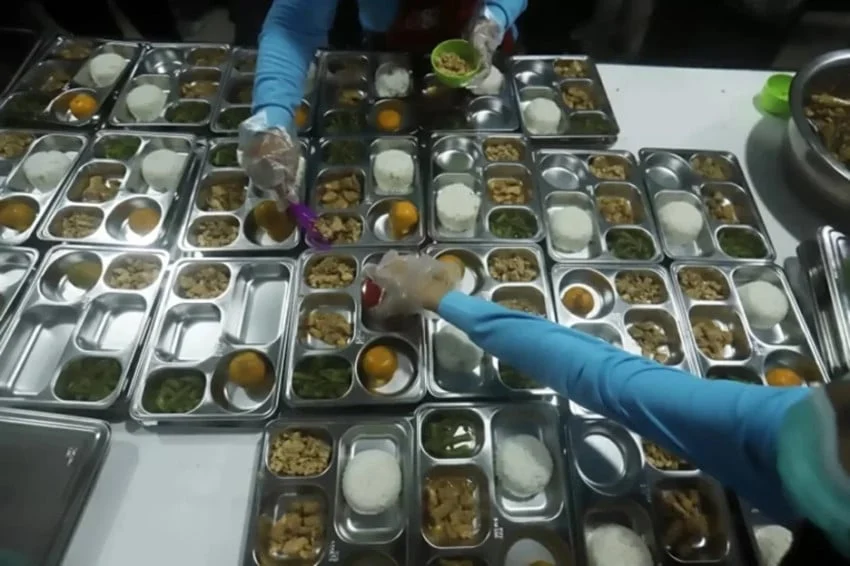
This urgent directive follows a string of distressing reports from various regions across the archipelago, documenting severe food poisoning outbreaks among student beneficiaries and the unsettling discovery of foreign, unhygienic objects—including centipedes—embedded within the food packages. These compounding incidents have triggered intense public scrutiny, raising profound questions regarding quality control, supply chain integrity, and the potential existence of malicious sabotage aimed at undermining one of the administration’s signature social welfare initiatives.
The mounting pressure on law enforcement coincides with strategic adjustments made by the National Nutrition Agency (Badan Gizi Nasional, or BGN), which recently announced sweeping logistical overhauls, including the exclusion of thousands of schools from the initial rollout to redirect resources toward Indonesia’s underdeveloped 3T regions (frontier, outermost, and disadvantaged areas). As stakeholders grapple with these operational shifts, the imperative to guarantee the safety, nutritional value, and security of millions of daily meals has transformed the MBG initiative from a routine administrative rollout into a complex national security and public health priority.
Escalating Food Safety Crises Across Regions
The trajectory of the MBG program has been overshadowed in recent weeks by a surge of adverse health incidents involving school-aged children. What began as isolated complaints of unpalatable meals or minor stomach discomfort has escalated into widespread food poisoning clusters, requiring emergency medical interventions and, in severe cases, hospitalizations.
Public anxiety reached a zenith following reports from multiple regional distribution centers where students uncovered hazardous and unsanitary foreign objects in their designated lunch boxes. The physical presence of pests, such as centipedes, within meals prepared for consumption by minors has exposed severe vulnerabilities in kitchen hygiene, ingredient sourcing, and packaging protocols overseen by local vendors and catering partners.
Health authorities and epidemiological experts have noted that the sheer scale of the operation—aiming to feed millions of school children simultaneously—creates immense logistical pressure points. However, the severity of the recent outbreaks has transcended standard operational errors, fueling public speculation regarding systemic negligence or deliberate contamination. While concrete proof remains under investigation, the compounding nature of these incidents has compelled lawmakers to demand direct oversight from the state’s primary security apparatus.
Legislative Intervention and the Call for Police Action
Addressing the gravity of the situation, DPR Commission III Vice Chairman Ahmad Sahroni emphasized that law enforcement agencies can no longer afford a passive or reactive stance toward the implementation of the MBG program. Speaking in Jakarta, Sahroni asserted that the National Police bears a profound institutional responsibility to ensure the security of state-backed welfare distributions, particularly when public health and the safety of minors are directly compromised.
"Police have a tremendous responsibility in safeguarding the MBG program," Sahroni stated. "The frequency of these MBG poisoning incidents, which are becoming increasingly severe—reaching the point where centipedes are found, and where poisonings have tragically become fatal—demonstrates that deeper, more rigorous oversight of the field processes is urgently required."
Sahroni’s remarks underscore a growing consensus within the legislature that administrative sanctions alone are insufficient to address the crisis. By framing the food contamination incidents as matters requiring police intervention, the parliamentary leadership has signaled that any entity found culpable of gross negligence, substandard practices, or intentional disruption will face rigorous criminal investigation.
The Potential Spectrum of Sabotage and Official Stance
The hypothesis of intentional sabotage has added a complex dimension to the unfolding crisis. Given the massive political, social, and economic stakes surrounding the MBG program—which serves as a cornerstone of the national human capital development strategy—government officials have acknowledged the theoretical possibility that external actors or disgruntled competitors within the supply chain might seek to derail the initiative through deliberate contamination.
Previously, BGN Head Sudaryono addressed these vulnerabilities, confirming that the agency would not hesitate to hand over investigations directly to the police if verifiable indicators of sabotage emerge during the handling of supply chain discrepancies or food safety failures. The convergence of BGN’s administrative readiness to involve law enforcement and Sahroni’s legislative directive establishes a unified front between executive administrators and parliamentary overseers, signaling zero tolerance for disruptions that jeopardize public trust.
However, security analysts and legal experts caution that distinguishing between accidental contamination—arising from poor refrigeration, improper food handling, or rushed mass-production—and deliberate sabotage requires forensic precision. Investigators must parse through extensive supply chains involving local farmers, independent caterers, central kitchens, and last-mile delivery couriers to isolate the point of failure in each reported incident.
Operational Adjustments and Realignment to 3T Regions
Compounding the operational challenges of food safety management, the National Nutrition Agency has concurrently undertaken significant structural recalibrations of the program’s coverage map. In an effort to optimize resource allocation and maximize targeted impact, BGN recently decided to remove thousands of urban and semi-urban schools from the immediate distribution registry.
Instead, the operational focus is being intentionally redirected toward Indonesia’s 3T regions—defined as lagging, frontier, and outermost territories where nutritional deficits and developmental stunting present more acute public health challenges. This strategic pivot aims to ensure that state resources reach the most vulnerable demographic cohorts who rely heavily on government nutritional intervention for baseline health development.
Nevertheless, transitioning logistics to remote and geographically challenging regions introduces an entirely new set of supply chain hurdles. Maintaining cold chains, ensuring rapid transit times for perishable goods, and vetting reliable local suppliers in isolated areas demand robust logistical frameworks. Consequently, the simultaneous pursuit of nationwide expansion, regional realignment, and heightened quality control has placed unprecedented stress on the administrative machinery managing the MBG framework.
Implications for Public Trust and Institutional Accountability
The convergence of food safety scandals, legislative scrutiny, and strategic programmatic realignments carries profound implications for the credibility of the administration’s social welfare agenda. The MBG initiative was conceived not merely as a feeding program, but as a transformative investment in Indonesia’s future labor force, designed to enhance cognitive development, combat stunting, and alleviate household economic burdens.
When systemic failures manifest as pediatric hospitalizations and public health hazards, the societal cost extends far beyond the immediate medical emergencies; it erodes public confidence in state-managed welfare delivery. The active involvement of the National Police, as urged by parliamentary leadership, represents an institutional effort to restore accountability and deter substandard practices through the credible threat of penal consequences.
Moving forward, the success of the MBG program will hinge on the establishment of transparent, multi-layered oversight mechanisms. This requires not only immediate police investigations into past contamination events and potential sabotage but also the institutionalization of permanent, stringent food safety protocols across all participating kitchens. As the National Nutrition Agency refines its geographic priorities and law enforcement steps up its monitoring role, the overarching objective remains clear: safeguarding the health and well-being of millions of Indonesian children who depend on the state’s promise of safe, nutritious daily sustenance.