
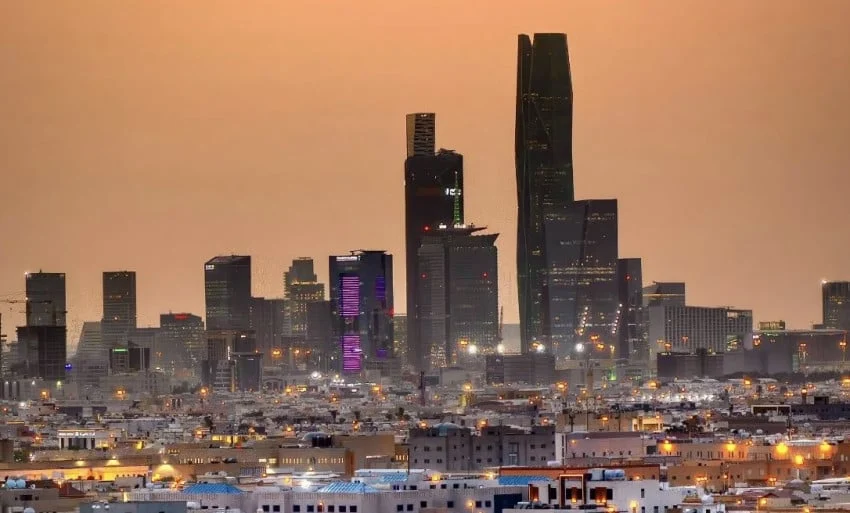
The geopolitical landscape of the Arabian Peninsula experienced a sharp deterioration this weekend as Houthi militants launched a sophisticated and multi-pronged offensive targeting sensitive infrastructure deep within Saudi Arabian territory. The strikes, which involved a combination of ballistic missiles and explosive-laden unmanned aerial vehicles (UAVs), hit several locations including the capital city of Riyadh and the industrial hub of Yanbu. This latest provocation signals a renewed intensity in the long-standing conflict between the Houthi movement—formally known as Ansar Allah—and the Saudi-led coalition that has been engaged in the Yemeni civil war for nearly a decade.
Chronology of the Weekend Escalation
The assault began in the early hours of Saturday, catching the regional security apparatus in a state of high alert. Reports from Riyadh indicated that residents witnessed large plumes of black smoke and audible explosions near the King Khalid International Airport. The visual evidence of the strikes, which quickly circulated on social media platforms, was corroborated by the immediate disruption of civilian aviation. Multiple flights scheduled for arrival or departure from the capital’s primary airport were subjected to indefinite delays and cancellations, as Saudi air defense systems were activated to neutralize incoming threats.
Military spokesman for the Houthi forces, Yahya Saree, claimed responsibility for the operation shortly after the incidents. According to Saree, the strikes were intended to target critical infrastructure, specifically focusing on facilities owned by Saudi Aramco, the state-run oil giant. The Yanbu refinery, located on the Red Sea coast, was identified as a primary target in this coordinated offensive. Saree characterized the operation as a "legitimate defensive response" to what he described as intensified aerial bombardment by the Saudi-led coalition against various locations in Yemen in the preceding weeks.
Saudi military officials confirmed the interception of a ballistic missile trajectory heading toward Riyadh, as well as the destruction of several explosive drones targeting industrial sites. While the Saudi authorities have maintained a stance of operational success, the sheer reach of the Houthi weaponry—spanning from the Red Sea coast to the central plateau of Riyadh—highlights an evolving capability in the militant group’s arsenal.
Contextualizing the Yemeni Civil War
To understand the gravity of these attacks, one must consider the historical trajectory of the conflict. The war in Yemen, which began in earnest in 2015, saw a coalition of nations led by Saudi Arabia intervene to restore the internationally recognized government of President Abd-Rabbu Mansour Hadi after Houthi rebels seized control of the capital, Sana’a.
The conflict has since devolved into one of the world’s most severe humanitarian crises. The United Nations has repeatedly categorized the situation as a proxy war, with the Saudi-led coalition accusing the Houthi movement of receiving military, financial, and logistical support from Iran. Conversely, the Houthis frame their resistance as a struggle against foreign aggression and a blockade that has crippled the Yemeni economy and obstructed the flow of essential goods to the civilian population.
The current escalation is not an isolated event but rather a manifestation of the cyclical nature of the violence. Historically, Houthi strikes against the Kingdom have been used as leverage during diplomatic deadlocks or as retaliatory measures following major coalition operations in Yemen. By targeting Saudi Arabia’s economic lifeline—its oil production facilities—the Houthis are signaling their capacity to disrupt global energy markets, a move that carries significant weight on the international stage.
Technical Assessment of Houthi Capabilities
Analysts observing the development of the Houthi arsenal note a marked shift in sophistication. In the early years of the conflict, the group relied primarily on crude, improvised weaponry. However, intelligence reports from various international security agencies suggest that the Houthis have successfully acquired or domestically produced long-range ballistic missiles, such as the Quds series and the Burkan-2H.
The use of loitering munitions, commonly referred to as "kamikaze drones," has become a hallmark of Houthi tactics. These systems are difficult to detect via traditional radar and are highly mobile, allowing operators to launch strikes from varied geographic locations within Yemen. The ability to strike Yanbu—a site hundreds of kilometers from the border—demonstrates an operational reach that places most of Saudi Arabia’s critical energy infrastructure within the potential range of Houthi fire.
Data from the Saudi Ministry of Energy and international oil monitors suggests that while these attacks rarely result in total operational failure, they do exert upward pressure on insurance premiums for shipping in the Red Sea and cause temporary fluctuations in global crude oil prices. The strategic vulnerability of Saudi Aramco’s facilities remains a primary concern for international markets, given that a successful strike on a major processing plant could temporarily reduce global supply and trigger economic volatility.
Official Responses and Diplomatic Fallout
The international community has reacted with cautious concern. While the United Nations continues to push for a comprehensive ceasefire and a return to the negotiating table, the latest wave of attacks has cast a shadow over ongoing behind-the-scenes diplomatic efforts.
The Saudi-led coalition has reiterated its commitment to defending the Kingdom’s borders and protecting its citizens from what it describes as "hostile acts by a terrorist militia." Saudi officials have consistently appealed to the international community to take a stronger stance against the transfer of weapons to the Houthis, citing violations of UN arms embargoes.
Conversely, the Houthis have remained defiant, stating that they will continue to escalate their military operations until the coalition lifts its blockade on the port of Hodeidah and halts its aerial campaigns over Yemen. This impasse leaves little room for immediate de-escalation, as both sides appear locked in a retaliatory cycle that favors military posturing over diplomatic compromise.
Analysis: Broader Implications for the Region
The implications of this weekend’s strikes extend far beyond the immediate damage to infrastructure. First, the incident underscores the persistent threat posed by non-state actors operating with advanced military technologies. The "democratization" of precision-strike capabilities—once the exclusive domain of state militaries—has fundamentally changed the calculus of regional security.
Second, the attacks serve as a reminder of the fragility of the energy sector. As the world navigates a precarious transition toward renewable energy, the dependence on concentrated oil processing hubs remains a strategic vulnerability. Investors and global powers are closely watching the security situation in the Red Sea corridor, as any sustained disruption could have cascading effects on global inflation and energy security.
Finally, the humanitarian dimension remains the most tragic aspect of this conflict. For every strike launched against Saudi facilities, the corresponding retaliatory measures in Yemen often exacerbate the suffering of the local population. With the infrastructure for aid delivery already strained, any further escalation threatens to push Yemen closer to total collapse, further complicating the prospects for a lasting peace.
Conclusion: The Path Forward
The situation remains fluid, with security forces on both sides of the border maintaining high alert levels. Analysts suggest that unless there is a fundamental shift in the willingness of both the Saudi-led coalition and the Houthi leadership to engage in substantive, unconditional negotiations, the risk of further strikes remains high.
The international community, particularly major powers with influence in the region, faces a difficult challenge. Balancing the need for regional stability with the complexities of the internal Yemeni power struggle requires a nuanced approach that addresses both the security concerns of the Kingdom and the humanitarian grievances of the Yemeni people. As the smoke clears over Riyadh and Yanbu, the events of the weekend stand as a stark testament to the ongoing volatility in a region where the pursuit of peace remains as elusive as ever. The focus for the coming days will be on whether international mediators can capitalize on the current tension to force a pause in hostilities, or if the region is destined to descend further into a protracted conflict with global repercussions.


