
Rabu, 22 Juli 2026 – 17:18 WIB
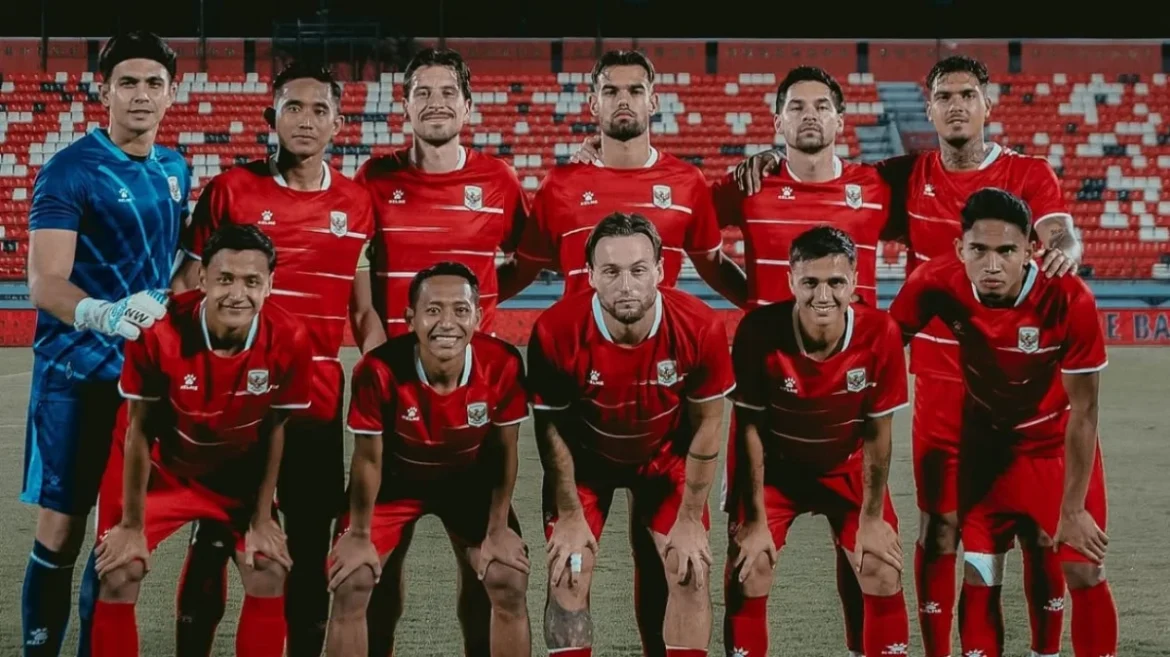
The Indonesian national football team, affectionately known as the Garuda, has garnered significant pre-tournament attention ahead of the highly anticipated AFF Cup 2026. In a surprising turn of events, a prominent Vietnamese media outlet, The Thao 247, has boldly declared Indonesia as the overwhelming favorite to lift the coveted trophy. This acknowledgment from a regional rival underscores the perceived meteoric rise of Indonesian football in recent years, a development that has not gone unnoticed across Southeast Asia.
The Thao 247’s assessment highlights a dramatic shift in the regional footballing landscape. For decades, the AFF Cup, formerly known as the Tiger Cup, has been dominated by traditional powerhouses like Thailand and Singapore, with Vietnam also emerging as a consistent threat. However, the publication’s analysis suggests that Indonesia, through a strategic and sustained investment in its footballing infrastructure and talent development, has now positioned itself at the forefront of the region’s aspirations.
The AFF Cup 2026: A Deep Dive into the Tournament and Indonesia’s Group Stage Draw
The 2026 edition of the AFF Cup is scheduled to commence on July 24th and conclude on August 29th, 2026. The tournament will feature the ten national teams from the ASEAN Football Federation (AFF) member nations. This continental championship represents the pinnacle of Southeast Asian football, offering national pride and a significant platform for regional players to showcase their talents on an international stage.
Indonesia has been drawn into Group A, a formidable quartet that also includes perennial rivals Vietnam, along with Singapore and Timor Leste. The group promises intense competition, as only the top two teams from each group will secure passage to the semi-finals, setting the stage for a fiercely contested battle for supremacy. The proximity of these matches, often played in sweltering tropical conditions, adds another layer of challenge and demands exceptional physical conditioning from the participating squads.
Squad Strengths and the Impact of European-Based Players
Despite the absence of several key players who ply their trade in European leagues, such as Jay Idzes, Calvin Verdonk, Joey Pelupessy, and Emil Audero, The Thao 247 maintains that the Indonesian squad remains a formidable force. The publication specifically points to the continued presence of a core group of talented players who are expected to carry the team’s ambitions.
This roster of established stars includes the likes of Sandy Walsh, Jordi Amat, Shayne Pattynama, Thom Haye, Ragnar Oratmangoen, Marselino Ferdinan, Marc Klok, and Egy Maulana Vikri. These players, a blend of seasoned veterans and emerging talents, are recognized for their technical prowess, tactical understanding, and ability to perform under pressure. Their collective experience, honed both domestically and internationally, forms the bedrock of Indonesia’s perceived strength.
The "Golden Generation" and Strategic Naturalization
The Thao 247’s endorsement of Indonesia as the frontrunner is not merely based on the current squad’s composition but also on a broader assessment of the nation’s footballing development strategy. The media outlet specifically lauds the "massive investment" in recent years and the "high commitment" demonstrated by the Football Association of Indonesia (PSSI). This strategic approach has seemingly paid dividends, fostering a more competitive domestic league and a robust player pipeline.
A significant aspect of Indonesia’s resurgence, as highlighted by the Vietnamese media, is the effective implementation of naturalization policies. The article points out that many of these naturalized players are now active participants in the Indonesian Super League. This development is seen as a strategic advantage, allowing head coach John Herdman greater accessibility and oversight. Unlike players based abroad, those playing domestically are more readily available for training camps, team-building exercises, and tactical preparations, facilitating a more cohesive unit.
The Thao 247 notes that while the AFF Cup does not fall within the FIFA international calendar, which can complicate the release of European-based players, Indonesia’s reliance on a strong domestic core, augmented by accessible naturalized talent, mitigates this challenge. The publication emphasizes that this accessibility allows the coaching staff to more effectively build chemistry, monitor player form, and refine strategies in the lead-up to the tournament.
Furthermore, the Vietnamese media’s commentary suggests that Indonesia is currently experiencing what could be considered one of the strongest generations of players in its national football history. This assertion is particularly striking, given the historical context of Indonesian football, which has, at times, struggled to consistently compete at the highest levels of Asian football.
Historical Context and Previous AFF Cup Performances
The AFF Cup has been a proving ground for Southeast Asian nations since its inception in 1996. Indonesia has been a consistent participant and has reached the final on multiple occasions – in 2000, 2002, 2004, 2010, and 2016. However, the ultimate prize, the championship title, has eluded them. Their runner-up finishes represent a testament to their perennial competitiveness but also highlight the persistent hurdle they have faced in crossing the final finish line.
Vietnam, on the other hand, has enjoyed more success, clinching the title twice, in 2008 and 2018. Thailand remains the most decorated nation in the tournament’s history, with six titles to their name. These historical statistics provide a crucial backdrop to The Thao 247’s assessment. Their declaration that Indonesia is now considered the "strongest candidate" signifies a potential dethroning of the established order, a narrative that is sure to generate excitement and anticipation.
Analysis of Implications: A Shifting Power Dynamic?
The Thao 247’s pronouncements carry significant weight, not only because they come from a Vietnamese perspective but also due to the publication’s established reputation within the region’s footballing discourse. This acknowledgment from a rival suggests a growing consensus among football analysts and observers that Indonesia’s footballing project is on an upward trajectory.
The implications of this elevated status are multifaceted. For Indonesia, it signifies a heightened expectation and a potential burden of proof. The Garuda will be expected to perform at a level that justifies this pre-tournament favoritism. For their rivals, including Vietnam and Thailand, it suggests a need to reassess their own preparations and strategies. The prospect of facing an Indonesian side perceived as the strongest in years will undoubtedly spur them to raise their game.
The emphasis on domestic-based naturalized players also raises interesting questions about player development and national team synergy. While naturalization can undoubtedly bolster a squad’s quality, the long-term sustainability of such a strategy and its impact on grassroots development within Indonesia will be a subject of continued interest. However, in the short term, for the AFF Cup 2026, it appears to be a highly effective tactic.
Coach John Herdman’s Role and Tactical Considerations
The presence of John Herdman at the helm of the Indonesian national team is another factor contributing to the optimism. Herdman, a highly respected coach with a proven track record, particularly his success with the New Zealand women’s national team and the Canadian men’s national team, brings a wealth of international experience. His ability to instill discipline, foster team spirit, and implement effective tactical systems will be crucial in harnessing the potential of this talented Indonesian squad.
The AFF Cup, with its compressed schedule and often unpredictable nature, demands adaptability and tactical flexibility. Herdman’s experience in navigating such tournaments, coupled with his understanding of the strengths and weaknesses of Southeast Asian football, positions him well to guide Indonesia through the challenges ahead. The reported ease of monitoring domestic players will allow him to fine-tune his tactical approaches, ensuring the team is well-prepared for each opponent.
Looking Ahead: The Road to the AFF Cup 2026 Final
As the AFF Cup 2026 draws nearer, the spotlight on the Indonesian national team will only intensify. The validation from The Thao 247 serves as a powerful statement of intent and a clear indication of the respect Indonesia has earned on the regional stage. While the ultimate outcome remains to be seen, the current sentiment suggests that the Garuda are not just participants but genuine contenders, poised to challenge for a title that has long eluded them. The narrative of this tournament is already being shaped by the rise of Indonesian football, and the world will be watching to see if they can translate this promise into tangible success. The journey from contender to champion is fraught with challenges, but the confidence emanating from both within and outside Indonesia suggests that the 2026 AFF Cup could indeed be a historic one for the archipelago nation.
