
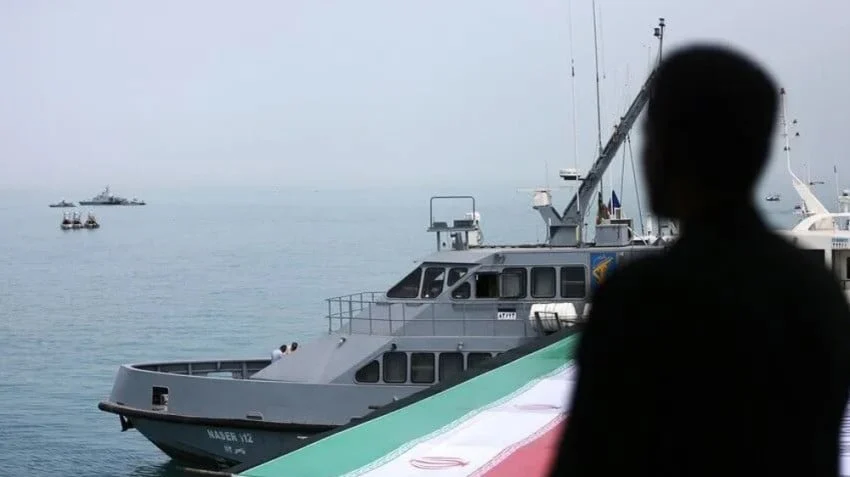
WASHINGTON — The shifting political landscape in the United States following a pivotal midterm election cycle has sent ripples far beyond domestic borders, yielding unexpected geopolitical dividends for Tehran. According to prominent political analysts, the outcome of the US midterm elections represents a significant validation—and an effective tactical victory—for Iran’s long-standing strategy of exerting sustained pressure on Washington through strategic disruptions and restrictions on commercial and military navigation in the highly sensitive Strait of Hormuz.
The electoral shift, which saw the Democratic Party make substantial gains across multiple key states, underscores a growing domestic weariness among American voters regarding the economic fallout of prolonged foreign policy confrontations. As inflation grips the domestic market and energy prices fluctuate due to Middle Eastern tensions, political analysts argue that the American electorate has effectively penalized the ruling administration for its aggressive posture abroad, inadvertently playing into the hands of Iranian strategic planners who anticipated that economic exhaustion would eventually fracture Washington’s resolve.
Electoral Shift and the Congressional Balance of Power
The political momentum in Washington underwent a profound transformation as the Democratic Party successfully wrested control of key legislative chambers from the incumbent Republican majority. Crucial electoral victories in battleground and traditionally conservative states—including Texas, South Carolina, Iowa, Michigan, and Kansas—flipped critical seats in both the House of Representatives and the Senate.
This decisive realignment delivered a severe blow to the legislative agenda of the Republican establishment and allied supporters of the presidential administration, who had previously enjoyed unified control over both chambers of Congress. The loss of congressional dominance crippled the administration’s ability to pass unhindered foreign policy legislation and placed intense scrutiny on the economic costs associated with escalating foreign entanglements.
Political scientists note that congressional oversight committees are now poised to aggressively question the administration’s handling of Middle Eastern affairs, particularly concerning the sustainability of maximum-pressure campaigns that fail to account for domestic economic repercussions. The resulting legislative gridlock and shifting oversight priorities have been interpreted in foreign capitals—most notably in Tehran—as a sign of systemic vulnerability within the US political apparatus.
Economic Discontent and Voter Fatigue
At the heart of the electoral shift lies a profound public dissatisfaction driven by mounting inflation, supply chain bottlenecks, and climbing energy costs. Mohammad Eslami, a researcher specializing in Middle Eastern and North African studies at the University of Tehran, offered a candid assessment of the dynamic during an interview with Al Jazeera.
“This is a very big deal for the Iranian government. This can be called a victory,” Eslami stated, pointing directly to the economic consequences of prolonged geopolitical conflict as the primary catalyst for the voter backlash.
Eslami emphasized that the American public has grown increasingly intolerant of the collateral economic damage inflicted by aggressive foreign policies. “It is clear that the American people in general are unhappy with the sacrifice of their interests by the administration in the confrontation against the people of Iran,” he added.
Data compiled by economic research firms during the election cycle support this perspective. Surging fuel prices, exacerbated by security threats and rising insurance premiums for commercial vessels transiting Middle Eastern chokepoints, directly impacted the cost of living for average American households. When voters went to the polls, economic anxiety consistently ranked as the paramount concern, overshadowing abstract foreign policy objectives and weakening public support for prolonged military standoffs.
Geopolitical Significance of the Strait of Hormuz
To fully understand the weight of these electoral results on Tehran’s strategic calculus, one must examine the critical importance of the Strait of Hormuz. Serving as the world’s most vital petroleum chokepoint, this narrow waterway connects the Persian Gulf with the Gulf of Oman and the Arabian Sea. Approximately a fifth of the world’s petroleum consumption passes through the strait, making it an indispensable artery for global energy markets and economic stability.
For decades, Iranian military doctrine has recognized the strait as a primary asymmetric lever against superior conventional adversaries, particularly the United States Navy. By utilizing a combination of fast attack craft, coastal defense cruise missiles, naval mines, and periodic maritime harassment, Tehran has repeatedly demonstrated its capacity to elevate the risk profile of commercial shipping in the region.
Even minor disruptions or heightened threat perceptions in the Strait of Hormuz trigger immediate volatility in global crude oil prices. Iran’s overarching strategic objective has consistently been to impose a tangible economic cost on Western nations—particularly the United States and its allies—until the cumulative financial and political pressure becomes unsustainable, forcing a recalibration of Washington’s foreign policy.
The midterm election results are viewed by Iranian strategists as empirical proof that this asymmetric approach is working. By driving up energy prices and contributing to domestic inflation within the United States, Tehran’s maritime containment strategy successfully leveraged American economic vulnerabilities to influence domestic political outcomes.
Timeline of Escalation and Political Fallout
The convergence of maritime tensions in the Persian Gulf and domestic political friction in the United States did not happen overnight. A chronological overview of key developments leading up to the midterm elections highlights the compounding pressures that ultimately influenced American voters:
- Phase One: Implementation of Maximum Pressure: Following the unilateral US withdrawal from the Joint Comprehensive Plan of Action (JCPOA), Washington initiated a campaign of severe economic sanctions against Iran, aiming to reduce its oil exports to zero and force a renegotiation of its regional policies.
- Phase Two: Asymmetric Maritime Counter-Strategy: In response to the tightening economic blockade, Iranian forces began asserting themselves more aggressively in and around the Strait of Hormuz. Incidents involving the seizure of foreign-flagged tankers, mysterious attacks on oil infrastructure, and the downing of surveillance drones heightened regional tensions throughout the late 2010s and early 2020s.
- Phase Three: Global Economic Strain and Inflation: Post-pandemic economic recovery efforts collided with the ongoing security disruptions in the Middle East, leading to severe spikes in global energy prices. American consumers began experiencing sustained inflation at fuel pumps and grocery stores.
- Phase Four: The Midterm Referendum: As the economic pain intensified, the US midterm elections arrived as an effective referendum on the administration’s governance. Voters demonstrated their frustration at the ballot box, stripping the ruling party of its congressional majorities and empowering an opposition keen on reevaluating foreign commitments.
Broader Implications for US Foreign Policy
The validation of Iran’s strategy through the lens of American democratic processes carries profound implications for the future trajectory of US foreign policy in the Middle East. Policymakers in Washington now face a delicate and constrained operating environment. With a divided Congress and an electorate acutely sensitive to economic disruptions, the executive branch possesses significantly less political capital to engage in prolonged foreign standoffs or risk military escalations that could threaten global energy supplies.
International relations experts suggest that this domestic constraint could lead to a more cautious and restrained American posture in the Persian Gulf. Any future administration will be forced to weigh the immediate domestic political costs of regional instability against long-term strategic objectives. Consequently, deterrence strategies relying heavily on economic coercion and naval deployments may face increased legislative pushback, as lawmakers demand greater accountability and clearer exit strategies.
Furthermore, regional allies of the United States—particularly Gulf Cooperation Council (GCC) member states—are closely monitoring these political shifts. The perception that domestic political fatigue in the US can successfully alter Washington’s foreign policy commitments may encourage regional actors to pursue independent diplomatic channels with Tehran to ensure maritime security and economic stability.
Strategic Outlook and Future Prospects
As the dust settles on the midterm elections, Tehran is likely to view the outcome as an endorsement of its resilience and strategic patience. By absorbing the shocks of severe economic sanctions while maintaining consistent pressure on critical maritime trade routes, Iran has weathered the storm long enough to witness domestic political friction weaken its primary adversary’s resolve.
However, analysts caution that this dynamic does not eliminate the inherent dangers of ongoing maritime friction. The potential for miscalculation in the confined waters of the Strait of Hormuz remains dangerously high. Even as political shifts in Washington suggest a growing appetite for de-escalation or policy review, tactical accidents at sea could rapidly outpace diplomatic frameworks.
Ultimately, the interplay between American domestic politics and Middle Eastern maritime strategy has entered a new chapter. The midterm election results have demonstrated that foreign policy decisions are no longer insulated from the immediate economic realities of the American electorate. For Iran, this realization marks a tangible strategic victory, proving that economic pressure applied at the right geographical chokepoint can resonate all the way to the halls of the US Congress.
