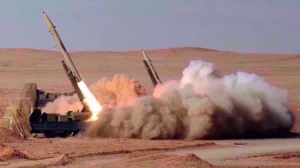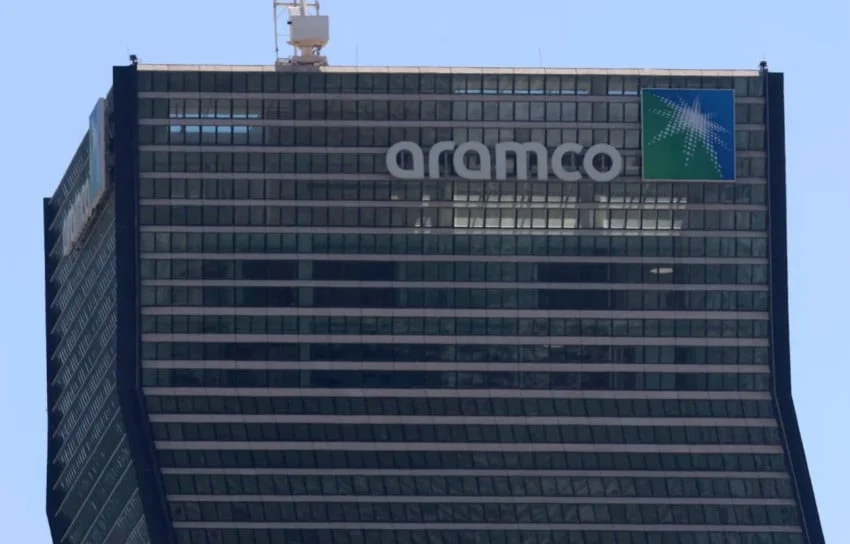
A facility belonging to the state-owned energy giant Saudi Aramco, located within the prestigious King Abdullah Financial District in Riyadh, sustained minor damage on Sunday, November 8, 2026, following a sophisticated aerial assault. The incident, which involved the interception of ballistic missiles and cruise missiles, has sent ripples of anxiety through global energy markets, reigniting concerns regarding the stability of oil infrastructure in the Middle East. While Saudi authorities confirmed that there were no casualties or injuries, the brazen nature of the attack on the heart of the Kingdom’s capital has underscored the persistent security challenges facing the region’s critical energy assets.
Chronology of the Escalation
The incident began early Sunday morning when residents of Riyadh reported hearing loud explosions and observing interceptor fire in the sky. According to the Saudi-led coalition, which has been engaged in a protracted conflict with Houthi rebels in Yemen since 2015, a series of projectiles was identified heading toward the capital and the southern regions of the Kingdom.
The Saudi Ministry of Energy issued a formal statement shortly after the event, confirming that debris from intercepted projectiles had fallen on a facility belonging to Saudi Aramco. The ministry emphasized that the structural damage was "minor" and that the integrity of the broader energy infrastructure remained intact. Despite the official downplaying of the physical impact, the psychological and economic consequences of the attack were immediate.
The Houthi military spokesperson, in a follow-up statement, claimed responsibility for the operation, identifying it as a retaliatory measure against ongoing Saudi-led coalition airstrikes in Yemen. The group specifically alleged that they had targeted not only the financial district but also infrastructure at the Riyadh International Airport and various fuel storage facilities within the city.
The Regional Security Context
This latest attack is a continuation of a multi-year trend in which Houthi rebels, backed by regional actors, have utilized increasingly sophisticated drone and missile technology to strike deep into Saudi territory. The conflict, which started as a civil war in Yemen, has effectively morphed into a theater for regional power projection.
The Houthis have demonstrated a growing capability to strike targets hundreds of kilometers from the Yemeni border. In previous years, attacks on Saudi oil facilities—most notably the 2019 drone strikes on the Abqaiq and Khurais processing plants—resulted in temporary but significant disruptions to global oil supplies, causing price volatility. While Sunday’s attack was far less damaging, it serves as a stark reminder of the vulnerability of Saudi Arabia’s centralized economic hubs to long-range aerial incursions.
Economic Implications for Global Energy Markets
The global energy market is highly sensitive to news involving Saudi Arabia, the world’s largest oil exporter and the de facto leader of the Organization of the Petroleum Exporting Countries (OPEC). Any threat to the Kingdom’s production or storage facilities typically results in an immediate uptick in crude oil prices.
Analysts suggest that while the damage was minimal, the market remains on high alert. The Riyadh facility, while not a primary extraction site, serves as a significant administrative and financial node for Aramco. The psychological impact on investors and the potential for insurance premiums on shipping and infrastructure to rise are significant factors. If such attacks continue, they could force a recalibration of risk assessments for energy projects across the Arabian Peninsula.

Furthermore, the timing of this attack is critical. Global energy markets are already grappling with fluctuating supply-demand balances and the geopolitical instability surrounding various oil-producing regions. The incident in Riyadh adds a layer of complexity to current diplomatic efforts aimed at stabilizing energy prices.
Official Responses and Coalition Strategy
The Saudi-led coalition has maintained a posture of "vigilant defense," frequently highlighting their success in intercepting the vast majority of incoming projectiles. However, the ability of Houthi forces to penetrate the dense air defense network protecting Riyadh has raised questions regarding the effectiveness of current defensive measures.
International observers and regional allies have condemned the attack, characterizing it as a direct threat to global energy security. Diplomatic channels are currently assessing whether this escalation will prompt a more aggressive response from the coalition or if it will trigger renewed international pressure for a ceasefire in Yemen. The United Nations, which has long mediated peace talks, faces the daunting task of preventing a full-scale return to the intensity of fighting seen in previous years of the conflict.
Analysis: The Changing Nature of Aerial Warfare
The use of low-cost, long-range drones and cruise missiles has fundamentally changed the calculus of regional security. Unlike traditional state-on-state warfare, which often relies on conventional air forces, the Houthi approach relies on asymmetric warfare tactics that are difficult to predict and counter entirely.
Military experts note that defending against these types of attacks requires a layered approach, incorporating early warning systems, electronic warfare, and a mix of kinetic interceptors. The fact that debris fell on the King Abdullah Financial District—one of the most heavily protected areas in the Kingdom—indicates that even with advanced air defense batteries, the margin for error remains razor-thin.
Future Outlook
The outlook for the immediate future remains tense. The Saudi government is likely to bolster its security perimeter around key financial and industrial sites. Simultaneously, the diplomatic front will likely see intensified activity as major powers seek to prevent further disruption to the global energy supply chain.
For Saudi Aramco, the challenge lies in balancing operational transparency with the need for heightened security. As the company continues its expansion and international integration, its physical footprint will inevitably remain a target for those seeking to leverage the global dependency on Saudi oil to exert political pressure.
The incident serves as a sobering reminder that the geopolitical tensions of the Middle East remain the most significant "black swan" risk for the global economy. As the world transitions toward more diverse energy sources, the short-term reality is that the stability of the global economy is still inextricably linked to the security of Saudi Arabia’s energy infrastructure.
In conclusion, while the physical damage from the November 8 attack was contained, the strategic implications are far-reaching. The international community will be watching closely to see if this incident acts as a catalyst for a renewed diplomatic push to end the Yemen conflict or if it signals a new, more volatile phase in the regional power struggle. As markets reopen and the dust settles in Riyadh, the focus will shift from the minor debris of the attack to the major questions of long-term stability and security in an increasingly fragmented geopolitical landscape.