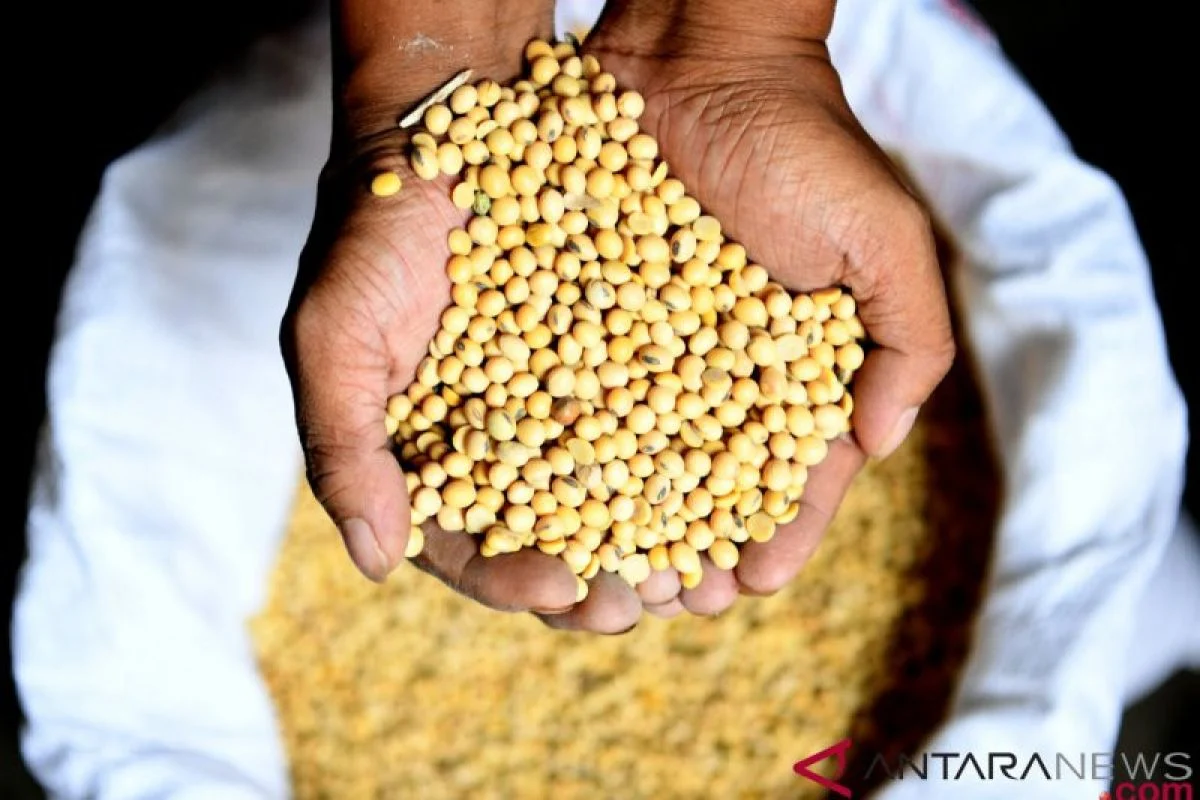
Jakarta – In the contemporary landscape of functional foods and plant-based nutrition, few beverages enjoy the universal recognition and enduring popularity of soy milk. Derived from the processing of whole soybeans through structured steps of soaking, grinding, boiling, and straining, this traditional beverage has evolved from a regional dietary staple into a global cornerstone of health-conscious diets. As public health initiatives increasingly advocate for diversified protein sources and the mitigation of chronic lifestyle diseases, medical researchers, nutritionists, and food scientists have directed renewed attention toward the biochemical profile of soy milk. Beyond serving as a seamless substitute for individuals managing bovine milk allergies or lactose intolerance, modern nutritional evaluations reveal that soy milk functions as a dense matrix of bioactive compounds, complete proteins, and essential micronutrients capable of supporting physiological wellness across multiple biological systems.
The historical trajectory of soybean utilization dates back thousands of years to East Asia, where it initially served as a vital agricultural commodity before industrial processing revolutionized its accessibility. In recent decades, advancements in food technology have allowed manufacturers to refine soy milk production, optimizing taste profiles while expanding nutritional density through the process of fortification. Contemporary supermarkets now feature a vast array of formulations, ranging from traditional homemade preparations to commercially packaged varieties enhanced with exogenous vitamins and minerals. This evolution reflects shifting consumer demographics, characterized by a rising prevalence of plant-based dietary patterns, heightened awareness of metabolic health, and an increasing demand for functional foods that bridge the gap between basic sustenance and preventative healthcare.
Unpacking the Biochemical Architecture of Soy Milk
To fully comprehend the physiological implications of regular soy milk consumption, a detailed examination of its macronutrient and micronutrient composition is required. Standard nutritional analyses indicate that a typical single-serving portion of commercially prepared, unflavored soy milk—equivalent to approximately 240 milliliters or one standard cup—delivers between 7 and 8 grams of high-quality plant protein. This positions soy milk among the most protein-dense plant-based milk alternatives available, rivaling the protein content of traditional dairy milk. Furthermore, this protein profile is accompanied by a favorable lipid distribution characterized by high concentrations of polyunsaturated and monounsaturated fatty acids coupled with exceptionally low levels of saturated fats, completely lacking the dietary cholesterol inherent in animal-derived dairy products.
Beyond basic macronutrients, soy milk serves as an efficient delivery vehicle for a spectrum of essential minerals, including potassium, which plays a pivotal role in maintaining electrolyte balance and regulating blood pressure; magnesium, a cofactor in hundreds of enzymatic reactions governing muscle function and energy metabolism; and phosphorus, which works synergistically with calcium to maintain structural skeletal integrity. The vitamin profile is similarly robust, naturally featuring various B-complex vitamins that facilitate cellular energy production and neurological maintenance.
Crucially, modern commercial production frequently involves the fortification of soy milk with key micronutrients that might otherwise be absent or deficient in plant-centric diets. Fortified variants are routinely enriched with bioavailable calcium carbonate, vitamin D2 or D3 to enhance mineral absorption, vitamin A to support ocular and immune health, and vitamin B12, a nutrient predominantly found in animal products that is essential for neurological function and DNA synthesis.
Furthermore, soy milk contains a unique class of bioactive non-nutrient compounds known as isoflavones, specifically genistein, daidzein, and glycitein. These phytochemicals belong to a broader category of plant metabolites called phytoestrogens. Because their chemical structure mimics endogenous human estrogen to a mild degree, they can bind to estrogen receptors throughout the body, albeit with significantly lower potency than the body’s natural hormones. This unique endocrinological property forms the biochemical foundation for many of the researched health benefits associated with regular soy consumption.
Mitigating Dietary Gaps: The Superiority of Complete Plant Protein
One of the most compelling arguments for the inclusion of soy milk in daily nutritional regimens lies in the quality of its protein content. In nutritional science, proteins are evaluated based on their amino acid profiles and their ability to supply all nine essential amino acids that the human body cannot synthesize independently. While the vast majority of plant-based proteins are classified as incomplete—meaning they lack or possess insufficient quantities of one or more essential amino acids—soybean-derived protein stands as a rare exception in the plant kingdom.
Soy protein is classified as a complete protein, boasting an amino acid score that compares favorably to animal-derived proteins such as whey, casein, and albumin. This biochemical completeness makes soy milk an invaluable nutritional asset for populations adhering to vegetarian, vegan, or flexitarian diets, who might otherwise struggle to obtain a balanced spectrum of essential amino acids without meticulous food combining.
Clinical dietitians emphasize that adequate protein intake is foundational for numerous physiological processes. Beyond its primary role in building, repairing, and maintaining somatic tissues, high-quality protein is indispensable for preserving lean muscle mass—a critical consideration for aging populations susceptible to sarcopenia. Additionally, amino acids serve as precursors for neurotransmitters, hormones, and immune system antibodies. By providing an easily digestible, complete protein source free of lactose and animal fats, soy milk offers a practical dietary solution for individuals seeking to optimize their daily protein intake without relying on meat or dairy products.
Cardiovascular Implications and Lipid Management
Cardiovascular disease remains a leading cause of mortality worldwide, prompting intense scientific investigation into dietary modifications that can mitigate cardiovascular risk factors. Among these, the relationship between soy protein consumption and lipid metabolism has been a subject of rigorous clinical inquiry for over four decades.
The cardiovascular benefits of soy milk are primarily attributed to its unique combination of complete plant protein, low saturated fat content, and the presence of isoflavones. Clinical studies and meta-analyses published in leading nutritional journals indicate that replacing animal-derived proteins—particularly those high in saturated fats—with soy protein can lead to modest yet clinically significant reductions in serum low-density lipoprotein (LDL) cholesterol, commonly referred to as "bad" cholesterol. Elevated LDL cholesterol is a primary contributor to atherosclerotic plaque formation, which narrows arterial walls and increases the risk of myocardial infarction and ischemic stroke.
The underlying mechanisms of this lipid-lowering effect are multifaceted. Research suggests that soy protein may upregulate hepatic LDL receptor activity, thereby enhancing the clearance of cholesterol from the bloodstream. Additionally, isoflavones have been shown to exhibit antioxidant properties that protect LDL particles from oxidation, a critical step in the pathogenesis of atherosclerosis.
Notwithstanding these biochemical advantages, contemporary cardiologists and nutritional epidemiologists emphasize that the cardiovascular benefits of soy milk must be viewed within the context of an overall heart-healthy lifestyle. Soy milk is not a pharmacological panacea; rather, it functions as a functional dietary component that, when integrated into a balanced diet rich in dietary fiber, whole grains, fruits, and vegetables, contributes meaningfully to long-term cardiovascular health.
Skeletal Health and the Role of Fortification
Maintaining skeletal integrity throughout the human lifespan requires a consistent supply of structural minerals, most notably calcium and phosphorus, alongside regulatory hormones and vitamins that govern bone remodeling. Historically, bovine milk has been heavily promoted as the primary dietary vehicle for calcium delivery. However, for individuals experiencing lactose intolerance, milk protein allergies, or those voluntarily abstaining from animal products, alternative sources are paramount.
Unfortified soy milk contains relatively modest amounts of bioavailable calcium. Recognizing this limitation, modern food manufacturers routinely fortify commercial soy milk with calcium salts—such as tricalcium phosphate or calcium carbonate—at levels designed to match or exceed the calcium content found in standard dairy milk. Furthermore, because calcium absorption in the gastrointestinal tract is heavily dependent on vitamin D, many commercial formulations are concurrently fortified with cholecalciferol (Vitamin D3) or ergocalciferol (Vitamin D2).
This deliberate fortification transforms soy milk into a potent dietary tool for bone health. Calcium serves as the primary mineral matrix providing rigidity to bones and teeth, while vitamin D facilitates active intestinal transport of calcium across the mucosal barrier. Clinical evaluations suggest that regular consumption of calcium- and vitamin D-fortified plant milks can help maintain bone mineral density, thereby reducing the long-term risk of osteopenia and osteoporosis, particularly in postmenopausal women who experience accelerated bone resorption due to declining estrogen levels.
Endocrinological Dynamics During Menopause
The physiological transition into menopause is characterized by a permanent cessation of ovarian function, resulting in a dramatic decline in circulating estrogen levels. This hormonal shift triggers a cascade of vasomotor symptoms, most notably hot flashes (sudden sensations of intense heat, flushing, and sweating), night sweats, mood disturbances, and sleep disruptions, alongside long-term risks to cardiovascular and skeletal health.
Because soy milk contains isoflavones that function as weak phytoestrogens, researchers have extensively studied their potential to modulate menopausal symptoms. The structural homology between isoflavones and 17-beta-estradiol allows these plant compounds to bind weakly to estrogen receptors—predominantly estrogen receptor beta (ER-beta)—exerting mild estrogenic or anti-estrogenic effects depending on the target tissue and endogenous hormone environment.
Clinical trial data investigating the efficacy of soy isoflavones on menopausal vasomotor symptoms have produced nuanced results. While some randomized controlled trials report significant reductions in the frequency and severity of hot flashes among women consuming soy-rich diets or isoflavone supplements, other studies note considerable variability in individual response. This heterogeneity in clinical outcomes is largely attributed to differences in human gut microbiota. The primary isoflavone in soybeans, daidzein, must be metabolized by specific intestinal bacteria into equol—a more potent bioactive metabolite—to exert optimal biological effects. Because not all individuals harbor equol-producing gut flora, the clinical efficacy of soy consumption for menopausal relief can vary significantly from person to person. Nevertheless, for many women, incorporating soy milk into their daily diet offers a safe, natural dietary adjunct to help navigate the physiological challenges of midlife transitions.
Addressing Lactose Intolerance and Digestive Comfort
Dietary intolerances and gastrointestinal sensitivities present significant hurdles for millions of individuals attempting to maintain optimal nutritional intake. Among these, lactose intolerance—the inability to digest significant amounts of lactose, the primary sugar found in mammalian milk—is a globally widespread condition resulting from a genetically programmed reduction in the expression of the lactase enzyme after infancy.
When individuals with lactose intolerance consume conventional dairy products, undigested lactose passes into the large intestine, where it is fermented by resident colonic bacteria. This fermentation process yields large volumes of gas (hydrogen, methane, and carbon dioxide) and draws water into the intestinal lumen through osmotic effects, resulting in classic clinical symptoms including abdominal cramping, bloating, flatulence, osmotic diarrhea, and general gastrointestinal distress.
Soy milk is naturally and entirely free of lactose. Consequently, it represents a biochemically compatible alternative for individuals managing lactose maldigestion or various forms of irritable bowel syndrome (IBS) linked to dairy sensitivity. By substituting bovine milk with soy milk, consumers can circumvent the distressing gastrointestinal sequelae associated with lactose ingestion while maintaining the textural and culinary applications of liquid dairy in coffee, baking, and cereal preparation. This digestive compatibility ensures that individuals can comfortably meet their daily fluid, protein, and micronutrient quotas without compromising gastrointestinal homeostasis.
Nutritional Metabolism and Micronutrient Synergies
Beyond its structural macronutrients, the complex biochemical matrix of fortified soy milk provides vital micronutrients that govern diverse metabolic pathways. Among these, the inclusion of B-complex vitamins, particularly vitamin B12 in fortified variants, plays a critical role in cellular function. Vitamin B12 is an essential cobalt-containing organometallic compound required for DNA synthesis, optimal neurological function, and the formation of mature red blood cells via its role as a cofactor for methionine synthase and methylmalonyl-CoA mutase.
Because naturally occurring vitamin B12 is synthesized exclusively by microorganisms and is found almost exclusively in animal-derived tissues, strict vegetarians and vegans face a high risk of deficiency, which can manifest as megaloblastic anemia and irreversible neurological damage. The fortification of soy milk with cyanocobalamin or methylcobalamin provides a vital nutritional safeguard, bridging this dietary gap.
Simultaneously, the presence of potassium and magnesium in unfortified soy fractions supports cellular osmotic balance and enzymatic catalysis. Potassium acts as the primary intracellular cation, working in tandem with extracellular sodium to maintain membrane potentials across excitable tissues such as nerve and muscle cells. Magnesium functions as a critical structural and catalytic cofactor for over 300 metalloenzymes, participating directly in glycolysis, oxidative phosphorylation, and the synthesis of nucleic acids.
Navigating Dietary Selection: Commercial Varieties and Label Literacy
Despite the profound nutritional profile of soy milk, the commercial marketplace features a diverse spectrum of products that vary significantly in formulation, quality, and compositional purity. Not all commercially available soy milks offer identical health benefits, as manufacturing practices often introduce variables that consumers must carefully evaluate.
A primary consideration in modern nutritional selection is the presence of added sugars and artificial flavorings. Many commercial soy milk brands introduce cane sugar, high fructose corn syrup, or fruit juices to enhance palatability and mimic the sweeter taste profile of dairy milk. Regular, unmonitored consumption of these sweetened variants can contribute to excess caloric intake, metabolic syndrome, insulin resistance, and dental caries, thereby counteracting some of the intrinsic health benefits associated with soy consumption.
Consequently, clinical nutritionists universally recommend that consumers prioritize unsweetened (often labeled as plain or unsweetened) soy milk variants for daily nutritional integration. Furthermore, meticulous label literacy is advised for individuals utilizing soy milk as a direct nutritional substitute for bovine milk. Consumers must examine the nutrition facts panel to verify that the product is adequately fortified with essential micronutrients—specifically calcium, vitamin D, vitamin B12, and vitamin A—to ensure that dietary omissions are successfully avoided.
It is equally important to acknowledge potential contraindications and allergenicity. Soy is recognized as one of the major food allergens regulated by global food safety authorities. Individuals with diagnosed soybean allergies must strictly avoid soy milk and all soy derivatives to prevent severe hypersensitivity reactions, ranging from oral allergy syndrome and urticaria to systemic anaphylaxis. Furthermore, while soy is a remarkably nutritious food, it should be consumed as part of a diversified, omnivorous or well-planned plant-based diet, rather than serving as an isolated, exclusive source of nutrition.
Future Directions in Plant-Based Nutrition and Public Health
As global agricultural systems face increasing pressure to adopt environmentally sustainable practices, the production of plant-based beverages like soy milk continues to gain traction due to its significantly lower carbon footprint and reduced land and water resource utilization compared to traditional animal husbandry. Public health agencies and nutritional epidemiologists project that the integration of functional plant proteins into mainstream diets will play an increasingly prominent role in preventative healthcare strategies designed to combat the rising global burden of non-communicable chronic diseases.
Ongoing clinical research continues to explore the nuanced molecular mechanisms of soy isoflavones, investigating their potential roles in modulating inflammatory pathways, supporting cognitive function in aging populations, and influencing metabolic homeostasis. As food science and nutritional biochemistry advance, the refinement of soy milk processing will likely yield even higher bioavailabilities of target micronutrients and improved consumer compliance.
Ultimately, backed by a robust body of scientific literature, soy milk transcends its historical classification as a mere substitute beverage. It stands as a scientifically validated, nutrient-dense functional food capable of supporting cardiovascular health, skeletal integrity, metabolic balance, and dietary inclusivity for diverse global populations.