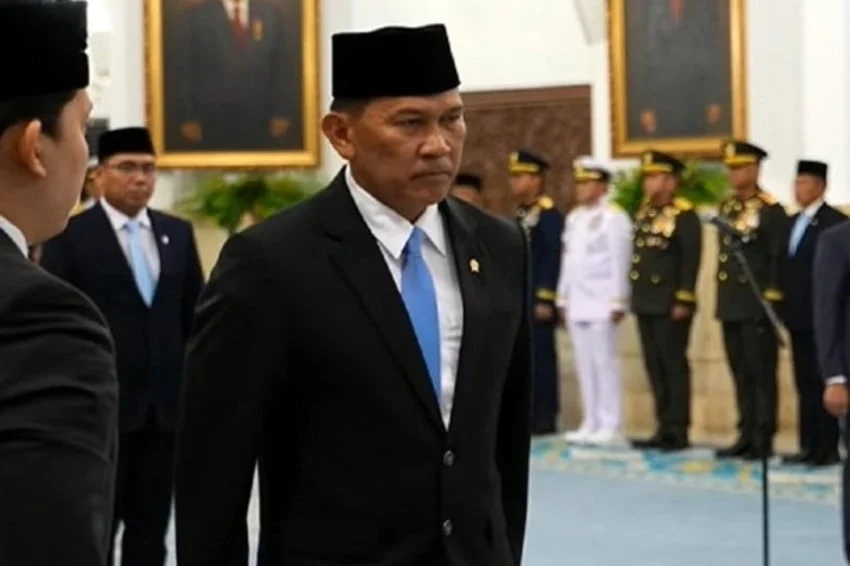
JAKARTA — In the wake of a high-profile corruption scandal that has shaken Indonesia’s disaster mitigation apparatus, the National Disaster Management Agency (Badan Nasional Penanggulangan Bencana, or BNPB) has officially launched a sweeping internal restructuring program. Led by newly appointed BNPB Chief Lieutenant General Kristomei Sianturi, the agency is undertaking a rigorous "house-cleaning" initiative designed to overhaul institutional governance, tighten budgetary oversight, and restore public trust following a recent Corruption Eradication Commission (Komisi Pemberantasan Korupsi, or KPK) sting operation.
The decisive administrative actions come in response to an operation that caught several high-ranking officials off guard, most notably Principal Secretary (Sestama) Rustian, who was detained by anti-graft investigators. The unfolding crisis has placed the humanitarian logistics and disaster relief administration under intense public scrutiny, prompting leadership to take swift, structural countermeasures to insulate the agency from future graft vulnerabilities.
Chronology of the Crisis: The KPK Sting Operation
The catalyst for BNPB’s current reform agenda unfolded in late October 2026, when KPK investigators executed a targeted operation (Operasi Tangkap Tangan, or OTT) at the agency’s headquarters in Jakarta. The covert operation sent shockwaves through Indonesia’s civil service sector, particularly given BNPB’s critical role in coordinating disaster relief across an archipelago highly prone to natural calamities.
Among those ensnared in the operation was Sestama BNPB Rustian. Following his detention, Rustian made headlines when he maintained absolute silence while exiting the KPK Red and White building, avoiding questions from a throng of investigative journalists. The arrest signaled potential systemic vulnerabilities in how emergency funds, procurement contracts, and bureaucratic workflows are managed within the institution.
While details surrounding the exact financial value of the alleged corruption case remain part of an ongoing KPK investigation, the immediate fallout necessitated a top-to-bottom institutional review. Recognizing the severe reputational damage to an agency tasked with saving lives during national emergencies, military leadership and state officials mobilized to prevent further erosion of institutional integrity.
Comprehensive Institutional Overhaul and 100-Day Action Plan
Addressing the media on Friday, October 30, 2026, Lieutenant General Kristomei Sianturi minced no words regarding the gravity of the situation. He outlined a robust strategic blueprint aimed at purging corrupt practices and modernizing administrative workflows.
"The restructuring is not merely cosmetic; it is a fundamental reassessment of how we operate," stated Kristomei. He emphasized that the agenda of purification would focus heavily on conducting a comprehensive evaluation of procurement governance, discretionary spending, and detailed financial accountability mechanisms.
To ensure sustained momentum, BNPB has rolled out a strict 100-day internal consolidation program anchored by three core pillars: "Bersih" (Clean), "Siaga" (Prepared), and "Terhubung" (Connected).

- Bersih (Clean): This pillar focuses on eradicating kickbacks, bribery, and procedural irregularities in project procurement. It involves a forensic review of past and present contracts, ensuring that all emergency procurement aligns with transparent, auditable standards.
- Siaga (Prepared): Recognizing that administrative reforms must not compromise disaster response capabilities, this pillar ensures that ongoing mitigation and humanitarian operations remain uninterrupted while internal audits take place.
- Terhubung (Connected): This strategy emphasizes improved digital integration and inter-agency communication, aiming to minimize bureaucratic red tape and human intervention points where corruption typically thrives.
Furthermore, BNPB is significantly bolstering the internal enforcement powers of its Main Inspectorate (Inspektorat Utama). By empowering internal auditors to operate with greater autonomy, the agency hopes to catch financial irregularities early, transforming the Inspectorate into a proactive compliance shield rather than a reactive corporate body.
Restructuring Workflows for Transparency and Accountability
A cornerstone of Kristomei’s reform strategy is the complete overhaul of internal workflow mechanisms. Historically, disaster management agencies operate under expedited emergency provisions, which—while necessary for rapid deployment of aid—often lack traditional bureaucratic checks and balances. Investigators have long warned that the rapid disbursement of emergency funds creates fertile ground for moral hazard and financial embezzlement.
To counteract this, BNPB is implementing stringent administrative guardrails. These measures include digitized tracking of relief goods, centralized procurement portals, mandatory electronic auditing trails for budget allocations, and rigid separation of duties between project planners, financial approvers, and operational executors.
"The implementation of a strictly regulated work mechanism is being enforced to ensure that every single rupiah in our system is accounted for, rendering the internal environment significantly more transparent and publicly accountable," Kristomei added.
Broader Implications for Indonesia’s Disaster Management Infrastructure
The scandal and subsequent cleanup at BNPB carry profound implications for public administration in Indonesia. As a country situated along the Pacific Ring of Fire, Indonesia regularly contends with earthquakes, volcanic eruptions, tsunamis, and severe seasonal hydrometeorological disasters. Effective disaster management relies heavily on the unhindered, rapid mobilization of billions of rupiah in state funds.
When corruption infiltrates agencies like BNPB, the human cost can be catastrophic. Substandard procurement of disaster relief supplies, delayed logistical pipelines, and diverted funds directly impact vulnerable communities awaiting emergency shelter, food supplies, and medical assistance.
Anti-corruption watchdogs and civil society organizations have welcomed the swift internal cleanup led by Lieutenant General Kristomei, while simultaneously urging the KPK to expand its probe to uncover any broader syndicates or external vendor networks involved in the alleged graft. Observers note that while a 100-day consolidation program is a promising start, long-term cultural change within Indonesia’s disaster relief sector will require continuous legislative oversight, stringent whistleblower protection, and uncompromised judicial follow-through.
As BNPB navigates this turbulent chapter, the ultimate metric of success will be whether these structural reforms successfully prevent future abuses of power while maintaining the agency’s primary mandate: protecting and serving the Indonesian populace in their moments of greatest vulnerability.