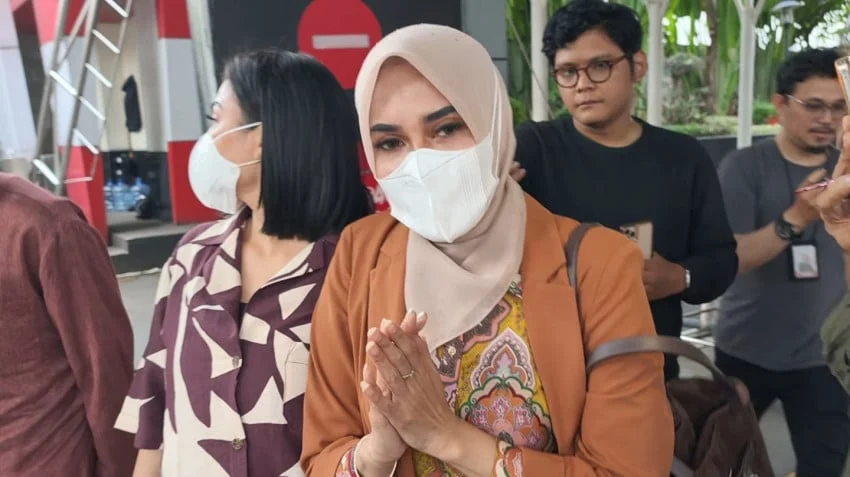
The Corruption Eradication Commission of the Republic of Indonesia officially intensified its investigation into a sprawling municipal corruption and gratification network on Thursday, summoning and interrogating Vinna Ledy Anggraheni, a sitting member of the Bengkulu City Regional House of Representatives. The high-stakes interrogation, conducted at the agency’s state-of-the-art Merah Putih facility in Kuningan, South Jakarta, represents a critical development in an ongoing graft inquiry that has already ensnared several high-profile political figures across the province of Bengkulu.
According to official statements released by the anti-graft agency, Ms. Anggraheni was questioned extensively in her official capacity as a witness. Investigators focused on her alleged involvement in receiving illicit gratuities and luxury assets, which investigators believe are directly connected to a broader, multifaceted corruption scandal originating from the administration of the suspended Rejang Lebong Regent, M. Fikri Thobari. The probe underscores the relentless efforts of federal law enforcement agencies to root out systematic corruption, financial malfeasance, and the abuse of political office within regional legislative and executive bodies across the archipelago.
The Scope of the Investigation and Asset Tracking
During Thursday’s proceedings, anti-graft investigators zeroed in on a complex web of financial transactions, high-value asset transfers, and gifts allegedly funneled through intermediary business entities. Speaking to members of the press outside the interrogation rooms, KPK Spokesperson Budi Prasetyo detailed the specific nature of the inquiry concerning the Bengkulu legislator, who is frequently referred to in case documents by her initials, VLA.
"For sister VLA, her attendance today was mandatory, and she was thoroughly examined regarding a series of assets allegedly received from other parties, specifically businessman Eno Bowo Susilo," Mr. Prasetyo explained to reporters gathered at the KPK headquarters. Investigators have spent recent weeks mapping out these transactions, which reportedly include upscale urban properties such as high-end apartments, as well as luxury automobiles registered under various third-party names to obscure their true ownership.
Mr. Prasetyo further emphasized that the scope of the investigation extends far beyond the initial seizures. The commission is actively pursuing additional leads to uncover the full extent of the asset portfolio linked to the suspect. "Naturally, this deeper examination is also related to suspected additional receipts or general gratifications within the Bengkulu City environment, specifically tied to the capacity of sister VLA as an active member of the local legislative council," he added.
Despite the gravity of the accusations and the mounting evidence presented by federal investigators, Ms. Anggraheni maintained a strict silence following the conclusion of the hours-long questioning session. Exiting the building flanked by legal counsel and investigators, she declined to answer repeated inquiries from journalists regarding the nature of the questioning, the specific assets currently under seizure, or her relationship with the businessmen implicated in the conspiracy. "No comment, sorry ya," she remarked briefly before being whisked away in a waiting vehicle.
Chronology and Background of the Bengkulu Corruption Scandal
To fully understand the weight of Thursday’s interrogation, it is essential to examine the chronological progression of the broader corruption case that led federal investigators to the doors of the Bengkulu City legislative chamber. The investigation began months prior, stemming from financial irregularities detected during routine fiscal audits of infrastructure projects and regional budget allocations in Rejang Lebong Regency.
The scandal first burst into the public consciousness when the KPK launched targeted operations in the region, ultimately naming the then-serving Regent of Rejang Lebong, M. Fikri Thobari, as a primary suspect in a major bribery and extortion scheme. According to preliminary findings released by the commission, Mr. Thobari allegedly capitalized on his executive authority to manipulate procurement processes, solicit kickbacks from local contractors, and misappropriate regional development funds earmarked for public welfare.
As investigators combed through financial records, bank statements, and corporate registries tied to the Regent’s inner circle, the trail of illicit funds expanded beyond the borders of Rejang Lebong. Investigators discovered intricate financial networks linking executive branch officials with key members of regional legislative councils across neighboring districts, including Bengkulu City.
In the weeks leading up to Ms. Anggraheni’s summons, the KPK executed a series of coordinated raids and asset seizures. Investigators confiscated various properties, luxury vehicles, and substantial amounts of cash believed to represent the proceeds of corruption. Business figures identified as key financial facilitators—most notably Eno Bowo Susilo—were brought in for questioning, providing federal prosecutors with the testimony and documentation necessary to expand the dragnet toward municipal lawmakers who allegedly utilized their political influence to facilitate or shield illicit transactions.
The Role of Regional Legislators in Systemic Corruption
The involvement of sitting municipal council members like Vinna Ledy Anggraheni highlights a persistent vulnerability in Indonesia’s decentralized governance model: the collusion between regional executive leaders and local legislative bodies. Under the regional autonomy framework implemented over the past two decades, local parliaments hold significant authority over regional budgeting, project oversight, and policy implementation.
However, watchdogs and anti-corruption analysts note that this concentration of local power has frequently created fertile ground for rent-seeking behavior. When executive officials, such as regents and mayors, seek to bypass regulatory safeguards for personal enrichment, they often rely on the complicity—or active participation—of legislative members who possess the power to approve budgets and stifle local oversight.
In this specific case, investigators are working to determine whether Ms. Anggraheni used her position on the Bengkulu City DPRD to secure favorable policy outcomes, smooth administrative hurdles, or silence potential whistleblowers in exchange for luxury assets and financial rewards. The receipt of high-end apartments and luxury cars from private entrepreneurs like Eno Bowo Susilo forms the crux of the prosecution’s argument that public office was leveraged for private commercial gain.
Broader Implications for Governance in Bengkulu
The unfolding scandal has sent shockwaves through the political establishment of Bengkulu Province, severely damaging public trust in regional institutions and prompting immediate calls for structural reform. Civil society organizations and local governance watchdogs have issued statements demanding radical transparency within both the regional executive offices and the municipal parliament.
Local political analysts suggest that the ongoing KPK probe could trigger a cascading effect, potentially leading to additional summonses and arrests as investigators continue to follow the financial trail. The willingness of federal law enforcement to target sitting lawmakers demonstrates a zero-tolerance approach to corruption at all levels of regional governance, serving as a stern warning to political elites throughout the region.
Furthermore, the case highlights the growing effectiveness of asset-tracking methodologies employed by the KPK. By focusing heavily on the recovery of stolen assets—such as real estate and luxury vehicles—the agency aims not only to punish offenders through incarceration but also to systematically dismantle the financial infrastructure that sustains systemic corruption.
As the legal proceedings continue, the public and media outlets across Indonesia await further announcements from the KPK regarding potential formal charges against Ms. Anggraheni and other co-conspirators. The outcome of this high-profile investigation will likely set a crucial legal precedent for how federal authorities handle the complex interplay between municipal legislators, regional executives, and private sector actors implicated in state capture and illicit gratification.