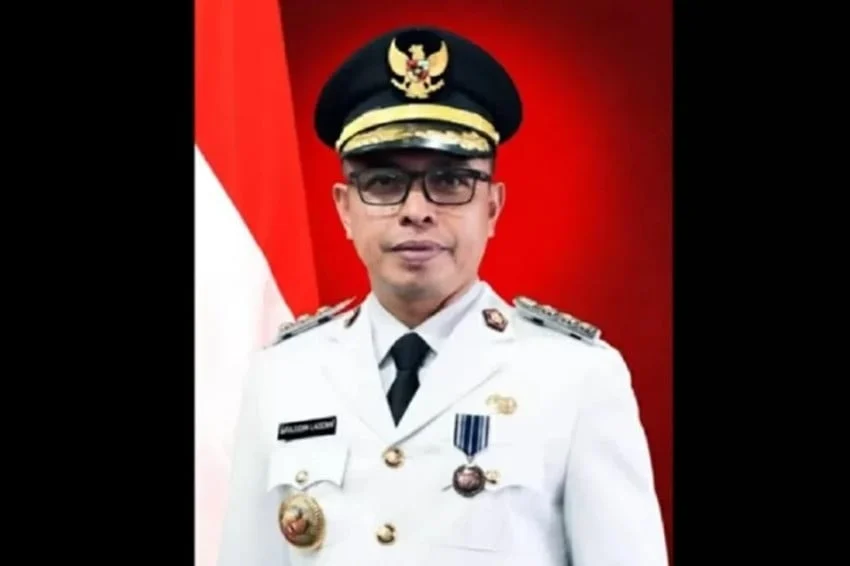
Jakarta — In a sweeping series of coordinated enforcement operations spanning three distinct regions, the Corruption Eradication Commission (KPK) has detained the Regent of Bolaang Mongondow Utara (Bolmut), Sirajudin Lasena, alongside 13 other individuals. The high-profile sting operation, commonly referred to as an Operasi Tangkap Tangan (OTT), centers on allegations of systemic corruption, illicit kickbacks, and bribery connected to public infrastructure development, specifically municipal road construction projects managed by the local government.
The anti-graft agency’s latest intervention underscores an ongoing, aggressive campaign by federal authorities to root out fiscal malpractice in Indonesia’s regional administrations. By targeting procurement processes at the municipal level, the KPK continues to signal that decentralization funds and regional infrastructure budgets remain under intense federal scrutiny.
Scope of the Operation and Geographic Spread
According to official statements released by the anti-graft commission, the comprehensive crackdown involved simultaneous deployments across three separate provinces. KPK spokesperson Budi Prasetyo confirmed that out of the 14 individuals taken into custody, five were apprehended in the capital city of Jakarta, eight were detained in various locations across North Sulawesi, and one suspect was secured in the neighboring province of Gorontalo.
The multi-jurisdictional nature of the operation suggests a complex network of coordination between regional officials and external stakeholders, potentially involving capital-based intermediaries, municipal department heads, and private-sector contractors. Among those detained alongside Regent Sirajudin Lasena are key municipal figures, including the local Head of the Public Works and Spatial Planning (PUPR) Department, several regional civil servants (ASN), and representatives from private construction firms.
In addition to securing the suspects, enforcement teams seized substantial physical evidence. Initial estimates from the field indicate that investigators recovered cash equivalent to hundreds of millions of rupiah, believed to constitute illicit fees or advance payments tied to public procurement contracts.
Allegations and the Core of the Investigation
The primary axis of the corruption inquiry involves procurement irregularities within the Bolaang Mongondow Utara Public Works and Spatial Planning (PUPR) Department. Investigators are focusing heavily on infrastructure projects, particularly municipal road construction and maintenance contracts awarded during the current fiscal cycle.
KPK officials have stated that the primary legal basis for the arrests involves the alleged acceptance of bribes, gratification, and unlawful fees by state administrators and regional public officials. Under Indonesian anti-corruption laws, regional heads and department directors are prohibited from soliciting or accepting gifts, commitments, or financial rewards from private contractors in exchange for securing public tenders or smoothing project administration.
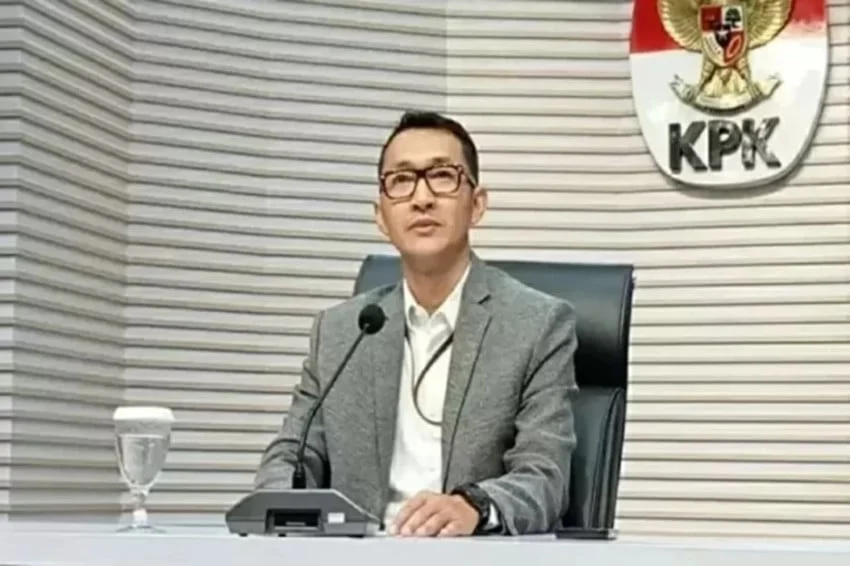
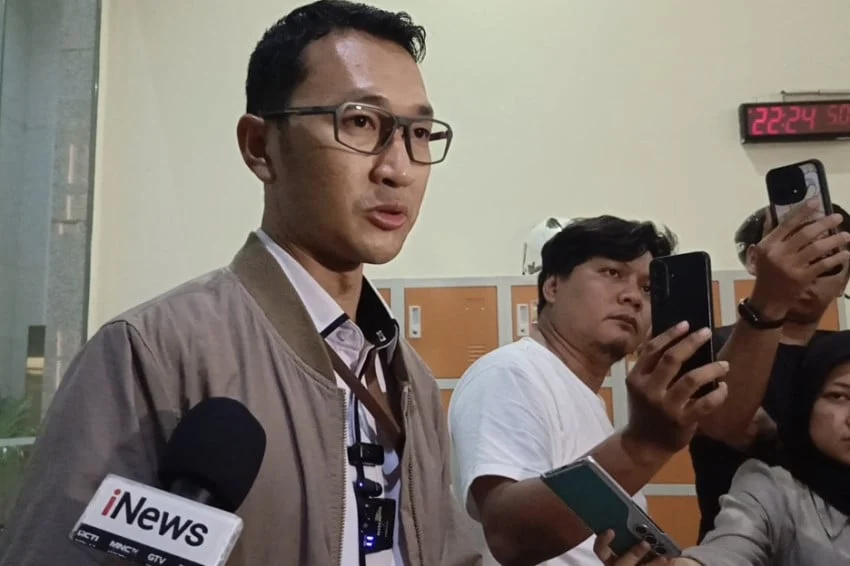
"This ongoing case is strongly suspected to involve the receipt of funds by state administrators within the regional government of Bolaang Mongondow Utara, specifically concerning projects slated for development within the district," Budi Prasetyo explained to members of the press during a briefing at the KPK Red and White Building in Jakarta.
Investigators are currently scrutinizing the precise mechanics of how these road projects were tendered. Authorities are examining whether standard procurement procedures were bypassed, whether specifications were intentionally compromised, and if tender documents were rigged to favor specific corporate entities in exchange for kickbacks delivered to high-ranking regional officials.
Background and Context: Regional Decentralization and Vulnerabilities
The arrest of Regent Sirajudin Lasena brings renewed attention to the structural vulnerabilities inherent in Indonesia’s regional autonomy framework. Since the sweeping decentralization reforms of the late 1990s and early 2000s, local governments have wielded significant authority over their own budgets, development priorities, and procurement portfolios. While this framework was designed to foster grassroots development and accelerate regional growth, it has frequently encountered governance challenges.
Municipalities in outlying districts often experience a concentration of power within the executive office of the Regent or Mayor. When institutional checks and balances—such as active local legislative oversight, transparent public procurement boards, and independent civil society monitoring—are weak, the risk of graft escalates significantly.
Road infrastructure projects represent some of the largest budget allocations in regional development portfolios across Indonesia. Because geographical conditions in regions like North Sulawesi and surrounding areas often require extensive civil engineering works, the financial scale of these contracts makes them prime targets for rent-seeking behavior. Contractors seeking to maximize profit margins frequently resort to illicit lobbying, while compromised officials view infrastructure budgets as private funding pools.
Over the past decade, the KPK has executed numerous stings targeting regional heads across the archipelago precisely over infrastructure procurement. These operations highlight a persistent structural flaw: despite repeated warnings and preventive workshops conducted by federal anti-graft bodies, local patronage networks continue to treat municipal projects as opportunities for personal enrichment.
Chronology of Events and Immediate Legal Procedures
While the precise timeline leading up to the public arrests remains part of an ongoing operational dossier, sting operations of this magnitude typically require months of meticulous intelligence gathering, wiretapping authorization, and surveillance.
- Initial Intelligence Phase (Months Prior): KPK intelligence units receive credible reports regarding systematic extortion and fee-skimming within the Bolaang Mongondow Utara PUPR Department. Reports indicate that contractors are being forced to pay high percentages upfront to secure road construction packages.
- Surveillance and Target Mapping: Investigators map out the financial transactions, communication logs, and physical movements of key suspects, including the Regent, department heads, and corporate liaisons operating across North Sulawesi, Gorontalo, and Jakarta.
- Execution Day (The OTT): Acting on real-time intelligence that a financial transaction or handover of illicit funds is imminent, KPK strike teams deploy simultaneously across Jakarta, North Sulawesi, and Gorontalo.
- Detentions and Seizures: Enforcement officers apprehend 14 individuals, including Regent Sirajudin Lasena and the local PUPR Head. Investigators seize cash totaling hundreds of millions of rupiah as physical evidence of the alleged bribery scheme.
- Transfer and Initial Interrogation: Suspects detained outside Jakarta are transferred to the KPK headquarters for intensive, 24-hour questioning to determine the full chain of command and the ultimate beneficiaries of the scheme.
- Formal Determination of Status: Following the statutory 24-hour investigative window, the KPK holds a press conference to formally announce suspect statuses, detainment orders, and the specific statutory articles violated under the Indonesian Anti-Corruption Law.
Official Responses and Institutional Reactions
As news of the operation reverberated across North Sulawesi and national media outlets, reactions from regional governance bodies, legal analysts, and civil society organizations were swift.
Regional government representatives in Bolmut have faced immediate pressure to ensure administrative continuity. Under regional governance regulations, when a regent is detained on corruption charges, provincial authorities and the Ministry of Home Affairs typically step in to appoint an acting leader to prevent municipal paralysis. Basic public services, civil servant payrolls, and ongoing administrative tasks must continue uninterrupted despite the sudden vacancy at the top of the local government.
Legal experts tracking the case emphasize that the multi-city arrests demonstrate the KPK’s renewed capacity to dismantle complex networks that span far beyond regional boundaries. By securing suspects not only in North Sulawesi and Gorontalo but also in Jakarta, investigators have indicated that the distribution of illicit proceeds or lobbying efforts may have reached the national capital.
Civil society organizations focused on transparency and good governance have seized upon the incident to reiterate calls for systemic administrative reform. Anti-corruption watchdogs argue that arresting individual regional heads, while necessary, represents merely a reactive measure. True reform requires the digital transformation of all procurement processes—ensuring that every phase of a public road project, from initial tender to final audit, is fully transparent, trackable by the public, and impervious to executive tampering.
Broader Implications for Regional Governance and Public Trust
The arrest of Sirajudin Lasena carries profound implications for the political landscape of Bolaang Mongondow Utara and serves as a cautionary tale for regional administrations nationwide.
First, it deals a severe blow to public trust in local governance. Citizens dependent on safe, reliable infrastructure—such as properly paved roads that connect rural agricultural centers to urban markets—suffer directly when project budgets are siphoned off through bribery and administrative corruption. Substandard construction resulting from skimmed budgets leads to rapid road deterioration, necessitating repeated repairs that drain public coffers year after year.
Second, the case reinforces the reality that regional executives operate under intense federal scrutiny. With electronic auditing systems, mandatory transparency portals, and the KPK’s active intelligence networks, the margin for covert financial misconduct is narrowing.
As the legal process unfolds, the KPK is expected to trace the full financial trail of the seized funds, interrogate the corporate entities involved in the road projects, and determine whether additional public officials or legislative figures played a role in the alleged conspiracy. The findings from this investigation will likely serve as a pivotal test case for the enforcement of integrity standards in regional infrastructure development across Indonesia.