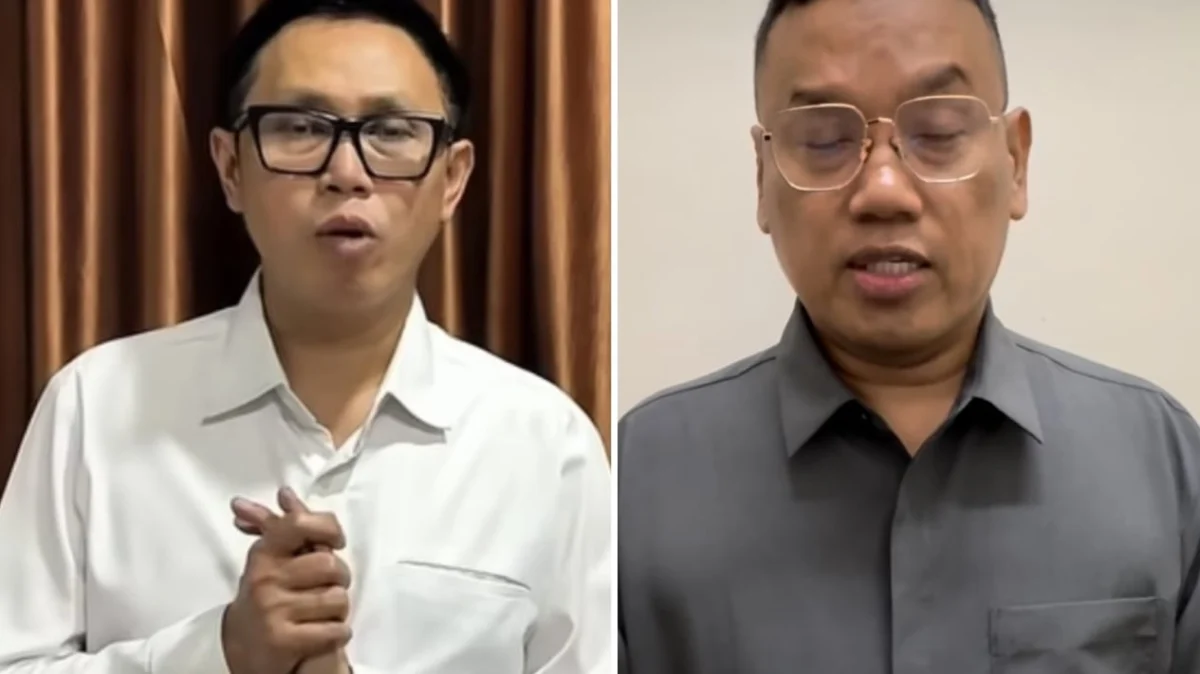
Jakarta, VIVA – The political landscape in Indonesia frequently sees the convergence of popular culture and legislative power, a phenomenon exemplified by the careers of Eko Hendro Purnomo, widely known as Eko Patrio, and Surya Utama, or Uya Kuya. Both prominent figures in the entertainment industry transitioned into the realm of parliamentary politics, securing seats in the Dewan Perwakilan Rakyat (DPR RI) under the banner of the National Mandate Party (PAN). However, recent developments have brought their political status into question, with the party confirming their non-active membership, a decision that has sparked discussions regarding party discipline, political strategy, and the future of celebrity politicians.
The Status Quo: Non-Active Membership Confirmed
On Wednesday, October 22, 2025, the National Mandate Party reiterated that Eko Patrio and Uya Kuya remain non-active members of the DPR RI. This confirmation came from Eddy Soeparno, the Deputy Chairman of PAN, who addressed media inquiries regarding the two politicians’ current standing within the party and the legislature. Soeparno stated, "Sejauh ini DPP PAN masih tetap statusnya menonaktifkan para anggota kita" (As of now, the PAN Central Executive Board still maintains the status of non-activating our members), effectively quelling any speculation that their status might have changed since the initial announcement. The decision to non-activate them was made public on Sunday, August 31, 2025, and became effective the following day, Monday, September 1, 2025. This move was formalized through a press release issued by the PAN Central Executive Board, signed by General Chairman Zulkifli Hasan and Deputy General Chairman Viva Yoga Mauladi. The statement, which was disseminated to various media outlets, explicitly outlined the party’s decision to suspend their active participation in parliamentary duties.
Background: From Entertainment Icons to Political Representatives
Eko Patrio and Uya Kuya built considerable reputations in Indonesia’s entertainment industry long before their foray into politics. Eko Patrio, known for his comedic prowess and television hosting, carved out a successful career spanning decades. His transition into politics saw him elected as a member of the DPR RI for multiple terms, representing various constituencies. His political journey, characterized by a blend of popular appeal and parliamentary engagement, positioned him as one of the more recognizable faces in the legislature. Similarly, Uya Kuya, a magician, presenter, and media personality, leveraged his widespread popularity to gain a seat in the DPR RI. His unique public persona and strong connection with a broad audience made him a formidable candidate, reflecting a growing trend of public figures translating their social capital into political influence.
Their presence in the DPR RI underscored a broader phenomenon in Indonesian politics where celebrities often find success in elections due to their existing name recognition and established fan bases. This trend highlights the evolving dynamics of political campaigning and voter engagement in a media-saturated environment. Both Eko and Uya, through their parliamentary roles, were expected to represent their constituents and contribute to the legislative process, balancing their public profiles with the responsibilities of public office.
The Chronology of Non-Activation: A Party Decision
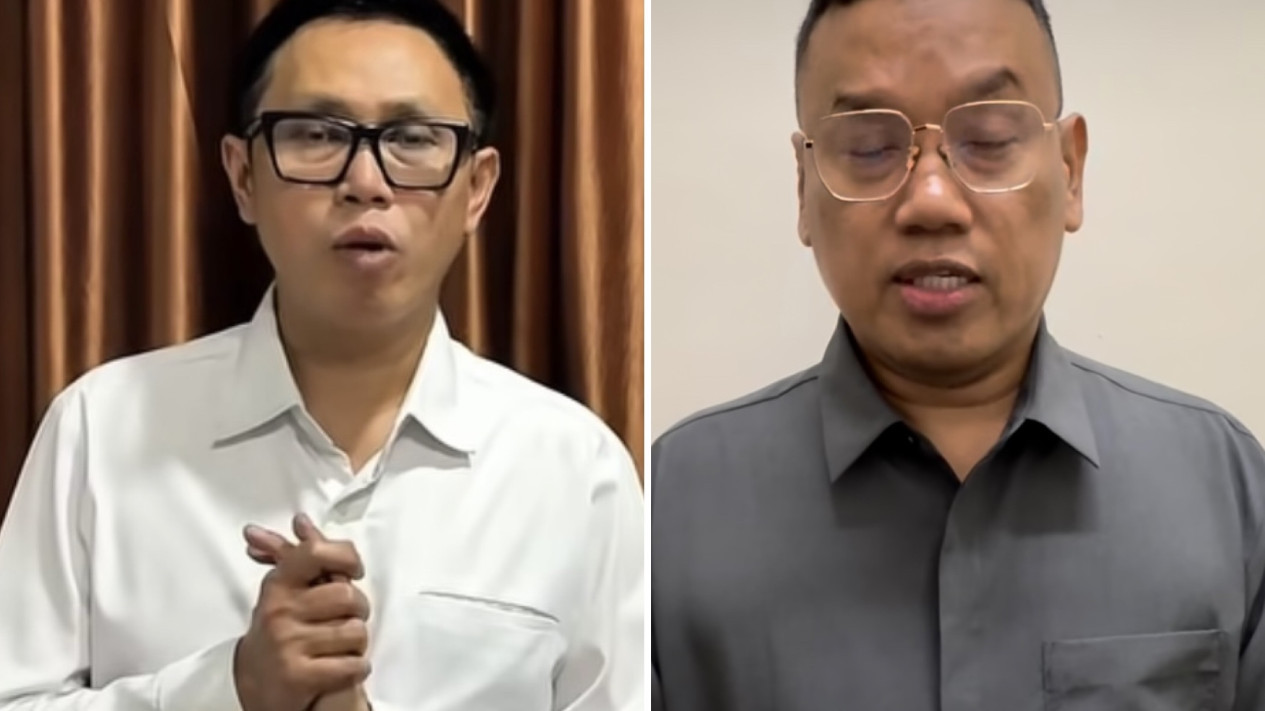
The decision to non-activate Eko Patrio and Uya Kuya from their DPR RI roles unfolded within a clear timeframe:
- August 31, 2025: The Central Executive Board of the National Mandate Party (DPP PAN) officially announced its decision to non-activate Eko Hendro Purnomo (Eko Patrio) and Surya Utama (Uya Kuya) from their positions as members of the DPR RI, representing the PAN Faction. The announcement was made via a press release, indicating a formal and deliberate party directive. The release cited "Mencermati dinamika dan perkembangan saat ini" (Observing current dynamics and developments) as the underlying reason for the decision, a phrase that often implies strategic internal party considerations or responses to broader political shifts.
- September 1, 2025: The non-activation became effective. From this date forward, both individuals ceased to actively perform their duties as members of parliament, although their official membership status within the party might remain intact, albeit in a non-active capacity regarding their legislative roles.
- October 22, 2025: Deputy Chairman of PAN, Eddy Soeparno, publicly confirmed that the non-active status for both Eko Patrio and Uya Kuya remains unchanged. He emphasized that the party’s leadership, specifically General Chairman Zulkifli Hasan, would determine any future developments or changes to their status. This statement solidified the party’s consistent stance on the matter and indicated that no immediate reversal or alteration of the decision was on the horizon.
The formal nature of the announcement, signed by both the General Chairman and a Deputy General Chairman, underscores the significance of this decision within PAN’s internal structure and its implications for the party’s public image and political strategy.
PAN’s Official Stance and Underlying Motivations
While the official statement from PAN cited "observing current dynamics and developments" as the reason for the non-activation, the specific triggers or detailed justifications remain somewhat opaque. In Indonesian political party dynamics, such general statements often cover a range of internal or external factors, including:
- Party Discipline and Cohesion: Political parties frequently implement measures to ensure that their members align with the party’s official stance, policies, and strategic objectives, especially within a coalition government. Discrepancies in public statements, voting records, or adherence to party directives could lead to disciplinary actions.
- Strategic Reshuffling or Preparation for Future Roles: With the mention of supporting President Prabowo Subianto’s administration in the original press release, it’s plausible that PAN might be strategically positioning its members for potential roles in the executive branch or preparing for upcoming political contests. Non-activating legislative members could free them up for other assignments or prevent conflicts of interest.
- Performance Review or Public Perception: While less likely to be publicly stated, internal assessments of a member’s performance or their public image might also play a role in party decisions, particularly for high-profile figures.
- Internal Party Dynamics: Political parties are complex organizations with various factions and power centers. Decisions like non-activation can sometimes be a result of internal power struggles, shifts in leadership priorities, or efforts to consolidate control.
Eddy Soeparno’s remarks on October 22, 2025, further clarified that the ultimate authority regarding the future of Eko and Uya lies with General Chairman Zulkifli Hasan. Soeparno explained, "Perkembangannya tentu kami menunggu arahan selanjutnya dari ketua umum dan akan nanti dikomunikasikan kepada pimpinan fraksi PAN" (For developments, we certainly await further directives from the general chairman and this will later be communicated to the leadership of the PAN faction). This hierarchical decision-making process is standard within Indonesian political parties, where the chairman often holds significant sway over personnel matters.
The original press release also included a notable appeal to the public: "Keterangan tersebut juga meminta agar masyarakat tetap tenang dan sabar serta percaya pada pemerintahan Presiden Prabowo Subianto. PAN menegaskan bahwa pihaknya bersama pemerintah akan selalu berpihak kepada rakyat." (The statement also urged the public to remain calm and patient and to trust the administration of President Prabowo Subianto. PAN affirmed that it, along with the government, would always side with the people.) This particular phrasing suggests a strong emphasis on party loyalty and support for the current government, implying that the non-activation decision might be intertwined with PAN’s broader political alignment and commitment to the ruling coalition.
Implications for Eko Patrio and Uya Kuya’s Political Careers
The non-active status carries significant implications for both Eko Patrio and Uya Kuya. While "non-active" is not synonymous with outright dismissal, it effectively suspends their legislative duties and influence within the DPR RI. This means they are no longer actively participating in parliamentary sessions, committee meetings, or legislative processes.

For individuals who have invested considerable time and effort in building their political careers, such a status can be a setback. It limits their platform for public service and their ability to directly represent their constituents in the legislative body. Their future political trajectories will largely depend on the "further directives" from PAN’s General Chairman. Potential scenarios include:
- Reactivation: Should the party’s strategy shift or the underlying "dynamics and developments" change, they could theoretically be reactivated and resume their legislative duties.
- New Appointments: It is not uncommon for non-active legislative members to be considered for other roles, such as positions within the executive branch (e.g., as special staff, advisors, or even ministerial roles, although this is more common for full resignations).
- Preparation for Next Elections: Their non-active status could also be a strategic pause, allowing them to focus on other party assignments or prepare for re-election campaigns in future electoral cycles, potentially with a renewed mandate or in a different capacity.
- Eventual Resignation or Replacement: If the non-active status becomes permanent, it could eventually lead to their formal resignation from the DPR RI, paving the way for a replacement from the party’s list of reserve candidates.
The absence of public statements from Eko Patrio or Uya Kuya themselves since the announcement also suggests an adherence to party protocol, where internal party decisions are often respected without public dissent. Their continued silence indicates a deference to the party leadership’s decision-making process.
Broader Implications for PAN and Indonesian Politics
The non-activation of two high-profile members like Eko Patrio and Uya Kuya has broader implications for the National Mandate Party and the landscape of Indonesian politics:
- Party Discipline and Control: This move underscores PAN’s commitment to maintaining party discipline and ensuring that its members adhere to the central leadership’s directives. It sends a clear message to other party members about the importance of alignment with party strategy, particularly within a coalition government where unity is crucial.
- Coalition Dynamics: As a member of the ruling coalition supporting President Prabowo Subianto, PAN’s internal decisions often reflect its role in the broader political alliance. The emphasis on trusting the Prabowo administration suggests that PAN is keen to present a united front and contribute effectively to the government’s agenda. This non-activation could be part of a larger strategy to streamline the party’s representation or prepare for new governmental structures.
- Future of Celebrity Politicians: While Eko and Uya’s cases are specific to PAN’s internal dynamics, they contribute to the ongoing discourse about celebrity involvement in politics. It highlights that even popular figures are subject to party rules and strategic decisions, reminding observers that political careers are not solely built on popularity but also on party loyalty and strategic utility.
- Transparency and Public Scrutiny: The vague explanation for the non-activation ("dynamics and developments") may invite public scrutiny and speculation. In a democratic context, greater transparency regarding such significant party decisions can help build public trust and understanding.
The Path Forward: Awaiting Further Directives
As of late October 2025, the situation remains in a holding pattern, with the ball firmly in General Chairman Zulkifli Hasan’s court. The party’s public stance is one of patience and adherence to the leadership’s upcoming directives. The "komunikasi kepada pimpinan fraksi PAN" (communication to the leadership of the PAN faction) mentioned by Eddy Soeparno indicates that any future decisions will be disseminated through established party channels.
For the public, especially the constituents who voted for Eko Patrio and Uya Kuya, the waiting period might raise questions about representation and the continuity of legislative work. However, political parties in Indonesia typically have mechanisms to ensure that vacant or non-active seats are eventually filled or managed to maintain parliamentary functionality.
The non-activation of Eko Patrio and Uya Kuya serves as a potent reminder of the complexities of political life, even for those who enter it with significant public recognition. It illustrates the paramount role of party leadership in shaping the careers of its members and the continuous strategic adjustments that political parties undertake in response to an ever-evolving political landscape. The final chapter in the political journeys of Eko Patrio and Uya Kuya, at least concerning their DPR RI roles, remains to be written, pending the definitive word from the National Mandate Party’s highest echelons.