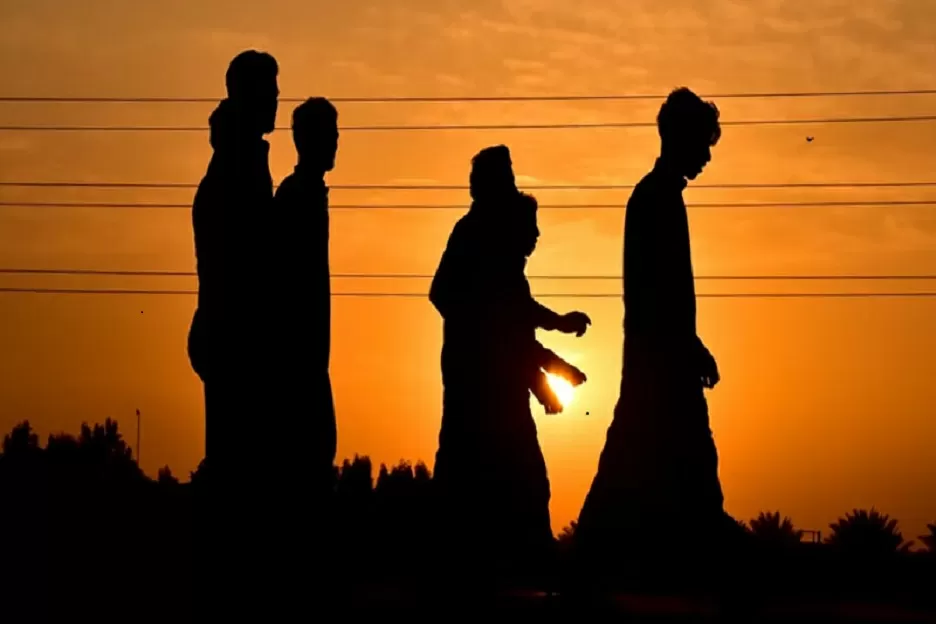
In an era defined by rapid technological advancement, digital connectivity, and increasing urbanization, the foundational interpersonal ethics of Islam are paradoxically becoming scarce in daily life. While religious rituals such as prayer and fasting remain central to the identity of practicing Muslims, the fundamental moral behaviors that govern day-to-day social interactions are frequently overlooked. Addressing this growing disconnect, religious scholars and community leaders have renewed calls for the revival of core Islamic manners—known as akhlaq and adab—arguing that without these basic principles, the social fabric of the contemporary Muslim community risks severe deterioration.
Drawing from recent religious lectures and traditional Islamic jurisprudence, contemporary discourse highlights five fundamental character traits that every Muslim is expected to embody. These principles, though seemingly simple, serve as the bedrock of an empathetic, cohesive, and spiritually grounded society. The erosion of these traits in modern public spaces has prompted a re-evaluation of how religious teachings are applied outside the confines of the mosque.
The Erosion of Everyday Ethics in the Modern Era
Sociological and religious analyses indicate that modern lifestyles, characterized by individualism and high-stress urban environments, have significantly altered human interactions. Public spaces—once domains of communal bonding and neighborly recognition—have transformed into transactional zones where individuals frequently operate in isolation, shielded by personal devices and hurried routines.
According to religious educators, this shift has created a paradoxical reality: Muslims may meticulously observe formal acts of worship yet neglect the interpersonal ethics that Prophet Muhammad was sent to perfect. In a comprehensive discourse on Islamic ethics, Ustaz Azzam ad-Dasuqi, a prominent speaker and representative of Islamic outreach organizations, emphasized that the absence of basic moral foundations severely impacts the collective integrity of contemporary Muslims. He outlined five indispensable traits that must manifest in daily life to restore the equilibrium of Muslim society.
1. The Power of a Smile as Social Currency
The first foundational trait is the simple act of smiling at fellow human beings. Far from being merely a physiological reaction to humor, a smile holds profound theological and social significance in Islamic tradition.
In a well-documented tradition recorded in Jami at-Tirmidhi (Hadith No. 1879), the companion Abu Dzar al-Ghifari narrated that the Prophet Muhammad stated, "Your smile for your brother is charity for you." Furthermore, prophetic traditions explicitly warn against underestimating minor acts of kindness, including meeting fellow believers with a cheerful and open countenance.
From a sociological perspective, the deliberate practice of smiling introduces positive reinforcement into public spaces. Modern behavioral science supports this ancient premise, indicating that non-verbal cues such as facial expressions significantly reduce social friction, lower perceived hostility, and foster trust. In densely populated modern cities where anonymity often breeds suspicion, the intentional act of smiling acts as an immediate de-escalation tool and a bridge between strangers.
2. Spreading Salutations and Fostering Unity
The second essential habit is the widespread dissemination of the Islamic greeting—Assalamu alaikum (peace be upon you)—coupled with active verbal recognition and polite engagement.
Islamic theology places immense emphasis on the greeting of peace as a primary mechanism for cultivating mutual affection. In a narration from Sahih Muslim (Hadith No. 81), the Prophet Muhammad explicitly linked interpersonal love with faith, stating, "You will not enter Paradise until you believe, and you will not believe until you love one another. Shall I guide you to something which, if you do it, you will love one another? Spread salam among yourselves."
Historically, the dissemination of greetings was not restricted to acquaintances or members of one’s immediate social circle. Classical interpretations of Islamic etiquette emphasize that greetings should be offered to both familiar individuals and strangers alike, serving to dismantle social hierarchies and bridge economic divides.
In contemporary urban settings, however, the practice of greeting strangers has drastically declined due to prevailing safety concerns and cultural shifts toward privacy. Scholars argue that reclaiming this practice does not require compromising personal safety, but rather involves restoring a baseline level of communal acknowledgment—such as nodding, offering a polite verbal greeting, or recognizing the presence of neighbors, coworkers, and community members.
3. Cultivating Humility and Respect in Public Interactions
Beyond smiles and greetings, the broader framework of adab requires a continuous display of humility and mutual respect. Modern communication often suffers from a lack of emotional intelligence, driven by digital interactions that lack tone, context, and physical presence.
When applied to physical spaces, Islamic ethics demand that individuals moderate their voices, respect personal boundaries, and treat others with inherent dignity regardless of their social or economic status. The absence of these traits in modern public discourse—often exacerbated by polarized debates on social media—has spilled over into physical communities, resulting in heightened impatience, road rage, and general civic apathy.
4. Patient Endurance and Social Tolerance
The fourth pillar within the framework of foundational ethics involves exercising patience and forbearance in daily transactions. Urban congestion, economic pressures, and competitive work environments frequently test the patience of modern citizens.
Islamic teachings consistently position patience (sabr) not merely as passive endurance during times of hardship, but as an active moral choice during routine interactions. Whether dealing with difficult customers, delayed services, or differing opinions within a community, the ethical mandate requires individuals to respond with composure rather than aggression. The decline of this trait is frequently cited as a primary catalyst for the rising incidence of petty conflicts in public spaces.
5. Ethical Responsibility and Integrity in Public Spaces
The final foundational characteristic centers on personal accountability and reliability within the community. A true reflection of Islamic character, according to traditional scholarship, is found in how an individual treats the vulnerable, honors commitments, and maintains honesty in commercial and social dealings.
In an increasingly digitized economy, the erosion of trust has necessitated complex legal frameworks and monitoring systems. However, religious scholars argue that external laws cannot substitute for internal moral compasses. When individuals internalize the ethical imperative to act with absolute integrity, the burden on judicial and administrative systems is significantly reduced.
Broader Implications and Socio-Cultural Analysis
The discussion surrounding the revival of these five basic ethics extends beyond purely religious circles, touching upon broader sociological concerns regarding mental health, social cohesion, and community resilience.
Psychologists note that modern urban isolation is directly linked to rising rates of anxiety, depression, and social alienation. Simple, low-cost interventions—such as genuine eye contact, warm greetings, and expressions of goodwill—have been proven to stimulate oxytocin production, reduce stress hormones, and foster a sense of belonging. Therefore, the enforcement of Islamic interpersonal ethics aligns closely with modern public health recommendations for community well-being.
Furthermore, economists and urban planners recognize that high-trust societies experience lower transaction costs, greater economic cooperation, and superior crisis management capabilities. When citizens routinely practice basic civility and mutual respect, the overall quality of life within a municipality improves tangibly.
Conclusion and Future Outlook
The observation that basic Islamic manners are becoming increasingly rare serves as both a critique of modern lifestyles and a call to action for religious communities. Bridging the gap between ritual observance and ethical application requires a conscious, daily effort by individuals to reintegrate foundational habits into their routines.
Religious institutions, community leaders, and educators face the ongoing challenge of translating ancient texts into actionable, modern behaviors. By emphasizing practical ethics—such as smiling, spreading greetings, exercising patience, and maintaining integrity—communities can foster environments characterized by empathy, safety, and mutual respect. Ultimately, the revitalization of these five character traits offers a pathway not only to spiritual fulfillment, but to the creation of healthier, more harmonious modern societies.