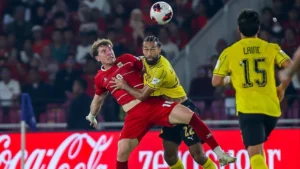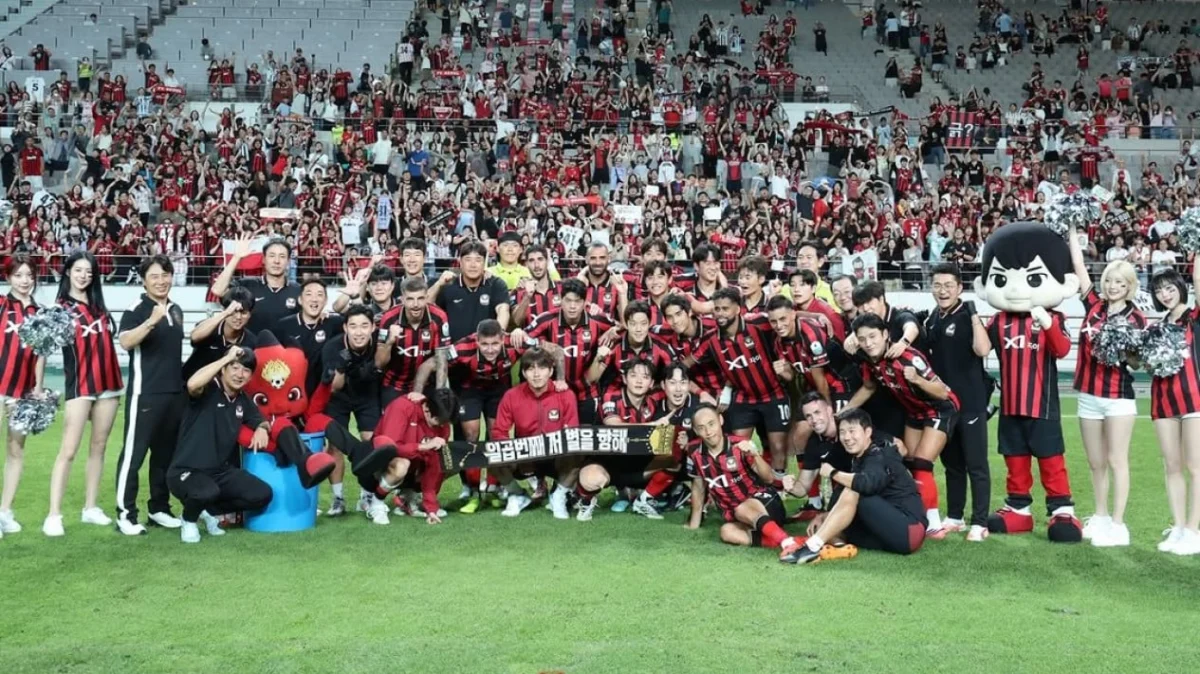
Persib Bandung faces a monumental test on Wednesday, September 16, 2026, as the Indonesian powerhouse travels to the Korean Peninsula to lock horns with K League 1 giants FC Seoul. Scheduled for the Seoul World Cup Stadium, this high-profile fixture marks the opening matchday of the Group E campaign in the 2026/2027 AFC Champions League Two (ACL Two). For the visiting Maung Bandung, this encounter represents not only a rigorous sporting challenge on foreign soil but also an opportunity to measure their capabilities against some of the finest tactical minds and athletic talents in East Asian club football.
FC Seoul, historically known as the Dark Red Warriors, enters this continental showdown draped in an aura of formidable pedigree. While Indonesian football enthusiasts follow Persib’s domestic and international ambitions closely, the Korean side commands widespread respect due to its rich history, tactical sophistication, and current domestic dominance. Understanding the magnitude of this fixture requires a deep dive into the background, current form, and structural characteristics of the South Korean powerhouse.
Historical Pedigree and Domestic Dominance
At the foundation of FC Seoul’s reputation is a glittering history within the top tier of South Korean football. The club has secured six K League 1 titles, establishing itself as a permanent fixture among the elite echelons of the domestic league. Beyond its historical trophy cabinet, the club’s contemporary form heading into the September 2026 fixture underscores a relentless standard of excellence.
Under the astute guidance of head coach Kim Gi-dong, FC Seoul has exhibited remarkable consistency throughout the 2026 domestic season. The team sits comfortably at the summit of the K League 1 table, demonstrating a level of tactical discipline and execution that has left domestic rivals trailing in their wake. Most impressively, the Dark Red Warriors boast a commanding 15-point lead over their closest challengers, Ulsan HD. This statistical chasm not only highlights their suffocating dominance domestically but also cements their status as heavy favorites to claim yet another K League crown. For Persib Bandung, confronting an adversary operating at the absolute peak of domestic confidence presents a daunting hurdle, requiring near-flawless tactical execution from the Indonesian side.
An Iconic Venue steeped in Football History
The setting for this Group E opener adds another layer of prestige and atmospheric intensity to the contest. Persib Bandung will step onto the pitch at the Seoul World Cup Stadium, a venue etched into the annals of global football history.
Constructed ahead of the 2002 FIFA World Cup—co-hosted by South Korea and Japan—the stadium remains one of the premier sporting arenas in Asia. With a colossal seating capacity exceeding 66,000 spectators, the venue has frequently served as a fortress for both the South Korean national team and FC Seoul. The imposing architecture, combined with the passionate and synchronized chanting of the home supporters, creates an intimidating environment for visiting clubs. Navigating the psychological pressure of playing inside such a historic and expansive arena will be a critical test of character for Bojan Hodak’s squad, who must maintain composure amid the cauldron of the Seoul World Cup Stadium.
Strategic Rotation and the Integration of Youth
Despite their overwhelming strength, FC Seoul enters this continental fixture navigating the grueling demands of a congested match calendar. Just days prior to welcoming the Indonesian side, the Dark Red Warriors engaged in a physically draining and high-intensity domestic clash against Jeonbuk Hyundai Motors.
In response to this demanding schedule, head coach Kim Gi-dong has strongly hinted at a strategic squad rotation. Tactical assessments indicate that the technical staff may rest several key regular starters, opening the door for fringe players and exceptional young talents to make their mark. Notably, products of the esteemed Osan High School academy—FC Seoul’s primary youth development pipeline—are expected to feature in the matchday squad.
While this rotation might suggest a slight vulnerability on paper, it introduces an unpredictable dynamic for Persib Bandung. Hungry for regular minutes and eager to impress the coaching staff, these emerging talents often bring immense energy, unpredictability, and relentless work rates to the pitch. The Indonesian defensive line must remain vigilant against youthful exuberance, as these players will view the continental stage as a vital stepping stone in their professional careers.
High-Intensity Transitions and Physicality
A rigorous analysis of FC Seoul’s tactical profile reveals a team engineered around modern, high-tempo principles. The Dark Red Warriors are renowned for utilizing a physically demanding style of play, characterized by aggressive high-pressing, robust defensive duels, and lightning-fast transitions from defense to attack.
Coach Kim Gi-dong’s tactical framework demands that his players win second balls, compress space quickly in the middle third, and exploit vertical passing lanes the moment possession is regained. This seamless shift from a rigid defensive block to a blistering counter-attack is designed to overwhelm opponents before they can structurally reorganize.
For Persib Bandung, neutralizing this specific tactical threat will dictate the outcome of the match. The Indonesian side’s midfield engine room must manage the tempo of the game carefully, avoiding careless turnovers in dangerous areas that could trigger FC Seoul’s rapid offensive sequences. Effective ball retention, intelligent spatial awareness, and physical resilience will be mandatory requirements for the visitors.
Chronology and Context of the ACL Two Campaign
The fixture on Wednesday, September 16, 2026, initiates a grueling journey for both clubs in the second tier of Asian club football. The Asian Football Confederation (AFC) restructured its club competitions to create the AFC Champions League Two, providing an elevated platform for clubs outside the traditional superpower leagues to showcase their talents on a continental scale.
For Persib Bandung, qualifying for this stage of the competition is a testament to the club’s resurgence in Indonesian domestic football. The club’s administration and technical staff spent the preceding months reinforcing the squad depth, aiming to balance the rigorous demands of Liga 1 with the logistical and athletic challenges of continental travel.
The preparation timeline for this specific match involved weeks of tactical video analysis, physical conditioning tailored to counter high-pressing opponents, and logistical coordination to ensure the squad acclimatized to the conditions in South Korea. Traveling away from home against a club in peak domestic form requires meticulous planning, from nutrition and recovery protocols to psychological readiness.
Official Responses and Technical Perspectives
In the lead-up to the match, representatives from both camps have shared insights into their preparations and expectations. Speaking to local media, FC Seoul’s coaching staff emphasized respect for the tournament while maintaining absolute confidence in the depth of their squad. Coach Kim Gi-dong stressed the importance of squad management, noting that the heavy demands of the K League 1 title race necessitate utilizing the entire roster without lowering the team’s competitive standards.
Meanwhile, inside the Persib Bandung camp, the mood is one of focused determination. Speaking through pre-match press briefings, the technical staff acknowledged the immense quality and domestic dominance of their opponents. However, the management underscored that continental football often produces unexpected results when underdogs execute their tactical game plans with absolute discipline. The players have been urged to embrace the challenge, view the Seoul World Cup Stadium as an inspiring stage rather than an intimidating obstacle, and fight for every ball across the ninety minutes.
Broader Implications and Strategic Analysis
The Group E encounter carries significant implications beyond the immediate three points. For FC Seoul, a strong start in the ACL Two is essential as they balance their domestic championship ambitions with continental silverware aspirations. A failure to secure a victory at home against a Southeast Asian opponent would disrupt their momentum, whereas a convincing win would validate the depth and quality of their squad.
For Persib Bandung, the match serves as a crucial barometer of the current standing of Indonesian club football on the continental stage. Securing a positive result—whether a hard-fought draw or a historic victory—would not only boost their qualification prospects in Group E but also elevate the global profile of Indonesian football. Conversely, a heavy defeat would expose the structural and tactical gaps that still exist between Southeast Asian clubs and the elite powerhouses of East Asia.
As the referee prepares to blow the opening whistle at the Seoul World Cup Stadium on September 16, 2026, the stage is set for a compelling tactical chess match. Whether FC Seoul’s youthful rotation and relentless transitions overwhelm the visitors, or whether Persib Bandung’s disciplined resilience yields a memorable upset, the opening chapter of Group E promises to deliver high drama and compelling footballing narratives.