
• Home
GKF Media
keep your memories alive
Sports

Bundesliga Makes History: Marie-Louise Eta Becomes First Female Head Coach in German Top Flight, Vincent Kompany Hails Milestone

by Rifan Muazin July 4, 2025
written by Rifan Muazin

Berlin, Germany – April 15, 2026 – The German Bundesliga has officially etched its name into the annals of men’s football history with the groundbreaking appointment of Marie-Louise Eta as the first female head coach of a team in the German top tier. This progressive move positions Eta as the first woman to manage a men’s team in one of Europe’s top five leagues, a development that has resonated across the footballing world.

The significance of this appointment has not gone unnoticed by prominent figures within the sport. Vincent Kompany, the current head coach of Bayern Munich and a former captain of Manchester City, has lauded Union Berlin’s decision as a crucial breakthrough that transcends mere tactical considerations on the pitch. His endorsement underscores the broader societal and cultural implications of Eta’s ascent.

A Pivotal Moment for Future Generations

Kompany emphasized that this milestone should not be underestimated. He articulated that Eta’s presence on the touchline of a men’s professional team will undoubtedly exert a substantial psychological influence on young girls who harbor aspirations of forging careers in football coaching. The symbolism of seeing a woman in such a prominent leadership role is expected to break down long-standing barriers and inspire a new wave of female talent.

"I am incredibly happy for her," Kompany stated, as quoted by the official Bundesliga website on Wednesday. "It is very easy to underestimate a moment of importance like this and say that she is just a coach like any other. However, at the end of the day, this is something very special."

Kompany further elaborated on the ripple effect of this appointment, suggesting that it inherently "opens doors" for a greater number of women to pursue elite careers within men’s professional football. This sentiment highlights the potential for a paradigm shift in how coaching roles are perceived and accessed, moving beyond traditional gender stereotypes.

Kompany’s Call for Patience and Understanding

While offering his unequivocal support for Eta, Kompany also conveyed an important message to the public and the club’s management regarding the challenges the pioneering coach will inevitably face. He expressed a hope that Eta would not be subjected to undue pressure simply because of her trailblazing status.

"My only hope is that she is not treated differently because she is a woman, and that people can be more patient," the Belgian coach added. "Coaching is a profession that requires patience." This plea for measured expectations is crucial, recognizing that Eta’s performance will be scrutinized through a unique lens, and that fostering a supportive environment is paramount for her success and for the future of women in coaching.

The Path to the Bundesliga Dugout: A Chronology

Marie-Louise Eta’s journey to this historic position has been marked by dedication and a demonstrated ability to excel. Her background includes experience in various coaching capacities within the German football system. While specific details of her early coaching career might be extensive, her recent work with Union Berlin’s youth or women’s teams is understood to have laid the groundwork for this promotion.

The initial plan, as reported, was for Eta to take charge of Union Berlin’s women’s team in the upcoming summer. However, her performance and commitment within the club evidently impressed the hierarchy, prompting them to consider her for a more prominent role. This adaptability and recognition of merit are indicative of a forward-thinking club culture.

The decision to elevate Eta to the men’s first team was not made lightly. It follows a period of careful consideration and likely involved extensive evaluations of her coaching acumen, leadership potential, and strategic understanding of the game. Union Berlin’s Director of Professional Football, Horst Heldt, has indicated that all options remain open regarding Eta’s long-term future with the men’s team, suggesting a commitment to a merit-based progression rather than a tokenistic gesture.

Data and Context: The Landscape of Women in Football Leadership

The appointment of Marie-Louise Eta occurs at a time when the global football community is increasingly acknowledging the need for greater diversity and inclusion in all areas of the sport. While women’s football has seen significant growth in recent years, opportunities for women in leadership roles within men’s professional football have remained exceedingly rare.

According to data from UEFA, the percentage of female coaches in professional men’s leagues across Europe has historically been negligible. This lack of representation highlights the systemic barriers that have historically prevented women from accessing these positions, including ingrained biases, limited networking opportunities, and a lack of visible role models.

The top five European leagues – the Premier League (England), La Liga (Spain), Serie A (Italy), Bundesliga (Germany), and Ligue 1 (France) – have, until now, not featured a female head coach for any of their men’s teams. Eta’s appointment in the Bundesliga therefore marks a significant departure from the status quo and sets a precedent that other leagues may eventually follow.

Union Berlin’s Strategic Vision and Eta’s Debut

Union Berlin, a club known for its passionate fanbase and strong community identity, has positioned itself as a progressive force with this decision. Their willingness to break traditional molds suggests a strategic vision that prioritizes talent and potential above all else.

Marie-Louise Eta has already taken the reins, leading her first training session with the Union Berlin squad. Her official debut on the touchline is slated for Saturday, April 18th, when Union Berlin faces off against Wolfsburg. This match will be closely watched, not only for the sporting outcome but also for the historical significance of Eta’s presence in the dugout.

The club’s management, through Horst Heldt, has indicated a pragmatic approach to Eta’s tenure. The statement that "all options remain open regarding her long-term future" suggests that her success will be evaluated based on performance, allowing for a natural progression or adaptation of her role based on her contributions and the team’s results. This approach avoids setting rigid expectations and allows for flexibility.

Broader Implications: Fostering Inclusivity and Challenging Norms

The implications of Marie-Louise Eta’s appointment extend far beyond the confines of Union Berlin and the Bundesliga. It represents a crucial step forward in challenging deeply ingrained gender stereotypes within the highly traditional world of professional men’s football.

Impact on Aspiring Coaches: For young girls and women who dream of a career in football, Eta’s success will serve as a powerful beacon of hope. Seeing a woman occupy such a high-profile coaching role can dismantle the perception that coaching is exclusively a male domain, thereby encouraging more women to pursue coaching qualifications and seek opportunities at all levels of the sport.

Shifting Perceptions and Media Scrutiny: The media attention surrounding Eta’s appointment is intense. While this offers an opportunity to highlight her capabilities, it also places her under a microscope. Kompany’s plea for patience is critical in ensuring that she is judged on her coaching merits rather than being solely defined by her gender. The footballing world will be watching how the media, fans, and opponents interact with her, setting a precedent for future appointments.

Organizational Change and Diversity Initiatives: This move by Union Berlin could catalyze broader discussions and actions within football organizations regarding diversity and inclusion policies. It demonstrates that with a willingness to challenge traditional norms, clubs can identify and promote talent from diverse backgrounds, ultimately enriching the sport. The success of Eta’s tenure could encourage other clubs to review their recruitment and development strategies for coaching staff.

The Future of Women in Football Leadership: The Bundesliga’s historic decision is more than just a single appointment; it is a signal that the landscape of football leadership is evolving. It poses a question to other major leagues: when will they follow suit? The hope is that this is not merely a symbolic gesture but the beginning of a sustained movement towards a more equitable and inclusive future for football, where talent and passion are the sole criteria for opportunity, regardless of gender.

This development is expected to foster a more inclusive culture within the sport, potentially leading to greater innovation and a broader range of perspectives in coaching and management. The long-term impact will depend on continued support, fair evaluation, and a collective commitment from the footballing community to embrace diversity at all levels.

July 4, 2025 0 comment
0 FacebookTwitterPinterestEmail
Sports

The 33rd Southeast Asian Games Commence in Thailand from December 9 to 20

by Jia Lissa July 4, 2025
written by Jia Lissa

The vibrant sporting spectacle of the 33rd Southeast Asian Games (SEA Games) is set to ignite the region as Thailand plays host to this prestigious event, scheduled to run from December 9 to 20. As the largest multi-sport gathering in Southeast Asia, the SEA Games have been a cornerstone of regional camaraderie and athletic excellence, held biennially during odd-numbered years. This quadrennial event, dedicated to athletes from ASEAN nations, operates under the auspices of the Southeast Asian Games Federation (SEAGF) and adheres to the governance frameworks set forth by the International Olympic Committee (IOC) and the Olympic Council of Asia (OCA).

A Legacy Forged in Friendship: The Genesis of the SEA Games

The origins of what is now known as the SEA Games can be traced back to the "Southeast Asian Peninsular Games" (SEAP Games). The initial spark for this regional sporting initiative was ignited in 1957 by Laung Sukhumnaipradit, then Vice President of the Thai Olympic Committee. Driven by a vision to foster deeper bonds of brotherhood among Southeast Asian nations through the unifying power of sport, Sukhumnaipradit also aspired to establish a regional competition that mirrored the standards and aspirations of larger international events like the Asian Games and the Olympic Games. This ambition was rooted in the desire to elevate the level of athletic development across ASEAN countries, creating a common benchmark for progress.

Sukhumnaipradit’s visionary idea was subsequently shared with Dave Kitcher, the then-coach of the Thailand Athletics Association. Recognizing the potential of this proposal, Kitcher took it upon himself to further discuss and champion the concept. In February 1958, from the 8th to the 4th (note: the original text has a slight discrepancy here, likely meaning February 8-12 or similar, but preserving the intent), Kitcher engaged in crucial discussions with representatives from Cambodia and Vietnam. These initial dialogues proved fruitful, with both nations lending their enthusiastic support to the burgeoning idea of a peninsular games.

The momentum continued to build, culminating in a pivotal meeting of the Thai Olympic Committee on February 22, 1958. This assembly was attended by representatives from Thailand, Cambodia, and Vietnam, alongside delegates from Myanmar, Laos, and Malaysia. In this landmark session, the participating nations reached a unanimous consensus to officially launch the Southeast Asian Peninsular Games (SEAP Games) in Bangkok, Thailand, with a proposed commencement in December 1958. Furthermore, the agreement stipulated that the Games would be held every two years, and a dedicated SEAP Games Federation Committee was established to oversee its operations. This foundational meeting marked the inception of the SEAP Games, with Thailand, Vietnam, Malaysia, Cambodia, Myanmar, and Laos proudly recognized as the founding nations.

From Peninsular Roots to Regional Dominance: The Evolution of the SEA Games

The inaugural SEAP Games officially took place in Bangkok, Thailand, from December 12 to 17, 1959. This historic event, though initially intended to include all six founding nations, saw Cambodia’s absence, with Singapore stepping in to fill the void. In the same year, Singapore formally became a member of the SEAP Games family, signaling the event’s growing regional appeal.

The evolution of the SEAP Games into the broader SEA Games was a gradual yet significant process. By the 8th edition of the Games in 1975, the Federation Committee made a landmark decision to expand its membership. Indonesia, Brunei Darussalam, and the Philippines were welcomed as new participants, officially joining the fold in 1977. This expansion necessitated a rebranding, and in the same year, the "SEAP Games Federation" was officially renamed the "Southeast Asian Games Federation" (SEAGF). Consequently, the "SEAP Games" were rebranded to the "SEA Games," reflecting its expanded geographical scope and increasing prominence.

The most recent expansion of the SEA Games membership occurred in 2003 when Timor-Leste became the eleventh nation to join the prestigious regional sporting event. This brought the total number of participating countries to the current count of eleven, solidifying the SEA Games as a truly pan-Southeast Asian athletic endeavor.

The Unique Allure of the SEA Games: A Platform for Cultural Expression

One of the most distinctive characteristics of the SEA Games, setting it apart from many other international sporting competitions, is the flexibility afforded to host nations in selecting additional sports for inclusion. Unlike the Olympic Games, where the program of sports is largely fixed, the SEA Games allow the host country to incorporate sports that are either locally popular or hold significant cultural importance. This policy serves as a powerful platform for host nations to showcase their rich heritage and unique national identity to a regional and international audience.

Examples of this cultural integration abound throughout the history of the SEA Games. In 2003, Vietnam, as host, introduced traditional sports such as bicycle rickshaw racing and pencak silat, a martial art widely practiced in the region. More recently, the Philippines, during its hosting in 2019, included obstacle course racing, a dynamic and challenging discipline. In the 2023 Games, Cambodia proudly presented its traditional martial art, bokator, a testament to its deep-rooted cultural practices. These inclusions not only add a unique flavor to the Games but also provide a valuable opportunity to preserve and promote indigenous sports and cultural practices.

The 2025 SEA Games: A Grand Spectacle in Thailand

The upcoming 33rd SEA Games in Thailand are poised to be a grand spectacle, featuring an impressive lineup of 50 different sports. This extensive program underscores the breadth of athletic talent and the diversity of sporting interests within Southeast Asia. Thailand, in its capacity as host, has strategically chosen three key locations to stage the various competitions: the bustling capital city of Bangkok, the coastal province of Chonburi, and the southern province of Songkhla. This geographical distribution aims to showcase the diverse landscapes and vibrant cultures of Thailand while facilitating widespread participation and spectator engagement.

The scale of the SEA Games is significant, drawing thousands of athletes, coaches, officials, and spectators from across the region. The economic impact on the host nation is also considerable, with boosts to tourism, hospitality, and local businesses. Beyond the immediate economic benefits, the Games serve as a powerful tool for fostering national pride, promoting healthy lifestyles, and strengthening diplomatic ties among participating nations. The spirit of friendly competition and mutual respect that defines the SEA Games contributes to a more cohesive and cooperative Southeast Asia.

Broader Implications and Future Outlook

The SEA Games are more than just a competition; they are a symbol of regional unity and shared aspirations. The continuous evolution of the Games, from its humble beginnings as the SEAP Games to its current status as a major regional sporting event, reflects the growing dynamism and sporting prowess of Southeast Asia. The inclusion of diverse sports, including those with strong cultural roots, ensures that the Games remain relevant and engaging for both participants and audiences.

As the 33rd edition unfolds in Thailand, it is expected to not only witness incredible athletic achievements but also to further cement the bonds of friendship and cooperation that define the spirit of Southeast Asia. The Games serve as a crucial stepping stone for many athletes aspiring to compete on the global stage, providing invaluable experience and exposure. The commitment of the Southeast Asian Games Federation and the International Olympic Committee in supporting and developing these Games ensures their continued relevance and impact for generations to come. The ongoing discussions regarding athlete development, fair play, and the sustainable hosting of future editions will undoubtedly shape the trajectory of this cherished regional event.

July 4, 2025 0 comment
0 FacebookTwitterPinterestEmail
Automotive

Minister of Law Supratman Andi Agtas Officially Opens Expanded Central Board Meeting and Pre-Congress of the Indonesian Notary Association in Batam

by Iffa Jayyana July 3, 2025
written by Iffa Jayyana

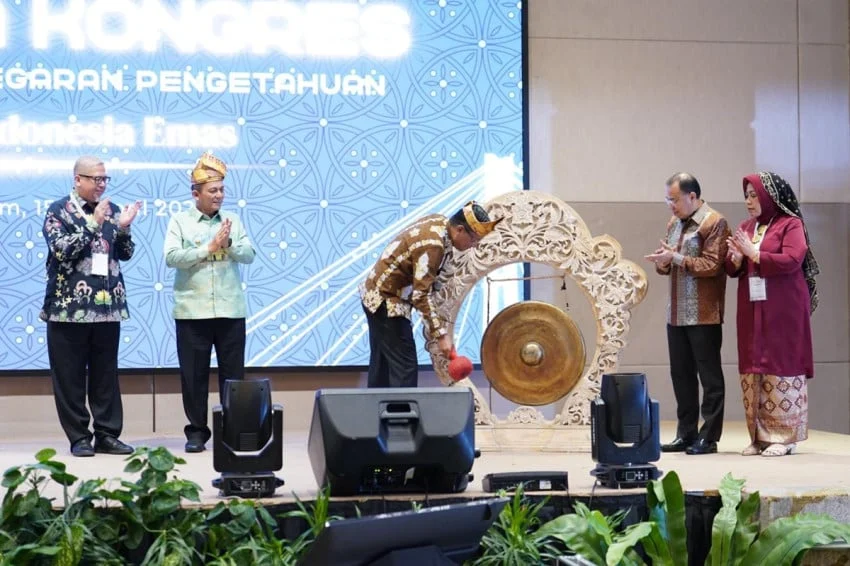
BATAM, RIAU ISLANDS – Minister of Law Supratman Andi Agtas officially inaugurated the Expanded Central Board Meeting (RP3YD) and Pre-Congress of the Indonesian Notary Association (INI) on Wednesday, April 15, 2026, at the Wyndham Hotel, Panbil, Batam, Riau Islands. This significant event, which also features strategic training for notaries from across Indonesia, serves as a crucial prelude to the main Indonesian Notary Association Congress scheduled for the end of 2026. The gathering underscores the ongoing commitment to professional development and strategic planning within Indonesia’s notary profession.

The opening ceremony was attended by a distinguished assembly of government officials and legal luminaries, highlighting the event’s national importance. Among the key figures present were the Secretary-General of the Ministry of Law, Nico Afinta; the Governor of Riau Islands, Ansar Ahmad; the Deputy Chairman II of the Riau Islands Regional People’s Representative Council (DPRD), Tengku Afrizal Dahlan; the Chief of the Riau Islands Regional Police (Kapolda), Inspector General Pol. Asep Safrudin; the Head of the Riau Islands High Prosecutor’s Office, Devy Sudarso; the Head of the Riau Islands Ministry of Law Regional Office, Edison Manik; the Chairman of the Indonesian Notary Association, Irfan Ardiansyah, along with members of the INI Central leadership; the Regional Leadership Coordination Forum (Forkopimda) of Batam City; and the Head of the Batam Legal Training Center, Ivansyah Indra Zainal.

A Strategic Forum for Reflection and Future Planning

Minister Supratman Andi Agtas, in his opening address, emphasized the critical role of the RP3YD as a platform for introspection and forward-thinking for all members of the Indonesian Notary Association. "Through this event, it is hoped that all notaries can engage in reflection to continuously build a better Indonesia in accordance with their respective duties and functions," stated the Minister. He underscored the imperative for notaries to uphold the highest standards of professionalism and integrity, contributing meaningfully to the advancement of national law.

The Minister highlighted the strategic importance of notaries as public officials, whose work is instrumental in fostering legal certainty within society. He further elaborated on the Ministry of Law’s unwavering commitment to supporting initiatives that enhance the quality, integrity, and professionalism of notaries. This commitment, he explained, is vital for ensuring legal certainty for citizens and for bolstering Indonesia’s investment climate and national development endeavors.

The Indonesian Notary Association’s Chairman, Irfan Ardiansyah, echoed the Minister’s sentiments, describing the RP3YD and the accompanying training sessions as a vital step in fortifying the organization’s readiness to confront future legal challenges. "The RP3YD and its series of training sessions are an important momentum to unite the organization’s direction and stance, while also ensuring that all notaries possess a comprehensive understanding of the ever-evolving regulatory landscape," Ardiansyah remarked.

Background and Context of the Indonesian Notary Association

The Indonesian Notary Association (INI) is the professional organization for notaries in Indonesia, established to uphold the principles of the notary profession, safeguard the rights and welfare of its members, and contribute to the development of legal certainty in the nation. Notaries in Indonesia are empowered by law to draft authentic deeds, authenticate documents, and perform other legal services that are crucial for business transactions, property transfers, inheritance matters, and various other legal activities. Their role as impartial witnesses and legal drafters is fundamental to preventing disputes and ensuring the validity of legal instruments.

The RP3YD is a routine organizational event that precedes the national congress. It serves as a preparatory meeting where the central board discusses significant issues, reviews the organization’s performance, and formulates proposals and policies to be presented at the upcoming congress. The "Expanded" nature of this meeting typically means that not only the central board members but also representatives from regional chapters and other key stakeholders are invited to participate, ensuring a broader consensus and wider representation of the organization’s membership.

The decision to hold this event in Batam, Riau Islands, is strategically significant. Batam, as a prominent economic hub and a special economic zone, presents a dynamic legal and business environment. Holding the meeting here allows notaries to engage with the specific legal challenges and opportunities present in such a rapidly developing region, potentially offering unique insights for national policy discussions.

Chronology of the Event and its Significance

The RP3YD/Pre-Congress commenced on Wednesday, April 15, 2026. The opening ceremony, led by Minister Supratman Andi Agtas, set the tone for the subsequent days of discussions and training. The event is scheduled to span several days, culminating in strategic sessions aimed at equipping notaries with advanced knowledge and skills relevant to contemporary legal practice.

Timeline Breakdown:

  • Pre-Event Preparations: Leading up to April 15, the INI Central Board would have meticulously planned the agenda, invited participants, and coordinated logistics with local authorities in Batam. This phase would involve identifying key discussion points and potential training modules.
  • April 15, 2026: Official opening of the RP3YD/Pre-Congress by the Minister of Law. This day likely focused on high-level addresses, setting the strategic direction, and inaugurating the training components.
  • Subsequent Days (April 16-18, 2026 – inferred): The following days would be dedicated to in-depth discussions within the RP3YD, addressing organizational matters, reviewing current legal challenges, and debating proposals for the upcoming congress. Concurrently, specialized training sessions would be conducted, covering areas such as digital notarization, new land law regulations, corporate law updates, and international legal practices.
  • End of 2026: The culmination of this preparatory work will be the Indonesian Notary Association’s National Congress, where major decisions regarding the organization’s future direction, leadership, and policy positions will be finalized.

Supporting Data and Broader Implications

The notary profession in Indonesia plays a vital role in the nation’s economic and legal infrastructure. As of recent estimates, there are approximately 15,000 registered notaries across the archipelago. Each notary is entrusted with upholding the integrity of legal documents, which underpin a vast array of transactions. For instance, in 2025 alone, the volume of property transactions requiring notarization was in the millions, highlighting the sheer scale of the notary’s impact on the real estate market and individual wealth. Similarly, the establishment and dissolution of thousands of companies annually rely heavily on the services of notaries.

The emphasis on professionalism and integrity by Minister Supratman is directly linked to maintaining public trust. A notary’s authentic deed carries significant legal weight, and any compromise in their ethical standards or professional competence could lead to widespread legal disputes, financial losses, and erosion of confidence in the legal system.

The mention of "strategic training" suggests a proactive approach to addressing evolving legal landscapes. This could include adapting to the increasing digitalization of legal services, as hinted at in a previous INI Congress discussion regarding the use of digital identity for notary services. The rapid pace of legislative changes and technological advancements necessitates continuous professional development. For example, updates to company law, inheritance regulations, or international trade agreements require notaries to stay abreast of the latest provisions to provide accurate and reliable services.

Official Responses and Future Outlook

The participation of high-ranking officials from the Ministry of Law, regional government, and law enforcement agencies signifies the government’s recognition of the INI’s importance. This collaboration aims to foster a symbiotic relationship where the Ministry provides guidance and support, while the INI executes its mandate with professionalism and integrity.

The commitment from the Ministry of Law to "continuously push for the improvement of quality, integrity, and professionalism of notaries" suggests a long-term vision for strengthening the legal framework in Indonesia. This includes potential initiatives for enhanced notary education, stricter ethical oversight, and streamlined regulatory processes.

Irfan Ardiansyah’s statement about "uniting the organization’s direction and stance" and ensuring a "comprehensive understanding of the ever-changing regulatory landscape" points to the INI’s internal focus on organizational coherence and adaptability. This is crucial for the association to effectively represent its members and advocate for their professional interests in a dynamic legal environment.

Broader Impact and Implications for National Development

The successful execution of the RP3YD and the subsequent INI Congress holds significant implications for Indonesia’s broader developmental goals. A robust and trustworthy notary profession directly contributes to:

  • Legal Certainty and Rule of Law: By ensuring that legal documents are accurately drafted and executed, notaries reinforce the predictability and stability of the legal system, which is a cornerstone of good governance.
  • Ease of Doing Business: Streamlined and reliable notary services reduce transaction costs and risks for businesses, thereby attracting domestic and foreign investment. This is particularly crucial for Indonesia as it strives to become a major economic power.
  • Protection of Citizen Rights: Notaries play a critical role in safeguarding individual rights related to property ownership, inheritance, and contractual agreements, providing citizens with legal security and peace of mind.
  • Combating Corruption and Fraud: The integrity of the notary profession acts as a deterrent against fraudulent activities, as authentic deeds serve as verifiable legal records.

The strategic discussions and resolutions emanating from the RP3YD and the upcoming Congress are therefore not merely internal organizational matters but have far-reaching consequences for the nation’s economic prosperity, social stability, and the overall strength of its legal institutions. The commitment to continuous professional development and ethical adherence positions the Indonesian Notary Association as a vital partner in Indonesia’s ongoing journey of national development and legal reform. The event in Batam serves as a powerful testament to the proactive engagement of the notary community in shaping a more just and legally sound future for Indonesia.

July 3, 2025 0 comment
0 FacebookTwitterPinterestEmail
Automotive

The Dawn of a New Era: Solar-Powered Cars Poised for Mass Production

by Muslim July 2, 2025
written by Muslim

The automotive world is on the cusp of a profound transformation, heralding a new chapter where the sun’s energy will power our daily commutes. After years confined to the realms of concept and prototype, solar-powered vehicles are now gearing up for mass production, promising a potent solution to the escalating energy crisis and a significant stride in the global effort to curb carbon emissions. This groundbreaking development is largely driven by advancements in solar panel technology, which have become increasingly efficient, capable of harnessing solar energy even under less-than-ideal weather conditions. The captured energy is then stored in advanced, high-capacity batteries, ensuring that these vehicles can operate effectively during nighttime or periods of limited sunlight.

Aptera Motors: Leading the Charge Towards Solar Mobility

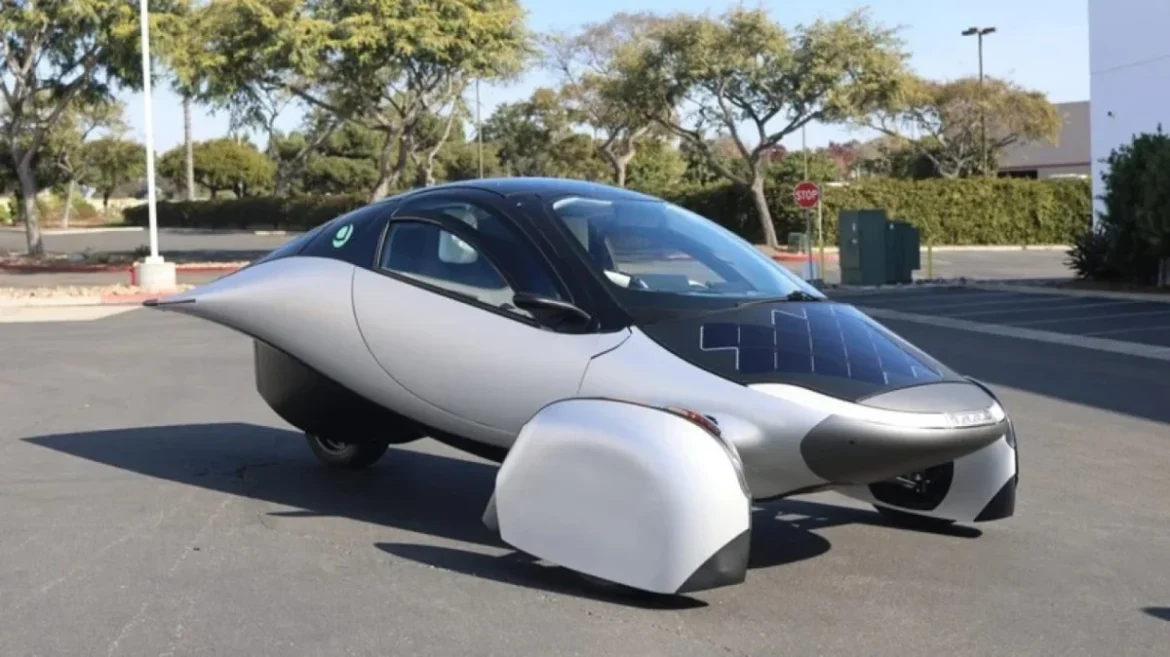
At the forefront of this revolutionary shift is Aptera Motors, a California-based startup with an ambitious vision: to mass-produce solar-electric vehicles. The company is targeting the end of 2026 for the commencement of mass production, with the highly anticipated launch of its initial model. This move marks a crucial milestone after years of dedicated development, commencing from when pre-orders first opened in 2020. To date, the company reports a substantial demand, with approximately 50,000 units already reserved.

Unlike conventional electric vehicles, Aptera’s innovative design features a unique three-wheeled configuration and prominently integrates solar panels as its primary energy source. In optimal conditions, the vehicle is designed to meet daily driving needs without requiring frequent external charging. This represents a paradigm shift in electric vehicle design, moving beyond reliance solely on grid-based charging infrastructure.

A Detailed Look at Aptera’s Production Roadmap and Technological Advancements

To accelerate its production goals, Aptera has significantly scaled up its operational capacity. Following its successful listing on the NASDAQ stock exchange in 2025, the company secured substantial investment, attracting the attention of investors and suppliers. This influx of capital and strategic partnerships has bolstered its production chain and financial standing, paving the way for the transition from prototype to mass manufacturing.

Currently, Aptera’s California facility is engaged in producing test units designated for on-road testing. The manufacturing process itself is being implemented in several phases. The ultimate objective is to achieve a production rate of approximately 40 vehicles per shift once the system is fully optimized. This phased approach allows for iterative improvements and rigorous quality control throughout the manufacturing process.

Moreover, Aptera has entered a critical phase with the establishment of a validation assembly line. This stage signifies a pivotal transition from manual prototype production to a more structured and scalable manufacturing system. It is a crucial step before the full-scale mass production can commence, ensuring that the production line is robust, efficient, and capable of meeting demand while maintaining high quality standards.

The Promise of Solar-Electric Efficiency

The Aptera vehicle offers a compelling proposition of high efficiency, integrating both electric power and solar energy. According to company tests and claims, the vehicle is capable of traveling tens of kilometers solely on solar energy, and hundreds of kilometers when combining battery power with conventional charging. This dual-source energy system is a key differentiator, offering unparalleled flexibility and reducing reliance on charging stations.

Timeline of Key Developments:

  • 2020: Pre-orders for the Aptera vehicle open, signaling initial market interest.
  • 2020 – 2025: Years of dedicated research, development, and prototype testing. Focus on optimizing solar panel efficiency and battery technology.
  • 2025: Aptera Motors lists on the NASDAQ stock exchange, securing significant funding and investor confidence. This event is crucial for scaling up manufacturing capabilities.
  • 2025 – 2026: Expansion of operational facilities and partnerships with suppliers. Production of test units and initiation of on-road testing. Establishment of the validation assembly line.
  • Late 2026: Target for the commencement of mass production of the initial Aptera model.

Supporting Data and Technological Underpinnings

The feasibility of mass-producing solar-powered cars hinges on several critical technological advancements:

  • Solar Panel Efficiency: Modern photovoltaic cells have achieved significant improvements in energy conversion rates. While earlier panels struggled to convert more than 15-20% of sunlight into electricity, next-generation panels are pushing towards 25-30% efficiency, and even higher in laboratory settings. This means more power can be generated from the same surface area, a critical factor for vehicle integration. Aptera’s design incorporates these advanced panels across a significant portion of its body, maximizing solar energy capture.
  • Battery Technology: The capacity and lifespan of batteries are paramount. Lithium-ion batteries, the current industry standard, continue to evolve with higher energy densities and faster charging capabilities. Aptera utilizes advanced battery packs, designed to store substantial amounts of energy, allowing for extended range and accommodating the intermittent nature of solar power. The goal is to provide a usable electric range that significantly reduces the need for frequent grid charging.
  • Aerodynamics and Lightweight Materials: To maximize efficiency, solar-powered vehicles must be incredibly aerodynamic and lightweight. Aptera’s distinctive, teardrop-shaped design is a testament to this principle, minimizing drag and reducing the energy required for propulsion. The use of lightweight composite materials further contributes to the vehicle’s overall efficiency.

Industry Reactions and Broader Implications

The impending mass production of solar-powered cars by companies like Aptera is being met with a mix of optimism and cautious anticipation from industry experts and environmental advocates.

"This is a critical moment for sustainable transportation," commented Dr. Anya Sharma, a leading researcher in renewable energy at the Global Institute for Sustainable Technologies. "While the concept of solar cars has been around for decades, the convergence of efficient solar technology, advanced battery storage, and a dedicated manufacturing push by companies like Aptera makes this a genuinely disruptive development. The potential to reduce our reliance on fossil fuels and alleviate the strain on electricity grids is immense."

The implications of this shift extend beyond individual vehicle ownership:

  • Reduced Carbon Footprint: A significant increase in solar-powered vehicles on the road would directly translate to a reduction in greenhouse gas emissions from the transportation sector, a major contributor to climate change.
  • Energy Independence: For individuals and nations, the ability to generate power directly from sunlight offers a pathway towards greater energy independence and resilience, particularly in regions with abundant sunshine.
  • Evolution of Charging Infrastructure: While Aptera aims to minimize reliance on charging stations, the broader adoption of electric vehicles, including solar-assisted ones, will continue to drive innovation in charging infrastructure, potentially leading to more integrated and renewable-powered charging solutions.
  • Economic Opportunities: The development and manufacturing of these advanced vehicles are expected to create new jobs and stimulate economic growth in the renewable energy and automotive sectors.

However, challenges remain. The initial cost of these advanced vehicles may be higher than conventional alternatives, and the real-world performance of solar charging will continue to be influenced by geographic location, weather patterns, and driving habits. Furthermore, the scalability of manufacturing and the long-term durability of integrated solar panels will be critical factors in their widespread adoption.

As Aptera Motors and other potential entrants push the boundaries of solar mobility, the automotive landscape is poised for a radical reshaping. The dream of a car that runs on sunlight is rapidly becoming a tangible reality, offering a glimpse into a cleaner, more sustainable future of transportation. The next few years will be crucial in determining the pace and extent of this solar-powered revolution.

July 2, 2025 0 comment
0 FacebookTwitterPinterestEmail
Automotive

China’s Dominance in Indonesia’s Electrified Vehicle Market Raises Concerns and Sparks Debate

by Nana Wu July 1, 2025
written by Nana Wu

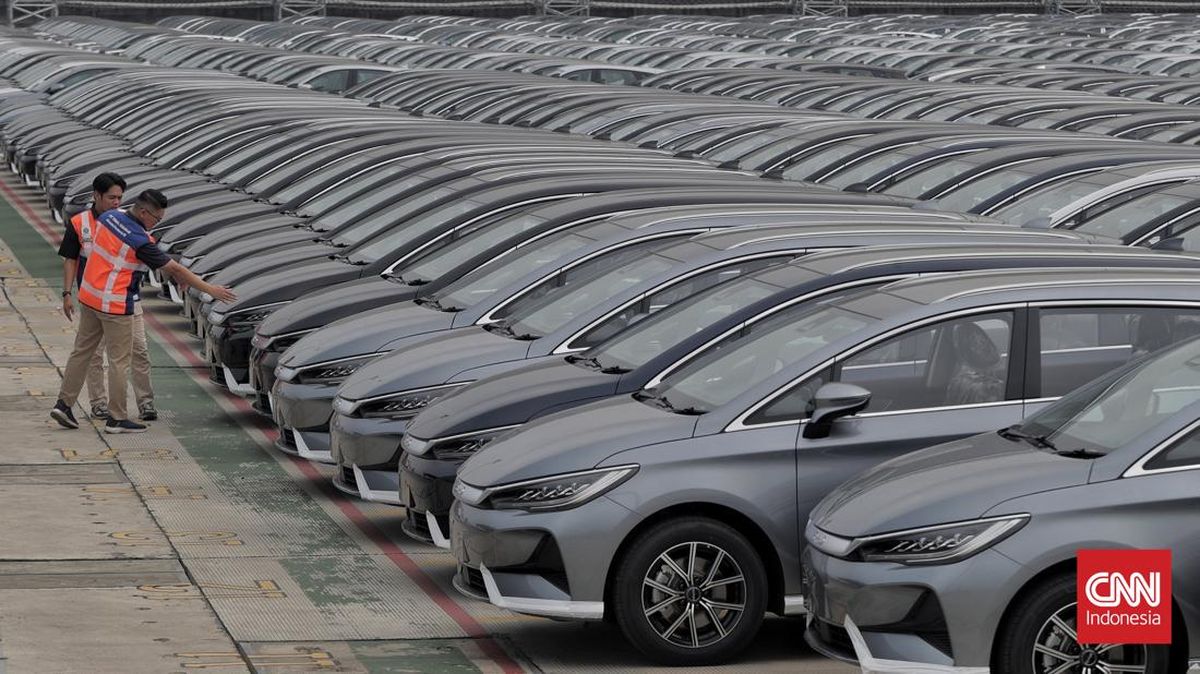
The Indonesian electric vehicle (EV) landscape is overwhelmingly dominated by China, with the nation’s products playing the role of the primary driver in the burgeoning market. This stark reality was highlighted by Agus Purwadi, a senior researcher at the Center for Sustainable Transportation Systems at the Bandung Institute of Technology (ITB), during a presentation in Jakarta on Tuesday, April 14. Purwadi’s analysis of the national electrification development trajectory painted a clear picture: a sea of "red," signifying Chinese origin, engulfing the majority of electrified vehicles.

"When it comes to electrification in Indonesia, the position is dominated by products colored reddish," Purwadi stated, gesturing towards a diagram that used red as an indicator for Chinese products. His explanation underscored the significant influence of China in the nation’s burgeoning EV industry, asserting that over 60% of the electrified products available in Indonesia hail from the East Asian powerhouse. This observation aligns with the recent surge of Chinese automotive brands entering the Indonesian market, with their numbers now reaching sixteen. The vast majority of these brands are focusing their sales efforts on electrified vehicles, particularly Battery Electric Vehicles (BEVs).

The Shadow of "Cannibalization" in Southeast Asia

The phenomenon of Chinese dominance in the EV sector is not an isolated incident confined to Indonesia. Neighboring countries like Thailand are experiencing a similar trend, with some analysts suggesting that the influx of Chinese EVs has already led to significant "cannibalization" within their domestic automotive industries. In Thailand, approximately 80% of electric cars are reportedly of Chinese origin. Data from 2024 indicates a concerning trend: the closure of several Japanese automotive plants in Thailand, including those of Subaru, Honda, and most recently, Suzuki.

"Thailand is already facing challenges in its automotive industry. Many factories are beginning to close, leading to a decay in Thailand’s growth," Purwadi explained. "Why? Because it is being cannibalized, even though it’s supposed to be a new product category. They are adding (brands), but this is cannibalizing or reducing." This suggests a scenario where the rapid expansion of Chinese EV brands, often offering competitive pricing and advanced features, is outcompeting and displacing established automotive players, particularly those with a historical presence in the market.

Pockets of Success: India and Vietnam Forge Their Own Paths

In contrast to the challenges faced by some Southeast Asian nations, India and Vietnam are being lauded for their successful navigation of the electrification wave. These two countries are recognized for their ability to cultivate robust domestic industrial bases. Purwadi pointed to their "big green" indicators on his presentation, associating this color with "local production." This encompasses domestic brands, Chinese vehicles produced locally, or other forms of local manufacturing.

The presence of a local production base is identified as the key differentiator, setting these nations apart from those that primarily serve as mere consumer markets. "So, there is at least a local base. For others, it’s practically just a market base. For these, there is a local industrial base beginning to emerge. Whether it’s a domestic brand, a Chinese brand produced locally, or other local production," he elaborated.

Purwadi attributes the success of India and Vietnam to their well-measured and consistent government policies aimed at fostering domestic industries. "This serves as a lesson for us. Why are India and Vietnam’s electrification efforts beginning to succeed in building internally? Because they have measured policies and implementation. And indeed, even with these efforts, they can promote their products," he remarked. He cited India’s achievements as particularly noteworthy, given its relatively lower Gross Domestic Product (GDP) compared to Indonesia. Vietnam, too, has demonstrated significant progress through the development of local brands supported by global collaborations.

Mobil Listrik China Dominan di Indonesia, Bagaimana di Negara Lain?

Malaysia’s Middle Ground and Long-Term Projections

Within the Southeast Asian region, Malaysia appears to hold a slightly more favorable position than Indonesia, though it too remains heavily influenced by Chinese products. "Malaysia is also slightly better than Indonesia in terms of its share. However, it is still dominated by China," Purwadi observed. This suggests that while other nations are making strides, the gravitational pull of China’s manufacturing prowess and market presence remains a significant factor across the region.

Looking ahead, recent global projections indicate that China’s dominance in the electrification industry is poised to persist in the long term. These forecasts position China as the primary player, followed by developed nations such as those in Europe and the United States. Developing countries, including Indonesia, are expected to continue their growth trajectories but are unlikely to rival China’s established leadership in the foreseeable future. "It is predicted that China will continue to dominate until 2035," Agus Purwadi concluded.

The Indonesian Context: A Nascent Industry Facing Global Realities

Indonesia’s automotive sector has historically been reliant on established global manufacturers, with a strong presence of Japanese brands. However, the global shift towards electrification has presented both opportunities and challenges. The government has been actively promoting EV adoption through various incentives and policy frameworks, aiming to reduce reliance on fossil fuels and position Indonesia as a key player in the EV supply chain, particularly in battery production, given its rich nickel reserves.

The ITB researcher’s assessment underscores the immediate reality: the Indonesian EV market is largely being shaped by imported Chinese vehicles. While this provides consumers with more affordable and accessible EV options, it raises questions about the long-term development of a self-sufficient domestic automotive industry. The concern of "cannibalization," as observed in Thailand, could manifest in Indonesia if local manufacturing capabilities and domestic brands struggle to compete with the sheer volume and aggressive pricing strategies of Chinese manufacturers.

Potential Implications for Indonesia’s Automotive Future

The strong Chinese influence in Indonesia’s EV market has several potential implications:

  • Economic Dependence: A heavy reliance on imported EVs could lead to a significant outflow of capital and limit the growth of local job creation in manufacturing and research and development.
  • Technological Transfer: While increased EV availability is positive, the extent of genuine technological transfer and local capacity building remains a critical factor for long-term industrial development.
  • Competitive Landscape: Established automotive players in Indonesia, often with Japanese origins, may face increased pressure to adapt their strategies, potentially leading to consolidation or a shift in focus.
  • Consumer Benefits: For consumers, the influx of Chinese EVs generally translates to more competitive pricing and a wider range of choices, accelerating EV adoption.
  • Government Policy Effectiveness: The Indonesian government’s policies aimed at fostering local EV production and battery manufacturing will be crucial in shaping the future balance of power in the market. The success of initiatives like the development of the EV battery ecosystem, heavily reliant on domestic nickel resources, will be a key determinant.

A Call for Strategic Development

The findings presented by Agus Purwadi serve as a critical juncture for Indonesia’s automotive electrification strategy. While embracing the opportunities presented by the global EV transition, the nation must carefully consider how to foster a sustainable and domestically integrated industry. Learning from the experiences of countries like India and Vietnam, which have prioritized local production and strategic industrial policies, could provide a roadmap for Indonesia.

The Indonesian government’s commitment to developing a comprehensive EV ecosystem, from raw material processing to final vehicle assembly and battery production, is paramount. This requires not only attracting foreign investment but also nurturing local talent, fostering innovation, and creating an environment where domestic automotive players can thrive alongside international competitors. The long-term vision should be to move beyond being merely a market for electrified vehicles and to establish Indonesia as a significant producer and innovator in its own right. The coming years will be crucial in determining whether Indonesia can effectively navigate this complex global landscape and carve out a strong, independent future for its automotive sector in the age of electrification.

July 1, 2025 0 comment
0 FacebookTwitterPinterestEmail
Automotive

GAIKINDO Indonesia International Commercial Vehicle Expo 2026 Concludes with Record Attendance and Strengthened Industry Collaboration

by Asro July 1, 2025
written by Asro

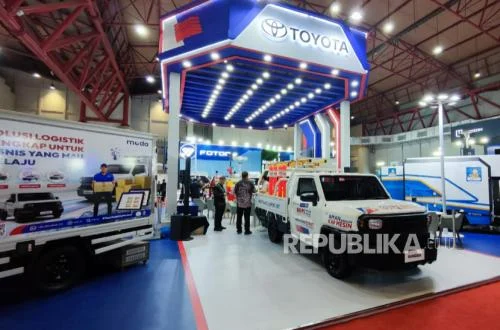
The GAIKINDO Indonesia International Commercial Vehicle Expo (GIICOMVEC) 2026, held from April 8th to 11th, 2026, at the Jakarta International Expo, has once again solidified its position as a pivotal platform for the burgeoning commercial vehicle industry in Indonesia. This year’s edition, marking its fourth successful staging, underscored its crucial role as a business-to-business (B2B) nexus, bringing together industry stakeholders to showcase technological advancements and provide comprehensive business solutions across a diverse range of sectors. The expo achieved a significant milestone, attracting 12,685 professional visitors, representing a nearly 10 percent increase from its previous iteration, highlighting the growing engagement and importance of the commercial vehicle market in the Indonesian economy.

A Thriving Hub for Commercial Vehicle Innovation and Business

GIICOMVEC 2026 served as a dynamic marketplace, fostering crucial connections and driving innovation within Indonesia’s commercial vehicle landscape. The event’s consistent focus on B2B interactions has made it an indispensable fixture for businesses seeking to optimize their operations, explore new technologies, and forge strategic partnerships. This year’s expo witnessed an impressive turnout, with the 12,685 trade visitors actively engaging in networking opportunities and seeking solutions tailored to their specific business needs.

Putu Juli Ardika, Chairman of GAIKINDO, expressed his satisfaction with the event’s outcomes. "The staging of GIICOMVEC 2026 has yielded highly positive results with a total attendance of 12,685 trade visitors. The majority of these were business players from various industrial lines, actively networking and seeking solutions for their business requirements," Ardika stated in an official release. He further emphasized the expo’s contribution, "Our hope is that GIICOMVEC can contribute precisely by providing opportunities for Indonesia’s commercial vehicle industry to continue to grow and develop." Ardika’s sentiment was echoed by the organizing committee, who noted that the caliber and focus of the trade visitors directly contributed to the effectiveness of the business activities conducted throughout the four-day exhibition.

The attendee profile at GIICOMVEC 2026 was predominantly composed of business owners and decision-makers from various industries, including logistics, transportation, construction, mining, and agriculture. Their active participation in building professional networks and identifying solutions to enhance their business operations was a key indicator of the expo’s relevance and success.

A Comprehensive Showcase of Brands and Technologies

GIICOMVEC 2026 featured an extensive display of commercial vehicles from 14 prominent global brands. These included established players such as Daihatsu, DFSK, Farizon, Ford, Foton, Hino, Isuzu, JAC Motor, Mitsubishi Fuso, Sany, Suzuki, Toyota, Wuling, and Guangzi Auto. The presence of such a diverse range of manufacturers provided attendees with an unparalleled opportunity to explore the latest models, technological advancements, and specialized vehicles designed to meet the evolving demands of the Indonesian market.

Beyond the vehicle manufacturers, the expo also hosted over 45 brands specializing in supporting industries. These exhibitors showcased cutting-edge innovations in areas critical to the commercial vehicle ecosystem, including advanced bodywork (karoseri), high-quality spare parts, and sophisticated digital fleet management systems. This holistic approach ensured that visitors could find comprehensive solutions, from the vehicles themselves to the technologies and components that optimize their performance and efficiency.

The integration of digital solutions, in particular, was a significant theme at GIICOMVEC 2026. Exhibitors demonstrated how advancements in telematics, route optimization software, and predictive maintenance platforms are revolutionizing fleet management, promising enhanced productivity, reduced operational costs, and improved safety standards for businesses.

Knowledge Exchange and Industry Synergy

GIICOMVEC 2026 was not merely a trade show; it also served as a vital platform for knowledge dissemination and intellectual exchange. A series of seminars and workshops attracted over 1,200 participants, delving into a wide array of strategic industry issues. Discussions ranged from emerging trends shaping the commercial vehicle sector to the persistent challenges faced in logistics and the promising business opportunities that lie ahead. These sessions fostered a collaborative environment, encouraging the sharing of insights and best practices among industry professionals, academics, and government representatives.

The caliber of topics addressed in the seminars and workshops underscored the expo’s role as a thought leadership forum. Experts shared their perspectives on sustainable transportation solutions, the impact of digitalization on supply chains, the evolving regulatory landscape, and strategies for enhancing operational efficiency in the face of rising fuel costs and infrastructure limitations. This focus on education and dialogue further solidified GIICOMVEC’s position as a crucial hub for ideation and problem-solving within the industry.

Endorsement and Support from Key Stakeholders

The significance of GIICOMVEC 2026 was further amplified by the strong support it received from various industry associations. Notably, the Indonesian Trucking Entrepreneurs Association (Asosiasi Pengusaha Truk Indonesia), the Indonesian Cold Chain Association (Asosiasi Rantai Pendingin Indonesia), and the Indonesian Bodywork Association (Asosiasi Karoseri Indonesia) actively participated, demonstrating their commitment to the event’s objectives.

Eko S.A. Cahyanto, Secretary General of the Ministry of Industry, lauded GIICOMVEC as a gateway for cross-sectoral collaboration. He emphasized the critical importance of synergy between the government, industry, and associations in fortifying the national automotive sector. "Through GIICOMVEC 2026, we expect even closer collaboration among all stakeholders," Cahyanto remarked during the expo’s opening ceremony. His statement highlighted the government’s recognition of the expo’s role in fostering a cohesive and robust automotive ecosystem. This sentiment suggests a continued governmental focus on supporting initiatives that drive technological adoption, enhance manufacturing capabilities, and promote the competitiveness of Indonesian commercial vehicles on both domestic and international stages.

Strategic Partnerships and Future Outlook

The successful execution of GIICOMVEC 2026 was made possible through the generous sponsorship of Sailun Group as the main sponsor, alongside support from Pertamina Lubricants and Lalamove. These partnerships underscore the commercial viability and strategic importance of the event for companies seeking to engage with the commercial vehicle market.

The organizing committee extended its sincere appreciation to the government, exhibitors, sponsors, and attendees whose collective contributions were instrumental in the expo’s success. As Indonesia continues its trajectory of economic growth and infrastructure development, the demand for efficient and advanced commercial vehicles is poised to rise. GIICOMVEC, with its proven track record, is strategically positioned to remain at the forefront of this evolution, facilitating the adoption of new technologies, fostering innovation, and driving the continued expansion of the nation’s commercial vehicle industry for years to come. The expo’s focus on B2B engagement, technological showcases, and industry-wide dialogue ensures it will continue to be a catalyst for progress and a vital barometer of the sector’s health and future direction. The sustained increase in attendance and the active participation of a broad spectrum of industry players signal a robust and optimistic outlook for Indonesia’s commercial vehicle market.

July 1, 2025 0 comment
0 FacebookTwitterPinterestEmail
Automotive

Shell Adjusts Fuel Prices Across Indonesia Effective December 1, 2025, Highlighting Product Benefits Amidst Market Dynamics

by Reynand Wu June 30, 2025
written by Reynand Wu

Jakarta (ANTARA) – As of December 1, 2025, Shell Indonesia will implement a price adjustment for its fuel offerings across all its service stations nationwide. This strategic move, influenced by evolving supply conditions and updated operational policies, underscores the importance for vehicle owners to understand the distinct characteristics and advantages of each Shell fuel product. From the widely used Shell Super to the premium Shell V-Power Series, each formulation is engineered to cater to the diverse needs of modern engines, ranging from daily performance requirements to long-term efficiency goals. This price revision serves as a timely reminder for consumers to make informed decisions about their fuel choices, balancing performance with cost-effectiveness.

The price adjustments will see an increase in several key fuel types. Shell Super, a popular choice for many Indonesian drivers, will now be priced at approximately Rp13,000 per liter. Shell V-Power, known for its advanced cleaning technology, will be available at around Rp13,630 per liter. For diesel vehicle owners, Shell V-Power Diesel will see a price adjustment to approximately Rp15,250 per liter. The flagship variant, Shell V-Power Nitro+, will also be adjusted, with its new price set around Rp13,890 per liter. These changes reflect the dynamic nature of the global and local fuel markets, influenced by factors such as crude oil prices, currency exchange rates, and geopolitical developments that impact supply chains.

Understanding the unique benefits of each fuel type is paramount, especially in light of these price changes. Shell’s commitment to innovation through its proprietary technologies, such as Dynaflex, aims to provide drivers with options that not only meet but exceed their expectations for engine performance, efficiency, and longevity. By familiarizing themselves with the specifications and advantages of each fuel, vehicle owners can strategically select the most suitable option for their specific vehicle model and driving habits, thereby optimizing their fuel consumption and managing their budgets more effectively amidst fluctuating prices. This proactive approach ensures that drivers can continue to enjoy optimal vehicle performance while navigating the evolving economic landscape of fuel retail.

Unpacking Shell’s Fuel Portfolio: A Deep Dive into Performance and Efficiency

Shell Indonesia offers a comprehensive range of fuels, each meticulously formulated to address specific automotive needs. The company’s product line is a testament to its ongoing research and development in fuel technology, aiming to deliver superior engine protection, enhanced performance, and improved fuel economy. As consumers face price adjustments, a thorough understanding of these offerings becomes even more critical for making informed purchasing decisions that align with both their vehicle’s requirements and their financial considerations.

Shell Super: The Foundation of Everyday Efficiency

Shell Super is engineered as a high-performance gasoline designed to maximize both engine efficiency and fuel economy. At its core is the advanced Dynaflex Technology, a proprietary formulation developed by Shell. This technology plays a crucial role in reducing friction within the engine. Lower friction translates to smoother operation, allowing the engine to perform optimally regardless of driving conditions, whether navigating the challenges of stop-and-go city traffic or cruising on open highways.

With a research octane number (RON) of 92, Shell Super is recommended for vehicles with a compression ratio ranging from 9:1 to 10:1. This octane rating makes it a suitable choice for a wide array of vehicles commonly found in Indonesia, including entry-level city cars (LCGCs) and motorcycles with engine capacities exceeding 125cc. For drivers who prioritize fuel savings without compromising on daily driving performance, Shell Super has become a popular and reliable choice. Its consistent performance and efficiency make it an attractive option for regular use, contributing to a more economical driving experience. The stable combustion provided by its RON 92 rating ensures that the engine operates smoothly, reducing wear and tear and extending its lifespan.

Shell V-Power: Elevating Engine Cleanliness and Responsiveness

Shell V-Power is formulated for vehicles requiring a higher octane rating, specifically those with compression ratios between 11:1 and 12:1, featuring a RON of 95. The distinguishing feature of Shell V-Power lies in its enhanced Dynaflex Technology, which incorporates three times the number of cleaning molecules compared to standard fuels. This advanced formulation actively works to keep critical engine components, particularly the combustion chamber, exceptionally clean. By preventing the buildup of deposits, it minimizes friction and maximizes the energy extracted from each combustion cycle.

The reduction in friction achieved by Shell V-Power significantly contributes to engine longevity and optimal performance. Studies and internal testing by Shell indicate that this fuel can reduce deposit formation by up to 80%. This translates directly into a more responsive engine, allowing for quicker acceleration and smoother power delivery. For drivers who seek to maintain their vehicle’s peak performance and ensure its engine operates at its best, Shell V-Power offers a compelling solution, protecting vital engine parts from the detrimental effects of combustion residue.

Shell V-Power Nitro+: Unleashing Peak Performance

For drivers who demand the utmost in engine performance, Shell V-Power Nitro+ stands out as a premium gasoline option. This fuel incorporates an even more advanced iteration of friction-reducing technology, specifically designed to deliver superior power output, enhanced acceleration capabilities, and a remarkably smooth engine response. Introduced to the Indonesian market in April 2021, Shell V-Power Nitro+ targets vehicle owners who are keen on not only preserving but also significantly boosting their vehicle’s performance characteristics.

This fuel is particularly beneficial for high-performance vehicles and those equipped with advanced engine technologies that benefit from superior fuel quality. The enhanced cleaning agents and friction modifiers work synergistically to ensure that the engine operates at its optimal potential, providing drivers with a more exhilarating and dynamic driving experience. The noticeable improvements in power and responsiveness make it a preferred choice for enthusiasts and those who frequently push their vehicles to their performance limits.

Shell V-Power Nitro+ (Highest Octane Variant): The Pinnacle of Fuel Technology

As the highest octane fuel available at Shell service stations in Indonesia, this particular formulation of V-Power Nitro+ is tailored for the most demanding engines. It is ideally suited for vehicles with high compression ratios, typically ranging from 11.3:1 to 12:1, including those equipped with modern fuel injection systems. The cutting-edge technology embedded in this fuel is capable of removing up to 100% of combustion deposits, effectively restoring engine performance to its "as new" condition.

Beyond its cleaning capabilities, this top-tier fuel provides exceptional protection against corrosion for vital engine components. It actively works to maintain the cleanliness of internal engine parts over the long term, safeguarding against wear and tear. The result is a sustained increase in power output and a noticeably lighter feel during acceleration, ensuring that the vehicle continues to perform at its peak for years to come. This level of protection and performance enhancement makes it an investment in the long-term health and capability of a vehicle.

Shell V-Power Diesel: Optimizing Diesel Engine Efficiency and Longevity

Shell V-Power Diesel is specifically formulated to cater to the needs of modern diesel engines. It boasts a cetane number of 51 and a low sulfur content of just 10 parts per million (ppm), meeting the stringent Euro 5 emission standards. This adherence to international environmental regulations signifies Shell’s commitment to cleaner fuel solutions.

The advanced cleaning technology integrated into V-Power Diesel is designed for comprehensive engine cleaning, targeting key components such as Internal Diesel Injector Deposits (IDID) and the Exhaust Gas Recirculation (EGR) system. By ensuring these systems remain clean, the fuel enhances combustion efficiency and protects the engine from performance-degrading deposits. The Dynaflex Technology present in V-Power Diesel also plays a crucial role in keeping essential fuel system components clean, thereby contributing to the engine’s longevity and responsiveness. This makes it an ideal choice for diesel vehicle owners looking to maximize their engine’s efficiency, reduce emissions, and extend its operational life.

Navigating Fuel Choices Amidst Price Adjustments

The upcoming price adjustments by Shell Indonesia, effective December 1, 2025, serve as a critical juncture for vehicle owners to reassess their fuel consumption habits and product selections. By understanding the nuanced benefits and technical specifications of each Shell fuel variant – from the everyday efficiency of Shell Super to the performance-enhancing capabilities of the V-Power series – consumers are empowered to make choices that best suit their vehicles and driving needs.

The selection of the appropriate fuel is not merely about immediate cost savings; it is a strategic decision that profoundly impacts the long-term health and performance of a vehicle’s engine. Opting for a fuel that aligns with a vehicle’s specific requirements, such as octane rating and compression ratio, can lead to improved fuel economy, reduced wear and tear, and a more enjoyable driving experience. In an environment of fluctuating fuel prices, such informed choices become even more significant, allowing drivers to maintain optimal vehicle performance while managing their expenditure more effectively. Shell’s commitment to providing a diverse range of high-quality fuels ensures that drivers have the options they need to navigate these market dynamics with confidence, ensuring their journeys remain comfortable, safe, and efficient. The company’s continuous investment in research and development, particularly in advanced technologies like Dynaflex, highlights its dedication to meeting the evolving demands of the automotive sector and its customers.

June 30, 2025 0 comment
0 FacebookTwitterPinterestEmail
Technology

High Court of Justice Hears Petition for Dismissal of National Security Minister Itamar Ben-Gvir Amid Allegations of Police Interference

by Dwi Wanna June 29, 2025
written by Dwi Wanna

TEL AVIV – Israel’s High Court of Justice convened on Wednesday to deliberate a high-stakes petition demanding the removal of far-right National Security Minister Itamar Ben-Gvir from his cabinet post. The petition centers on grave allegations of undue political interference in the operational independence of the Israel Police, a cornerstone institution of the nation’s law enforcement framework. The unprecedented nature of the proceedings, held behind closed doors due to heightened security concerns and fears of potential disruptions, underscores the profound constitutional and political crisis engulfing Israel. Despite the lack of public access to the courtroom, the proceedings were broadcast live, allowing for transparency in a case that has ignited fierce debate across the political spectrum.

The Genesis of the Controversy: Minister Ben-Gvir and His Portfolio

Itamar Ben-Gvir, leader of the ultra-nationalist Otzma Yehudit (Jewish Power) party, assumed the expanded portfolio of National Security Minister in December 2022 as part of Prime Minister Benjamin Netanyahu’s sixth government, widely considered the most right-wing in Israel’s history. His appointment immediately sparked controversy given his controversial past, which includes convictions for incitement to racism and supporting a terrorist organization. Ben-Gvir’s political platform has consistently advocated for a tougher stance against Palestinian citizens of Israel, more aggressive policing in Arab communities, and an unyielding approach to security challenges, often clashing with established legal and police protocols.

Upon taking office, Ben-Gvir’s ministry was granted unprecedented powers over the police force, including direct authority to issue policy directives. This expansion of ministerial power was a key demand during coalition negotiations, reflecting Ben-Gvir’s stated ambition to implement significant changes within the police and security apparatus. Critics, however, warned that such direct political control risked undermining the professional independence of law enforcement, turning it into a tool for political agendas rather than a neutral enforcer of the law. These warnings have now materialized into concrete allegations, forming the basis of the High Court petition.

Allegations of Undue Interference and the Legal Challenge

The petition before the High Court was filed by several non-governmental organizations and civil society groups, alongside prominent legal figures, who contend that Ben-Gvir has systematically overstepped his authority, crossing the line from policy-setting to direct operational command and control of the police. Specific allegations include:

  • Directives on Demonstrations: Accusations that Ben-Gvir has issued instructions to police chiefs regarding how to handle protests, particularly those against the government or its judicial overhaul plans, allegedly ordering harsher responses or restrictions on freedom of assembly.
  • Intervention in Investigations: Claims of ministerial attempts to influence ongoing criminal investigations, particularly those involving political allies or opponents, thereby compromising the integrity of law enforcement.
  • Appointments and Disciplinary Actions: Allegations that Ben-Gvir has sought to exert undue influence over senior police appointments and disciplinary measures against officers, aiming to install loyalists or remove those who resist his directives.
  • Public Statements Undermining Police Autonomy: A series of public statements and pronouncements by the minister perceived as direct orders to police commanders, or as criticism of police actions that do not align with his political views, thereby creating a chilling effect on independent decision-making within the force.

These actions, according to the petitioners, constitute a severe breach of the principle of the separation of powers and threaten the rule of law in Israel. They argue that a minister, even one with an expanded portfolio, must respect the operational independence of the police to ensure impartial law enforcement, free from political manipulation.

The High Court Hearing and Public Reaction

The decision by the High Court justices to hold the hearing without public attendance was a notable departure from standard procedure, reflecting the extraordinary tensions surrounding the case. Acknowledging the potential for unrest, the court opted for a live broadcast of the proceedings, a compromise aimed at balancing security concerns with the public’s right to observe such a critical legal challenge.

Outside the court building in Jerusalem, the volatile political climate was palpable. Dozens of Ben-Gvir’s staunch supporters gathered, brandishing signs that read, “It’s time to tell the High Court: Enough” and “End the judicial dictatorship.” These slogans are deeply rooted in the broader conflict between the current government and the judiciary, a conflict that has seen mass protests and deep societal division over attempts to curb judicial powers. The demonstration underscored the perception among Ben-Gvir’s base that the High Court is an activist institution overstepping its bounds by challenging a democratically elected minister.

Minister Ben-Gvir himself addressed his supporters before entering the courtroom, seizing the opportunity to reiterate his mandate and defiance. "Gali Baharav-Miara (the government’s legal advisor) says I set policy and changed the police – she is right," Ben-Gvir declared, turning the accusation into a point of pride. He asserted that his actions were a direct fulfillment of his electoral promises: "More than half a million voters chose us to bring real change." He then issued a stern warning to the Supreme Court: "Do not drag Israel into a constitutional crisis, division, or polarization. Democracy will not collapse. The legal dictatorship will collapse." This statement directly challenged the judiciary’s authority and framed the legal proceedings as an attempt by an unelected body to thwart the will of the people, a narrative consistently pushed by the government’s proponents of judicial reform.

The Government’s Unwavering Stance and the Broader Judicial Overhaul Context

The government’s reaction to the petition and the ongoing High Court proceedings has been one of staunch defiance. Justice Minister Yariv Levin, a key architect of the government’s controversial judicial overhaul plan, reportedly stated that the government would not honor a Supreme Court ruling ordering Ben-Gvir’s dismissal, according to reports by The Times of Israel. This declaration represents a direct challenge to the High Court’s authority and signals a potential constitutional crisis of unprecedented scale. If the government were to disregard a High Court ruling, it would effectively undermine the principle of judicial review and the rule of law, pushing Israel into uncharted democratic territory.

Levin’s statement is not an isolated incident but rather a continuation of the government’s broader campaign to significantly curtail the powers of the judiciary. Since its inception, the Netanyahu government has sought to pass legislation that would limit the High Court’s ability to strike down laws and government decisions, change the composition of the judicial selection committee, and diminish the authority of legal advisors. These proposed reforms, often termed the "judicial overhaul," have triggered months of nationwide protests, warnings from economists, and concerns from international allies about the future of Israel’s democratic character. The petition against Ben-Gvir is therefore not merely a challenge to a single minister but a critical battleground in the ongoing struggle for the soul of Israel’s democratic institutions.

The Role of the Attorney General

A crucial player in this legal drama is Attorney General Gali Baharav-Miara. As the chief legal advisor to the government and the head of the state prosecution, her role is to provide independent legal counsel and defend the rule of law. In this instance, Baharav-Miara has taken a firm stance against Ben-Gvir’s alleged conduct. She has repeatedly warned the minister against overstepping his authority and interfering in police operations, issuing formal legal opinions that delineate the boundaries of his powers. Her position is that while the minister can set policy, he cannot give operational orders to the police or intervene in individual cases. Her legal opinion forms a significant part of the High Court’s deliberations, as she is legally obligated to present the state’s position, even if it contradicts the political will of the government. This places her in a challenging position, caught between her duty to the law and the demands of the political leadership.

Chronology of Controversies Under Ben-Gvir’s Tenure

Since assuming office, Minister Ben-Gvir’s tenure has been marked by a series of contentious incidents and statements that have fueled the allegations of interference:

  • January 2023: Shortly after taking office, Ben-Gvir visited the Temple Mount/Haram al-Sharif, a highly sensitive holy site, sparking international condemnation and accusations of provocative behavior that could inflame religious tensions.
  • February 2023: Reports emerged that Ben-Gvir had ordered the police to remove Palestinian flags from public spaces, a directive that was later challenged for its legality and perceived as a political rather than a security-driven order.
  • March 2023: During widespread protests against the judicial overhaul, Ben-Gvir reportedly called for a tougher police response against demonstrators, allegedly pressuring police commanders to take more aggressive action.
  • April 2023: Following a terror attack, Ben-Gvir publicly criticized the police for not demolishing the attacker’s home quickly enough, seemingly attempting to dictate operational timelines.
  • Throughout 2023-2024: Numerous instances where Ben-Gvir publicly admonished police officials for decisions he disagreed with, particularly regarding security measures in East Jerusalem and the handling of demonstrations. He frequently used social media to air his grievances and issue what were perceived as thinly veiled instructions to the police.
  • September 2023: Reports indicated a growing rift between Ben-Gvir and then-Police Commissioner Kobi Shabtai, with sources close to the commissioner expressing frustration over what they perceived as Ben-Gvir’s constant attempts to micro-manage and politically influence police operations.

These incidents cumulatively paint a picture of a minister actively seeking to reshape the police force according to his ideological convictions, often in defiance of professional police judgment and legal counsel.

Legal and Constitutional Implications

The outcome of the High Court’s deliberation on Ben-Gvir’s dismissal carries profound legal and constitutional implications for Israel. A ruling in favor of the petition could lead to:

  • Constitutional Crisis: If the government, as threatened by Justice Minister Levin, refuses to abide by a High Court order, it would plunge Israel into an unprecedented constitutional crisis, challenging the very foundation of its democratic governance where the judiciary acts as a check on the executive.
  • Precedent for Ministerial Accountability: A dismissal would set a powerful precedent regarding the limits of ministerial power and the importance of police independence, reinforcing the principle that even elected officials are subject to the rule of law and judicial oversight.
  • Separation of Powers: The case is a critical test of the separation of powers in Israel. Upholding the petition would reaffirm the judiciary’s role in safeguarding democratic norms against executive overreach.
  • Future of Judicial Review: The ruling will inevitably influence the ongoing debate about the judicial overhaul. A strong assertion of judicial authority could embolden opponents of the overhaul, while a perceived weakness or political capitulation could further fuel government attempts to curb the court’s powers.

Political and Public Reactions

Beyond the courtroom, the petition has triggered a cascade of reactions from across the political spectrum. Opposition leaders have largely supported the petition, arguing that Ben-Gvir’s actions exemplify the dangers of the government’s assault on democratic institutions. They view his alleged interference as a direct threat to civil liberties and the impartiality of law enforcement. Civil society organizations and legal experts have similarly voiced alarm, emphasizing the critical need for a politically neutral police force to maintain public trust and order.

Conversely, members of the ruling coalition and Ben-Gvir’s political allies have rallied to his defense, portraying the petition as a politically motivated attack by an unelected judiciary attempting to usurp the power of the democratically elected government. They argue that Ben-Gvir is merely fulfilling his mandate to bring change and enforce security policies that reflect the will of his voters. This narrative resonates strongly with segments of the Israeli public who feel that the High Court is overly interventionist and out of touch with conservative values.

Broader Societal Impact and Outlook

The controversy surrounding Minister Ben-Gvir and the High Court petition has exacerbated existing societal divisions in Israel. It underscores the deep ideological fault lines between those who prioritize judicial independence and checks and balances, and those who advocate for a stronger executive and legislative branch, often viewing the judiciary as an impediment to governance.

The long-term impact on the Israel Police is also a significant concern. The perception of political interference can erode public trust, demoralize officers, and compromise the force’s ability to operate effectively and impartially. Maintaining the police’s professional integrity is crucial for national security and social cohesion, particularly in a country facing complex internal and external security challenges.

As the High Court deliberates, Israel stands at a critical juncture. The outcome of this petition will not only determine the fate of a controversial minister but will also significantly shape the future relationship between the executive, legislative, and judicial branches, with profound implications for the nation’s democratic character and its commitment to the rule of law. The decision, whenever it comes, is expected to send reverberations throughout the Israeli political landscape and potentially ignite further waves of protest and political contention.

June 29, 2025 0 comment
0 FacebookTwitterPinterestEmail
Technology

Artemis II Cuma Pemulaan, NASA ungkap Misi Besar Eksplorasi Antariksa

by Rifan Muazin June 29, 2025
written by Rifan Muazin

Jakarta, Indonesia – NASA Administrator Jared Isaacman has declared the successful conclusion of the Artemis II mission a crucial starting point, not an end, unveiling a significantly recalibrated and accelerated vision for America’s future in space exploration. Following the splashdown of the Artemis II crew on Friday, April 10, Isaacman articulated a bold new ‘relay’ in lunar exploration, aimed at re-establishing a human presence on Earth’s natural satellite after a hiatus of over 50 years, and crucially, laying the groundwork for eventual human missions to Mars. The mission, which saw astronauts orbit the Moon, served as a vital precursor to the more ambitious phases of the Artemis program, including human landings and the ambitious construction of a permanent lunar base within the next few years.

Isaacman, a figure whose background as a billionaire entrepreneur and experienced private astronaut brings a distinctive perspective to NASA’s leadership, took the helm of the agency in late 2025. Since his appointment, his administration has moved swiftly to imprint a new strategic direction, characterized by a pragmatic and accelerated approach to lunar exploration. "This is the initial step in America’s return to the Moon, and this mission was a resounding success," Isaacman stated in a recent address, as reported by Space on Wednesday, April 15. He added, "This mission will be remembered as the moment when people began to believe again, to believe that America is still capable of tackling the nearly impossible and delivering extraordinary results."

A New Vision for Lunar Exploration: Beyond Apollo’s Legacy

The Artemis program marks a profound shift from the Apollo era. While Apollo demonstrated humanity’s capability to reach the Moon, Artemis aims for sustained presence and utilization, seeing the Moon not merely as a destination but as a proving ground and stepping stone for Mars. The success of Artemis I, an uncrewed test flight of the Orion spacecraft and Space Launch System (SLS) rocket in late 2022, validated the core hardware. Artemis II, with its crewed lunar flyby, further demonstrated the readiness of the Orion capsule’s life support systems, communication capabilities, and re-entry procedures with human occupants aboard, a critical milestone following decades without human deep space travel beyond low Earth orbit.

Isaacman’s vision for Artemis II as merely the "beginning" underscores a strategic recalibration that moves beyond simply repeating past achievements. It signals a commitment to developing the infrastructure and operational rhythm necessary for a long-term human presence. The mission involved four astronauts – three from NASA and one from the Canadian Space Agency – who orbited the Moon without landing, testing vital systems and procedures. Their successful return provides invaluable data for future missions, particularly regarding radiation exposure, psychological resilience during extended deep-space travel, and the performance of the Orion spacecraft in a crewed configuration. The data collected from Artemis II will directly inform the design and operational protocols for Artemis III and subsequent missions, ensuring enhanced safety and efficiency for astronauts venturing further into space.

Jared Isaacman: A Commercial Space Pioneer at NASA’s Helm

Jared Isaacman’s appointment as NASA Administrator was a significant departure from traditional selections, signaling a deliberate pivot towards integrating commercial space principles into the agency’s operations. A billionaire founder of Shift4 Payments, Isaacman is widely known for funding and commanding Inspiration4, the first all-civilian mission to orbit Earth, aboard a SpaceX Crew Dragon capsule in 2021. He is also leading the Polaris Program, a series of private spaceflights that aim to push the boundaries of human spaceflight, including spacewalks and testing new technologies in deep space. His background provides a unique blend of entrepreneurial drive, risk-taking, and firsthand experience with commercial space ventures.

This commercial ethos is now permeating NASA. Isaacman’s leadership is characterized by a drive for efficiency, innovation, and a willingness to embrace new paradigms, including rapid prototyping and an acceptance of calculated risks, particularly in robotic missions. His tenure marks a clear intent to leverage private sector capabilities and accelerate development cycles, moving away from the often slow and risk-averse processes that have historically characterized government-led space programs. This shift is not merely about cost-cutting but about fostering a dynamic ecosystem where government and private industry collaborate to achieve ambitious space exploration goals more quickly and effectively.

Strategic Reshaping of the Artemis Program Schedule

One of the most immediate and impactful changes under Isaacman’s administration has been a significant overhaul of the Artemis program’s timeline. Initially, Artemis III was slated to be the mission that would land humans back on the lunar surface, specifically at the lunar south pole. However, Isaacman’s administration has revised this schedule:

  • Artemis III’s New Role: The mission previously envisioned as the first human landing will now serve as a critical test flight for the Human Landing System (HLS) in Earth orbit, tentatively scheduled for 2027. This strategic adjustment aims to de-risk the complex lunar landing operation by thoroughly testing the lander’s capabilities and integrated systems in a less demanding environment before attempting a perilous descent to the Moon. This decision reflects a pragmatic approach to safety and mission success, prioritizing comprehensive testing over adherence to an initial, potentially over-optimistic timeline.
  • Artemis VI: The New Target for Lunar Landing (2028): The actual human return to the lunar surface is now projected for Artemis VI in 2028. This extension provides additional time for the development and testing of all necessary components, including the next-generation spacesuits, advanced lunar rovers, and, critically, the human landing system itself. The delay, while initially perceived as a setback, is framed by NASA as a necessary measure to ensure mission success and the long-term sustainability of lunar operations.
  • Gateway Lunar Outpost Postponement: The development of the Lunar Gateway, a planned orbital outpost around the Moon intended to serve as a staging point for lunar surface missions and a science laboratory, has also been postponed. This delay allows for further negotiations with international consortiums and partners, particularly those involved in the Artemis Accords. The Accords, a set of principles for peaceful and sustainable space exploration led by NASA, involve numerous international partners who are expected to contribute components and expertise to programs like Gateway. The postponement suggests a re-evaluation of the Gateway’s architecture, cost-effectiveness, and the optimal integration of international contributions, aiming for a more robust and collaboratively built station. The revised strategy seeks to ensure that the Gateway is not only technically sound but also politically and economically viable for all stakeholders.

These schedule adjustments, while pushing back the immediate goal of human lunar landing, are presented as a strategic realignment to ensure the program’s long-term success and sustainability. By dedicating Artemis III to a crucial HLS test and allowing more time for the Gateway’s development, NASA aims to build a more resilient and capable infrastructure for future deep space endeavors.

Building a Permanent Lunar Presence: The Vision for a Moon Base

Central to Isaacman’s long-term vision is the establishment of a permanent human presence on the Moon. He candidly described the initial stages of this lunar base as resembling a "construction site, or even a junkyard," emphasizing that functionality and iterative development will take precedence over pristine aesthetics. This pragmatic view underscores a commitment to practicality, acknowledging the immense challenges of establishing off-world infrastructure.

Artemis II Cuma Pemulaan, NASA ungkap Misi Besar Eksplorasi Antariksa

The purpose of this lunar base extends far beyond symbolic presence. It is envisioned as a hub for:

  • Scientific Research: Enabling extended studies of lunar geology, astrophysics from a unique vantage point, and the effects of low gravity on humans.
  • Resource Utilization: Crucially, the base will be instrumental in developing In-Situ Resource Utilization (ISRU) technologies. The lunar south pole, a primary target for landings, is believed to harbor significant reserves of water ice in permanently shadowed craters. This ice could be processed into breathable oxygen, potable water, and rocket propellant (hydrogen and oxygen), significantly reducing the cost and complexity of future missions by relying less on Earth-supplied resources.
  • Technology Proving Ground: The Moon offers a challenging but accessible environment to test technologies and operational procedures vital for eventual human missions to Mars, including advanced life support systems, radiation shielding, and long-duration habitats.

The development of this base will be gradual, evolving from rudimentary shelters and equipment depots into a more sophisticated, self-sustaining outpost. This phased approach allows for continuous learning and adaptation, building upon successes and mitigating risks incrementally. Isaacman’s vision also includes extensive preparatory work, with robotic landers targeting the lunar south pole at least once a month starting from 2027. These robotic missions will scout potential landing sites, assess resource availability, conduct scientific experiments, and help validate technologies for future human operations. This aggressive schedule for robotic precursors highlights a strategy of gathering critical data and de-risking human missions through automated reconnaissance.

Accelerating Technological Innovation: Nuclear Power and Propulsion

Isaacman emphasized that achieving ambitious deep-space goals, particularly human missions to Mars, will necessitate groundbreaking technological advancements, most notably in propulsion and power systems. He specifically highlighted the critical role of nuclear technology.

  • Nuclear Power for Lunar Base: A sustainable lunar base will require robust and reliable power generation, especially during the long lunar nights. Nuclear fission power systems, such as small modular reactors (SMRs), are being explored by NASA as a potential solution to provide continuous, high-power output, independent of solar cycles. This would be crucial for life support, scientific instruments, and ISRU operations.
  • Nuclear Propulsion for Mars Missions: For human missions to Mars, nuclear propulsion systems, such as Nuclear Thermal Propulsion (NTP), offer a significant advantage over conventional chemical rockets. NTP could drastically reduce transit times to Mars (potentially from 7-9 months to 3-4 months), thereby minimizing crew exposure to harmful space radiation and reducing the amount of consumables needed. Isaacman stated, "How do we bring them [astronauts] back safely, so they can tell us about that incredible sight or incredible journey? You will need nuclear power and propulsion systems to be able to do that." He expressed confidence that such technologies would become available "in the not-too-distant future," coinciding with the return of astronauts to the Moon. This underscores a long-term strategic investment in advanced propulsion as a critical enabler for true interplanetary travel.

This push for nuclear technology signifies a forward-looking approach, recognizing that incremental improvements to existing chemical propulsion systems will not suffice for the vast distances and complexities of Mars missions. It represents a commitment to investing in high-risk, high-reward technologies that can fundamentally alter the landscape of space travel.

Challenges and a Culture of Calculated Risk

Isaacman acknowledged that such an accelerated and ambitious program comes with significant challenges. One of the primary hurdles is maintaining a rapid operational rhythm. The gap between Artemis I (uncrewed) and Artemis II (crewed flyby) was approximately 3.5 years. However, to achieve the ambitious timelines for Artemis III and subsequent missions, this cadence must be drastically improved. The agency aims to launch Artemis III much faster, with the human landing system test in Earth orbit as early as 2027. This requires streamlined production, faster integration of components, and efficient ground operations.

Another notable aspect of Isaacman’s approach is a willingness to accept calculated risks, particularly in the realm of robotic missions. Regarding the aggressive schedule of monthly robotic landings, he stated, "We want to land a lot of things, and it’s okay if some of them break. We will learn from it." This philosophy, more akin to Silicon Valley startups than traditional government agencies, emphasizes rapid iteration, testing, and learning from failures rather than striving for perfection on every attempt. This approach, while potentially leading to more visible setbacks, is designed to accelerate technological development and data acquisition, ultimately speeding up the overall pace of exploration.

The New Space Race: Competition with China

The renewed vigor in NASA’s lunar exploration program is also set against the backdrop of an intensifying space race with China. China has openly declared its ambition to send its own taikonauts to the lunar surface, develop its own lunar research station, and establish a permanent presence on the Moon. This geopolitical competition adds another layer of urgency to NASA’s efforts.

Isaacman explicitly addressed this rivalry: "We clearly don’t want to lose." He emphasized that in this new era, success will be measured in "months, not years," highlighting the critical importance of maintaining momentum and achieving milestones swiftly. This competitive dynamic is driving innovation, accelerating timelines, and fostering a sense of national purpose in space exploration. The implications of this new space race are far-reaching, touching upon technological leadership, geopolitical influence, and potentially even claims over lunar resources. While competition drives innovation, there are also ongoing discussions within the international community about the need for responsible and peaceful conduct in space, especially as more nations and private entities venture beyond Earth.

Conclusion: A Bold New Chapter for American Space Exploration

Jared Isaacman’s leadership marks a transformative period for NASA, characterized by a renewed sense of urgency, a pragmatic approach to risk, and a clear long-term vision that extends beyond the Moon to Mars. The Artemis II mission, while a significant achievement in itself, is explicitly framed as merely the first step in a much larger and more ambitious journey. By strategically re-calibrating the Artemis schedule, embracing advanced technologies like nuclear propulsion, fostering a culture of rapid iteration and learning, and responding to geopolitical competition, Isaacman is steering NASA towards an era of sustained human presence beyond Earth. The coming years will be critical in demonstrating whether this bold, commercially-influenced approach can indeed accelerate humanity’s reach into the cosmos, fulfilling the promise of a truly interplanetary future.

June 29, 2025 0 comment
0 FacebookTwitterPinterestEmail
Technology

PlayStation 4 vs. PlayStation 5: A Comprehensive Analysis of Console Viability Nearing 2026

by Reynand Wu June 28, 2025
written by Reynand Wu

The landscape of console gaming continues its rapid evolution, particularly since the advent of the PlayStation 5, which introduced a host of significant advancements over its predecessor, the PlayStation 4. Despite the PS5’s technological superiority and growing market presence, the PS4 remarkably retains a strong appeal for a substantial segment of gamers, primarily due to its expansive game library and increasingly accessible price point. As the industry approaches the transition into 2026, a detailed comparison between the PlayStation 5 and PlayStation 4 becomes an increasingly pertinent discussion, scrutinizing whether the PS4 maintains its purchasing relevance amidst the accelerating dominance of the latest console generation. This analysis aims to provide a thorough examination of both platforms, drawing on detailed specifications, market trends, and developer strategies to inform potential buyers on the enduring value of the PS4.

The Evolution of a Gaming Legacy: From PS4’s Dominance to PS5’s Ascent

The journey from the PlayStation 4 to the PlayStation 5 represents a critical chapter in console history, reflecting both Sony’s strategic vision and the broader technological shifts within the gaming industry. The PlayStation 4, initially launched in November 2013, quickly established itself as a market leader, eventually selling over 117 million units worldwide, making it one of the best-selling consoles of all time. Its success was built upon a powerful hardware architecture for its time, a robust ecosystem of exclusive titles, and a strong emphasis on social gaming features. In 2016, Sony introduced the PlayStation 4 Pro, an enhanced iteration capable of 4K resolution upscaling and improved performance for select titles, effectively extending the PS4’s relevance into the nascent 4K era.

Fast forward to November 2020, the PlayStation 5 arrived, marking a generational leap forward. Its launch coincided with unprecedented global challenges, including a pandemic and widespread supply chain disruptions, which significantly impacted its availability for several years. Despite these hurdles, the PS5 has steadily built its install base, now exceeding 50 million units, demonstrating robust demand for next-generation gaming experiences. Sony’s strategy for this transition involved a period of cross-generational game releases, allowing developers to target both the massive PS4 audience and the early adopters of the PS5. However, as 2026 draws nearer, the industry is witnessing a definitive pivot towards PS5-exclusive development, underscoring the urgency of evaluating the PS4’s long-term viability.

Detailed Technical Specifications: A Generational Chasm

The fundamental differences between the PS4 and PS5 are rooted in their core hardware architectures, which dictate their respective performance capabilities and user experiences.

Processor and Graphics:
The PlayStation 4 is powered by a custom AMD "Jaguar" 8-core CPU clocked at 1.6 GHz and an AMD Radeon GCN-based GPU delivering 1.84 TFLOPS. The PS4 Pro enhanced this with a faster CPU (2.1 GHz) and a significantly more powerful GPU (4.2 TFLOPS) to facilitate 4K gaming.
In stark contrast, the PlayStation 5 features a custom AMD Zen 2 CPU with 8 cores and 16 threads, capable of variable frequencies up to 3.5 GHz, and a custom AMD RDNA 2 GPU with 36 Compute Units clocked at a variable frequency up to 2.23 GHz, delivering 10.28 TFLOPS. This raw processing power, coupled with support for hardware-accelerated ray tracing, enables the PS5 to render vastly more complex scenes, sophisticated lighting effects, and higher fidelity graphics than its predecessor.

Memory:
The PS4 comes with 8GB of GDDR5 RAM, providing 176 GB/s of bandwidth. The PS4 Pro slightly increased this to 9GB (8GB GDDR5 + 1GB DDR3), primarily for system operations, keeping the main game memory at 8GB GDDR5.
The PS5 boasts 16GB of GDDR6 RAM with a substantial 448 GB/s of bandwidth. This increased memory capacity and bandwidth are crucial for handling larger textures, more detailed environments, and complex game logic required by modern titles, contributing to smoother performance and quicker asset loading.

Storage:
Perhaps one of the most transformative upgrades in the PS5 is its storage solution. The PS4 utilizes a traditional 500GB or 1TB hard disk drive (HDD), with an average data transfer rate of around 50-100 MB/s. While replaceable, the fundamental bottleneck of an HDD remains.
The PS5, however, integrates a custom 825GB NVMe PCIe Gen 4 Solid State Drive (SSD), delivering raw read speeds of 5.5 GB/s and compressed read speeds up to 9 GB/s. This monumental increase in data transfer rates virtually eliminates loading screens, allows for instant asset streaming, and enables new gameplay design paradigms that were impossible on HDD-based systems. The PS5 also supports expandable storage via compatible NVMe M.2 SSDs.

Audio:
The PS4 offers standard surround sound capabilities.
The PS5 introduces Sony’s proprietary Tempest 3D AudioTech, a dedicated hardware unit designed to deliver highly immersive, object-based 3D audio through compatible headphones and even TV speakers. This technology allows for precise positional audio, enhancing environmental awareness and overall immersion in games.

Controller:
The DualShock 4 for PS4 introduced improved ergonomics, a touchpad, and a light bar.
The DualSense controller for PS5 is a significant innovation, featuring haptic feedback that replaces traditional rumble motors with highly precise actuators for nuanced tactile sensations. Adaptive triggers provide variable resistance, simulating actions like drawing a bowstring or pressing a gas pedal, adding a new layer of immersion that is exclusive to the PS5 experience.

Design and Aesthetics: Form Meets Function

The visual and physical differences between the two consoles are immediately apparent and reflect differing design philosophies. The PS4, available in various iterations (original, Slim, Pro), generally adheres to a sleek, understated black aesthetic, characterized by sharp angles and a relatively compact form factor designed primarily for horizontal placement. Its design is classic and discreet, intended to blend into existing entertainment setups.

The PS5, by contrast, adopts a striking, futuristic design dominated by white outer plates flanking a black core. Its larger dimensions (approximately 390mm x 104mm x 260mm for the disc version, compared to the PS4 Pro’s 327mm x 55mm x 295mm) make it a more prominent piece of hardware. The PS5 is engineered for both vertical and horizontal orientations, with a removable stand to facilitate either setup. The distinctive "V" shape, often seen as an aesthetic choice, also serves a crucial functional purpose: it facilitates improved airflow, which is vital for dissipating the significant heat generated by the powerful internal components, helping to maintain optimal performance during extended gaming sessions. The PS5 Digital Edition, lacking a Blu-ray disc drive, offers a slightly slimmer profile, catering to users who prefer an entirely digital game library.

Visual Fidelity and Performance: The 4K and 120Hz Frontier

The disparity in visual output is one of the most compelling reasons for the PS5’s appeal. The standard PS4 typically renders games at 1080p (Full HD), while the PS4 Pro introduced 4K resolution primarily through checkerboard rendering or upscaling techniques, often targeting 30 frames per second (fps).

The PlayStation 5, leveraging its RDNA 2 GPU, natively supports 4K resolution at up to 120 Hz, provided the display supports HDMI 2.1. It even possesses the capability to output at 8K resolution, though native 8K gaming is still nascent. The ability to run games at 4K with high refresh rates results in a dramatically sharper, smoother, and more fluid visual experience. Features like Variable Refresh Rate (VRR) further enhance gameplay by synchronizing the display’s refresh rate with the console’s output, eliminating screen tearing and reducing input lag. The PS5’s superior processing power also enables advanced graphical effects such as ray tracing, which simulates realistic lighting, shadows, and reflections, adding a new layer of visual realism previously confined to high-end PCs.

Pricing and Value Proposition: A Critical Juncture

Price remains a pivotal factor for many consumers, and here the PS4 offers a distinct advantage, particularly as it moves further into its legacy phase. The PS4’s initial launch price was around $399/€399. As of late 2025, new PS4 consoles are increasingly rare, but used or refurbished units are widely available at significantly reduced prices, often ranging from $150 to $250, depending on the model (Slim vs. Pro) and condition. This makes the PS4 an extremely attractive option for budget-conscious gamers or those new to console gaming.

The PlayStation 5 launched at $499/€499 for the disc edition and $399/€399 for the Digital Edition. While these prices have remained relatively stable, potential price adjustments or increased availability of bundles with games are anticipated as the console matures. The PS5 represents a premium investment in cutting-edge technology, offering superior graphics, faster loading times, and a more immersive experience. The price differential between a used PS4 and a new PS5 is substantial, reflecting the generational leap in hardware and the enhanced gaming experience. The decision hinges on whether a buyer prioritizes immediate cost savings or a future-proof investment in the latest gaming technology.

The Game Library: A Tale of Two Generations

The game library is arguably the most crucial component of any console’s appeal, and here both the PS4 and PS5 present compelling, yet distinct, arguments.

The PS4’s Enduring Catalog: The PlayStation 4 boasts an absolutely colossal library of games, accumulated over a decade. This includes critically acclaimed exclusives like The Last of Us Part II, God of War, Marvel’s Spider-Man, Horizon Zero Dawn, Bloodborne, Uncharted 4: A Thief’s End, and Ghost of Tsushima. Beyond exclusives, thousands of multi-platform titles, from Red Dead Redemption 2 and Grand Theft Auto V to Cyberpunk 2077 and Elden Ring, are fully playable and provide hundreds, if not thousands, of hours of entertainment. Many of these games are available at discounted prices, further enhancing the PS4’s value proposition. For casual gamers or those interested in catching up on past blockbusters, the PS4’s library is unparalleled in its breadth and affordability.

The PS5’s Expanding Horizon: While the PS5’s native exclusive library was initially sparse, it has grown significantly. Titles such as Marvel’s Spider-Man 2, Demon’s Souls Remake, Ratchet & Clank: Rift Apart, Final Fantasy VII Rebirth, and the The Last of Us Part I remake showcase the console’s capabilities, offering experiences unavailable on PS4. Developers are increasingly leveraging the PS5’s power for features like advanced ray tracing, haptic feedback, and incredibly fast loading times, creating gaming experiences optimized specifically for the new hardware.

Cross-Generational Play and Backward Compatibility: A critical advantage for the PS5 is its near-universal backward compatibility with PS4 games. The vast majority of PS4 titles can be played directly on the PS5, often with enhanced performance, including improved frame rates, dynamic resolution scaling, and significantly reduced loading times due to the PS5’s SSD. For instance, games like Horizon Forbidden West and God of War Ragnarök, which were released cross-gen, offer superior visual fidelity and performance when played on a PS5 compared to their PS4 counterparts. This ensures that PS5 owners do not lose access to their existing PS4 game collections.

However, a notable caveat exists for users of the PS5 Digital Edition: physical PS4 game discs cannot be played on this version due to the absence of a disc drive. Gamers with substantial physical PS4 libraries who wish to upgrade while retaining access to those titles must opt for the standard PS5 with a Blu-ray drive. For those with digital PS4 libraries, the transition to either PS5 model is seamless.

PlayStation Plus Ecosystem: Both consoles benefit from the PlayStation Plus subscription service. While PS Plus Essential offers online multiplayer and monthly free games for both generations, the Extra and Premium tiers significantly enhance the value proposition. PS Plus Extra provides access to a large catalog of PS4 and PS5 games, effectively a Netflix-style library, while PS Plus Premium adds classic PlayStation games and cloud streaming capabilities. This service model allows gamers on either console to access a rotating library of titles, potentially reducing the need for individual game purchases, particularly for PS4 users looking to expand their playable options without significant upfront costs.

Market Dynamics and Developer Outlook: The Road Ahead

As 2026 approaches, the gaming industry is increasingly aligning with the PlayStation 5 as the primary development platform. While Sony has historically supported older generations for an extended period, evidenced by the PS4’s prolonged relevance, industry trends suggest a gradual but definite phasing out of major first-party PS4 support.

Developer Perspective: Developers, balancing the immense install base of the PS4 with the advanced capabilities of the PS5, have spent years in a cross-generational development cycle. This often means compromising on performance or visual fidelity to ensure compatibility with older hardware. However, with the PS5’s install base steadily growing and its development tools maturing, there’s a strong incentive for studios to fully leverage the PS5’s power. This translates to more ambitious game designs, richer worlds, and higher fidelity experiences that simply cannot be achieved on the PS4. It is anticipated that by late 2026, the release of major AAA titles exclusive to the PS5 will become the overwhelming norm, with cross-gen releases becoming increasingly rare or limited to smaller, indie productions.

Sony’s Strategy: While Sony has not issued an explicit "end-of-life" for the PS4, their strategic focus is clearly on the PS5. Marketing efforts, new accessory releases (like the PlayStation Portal), and software updates are predominantly centered around the current generation. The continued growth of the PS5’s install base is crucial for Sony to maintain its market leadership and recoup its significant R&D investments. This long-term vision inherently shifts resources and development priorities away from the older console.

The Verdict: Is the PS4 Still a Worthwhile Purchase in Late 2025?

The decision to purchase a PlayStation 4 in late 2025, looking ahead to 2026, is nuanced and depends heavily on individual circumstances, priorities, and budget.

For Whom the PS4 is Still a Smart Buy:

  • Budget-Conscious Gamers: With used PS4 consoles available at significantly reduced prices, it offers an unparalleled entry point into console gaming. The vast, affordable back catalog of games further amplifies this value.
  • Casual Gamers: For those who play intermittently or are not intensely focused on cutting-edge graphics and performance, the PS4 still delivers a perfectly enjoyable gaming experience for thousands of popular titles.
  • Fans of PlayStation Classics: The PS4’s extensive library includes many genre-defining games that continue to hold up exceptionally well. It’s an ideal console for catching up on a decade of gaming excellence.
  • Secondary Console: For PS5 owners who might want a console for a different room or a travel setup, a cheap PS4 can serve as an excellent secondary device.

For Whom the PS5 is the Undeniable Choice:

  • Enthusiast Gamers: If experiencing the absolute best in graphical fidelity, highest frame rates, fastest loading times, and most immersive features (like haptic feedback and 3D audio) is paramount, the PS5 is the only option.
  • Future-Proofing: Investing in a PS5 ensures access to all upcoming major AAA releases and guarantees support from developers for many years to come. The PS4’s support window for new blockbusters is rapidly closing.
  • Early Adopters of New Technology: Those who want to be at the forefront of gaming innovation, experiencing ray tracing and next-generation gameplay mechanics, will find the PS5 indispensable.
  • Long-Term Value: While the initial cost is higher, the PS5 offers a longer lifespan of cutting-edge gaming experiences, potentially making it a more cost-effective investment over several years.

In conclusion, as the industry hurtles towards 2026, the PlayStation 4 remains a remarkably viable and sensible purchase for specific demographics. Its affordability, coupled with an immense and critically acclaimed game library, offers substantial entertainment value for those with limited budgets, new to gaming, or simply seeking to enjoy past generation masterpieces. However, for gamers prioritizing the pinnacle of graphical performance, lightning-fast loading, advanced controller immersion, and assured access to the next wave of gaming blockbusters, the PlayStation 5 stands as the definitive choice, representing an investment in the future of interactive entertainment. The divergence in their value propositions is clearer than ever, allowing consumers to make an informed decision aligned with their personal gaming aspirations and financial realities.

June 28, 2025 0 comment
0 FacebookTwitterPinterestEmail
Newer Posts
Older Posts

Recent Posts

  • Pressure on Indonesia’s Middle Class Intensifies Amid Shifting Economic Dynamics and National Development Goals
  • Brigitte Bardot, Iconic French Actress and Devoted Animal Rights Activist, Passes Away at 91
  • Golkar Chairman Bahlil Lahadalia Calls for Unwavering Internal Unity to Strengthen Party’s Future Stance
  • High-Stakes Surveillance: Alleged Densus 88 Shadowing of Jampidsus Rocks Indonesian Justice System
  • Sari Yuliati Assumes Key Role as Secretary of Golkar Faction in DPR RI Amidst Strategic Political Shifts

Recent Comments

No comments to show.
  • Facebook
  • Twitter

@2021 - All Right Reserved. Designed and Developed by PenciDesign


Back To Top
GKF Media
  • Home