The Iranian Ministry of Foreign Affairs has issued a definitive statement rejecting any possibility of transferring its enriched uranium stockpiles outside of Iranian territory. This official declaration, delivered by Foreign Ministry spokesperson Esmaeil Baghaei, underscores a hardening stance in Tehran’s nuclear policy as the nation navigates heightened geopolitical tensions and persistent international scrutiny. By categorically ruling out the exportation of nuclear material as a bargaining chip or a condition for future negotiations, Iran has effectively signaled its commitment to maintaining full control over its domestic nuclear fuel cycle.
The Stance of the Iranian Foreign Ministry
During a recent press briefing, Esmaeil Baghaei emphasized that the proposal to relocate enriched uranium abroad is fundamentally unacceptable to the Iranian government. According to Tehran, there is no technical, legal, or political justification for such a move. Baghaei’s rhetoric was clear: Iran will not offer concessions regarding its sovereignty over nuclear materials in any forthcoming diplomatic engagements regarding its controversial nuclear program.
This rejection comes at a time when Western powers, particularly the United States and members of the E3 (France, Germany, and the United Kingdom), have been seeking mechanisms to curb Iran’s nuclear advancements. For years, the transfer of enriched uranium—specifically uranium enriched to levels approaching weapons-grade or significantly higher than the 3.67% limit set by the 2015 Joint Comprehensive Plan of Action (JCPOA)—has been a central demand of international negotiators seeking to mitigate proliferation risks. By preemptively taking this option off the table, Iran has created a significant hurdle for any potential revival of nuclear diplomacy.
Contextualizing the Nuclear Impasse
The current standoff is deeply rooted in the collapse of the 2015 nuclear deal following the United States’ withdrawal in 2018. Since the unilateral reimposition of sanctions by the Trump administration, Iran has systematically scaled back its compliance with the agreement. This includes increasing its enrichment levels to 20% and eventually to 60%, a move that the International Atomic Energy Agency (IAEA) has noted brings the country closer to the technical threshold required for weapons-grade material (90%).
Iran maintains that its nuclear activities are exclusively for peaceful energy and medical purposes. However, the international community remains deeply skeptical, citing the lack of transparency in recent years. The refusal to export enriched material is seen by many observers as a strategic move by Iran to ensure it retains a "breakout" capability, should it decide to pursue a nuclear weapon in the future.
The Conflict Over IAEA Inspection Protocols
Beyond the issue of uranium storage, Baghaei’s remarks highlighted a growing rift between Iran and the IAEA regarding site inspections. The spokesperson criticized the United States for what he described as "continual threats" against Iranian nuclear facilities. Tehran argues that these threats, often involving suggestions of preemptive military strikes, have created an environment where standard inspection protocols are no longer viable.
Specifically, Baghaei noted that the IAEA currently lacks the necessary mechanisms or legal protocols to conduct safe and meaningful inspections of facilities that have sustained damage. This refers to several sites that have been the targets of alleged sabotage, cyberattacks, or military strikes over the past few years—incidents for which Iran frequently blames Israel. The Iranian argument is that if a facility is compromised or under the threat of attack, the presence of international inspectors could be viewed as a security liability, effectively providing intelligence that could be used for further strikes.

Chronology of Escalation
To understand the current impasse, one must look at the timeline of events that have defined Iran’s nuclear trajectory over the last decade:
- 2015: The JCPOA is signed, placing strict caps on Iran’s enrichment levels and stockpiles in exchange for sanctions relief.
- 2018: The U.S. withdraws from the JCPOA, initiating a "maximum pressure" campaign.
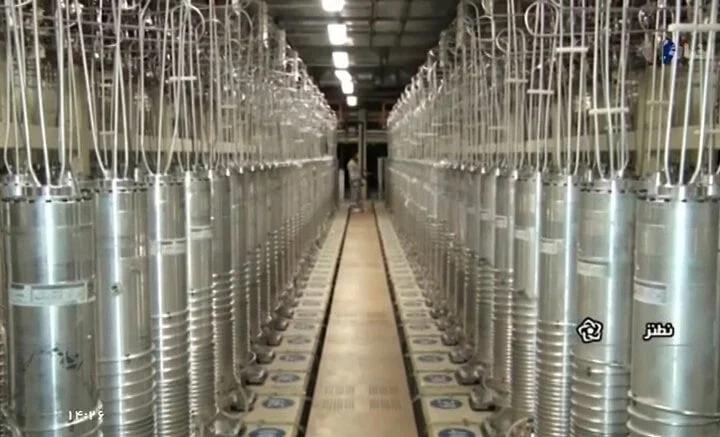
- 2019-2020: Iran begins "remedial measures," exceeding enrichment limits and re-activating advanced centrifuges at the Fordow and Natanz facilities.
- 2021: Iran begins enriching uranium to 60% purity, a major escalation from the previous 3.67% limit.
- 2023-2024: Standoffs with the IAEA increase as Iran limits the access of inspectors and removes surveillance cameras from key sites.
- Late 2024-2025: Rhetoric intensifies following regional instability, with Iran explicitly linking its nuclear program to national defense and deterrence.
The Role of International Sanctions and Geopolitics
The insistence on keeping enriched uranium within its borders is also an economic and political signal. Iran’s economy has been crippled by sanctions, and the leadership in Tehran is likely wary of any agreement that requires them to give up their most potent leverage without a guarantee of long-term economic relief.
Furthermore, the domestic political landscape in Iran remains rigid. The conservative establishment, which currently holds the levers of power, has consistently portrayed the nuclear program as a point of national pride and a necessary pillar of defense. Any concession—especially one involving the physical removal of nuclear material—would be seen as a capitulation to Western pressure, a narrative that the current administration is keen to avoid.
Implications for Global Security
The refusal to transfer uranium stockpiles has several critical implications for global security:
- Diminishing Diplomatic Space: With the export of uranium off the table, negotiators have fewer tools to de-escalate the situation. Previous deals, such as the 2009 Tehran Research Reactor proposal, relied on the transfer of uranium to build confidence. That path now appears closed.
- Heightened Regional Tensions: The interplay between threats of military action against nuclear sites and Iran’s refusal to allow inspections creates a "use it or lose it" dilemma. If Iran believes its facilities are at risk of destruction, it may feel compelled to accelerate its nuclear progress to ensure it has a deterrent in place.
- IAEA Irrelevance: If the IAEA cannot verify the state of Iran’s nuclear program, the international community is forced to rely on intelligence estimates, which are prone to error and bias. This lack of transparency increases the risk of miscalculation by regional powers, particularly Israel and the United States.
- Technological Advancement: Every day that Iran retains its enriched uranium, it gains more technical knowledge and experience in operating advanced centrifuge cascades. This "knowledge transfer" cannot be reversed, even if the material itself were eventually exported.
Analytical Perspectives
From an analytical standpoint, Iran’s strategy appears to be a calculated move toward "nuclear hedging." By maintaining a significant stockpile of enriched uranium, Iran keeps itself at the threshold of nuclear capability. This position allows Tehran to maintain regional influence and deter external aggression without having to cross the "red line" of actually producing a nuclear weapon—a step that would almost certainly trigger a major regional war and potentially cause Russia and China to reconsider their support for the Iranian government.
However, the risk of this strategy is the potential for an accidental or intentional escalation. As regional conflicts continue to simmer, the nuclear program remains a flashpoint. If the IAEA continues to be denied access to key sites, the international consensus—including the support of neutral nations—could shift toward further isolation of Iran, potentially triggering a new round of draconian sanctions.
Conclusion
The statement from the Iranian Foreign Ministry serves as a stark reminder of the widening chasm between Tehran and the international community. By drawing a hard line on the movement of its enriched uranium and questioning the utility of IAEA inspections in the current security environment, Iran is signaling that it is prepared for a long-term standoff.
As the global community observes these developments, the focus will likely remain on whether any diplomatic channel can be salvaged. However, based on the current rhetoric, the prospects for a near-term breakthrough are slim. For now, Iran remains steadfast in its position, prioritizing national control over its nuclear assets above the demands of global non-proliferation regimes. The international community, meanwhile, faces the difficult task of managing a nuclear-capable state that views its atomic program as an existential necessity rather than a negotiable asset.