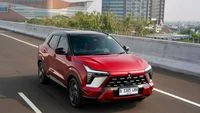
The Indonesian government is laying the groundwork for a broader adoption of eco-friendly transportation by signalling potential policy shifts that could soon benefit hybrid electric vehicles. Speaking in Jakarta, Minister of Industry Muhammad Sarmuji outlined a comprehensive framework under which hybrid vehicles could qualify for substantial government support starting next year. This prospective policy adjustment marks a significant evolution in the country’s automotive landscape, which has historically concentrated its primary green vehicle incentives heavily on battery-electric vehicles.
As the Ministry of Industry evaluates the trajectory of the domestic automotive sector, officials are emphasizing strict localization benchmarks alongside environmental
performance. The prospective incentives are designed not only to stimulate consumer demand for lower-emission vehicles but also to deepen the domestic manufacturing supply chain, ensuring that Indonesia remains a competitive hub for advanced automotive technology in Southeast Asia.
Stringent Localization Requirements as a Prerequisite
Under the proposed guidelines detailed by Minister Sarmuji, qualifying for next year’s government incentives will not be automatic. Automakers hoping to secure fiscal backing for their hybrid offerings must navigate a sliding scale of domestic content requirements, formally known as the Tingkat Komponen Dalam Negeri (TKDN).
For the current calendar year, the baseline minimum TKDN requirement for vehicles eligible for government support stands at 40 percent. However, this threshold is scheduled for a substantial upward revision. In the upcoming year, the mandatory localization rate will increase to 60 percent. This ambitious target is intended to compel manufacturers to source a greater proportion of their parts, components, and sub-assemblies from domestic suppliers, thereby fostering technology transfer and strengthening local small- and medium-sized enterprises within the automotive ecosystem.
Industry insiders note that these regulatory expectations have already been communicated to major automotive stakeholders operating within the archipelago. This includes not only pure battery-electric vehicle manufacturers but also brands specializing in various hybrid architectures, including plug-in hybrid electric vehicles and range-extended electric vehicles.
In recent discussions with industry representatives, the Ministry of Industry actively encouraged hybrid producers to elevate their current localization levels—which typically hover around 50 to 55 percent—to meet or exceed the upcoming 60 percent benchmark. According to Sarmuji, the feedback from major manufacturers has been largely positive, with the majority of producers indicating a strong willingness to adapt their supply chains to meet the new standards. Consequently, these compliant manufacturers are expected to remain eligible for vital fiscal relief, primarily concerning tax structures and state-managed duties.
Non-Fiscal Stimulus: The Push for Ganjil-Genap Exemptions
Beyond traditional tax breaks and financial subsidies, the government is exploring innovative non-fiscal incentives designed to make hybrid ownership more practical for daily commuters. One of the most anticipated measures under consideration is the potential exemption from Jakarta’s infamous odd-even traffic restriction policy, commonly known as ganjil-genap.
At present, exemptions from the odd-even traffic rules in the capital are strictly limited to pure battery-electric vehicles. Conventional internal combustion engine vehicles, including standard hybrids, must strictly adhere to the alternating license plate rules that govern major thoroughfares in Jakarta during peak commuting hours.
However, under the proposed framework, this restriction could be lifted for specific hybrid models that can demonstrate exceptionally low exhaust emissions or superior fuel efficiency metrics. By granting operational privileges to high-efficiency hybrids, the government hopes to provide an immediate, tangible benefit that directly addresses the daily convenience of vehicle owners.
Industry associations and automotive executives have repeatedly underscored that non-fiscal perks are just as crucial as monetary subsidies in shaping consumer purchasing decisions. By removing operational hurdles in congested urban centers, policymakers aim to convince hesitant buyers to transition away from traditional fossil-fuel vehicles in favor of greener alternatives.
Strategic Implications for the Automotive Industry
The potential introduction of hybrid incentives arrives at a critical juncture for Indonesia’s automotive market. For several years, national industrial policies have heavily favored battery-powered electric vehicles through various tax exemptions, luxury tax relaxations, and infrastructure development initiatives. While this strategy has successfully introduced electric mobility to the country, sales volumes have occasionally faced friction due to infrastructure gaps, range anxiety, and relatively high initial price tags.
By extending potential support mechanisms to hybrid vehicles, the government acknowledges the transitional role that hybrid technology plays in a developing market. Hybrids offer a pragmatic middle ground for consumers who are eager to reduce their carbon footprint and improve fuel economy without being entirely dependent on public charging infrastructure, which is still undergoing expansion across the archipelago.
Market analysts suggest that incorporating hybrids into the national incentive scheme could significantly broaden the consumer base for eco-friendly vehicles. Because hybrids generally require less behavioral adaptation from drivers compared to pure electric vehicles, they often serve as a gateway technology, gradually acclimating the driving public to electrified powertrains.
Furthermore, expanding these incentives is expected to encourage established manufacturing giants with heavy investments in Indonesia to diversify their production lines. Rather than viewing environmental regulations solely as a compliance burden, automakers now have a clear economic incentive to upgrade their factory floors, deepen local supply chain integration, and introduce advanced powertrain technologies to the local market.
Moving Forward: Collaboration Between Central and Regional Authorities
The realization of these proposed incentives, particularly the non-fiscal odd-even exemptions, will require close coordination between the central government and regional administrations, most notably the Jakarta Provincial Government. Because traffic management policies fall under municipal jurisdiction, the Ministry of Industry is actively consulting with local stakeholders to align national environmental targets with regional traffic management strategies.
Minister Sarmuji expressed optimism that local governments will recognize the long-term environmental benefits of incentivizing low-emission vehicles. If municipal authorities embrace the concept and grant operational privileges to high-efficiency hybrids, it would create a synergistic effect that reinforces consumer confidence and market momentum.
As the government finalizes the regulatory details ahead of the upcoming fiscal year, the Indonesian automotive sector stands on the brink of a potentially transformative shift. With clearer pathways for localization, prospective tax relief, and the promise of practical urban mobility perks, the stage is set for hybrid vehicles to play a more prominent role in Indonesia’s ongoing transition toward sustainable transportation.