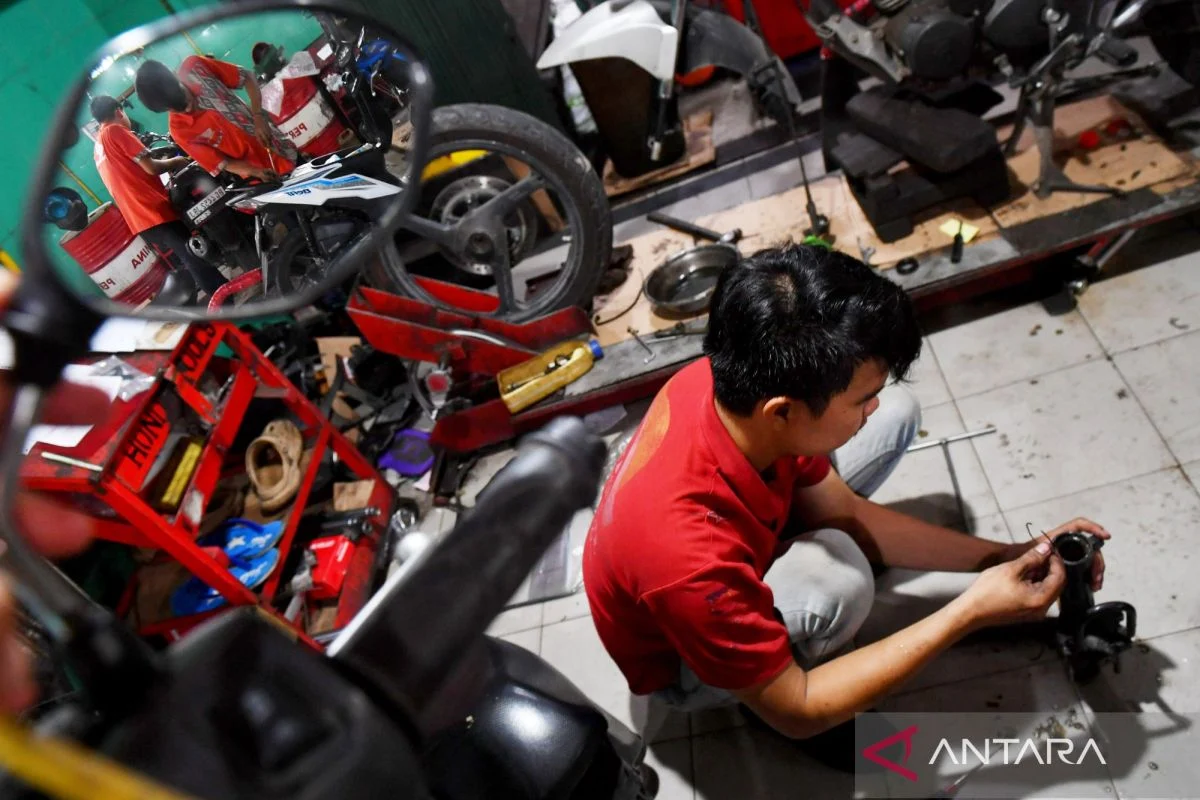
Motorcycle safety relies heavily on a complex network of mechanical and hydraulic systems, none of which are more vital to daily survival than the braking apparatus. When a rider squeezes the front brake lever or depresses the rear brake pedal, they expect an immediate, reliable reduction in velocity. However, this critical mechanical interface frequently communicates through sound. A sudden squeal, a harsh grinding noise, or a subtle frictional hiss is a common auditory phenomenon experienced by motorcyclists worldwide. While urban motorists often brush off these sounds as minor nuisances caused by overnight morning dew or localized dust, automotive safety experts and seasoned mechanics warn that ignoring these acoustic anomalies can lead to catastrophic mechanical failure.
Understanding the root causes of brake noise requires a comprehensive look into how modern motorcycle braking systems operate under varying environmental and mechanical stressors. From microscopic road debris trapped within the brake pads to severely worn components operating past their engineering limits, the reasons behind a noisy brake are diverse. Recognizing these indicators early allows riders to perform targeted maintenance, preventing minor inconveniences from escalating into life-threatening incidents on high-speed roadways.
Environmental Factors and Minor Contaminants: The Harmless Squeal
Not every unexpected noise originating from a motorcycle’s wheels signals an immediate mechanical disaster. In many instances, the sound is merely the byproduct of environmental interaction. Modern brake pads and disc rotors operate within highly exposed environments, leaving them vulnerable to the elements.
When a motorcycle is ridden through muddy terrain, heavy rainstorms, or dusty rural roads, microscopic particles of sand and dirt inevitably find their way onto the braking surfaces. As the brake lever is engaged, the caliper compresses the pad against the spinning disc rotor, trapping these abrasive particles in the friction interface. This momentary interaction frequently produces a high-pitched squeak or a light whistling sound. Similarly, morning dew or overnight humidity can form a thin layer of surface oxidation—commonly known as light rust—on steel brake discs. This microscopic rust film is quickly abraded away during the first few applications of the brakes, often accompanied by a temporary scraping sound that vanishes as the components warm up and dry.
Furthermore, riders who have recently installed brand-new brake components often encounter a brief break-in period, technically referred to in the automotive industry as "bedding-in." During this phase, the friction material of the new pad physically conforms to the microscopic ridges and contours of the disc rotor to maximize the contact patch. Temporary squeals during this stabilization window are entirely normal, provided that braking efficiency remains uncompromised and the noise subsides after a few dozen kilometers of urban riding.
Mechanical Degradation: When Noise Signals Severe Wear
While environmental contaminants account for a significant portion of transient brake noises, persistent, worsening, or structurally harsh sounds point directly toward advanced component degradation. Identifying these deeper mechanical issues is essential for maintaining vehicle control.
- Advanced Pad Wear and Metal-on-Metal Friction
Brake pads are consumable items engineered with a specific thickness of friction material bonded to a structural steel backing plate. Over thousands of kilometers of urban commuting and highway travel, this friction material progressively wears down. Once the thickness drops below safe operating tolerances, the braking performance degrades noticeably, often accompanied by a squeal designed to act as an auditory wear indicator.
If ignored entirely, the friction material wears away completely, allowing the exposed steel backing plate to grind directly against the metallic disc rotor. This produces an unmistakable, harsh grinding sound. Regulatory bodies, such as the United Kingdom’s Driver and Vehicle Standards Agency (DVSA), enforce strict vehicle inspection guidelines, categorizing any brake pad or lining measuring less than 1 millimeter in thickness as a critical safety hazard during periodic roadworthiness evaluations. Allowing pads to reach this extreme state not only destroys expensive disc rotors but also exponentially increases stopping distances, putting the rider at severe risk of a collision.
-
Warped Disc Rotors and Irregular Surface Wear
The brake disc, or rotor, must maintain a perfectly flat, uniform surface to ensure smooth deceleration. However, repeated thermal cycling—caused by intense heat generation during heavy braking followed by rapid cooling in puddles—can warp the metal disc. Furthermore, uneven pad wear can carve deep grooves into the rotor surface. When an irregular rotor spins through a caliper, the brake pads are forced to bounce and vibrate inconsistently, generating a rhythmic pulsing sound that is often mirrored by physical vibrations felt directly through the hand lever or handlebar. -
Caliper Malfunctions and Piston Sticking
In hydraulic disc brake setups, the brake caliper houses one or more pistons driven by brake fluid pressure to squeeze the pads against the rotor. Over time, exposure to road salt, brake dust, and moisture can cause these pistons or their sliding pins to bind or seize within their housings. When a caliper sticks, the brake pad fails to retract fully after the rider releases the lever. This results in continuous, low-level friction while the motorcycle is in motion, generating a persistent humming or squealing sound, premature pad wear, excessive heat buildup, and a heavy, dragging wheel. In severe cases, this trapped heat can boil the brake fluid, causing total brake failure due to vapor lock. -
Loose Hardware and Improper Installation
The integrity of a braking system depends on a multitude of small fasteners, including mounting bolts, anti-rattle clips, pad retaining pins, and caliper brackets. If any of these components vibrate loose due to engine harmonics or rough road conditions, or if they were incorrectly installed during a previous service, they can shift out of alignment. This mechanical looseness generates clicking, rattling, or sharp squeaking noises whenever the brakes are applied or released.
Professional Diagnostics and Best Practices for Maintenance
When confronted with persistent brake noise, riders are frequently tempted to apply quick fixes, such as spraying lubricating oils, WD-40, or grease onto the brake pads or rotors to silence the squeak. Industry experts universally condemn this practice. Introducing any petroleum-based lubricant or foreign chemical to the friction interface instantly destroys the coefficient of friction, rendering the brakes entirely ineffective and creating an extreme hazard.
Instead, proper remediation requires a systematic approach based on technical inspection and professional servicing:
- Comprehensive Thickness Checks: Routinely inspect brake pad friction material to ensure it remains well above the minimum manufacturer-specified threshold. Replace worn pads immediately using components that match exact OEM specifications.
- Targeted Cleaning: Utilize specialized, residue-free brake cleaner aerosols to dissolve accumulated dust, grime, and road salt from the caliper assembly and rotor surfaces. Never use harsh industrial solvents that could degrade rubber seals.
- Rotor Evaluation: Measure disc rotor thickness using a micrometer and inspect the surface for deep scoring, cracking, or warping. Resurface or replace rotors that exceed allowable runout tolerances.
- Lubrication of Sliding Points: While friction surfaces must remain immaculate, high-temperature ceramic or silicone grease can be sparingly applied to sliding pins, caliper brackets, and the non-working backs of brake pads to eliminate unwanted mechanical vibrations—provided care is taken to avoid the friction material entirely.
- Regular Scheduled Servicing: Adhere strictly to manufacturer maintenance intervals, ensuring that hydraulic fluid is flushed periodically to prevent moisture absorption and internal corrosion of the braking circuit.
Recognizing Critical Red Flags and Safety Implications
While minor squeaks caused by morning moisture or light dust may resolve themselves, riders must remain hyper-vigilant regarding specific warning signs that demand an immediate cessation of travel. Ignoring these symptoms can lead to disastrous outcomes, echoing historical traffic tragedies—such as major multi-vehicle pileups on high-speed corridors like the Cipularang Toll Road—where sudden brake failures have tragically demonstrated the devastating human and structural cost of compromised braking systems.
Motorcyclists should immediately pull over to a safe location and arrange for professional transport (such as towing) to a repair facility if they observe any of the following critical indicators:
- Loud, continuous metallic scraping or grinding noises during braking.
- A brake lever or pedal that feels unusually spongy, soft, or travels significantly deeper toward the handlebar or footrest than normal.
- A noticeable reduction in overall braking responsiveness, requiring considerably longer distances to bring the motorcycle to a complete halt.
- Severe, high-frequency vibrations or pulsating sensations transmitted through the controls during deceleration.
- Wheels that feel heavy, hot, or physically restrained even when the brake controls are completely released.
- Any visible pooling, weeping, or active leakage of hydraulic brake fluid around the master cylinder, hoses, or caliper connections.
Ultimately, a noisy motorcycle brake should never be dismissed as a mere auditory annoyance. It serves as an essential diagnostic voice for the machine, alerting the rider to environmental interference, normal wear, or developing mechanical failures. By prioritizing regular inspections, understanding the root mechanical causes of operational noise, and seeking professional intervention at the first sign of compromised performance, riders can ensure their continued safety and preserve the mechanical integrity of their vehicles on the open road.